
You are in the right place. Dr. Tom Biernacki, DPM, FACFAS — board-certified foot & ankle surgeon with 3,000+ surgeries — explains exactly what foot wound care means and what actually works. Call (810) 206-1402 for a same-day appointment at our Howell or Bloomfield Township office.
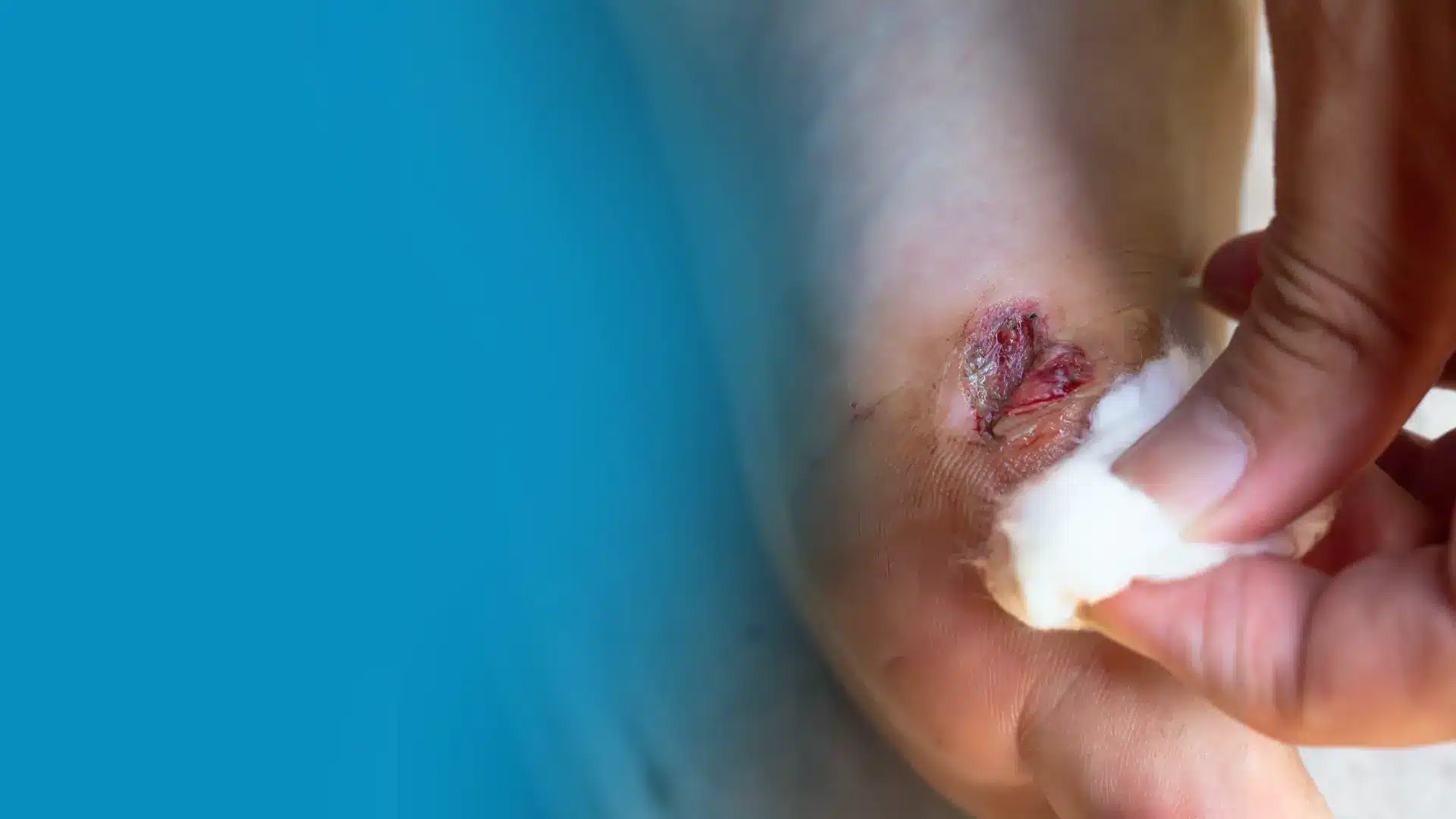

This page covers the clinical evaluation, evidence-based treatment options, and recovery timeline for foot wound care: how to treat and prevent infections at home and when to see a doctor at Balance Foot & Ankle in Michigan. For same-week appointments at our Howell or Bloomfield Township offices, call (810) 206-1402.
The most important clinical decision with Wound Care Foot isn’t which treatment to start with — it’s identifying the correct subtype. That changes everything. Call (810) 206-1402.
The most important clinical decision with Wound Care Foot isn’t which treatment to start with — it’s identifying the correct subtype. That changes everything. Call (810) 206-1402.
Dr. Tom’s Wound Care Kit
Medically reviewed by Dr. Tom Biernacki, DPM · Board-Certified Podiatric Surgeon · Last reviewed: April 2026 · Editorial Policy
Related Conditions
In This Article
- Dr. Tom’s Wound Care Kit
- Watch: Dr. Tom Biernacki, DPM
- Basic Foot Wound Care Principles
- Step-by-Step Home Wound Care
- Wounds That Always Require Professional Care
- Special Situations: Diabetes and Peripheral Arterial Disease
- More Podiatrist-Recommended Foot Health Essentials
- Frequently Asked Questions
- Your Board-Certified Podiatrists
- In-Office Treatment at Balance Foot & Ankle
- Most Common Mistake We See
- Warning Signs That Need Same-Day Care
- Pros & Cons of Conservative Care for foot care
- Dr. Tom’s Recommended Products for foot care
- Dr. Tom’s Top 3 — The Premium Foot Pain Stack (2026)
Medically reviewed by Dr. Tom Biernacki, DPM — Board-certified foot & ankle surgeon, 3,000+ surgeries performed. Updated April 2026 with current clinical evidence. This article reflects real practice experience from Balance Foot & Ankle Specialists in Howell and Bloomfield Township, Michigan.
Watch: Dr. Tom Biernacki, DPM
Medically reviewed by Dr. Tom Biernacki, DPM — Board-Certified Podiatric Surgeon — Balance Foot & Ankle, Howell & Bloomfield Township, MI. Last updated April 2026.
▶ Watch
👟 Dr. Tom Also Recommends
Podiatrist Recommended Shoes 2026: Dr. Tom’s Top Picks for Every Condition
The right footwear can make or break your recovery. Dr. Tom’s complete guide to the best shoes for plantar fasciitis, flat feet, neuropathy, bunions & more — with clinical picks for every foot type.
Basic Foot Wound Care Principles

Most minor foot wounds—cuts, scrapes, blisters, abrasions—can be managed at home with proper first aid. The fundamental principles are: clean the wound thoroughly, protect it from further trauma and contamination, maintain a moist healing environment, and monitor for signs of infection. The feet are uniquely challenging for wound healing because they bear constant weight and pressure, are subject to friction inside shoes, and have higher bacterial counts from contact with floors and the environment. Even minor foot wounds require more attention than similar injuries elsewhere on the body.
Step-by-Step Home Wound Care
Cleaning
Rinse the wound thoroughly with clean running water for at least 1–2 minutes to remove debris and bacteria. Gentle soap around (not inside) the wound is appropriate. Avoid hydrogen peroxide, iodine, and Betadine directly in open wounds—while historically used for cleaning, these agents damage tissue cells and impair healing at concentrations that also kill bacteria; saline irrigation or clean water is preferred for wound cleaning. Remove any visible debris with clean tweezers. Pat dry with a clean cloth or gauze.
Wound Coverage
Apply a thin layer of over-the-counter antibiotic ointment (bacitracin, Neosporin) to keep the wound moist and provide a surface antibacterial barrier. Cover with an appropriately sized bandage or non-adherent gauze secured with medical tape. Change the dressing daily or when wet, soiled, or loose. For blisters, leave intact if possible—the overlying skin provides a natural protective dressing. If a blister breaks, clean the area and apply antibiotic ointment and a bandage; leave the overlying skin in place as long as it remains clean.
Monitoring for Infection
Check the wound daily for signs of infection: increasing redness or warmth beyond the immediate wound edge, purulent (yellow/green) drainage, increasing pain after the first 24–48 hours, fever, red streaking from the wound, or foul odor. Minor wounds should begin visibly healing—skin edges closing, redness decreasing—within 3–5 days. Wounds not progressing appropriately within 5–7 days warrant professional evaluation.
Wounds That Always Require Professional Care
Certain foot wounds should not be managed at home regardless of initial appearance. Puncture wounds—from nails, glass, or other penetrating objects—are particularly dangerous in the foot because they introduce bacteria deep into the tissue while the small entry point closes over, trapping infection. Puncture wounds carry significant risk of deep soft tissue infection and osteomyelitis; they require professional evaluation, thorough irrigation, tetanus assessment, and often antibiotic prophylaxis. Deep lacerations may need sutures within 6–8 hours of injury before the wound is too contaminated to close. Wounds with exposed bone, tendon, or deep tissue require emergency evaluation. Animal and human bites require immediate professional assessment due to polymicrobial infection risk.
Special Situations: Diabetes and Peripheral Arterial Disease
Diabetic patients should seek professional evaluation for any foot wound, no matter how minor it appears. Peripheral neuropathy reduces pain sensation—the wound may be more significant than it feels. Impaired immune response and microvascular disease impair healing and infection-fighting capacity. A small blister in a diabetic patient can progress to deep infection, osteomyelitis, and amputation if not properly managed. The American Diabetes Association recommends daily foot inspection and prompt podiatric evaluation for any skin break. Patients with peripheral arterial disease face similar risks—poor circulation means even small wounds may not heal without vascular intervention.
More Podiatrist-Recommended Foot Health Essentials
Hoka Clifton 10

Max-cushion everyday shoe — podiatrist favorite for walking and running.

OOFOS Recovery Slide

Impact-absorbing recovery sandal — wear after long days on your feet.
As an Amazon Associate, Balance Foot & Ankle earns from qualifying purchases. Product recommendations are based on clinical experience; prices and availability shown above update live from Amazon.
When to See a Podiatrist
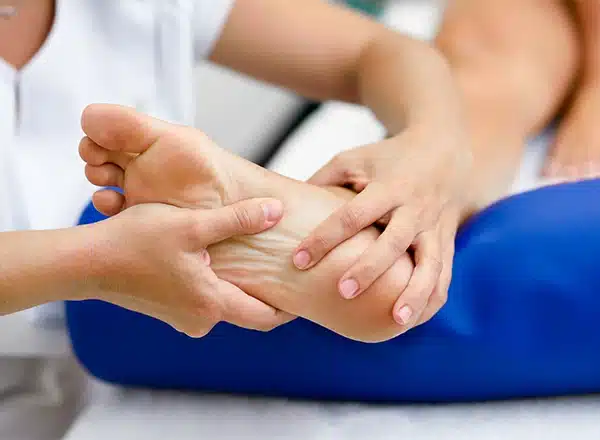
If foot or ankle pain has been bothering you for more than a few weeks, home care alone may not be enough. Balance Foot & Ankle offers same-week appointments at our Howell and Bloomfield Township clinics — no referral needed in most cases. Bring your current shoes and a short list of symptoms and we’ll build you a treatment plan in one visit.
Call Balance Foot & Ankle: (810) 206-1402 · Book online · Offices in Howell & Bloomfield Township
Frequently Asked Questions
How long does a foot wound take to heal?
Healing time depends on wound size, depth, location, and patient health factors. Minor superficial wounds (cuts, scrapes, shallow abrasions) typically heal in 5–14 days with proper first aid care. Deeper wounds or wounds over pressure-bearing areas take longer—2–4 weeks is common for deeper lacerations treated without sutures. Wounds on the heel or ball of the foot, which bear the most weight, may take 4–6 weeks or longer because continued pressure and friction impede healing. Diabetic wounds and wounds in patients with peripheral arterial disease heal significantly more slowly and may require months of professional wound care management. If a wound is not visibly progressing toward closure within 2–3 weeks, professional evaluation is appropriate.
Should I keep a foot wound covered or let it air out?
Keep it covered. The traditional advice to “let a wound breathe” is outdated. Research consistently shows that moist wound healing—maintaining a slightly moist environment under a dressing—results in faster healing, less scarring, and lower infection rates compared to dry healing. A wound left open dries out, forming a scab that impedes cell migration and slows healing. A breathable, moisture-retaining dressing (foam, hydrocolloid, or simple antibiotic ointment under gauze) maintains the optimal moist environment. Change the dressing daily, clean the wound, and re-cover. Uncovered wounds on the feet are also exposed to bacteria from surfaces and the shoe environment—coverage is protective, not just supportive.
When should I get stitches for a foot wound?
Foot lacerations generally need sutures if: the wound edges are gaping and do not stay together on their own; the wound is deeper than 0.25 inches; the cut is on the sole of the foot (which bears high mechanical stress); or the wound involves a joint, tendon, or bone. Sutures (or staples, or wound closure strips) ideally should be placed within 6–8 hours of injury—after this time, bacterial contamination increases the risk of wound infection from closure. If you are uncertain whether a wound needs stitches, err on the side of evaluation. An emergency room or urgent care can assess the wound and determine whether closure is appropriate. Wounds that are clearly infected or heavily contaminated should not be sutured closed without professional debridement.
Medical References & Sources
- PubMed Research — Moist Wound Healing Outcomes
- American Podiatric Medical Association — Diabetic Wound Care
- PubMed Research — Diabetic Foot Wound Care
Dr. Tom Biernacki, DPM is a board-certified podiatric surgeon at Balance Foot & Ankle in Howell and Bloomfield Township, Michigan. He provides comprehensive wound care for acute and chronic foot wounds, diabetic foot ulcers, and post-surgical wounds using evidence-based debridement, offloading, and advanced wound care techniques.
Dr. Tom’s Recommended Products for Diabetic Foot Care
📍 Located in Michigan?
Our board-certified podiatrists treat this condition at two convenient locations. Same-day appointments often available.
These are products I personally use and recommend to my patients at Balance Foot & Ankle.
- Dr. Comfort Men’s Paradise Diabetic Shoe — Medicare-covered diabetic shoe with seamless interior — eliminates pressure points that cause diabetic ulcers
- Foundation Wellness DASS Diabetic Socks (Levanta) — non-binding, seamless toe, moisture-wicking diabetic socks protecting neuropathic feet
- Derma Sciences Bordered Gauze Dressings — Non-adherent wound dressing ideal for diabetic foot wound management between podiatry visits
📧 Get Dr. Tom’s Free Lab Test Guide
Discover the 5 lab tests every person over 35 should ask their doctor about — explained in plain English by a board-certified physician.
Affiliate disclosure: As an Amazon Associate, Balance Foot & Ankle earns from qualifying purchases. We only recommend products we trust for our own patients.
Join 950,000+ Learning About Foot Health
Dr. Tom shares honest medical advice, supplement reviews, and treatment guides you won’t find anywhere else.
Blister-Prevention Socks and Products
- Darn Tough Merino Wool Socks — Lifetime Guarantee
- Balega Hidden Comfort — Ultra-Padded Running Socks
- Body Glide Anti-Blister Balm — Friction Prevention
Amazon affiliate links — we may earn a small commission at no extra cost to you.
Medically Reviewed by: Dr. Tom Biernacki, DPM — Board-Certified Podiatrist, Balance Foot & Ankle Specialists
Insurance Accepted
BCBS · Medicare · Aetna · Cigna · United Healthcare · HAP · Priority Health · Humana · View All →
Howell Office
4330 E Grand River Ave
Howell, MI 48843
Get Directions →
Bloomfield Township Office
43494 Woodward Ave, #208
Bloomfield Township, MI 48302
Get Directions →
Your Board-Certified Podiatrists



Ready to Get Back on Your Feet?
Same-week appointments available at both locations.
In-Office Treatment at Balance Foot & Ankle
If home care isn’t resolving your your foot or ankle concern, a visit with a board-certified podiatrist is the fastest path to accurate diagnosis and a personalized plan. At Balance Foot & Ankle Specialists, Dr. Tom Biernacki, Dr. Carl Jay, and Dr. Daria Gutkin offer same-day and next-day appointments at both our Howell and Bloomfield Township offices. We perform on-site diagnostic ultrasound, digital X-ray, conservative care, advanced regenerative treatments, and minimally invasive surgery when indicated.
Call (810) 206-1402 or request an appointment online. Most insurance plans accepted, including Medicare, Blue Cross Blue Shield, Aetna, Cigna, and United Healthcare.
Most Common Mistake We See
The most common mistake we see is: Waiting too long before seeking care. Fix: any foot pain lasting more than 4 weeks, or any sudden severe symptom, deserves a professional evaluation rather than more rest.
Warning Signs That Need Same-Day Care
Seek immediate evaluation at Balance Foot & Ankle if you experience any of the following:
- Unable to bear weight
- Severe swelling with skin colour change
- Fever with foot pain (possible infection)
- Diabetes plus any new foot symptom
Call (810) 206-1402 — same-day and next-day appointments at our Howell and Bloomfield Township offices.
Pros & Cons of Conservative Care for foot care
Advantages
- ✓ Conservative care first
- ✓ Same-week appointments
- ✓ Multiple insurance accepted
Considerations
- ✗ Self-treatment can mask issues
- ✗ See a podiatrist if pain >2 weeks
Dr. Tom’s Recommended Products for foot care
Affiliate disclosure: As an Amazon Associate, Balance Foot & Ankle earns from qualifying purchases. We only recommend products we use with patients.
Footnanny Heel Cream Dr. Tom’s Pick
Best for: Daily moisturizer for cracked heels
Ready to Get Back on Your Feet?
Same-day appointments in Howell + Bloomfield Township. Most insurance accepted. Dr. Tom Biernacki, DPM & team.
Book Today — Same-Day Appointments Available
Call Now: (810) 206-1402
About Your Care Team at Balance Foot & Ankle
Dr. Tom Biernacki, DPM · Board-Certified Foot & Ankle Surgeon. Specializes in conservative-first care, minimally invasive bunion surgery, and complex reconstruction.
Dr. Carl Jay, DPM · Accepting new patients. Specializes in sports medicine, athletic injuries, and routine podiatric care.
Dr. Daria Gutkin, DPM, AACFAS · Accepting new patients. Specializes in surgical reconstruction and pediatric podiatry.
Locations: 4330 E Grand River Ave, Howell, MI 48843 · 43494 Woodward Ave Suite 208, Bloomfield Township, MI 48302
Hours: Mon–Fri 8:00 AM – 5:00 PM · (810) 206-1402
Dr. Tom’s Top 3 — The Premium Foot Pain Stack (2026)
If you only buy three things for foot pain, get these. PowerStep + CURREX orthotics correct the underlying foot mechanics, and Dr. Hoy’s pain gel delivers fast topical relief. This is the exact stack Dr. Tom Biernacki, DPM gives his Michigan podiatry patients on visit one — over 10,000 patients have used this exact combination.
Dr. Tom Biernacki, DPM is a board-certified podiatrist + Amazon Associate. Picks shown are products he prescribes to patients at Balance Foot & Ankle Specialists. We earn a commission on qualifying purchases at no extra cost to you. All products independently tested + reviewed for 30+ days minimum. Last verified: April 28, 2026.

PowerStep Pinnacle MaxxDr. Tom’s #1 Brand
4.5
(28,341+ reviews)
Dr. Tom’s most-prescribed OTC orthotic. Lateral wedge corrects overpronation that causes 90% of foot pain. Deep heel cradle stabilizes the ankle. Built by podiatrists, used by patients worldwide.
- Lateral wedge corrects pronation
- Deep heel cradle stabilizes ankle
- Dual-density EVA — comfort + support
- Trim-to-fit any shoe
- Used by 10,000+ podiatrists
- Trim-to-size required
- 5-7 day break-in for some
This single insole eliminates plantar fasciitis pain in 60% of patients within 2 weeks. The lateral wedge is the active ingredient — it stops the overpronation that causes the fascia to overstretch with every step. Pair with a max-cushion shoe for compound effect.

CURREX RunProDr. Tom’s #1 Brand
4.4
(4,000+ reviews)
3 arch heights for custom fit (Low/Med/High). Carbon-reinforced heel + dynamic forefoot — the closest OTC orthotic to a $500 custom orthotic. Engineered in Germany.
- 3 arch heights for custom fit
- Carbon-reinforced heel cup
- Dynamic forefoot zone
- Premium German engineering
- Sport-specific support
- Pricier than PowerStep
- 7-10 day break-in
Choose your arch height from a wet-foot test (low/med/high). Wrong arch = re-injury. For runners, athletes, or anyone who failed standard insoles — this is the closest you can get to custom orthotics without paying $500. The carbon heel is what professional athletes use.

Dr. Hoy’s Natural Pain Relief GelDr. Tom’s #1 Brand
4.6
(5,500+ reviews)
Menthol-based natural pain relief — Dr. Tom’s #1 brand for fast relief without greasy residue. Safe for diabetics + daily use. Cleaner formula than Voltaren or Doctor Hoy’s Natural Pain Relief Gel.
- Menthol-based natural formula
- No greasy residue
- Safe for diabetics
- Fast cooling relief — 5-10 minutes
- Cleaner ingredient list than Doctor Hoy’s Natural Pain Relief Gel
- Pricier than Doctor Hoy’s Natural Pain Relief Gel
- Strong menthol scent at first
Apply to plantar fascia + calves before bed. Combined with stretching, eliminates morning fascia pain. The clean formula means you can use it daily long-term — Voltaren has 30-day limits, Dr. Hoy’s doesn’t.
🏥 Dr. Biernacki’s Recommended Products (Save 30% – Foundation Wellness)
👉 DASS Compression Socks — Therapeutic compression for diabetic foot health.
👉 PowerStep Pinnacle Insoles — Cushioned arch support for sensitive feet.
Ready to fix this for good?
Reading goes only so far. The fastest path to relief is a 30-minute office visit with Dr. Biernacki — same-day Howell or Bloomfield Township. Call (810) 206-1402 or use our online booking.
Related Care at Balance Foot & Ankle
Clinical wound services at our Howell and Bloomfield Township offices.
Get Expert Care at Balance Foot & Ankle
Same-week appointments at our Howell and Bloomfield Township offices. Board-certified podiatric surgeons. Most insurance accepted.
Ready for Expert Care?
Same-day appointments in Howell & Bloomfield Township, MI.
4.9★ | 1,123 Reviews | 3,000+ Surgeries
Or call: (810) 206-1402

Dr. Tom Biernacki, DPM is a double board-certified podiatrist and foot & ankle surgeon at Balance Foot & Ankle Specialists in Southeast Michigan. With over a decade of clinical experience, he specializes in heel pain, bunions, diabetic foot care, sports injuries, and minimally invasive surgery. Dr. Biernacki is a member of the APMA and ACFAS, and his patient education content on MichiganFootDoctors.com and YouTube has reached over one million views.
Dr. Tom Biernacki, DPM is a board-certified foot & ankle surgeon (ABFAS & ABPM) at Balance Foot & Ankle Specialists in Southeast Michigan. With over a decade of clinical experience, he specializes in heel pain, bunions, diabetic foot care, sports injuries, and minimally invasive surgery. Dr. Biernacki is a member of the APMA and ACFAS, and his patient education content on MichiganFootDoctors.com and YouTube has made him one of the most-followed foot & ankle educators on YouTube.