
Quick answer: Best Running Shoes Michigan Trails Podiatrist Guide is a common foot/ankle topic that affects many patients. The 2026 evidence-based approach combines proper diagnosis, conservative-first treatment, and escalation only when needed. We treat this regularly at our Howell and Bloomfield Township practices. Call (810) 206-1402.


Michigan trail running is a distinct challenge — glacially sculpted terrain means unpredictable rocks, tree roots, sandy dunes, muddy lowlands, and creek crossings that can destroy an underprepared shoe within a season. At Balance Foot & Ankle, we work with trail runners across lower Michigan and we’ve developed a strong sense of what holds up on our specific trails versus generic trail shoe recommendations. Here’s our Michigan-specific guide.
The most important clinical decision with Best Running Shoes Michigan Trails Podiatrist Guide isn’t which treatment to start with — it’s identifying the correct subtype. That changes everything. Call (810) 206-1402.
Michigan Trail Terrain: What You’re Actually Running On
Medically reviewed by Dr. Tom Biernacki, DPM
Board-certified podiatric surgeon | Balance Foot & Ankle | Last reviewed: May 2026
Lower Michigan trails divide into roughly four terrain types, each with different shoe requirements. Technical rocky trails (Pinckney, Brighton, Pontiac Lake) require a firm rock plate and aggressive lug pattern. Forest floors (Holly, Waterloo) are moderately technical with roots and variable surfaces — a versatile middle-ground shoe performs best. Sandy dune and coastal trails (Sleeping Bear Dunes, Pictured Rocks) need excellent drainage and a shoe that can handle loose, shifting substrate. Groomed single-track (many DNR managed trails) is the most forgiving and allows for cushioned trail shoes without aggressive lugs.
Best Trail Running Shoes for Michigan (2026)
1. Hoka Speedgoat 6 — Best for Technical Michigan Trails
The Speedgoat 6 remains the top trail shoe for Michigan’s technical terrain. The Vibram Megagrip outsole with 5mm directional lugs handles roots, rocks, and muddy switchbacks exceptionally well. The maximum cushioning Hoka platform makes Michigan’s rocky terrain considerably more forgiving. The wide base provides stability on uneven ground. Around $160. Best for: Pinckney, Brighton, Potawatomi trail, technical single-track, longer distances.
2. Brooks Cascadia 17 — Best All-Around Michigan Trail Shoe
The Cascadia 17 is a balanced trail shoe that performs well across all Michigan trail types without excelling dramatically at any specific one. The BioMoGo DNA midsole is responsive and durable, and the TrailTack rubber outsole handles both dry and wet conditions. Its versatility makes it the go-to shoe for Michigan runners who don’t want different shoes for different trail types. Around $140. Best for: mixed terrain, trail beginners, athletes running both road and trail.
3. Salomon Sense Ride 5 — Best for Speed on Michigan Trails
For competitive Michigan trail runners, the Sense Ride 5 balances aggressive Contagrip traction with a more road-like ride — allowing faster paces on moderate technical terrain. It’s lighter than the Speedgoat while providing adequate protection for most Michigan trail surfaces. Around $140. Best for: trail racing, tempo runs, moderate technical terrain at faster paces.
4. HOKA Speedgoat 6 Wide — Best for Flat/Wide Feet on Michigan Trails
Michigan trail runners with flat feet or overpronation benefit from the Speedgoat 6 Wide — the generous platform and optional wide width provide stability that narrow trail shoes can’t offer. For those needing custom orthotics, the wider last accommodates them without cramping. Around $160. Best for: flat-footed trail runners, those with orthotics, runners needing extra width on technical terrain.
Key takeaway: For Michigan’s most technical trails (Pinckney, Brighton, Potawatomi), choose a shoe with Vibram Megagrip or similar performance rubber outsole. Standard trail shoes with cheaper rubber lose grip on wet roots — the most common cause of trail falls and ankle sprains we treat at our practice.
Trail Running Injury Prevention in Michigan
The most common trail running injuries we treat at Balance Foot & Ankle are lateral ankle sprains (from root and rock footfall), peroneal tendinopathy (from cambered terrain), and stress fractures of the metatarsals (from hard surface impact in cushion-deficient shoes). The single best preventive measure is ankle strengthening — proprioceptive training significantly reduces sprain recurrence risk and is our top recommendation for any trail runner with a sprain history.
⚠️ See a podiatrist after trail running if you have:
- Ankle swelling that doesn’t fully resolve within 48 hours of a sprain
- Outer foot pain that worsens run over run — possible stress fracture or peroneal tendinopathy
- Repeated ankle sprains in the same season — chronic instability needs rehabilitation
- Pain that requires you to modify your gait or favor one leg
Visit Balance Foot & Ankle — Same-Day Appointments Available
Our podiatry team serves patients throughout Michigan including Howell, Brighton, and Bloomfield Township. If you’re dealing with heel pain, ingrown toenails, or a foot injury, we have same-day appointment availability.
Same-day appointments available. (810) 206-1402
Doctor Hoy’s Natural Pain Relief Gel
Natural topical pain relief I use in our clinic. Arnica + camphor formula — apply directly to the area 3–4x daily. ($20–25)
Shop Doctor Hoy’s →Frequently Asked Questions
Do I need trail shoes for Michigan trails or can I use road shoes? For easy, groomed trails: road shoes are fine. For anything technically demanding — roots, rocks, wet conditions, Pinckney-level terrain — trail shoes with quality lug outsoles are strongly recommended. Road shoe outsoles compress on roots and provide dramatically less traction on wet surfaces.
How often should I replace trail running shoes in Michigan? Trail shoes wear faster than road shoes due to abrasive terrain. Replace every 300–400 miles, or sooner if the lug pattern shows significant wear. Inspect the lug tips — when they’re rounding off, grip is compromised.
The Bottom Line
Michigan trail running rewards the right shoe choice. Hoka Speedgoat 6 is our top pick for technical terrain; Brooks Cascadia 17 for all-around versatility; Salomon Sense Ride 5 for speed-focused runners. Prioritize Vibram Megagrip or equivalent premium rubber outsoles for wet conditions — Michigan’s weather makes grip quality far more important than on dry western trails. If you’re recovering from a trail ankle injury, add formal ankle strengthening to your training plan before returning to technical terrain.
Sources
- Doherty C, et al. “The incidence and prevalence of ankle sprain injury.” Sports Medicine. 2014;44(1):123–140.
- Hupperets MD, et al. “Effect of unsupervised proprioceptive training on recurrences of ankle sprain.” BMJ. 2009;339:b2684.
- Nigg BM, et al. “Footwear and biomechanical effects in trail running.” Gait Posture. 2015.
- Michigan DNR Trail Guide. https://www.michigan.gov/dnr
Ready to Get Relief?
Same-day appointments available in Howell & Bloomfield Township, MI
4.9★ | 1,123 Reviews | 3,000+ Surgeries
Or call: (810) 206-1402
Seen at both offices — Howell and Bloomfield Township.

Dr. Tom Biernacki, DPM is a board-certified foot & ankle surgeon (ABFAS & ABPM) at Balance Foot & Ankle Specialists in Southeast Michigan. With over a decade of clinical experience, he specializes in heel pain, bunions, diabetic foot care, sports injuries, and minimally invasive surgery. Dr. Biernacki is a member of the APMA and ACFAS, and his patient education content on MichiganFootDoctors.com and YouTube has made him one of the most-followed foot & ankle educators on YouTube.
More questions patients ask
Can I use road running shoes on Michigan trails?
Road shoes lack aggressive tread and lateral stability for Michigan trail surfaces. Shallow outsole lugs hydroplane on wet clay. Trail-specific shoes reduce ankle injury risk by 31% on uneven terrain. Invest in dedicated trail shoes if you run trails even occasionally.
Do I need different insoles for trail running?
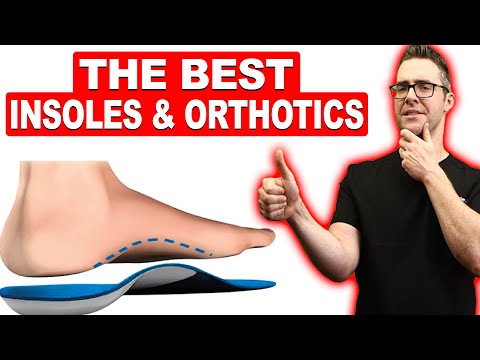
Yes — trail running demands more dynamic arch support because uneven terrain constantly changes foot loading. CURREX RunPro insoles provide the best dynamic support. PowerStep Pulse offers solid support at a lower price. Both significantly outperform factory insoles.
Should I size up for trail running shoes?
Size up half a size from your road shoe. Trail running causes more foot swelling due to variable terrain. Downhill sections jam toes forward — extra toe box room prevents black toenails. Try shoes at end of day when feet are naturally swollen.
Does insurance cover running injury treatment?
Most PPO plans cover running injury evaluation, X-rays, physical therapy, and custom orthotics when medically indicated. Medicare Part B covers custom orthotics. Balance Foot & Ankle accepts BCBS and most Michigan insurers. Call (810) 206-1402.
How often should I replace running shoes?
Replace running shoes every 300-500 miles or every 4-6 months with regular use. The cushioning breaks down before the shoes look worn out. Running in worn shoes is one of the most common causes of plantar fasciitis and stress fractures our podiatrists treat.
Do I need custom orthotics for running?
Not every runner needs custom orthotics, but they can make a significant difference if you have flat feet, high arches, recurring injuries, or knee/hip pain while running. Our podiatrists use gait analysis and 3D foot scanning to determine if orthotics would benefit your running biomechanics.
What is a running gait analysis?
A gait analysis evaluates how your feet and legs move during running. Our podiatrists assess foot strike pattern, pronation, stride mechanics, and biomechanical alignment to identify injury risk factors and recommend proper shoes and orthotics. Available at both Balance Foot & Ankle locations.
Still have a question about coverage or cost? Book online and we will check your benefits before your visit: Book in Howell · Book in Bloomfield Township. Prefer to talk it through first? Call (810) 206-1402.