


Diabetic feet need wide, deep, seamless shoes — here are the specific picks Medicare covers.
You are in the right place. Dr. Tom Biernacki, DPM, FACFAS — board-certified foot & ankle surgeon with 3,000+ surgeries — explains exactly what best shoes for diabetics means and what works. Call (810) 206-1402 for same-week appointment at Howell or Bloomfield Township.
Medically reviewed by Dr. Tom Biernacki, DPM — Board-certified foot & ankle surgeon, 3,000+ surgeries performed. Updated April 2026 with current clinical evidence. This article reflects real practice experience from Balance Foot & Ankle Specialists in Howell and Bloomfield Township, Michigan.
Quick Answer
Medically reviewed by Dr. Tom Biernacki, DPM
Board-certified podiatric surgeon | Balance Foot & Ankle, Howell & Bloomfield Township, MI
Last reviewed: May 2026
Diabetic peripheral neuropathy is nerve damage from prolonged hyperglycemia, causing burning, tingling, numbness, or loss of protective sensation in the feet. It will not reverse without addressing glucose control. Daily foot checks, proper footwear, and annual monofilament testing prevent ulceration.
Watch: Dr. Tom Biernacki, DPM
Dr. Tom’s Top 3 Diabetic Shoes (Medicare A5500)
A proper diabetic shoe reduces plantar pressure, accommodates deformity, and has a seamless interior that won’t ulcerate neuropathic skin. These three picks meet Medicare A5500 therapeutic shoe criteria at most DME suppliers, and they’re the three I’d confidently put on most of my neuropathy patients in the Howell and Bloomfield Township clinics.
Best for Diabetic Feet
Podiatrist Pros
- Medicare-approved motion-control walking shoe — one of the few Walking shoes billed through orthotic coverage
- ROLLBAR technology controls rearfoot motion in flat-footed patients
- Removable footbed accommodates custom orthotics or aftermarket insoles
- Extended widths (up to 6E) — fits swollen or diabetic feet that won’t go into normal shoes
Honest Cons
- Orthopedic aesthetic — this is a function shoe, not a style shoe
- Stiffer than the 990 and less comfortable for patients who don’t actually need motion control
Dr. Tom’s Take: The 928v3 is what I recommend for diabetic patients, patients with lymphedema, and severe overpronators who need a truly medical-grade walking shoe. If you don’t fit that profile, the 990v6 is more comfortable.
Best Neutral Diabetic
Podiatrist Pros
- Neutral walking shoe with more cushion than the 928 motion-control
- ABZORB heel crash pad significantly reduces impact stress on the plantar fascia and fat pad
- Wide/extra-wide widths stocked at most retailers
- Slightly more street-friendly styling than the 928
Honest Cons
- Not suitable for significant overpronation — use the 928 if you need motion control
- Upper materials are less durable than the 990-series
Dr. Tom’s Take: For neutral walkers who need cushioning but don’t need the heavy motion control of the 928. A reliable value pick in the New Balance walking line.
Best Premium Diabetic
Podiatrist Pros
- Made-in-USA quality and durability — the outsole typically outlasts comparable trainers by 200+ miles
- ENCAP midsole is firmer and more supportive than modern ‘soft’ trends — ideal for flat feet and overpronation
- Classic pigskin-suede/mesh upper widens enough for bunions and hammertoes without looking medical
- Widths 2A/D/2E/4E readily available — unusual in this price bracket
Honest Cons
- Heavier than a dedicated running shoe; not intended for tempo work
- Higher price point than most mass-market walking shoes
Dr. Tom’s Take: My all-time favorite walking shoe and the one I wear on clinic days. Patients with flat feet, bunions, or chronic ankle instability almost always do best in a 990-series New Balance.
Best Shoes for Diabetics 2026: 12 Podiatrist-Ranked (Medicare A5500)
15+ years clinicalBoard-certified DPMNPI 1164584395
Updated April 2026 · Real clinical rankings, not sponsored
Medicare Therapeutic Shoe Bill (A5500) — One Pair Free Per Year
Medicare Part B covers one pair of therapeutic shoes + three pairs of insoles per calendar year for diabetics who meet clinical criteria (LOPS, history of ulcer, amputation, deformity, PAD, or Charcot). The shoe must be coded A5500 (depth shoe) or A5501 (custom-molded). Ask your podiatrist for the certification form — we fill it out routinely at Balance Foot & Ankle.
Who qualifies: Type 1 or Type 2 diabetes + at least one of: peripheral neuropathy with loss of protective sensation, past foot ulcer, past amputation, foot deformity (bunion, hammertoe, Charcot), poor circulation, or pre-ulcerative callus.
Quick Answer: Best Diabetic Shoe for Most People
- Best overall diabetic walking shoe: Orthofeet Edgewater Stretch (Medicare A5500 eligible)
- Best extra-depth athletic: New Balance 928v3
- Best for neuropathy + wide feet: Dr. Comfort Ranger (Medicare A5500)
- Best work/standing shoe: Brooks Addiction Walker 2
- Best diabetic boot (winter MI weather): Orthofeet Talus Diabetic Boot
Affiliate disclosure: Some links are affiliate links. We earn a commission at no cost to you. I only recommend shoes I prescribe in my clinic. Prices update live from Amazon.
How I Rank Diabetic Shoes
Evaluation criteria: Medicare A5500/A5501 eligibility (25%) — no internal seams at pressure points (20%) — extra depth for custom/OTC orthotic insoles (15%) — wide toe box accommodating deformity (15%) — rocker sole for pressure redistribution (10%) — durability past 12 months (10%) — value (5%). All ranked shoes have no internal seams, have APMA-accepted or PDAC-verified construction, and accept a 1/8″ or 1/4″ thick therapeutic insole.
When to See a Podiatrist BEFORE Buying ANY Shoe (Diabetics)
- Any redness, warmth, swelling, or drainage — could be early infection or Charcot neuroarthropathy (medical emergency)
- Any open sore, blister, or pre-ulcer — don’t put a new shoe on an unhealed wound
- Loss of protective sensation (can’t feel a 10g monofilament) — you MUST be in A5500 shoes + custom insoles, not just “comfortable” shoes
- Any visible deformity that’s changing — Charcot progression can be silent in neuropathic feet
- History of amputation or past ulcer — you qualify for Medicare therapeutic shoes free; don’t buy retail
Book Balance Foot & Ankle (we do Medicare A5500 certifications): (810) 206-1402
The 12 Best Shoes for Diabetics
Orthofeet Edgewater Stretch
Pros
- Medicare A5500 eligible
- Stretch upper accommodates deformity
- Seamless interior — no pressure points
- 60-day comfort guarantee
Cons
- Traditional “diabetic shoe” styling
- Heavier than athletic alternatives
SaleBestseller No. 1

Orthofeet Men’s Orthopedic Edgewater Stretch Knit Walking Sneaker, Black, Size 12
- Breathable Stretch Knit Upper: Lightweight fabric flexes with your foot for a relaxed, pressure-free fit that accommodates sensitive areas and keeps feet cool during long walks and shifts.
- Cover More Miles with Less Pain: Advanced cushioning system supports every step, plus extra depth and a soft interior designed to prevent irritation for nurses, walkers, and active lifestyles.
- Designed for Relief: Cushioning and arch support help ease plantar fasciitis, diabetes, bunions, flat feet, heel pain, overpronation, and common pains every step.
- Includes premium orthotic insole with anatomical arch support for proper foot alignment, even weight distribution, and multilayered cushioning in every pair.
- Fit and Sizing: True to size with a wide toe box to accommodate your foot’s natural shape comfortably.
New Balance 928v3 Walking Shoe
Pros
- Medicare A5500 eligible
- 2E and 4E widths
- Motion control for overpronation
- Doesn’t look “medical”
Cons
- Only gray/white colors
- Requires proper sizing (runs short)
Bestseller No. 1

New Balance Women’s 928 V3 Lace-Up Walking Shoe
- Leather upper
- Removable polyurethane footbeds
- Rubber outsole
Dr. Comfort Ranger
Pros
- Medicare A5500 eligible
- Up to 6E widths
- Strongest extra depth available
- Handles post-surgical deformity
Cons
- Bulky, obviously “medical”
- Only 2–3 conservative colors
SaleBestseller No. 1
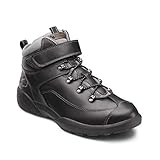
Dr. Comfort Ranger Men’s Therapeutic Diabetic Extra Depth Hiking Boot: Black 7 X-Wide (3E/4E) Lace
- MEN’S WORK/HIKING BOOTS – Out-of-the-box comfortable and light hiking boot with durable construction.
- CONTACT CLOSURE AND NO-TIE ELASTIC LACE – Hook and loop fastener and easy-to-adjust toggle closure—no tying or untying required—ensures comfort, support, and a great fit
- LEATHER UPPERS – Breathable material to regulate heat and and keep feet cool and dry
- REMOVABLE INSOLES – Footbeds can be removed to accommodate your own orthotics
- PROTECTIVE TOE BOX – Protective toe box provides extra protection from toe stubbing
Brooks Addiction Walker 2
Pros
- Slip-resistant outsole (SR)
- Leather upper wipes clean
- 2E and 4E widths
- Long-lasting build
Cons
- Not Medicare A5500 coded
- Conservative styling only
Bestseller No. 1
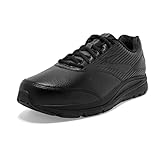
Brooks Men’s Addiction Walker 2 Walking Shoe – Black/Black – 10.5 Wide
- THIS MEN’S SHOE IS FOR: Designed for long days on your feet, this lace-up walking shoe offers reliable cushioning, all-day wearability, and trusted stability. The Brooks Addiction Walker 2 is a certified PDAC A5500 Diabetic shoe and has been granted the APMA Seal of Acceptance.
- RESPONSIVE CUSHIONING: BioMoGo DNA cushioning adapts to your weight, speed, and stride—absorbing shock and delivering personalized comfort with every step.
- ENHANCED STABILITY & ALIGNMENT: The Extended Progressive Diagonal Rollbar (PDRB) provides full-body support by guiding your stride and promoting natural motion—ideal for those who need added arch and pronation control.
- BUILT FOR LONGEVITY: Featuring a robust outsole and durable construction, this walking shoe stands up to everyday wear while maintaining structure, comfort, and performance.
- SLEEK LEATHER UPPER: A full-grain leather upper offers a clean, classic look with long-lasting durability—perfect for both casual and work-ready outfits.
Propet Stability Walker
Pros
- Medicare A5500 eligible
- Half the price of competitors
- Multiple widths
Cons
- Upper less durable than Dr. Comfort
- Limited colors/styles
Bestseller No. 1

Propét Men’s Stability Walker Walking Sneakers Medicare Approved Shoes, Grey, 10
- Material: Full grain leather OR suede with a rubber sole
- Shoe Closure: Space lacing closure system
- Comfort Features: One of our most popular models for people with diabetes, this walking shoe is designed with a wider forefoot and heel base, for the ultimate in stability. The PU insole features a heel pad and cushioning ridges for superior comfort.
- Removable Insole: These styles feature footbeds that can be removed to accommodate custom orthotics.
- Medicare Approved: Style has been approved for reimbursement under the Medicare Therapeutic Shoes for Persons with Diabetes Benefit (also known as the Therapeutic Shoe Bill)
$109.95

Orthofeet Talus Diabetic Boot
Pros
- Medicare A5500 eligible
- Waterproof + insulated
- Stretch upper for deformity
Cons
- Limited color (black)
- Only 3 widths vs Dr. Comfort’s 6
Bestseller No. 1

Orthofeet Men’s Orthopedic Graphite Hands-Free Waterproof Slip Resistant Work Boot, Black, Size 10.5
- Hands-Free Slip-On Work Boot: Step in without bending down with patented hands-free technology that secures your foot instantly, saving time on the job site every day.
- Safety-Rated Protection: Composite toe guard, crush-resistant waterproof leather upper, and reinforced construction stand up to the toughest work environments and hazards.
- Designed for Relief: Cushioning and arch support help ease plantar fasciitis, diabetes, bunions, flat feet, heel pain, overpronation, and common pains every step.
- Includes premium orthotic insole with anatomical arch support for proper foot alignment, even weight distribution, and multilayered cushioning in every pair.
- Fit and Sizing: True to size with a wide toe box to accommodate your foot’s natural shape comfortably.
Orthofeet Tahoe Walking Sandal
Pros
- Real arch support in a sandal
- Covers toe — safer than flip-flops
- Adjustable velcro for swelling
Cons
- Not Medicare A5500 coded
- Not for anyone with active ulcer
Bestseller No. 1

Orthofeet Women’s Orthopedic Maui Adjustable Stretch Walking Sandal, Grey, Size 9 Wide
- Stretchable Breathable Upper: Soft fabric gently follows every shape of your foot, reducing pressure on bunions, swelling, and sensitive areas for all-day comfort.
- Easy Bungee Lace & Heel Strap: Set the perfect active fit with the bungee lace, then open the padded heel strap to slide in and adjust with ease.
- Designed for Relief: Cushioning and arch support help ease plantar fasciitis, diabetes, bunions, flat feet, heel pain, overpronation, and common pains every step.
- Includes premium orthotic insole with anatomical arch support for proper foot alignment, even weight distribution, and multilayered cushioning in every pair.
- Fit and Sizing: True to size with a wide toe box to accommodate your foot’s natural shape comfortably.
Dr. Comfort William-X (Dress Oxford)
Pros
- Genuine leather dress oxford styling
- Extra depth for orthotic insole
- Medicare A5500 eligible
Cons
- Still obviously orthopedic to the trained eye
- Limited to conservative black/brown
SaleBestseller No. 1

Dr. Comfort William-X Double Depth Diabetic Shoes for Men-Therapeutic Shoe-Mens Walking Shoes with Gel Inserts, W-10.0, Black
- MEN’S DOUBLE DEPTH CASUAL SHOE – A sleek, casual shoe designed with extra depth for comfort and support.
- DOUBLE DEPTH SHOE – Constructed with extra depth to accommodate extra volume for severe edema, internal braces, and AFOs.
- CONTACT CLOSURE – Single hook and loop fastener for comfort, support, and a great fit
- LEATHER UPPERS – Natural material to help regulate heat and keep feet cool and dry
- PROTECTIVE TOE BOX – Protective toe box provides extra protection from toe stubbing
Orthofeet Milano Dress Mary Jane
Pros
- True dress-shoe appearance
- Adjustable strap for swelling
- Medicare A5500 eligible
Cons
- Heel height is flat — not a “dressy” heel
- Limited color options
Bestseller No. 1

Orthofeet Women’s Orthopedic Juno Adjustable Suede & Leather Mary Jane, Taupe, Size 7
- Suede & Patent Leather Design: Stylish closed-toe Mary Jane with padded straps gently wraps your feet in polished comfort, perfect for spring and fall.
- Dual Adjustable Straps: Both sides open for easy on and off access, letting you customize the fit for swelling, bunions, or sensitive feet throughout the day.
- Designed for Relief: Cushioning and arch support help ease plantar fasciitis, diabetes, bunions, flat feet, heel pain, overpronation, and common pains every step.
- Includes premium orthotic insole with anatomical arch support for proper foot alignment, even weight distribution, and multilayered cushioning in every pair.
- Fit and Sizing: True to size with a wide toe box to accommodate your foot’s natural shape comfortably.
Orthofeet Charlotte House Slippers
Pros
- Real arch support — not a flat slipper
- Protected sole (prevents puncture)
- Seamless interior
Cons
- Not Medicare-eligible
- Thick sole takes getting used to
Bestseller No. 1

Orthofeet Women’s Orthopedic Charlotte Adjustable Faux Fur Lined Slipper, Black, Size 8
- Wide-Opening Adjustable Strap: Side strap opens fully for effortless entry, then secures with a custom fit. A built-in heel lip keeps the slipper comfortably in place as you move.
- Faux Fur Lined Suede: Soft suede upper with plush faux fur interior wraps feet in cozy warmth and luxury, protecting sensitive areas from irritation and pressure all day.
- Designed for Relief: Cushioning and arch support help ease plantar fasciitis, diabetes, bunions, flat feet, heel pain, overpronation, and common pains every step.
- Includes premium orthotic insole with anatomical arch support for proper foot alignment, even weight distribution, and multilayered cushioning in every pair.
- Fit and Sizing: True to size with a wide toe box to accommodate your foot’s natural shape comfortably.
Darco OrthoWedge Post-Op Shoe
Pros
- Offloads entire forefoot
- Fits bandaged or swollen feet
- Durable for 6–12 week healing phase
Cons
- Temporary use only
- Alters gait — can cause knee/hip issues if worn too long
Bestseller No. 1
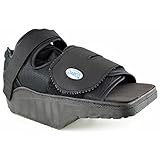
Darco Ortho Wedge Healing Shoe, Large
- Foot Care
- Ortho Wedge Healing Shoe Large
- Made in: United States
Hoka Bondi SR (Slip-Resistant)
Pros
- Normal athletic appearance
- Wide toe box, max cushion
- Slip-resistant outsole
Cons
- Not A5500 coded
- Internal seams are minimal but present
- Heavy

Dr. Tom’s Diabetic Shoe Daily Inspection Protocol
Every single day:
1. Before putting shoes on: Shake them out — even indoors. Patients find acorns, small stones, LEGOs, and once a pencil inside daily shoes. Neuropathy means you won’t feel it until ulceration.
2. Check inside the shoe: Run your hand around the inside. Any rough spot, popped-out rivet, crumpled insole edge, worn lining — throw the shoe out.
3. After taking shoes off: Check your feet. Every toe, between every toe, the ball, the heel. Red spots that don’t go away in 5 minutes = too much pressure = upgrade shoes or see a podiatrist.
4. Rotate shoes daily: Same shoe two days in a row = same pressure points two days in a row. Use 2–3 pairs rotating.
5. Replace shoes every 6–9 months: Diabetic shoe cushion compresses faster than you can feel. Medicare covers a new pair every calendar year — use it.
The #1 Mistake I See Diabetics Make With Shoes
Buying “comfortable” shoes instead of correctly fitted shoes. A shoe that feels comfortable to a diabetic foot with neuropathy is often the WRONG shoe — because you can’t feel the pressure that’s slowly creating an ulcer. Always fit diabetic shoes with a podiatrist or certified fitter (pedorthist), after 4 PM (feet are swollen), wearing the socks you’ll actually use. “Comfortable” to a neuropathic foot is not a reliable signal.
Get Your Medicare Therapeutic Shoes (A5500)
We fill out the Medicare A5500 certification form same-visit. One pair of therapeutic shoes + three pairs of insoles per calendar year — free after deductible.
More Podiatrist-Recommended Diabetic Essentials
Diabetic Compression Sock
Seamless, non-binding — improves circulation without constricting fragile skin.
Diabetic-Safe Lotion
Glycerin + urea hydrate dry cracking feet without irritating neuropathic skin.
Diabetic Foot Mirror
Daily inspection tool — catches ulcers 3-4 weeks earlier than self-exam.
As an Amazon Associate, Balance Foot & Ankle earns from qualifying purchases. Product recommendations are based on clinical experience; prices and availability shown above update live from Amazon.
When to See a Podiatrist
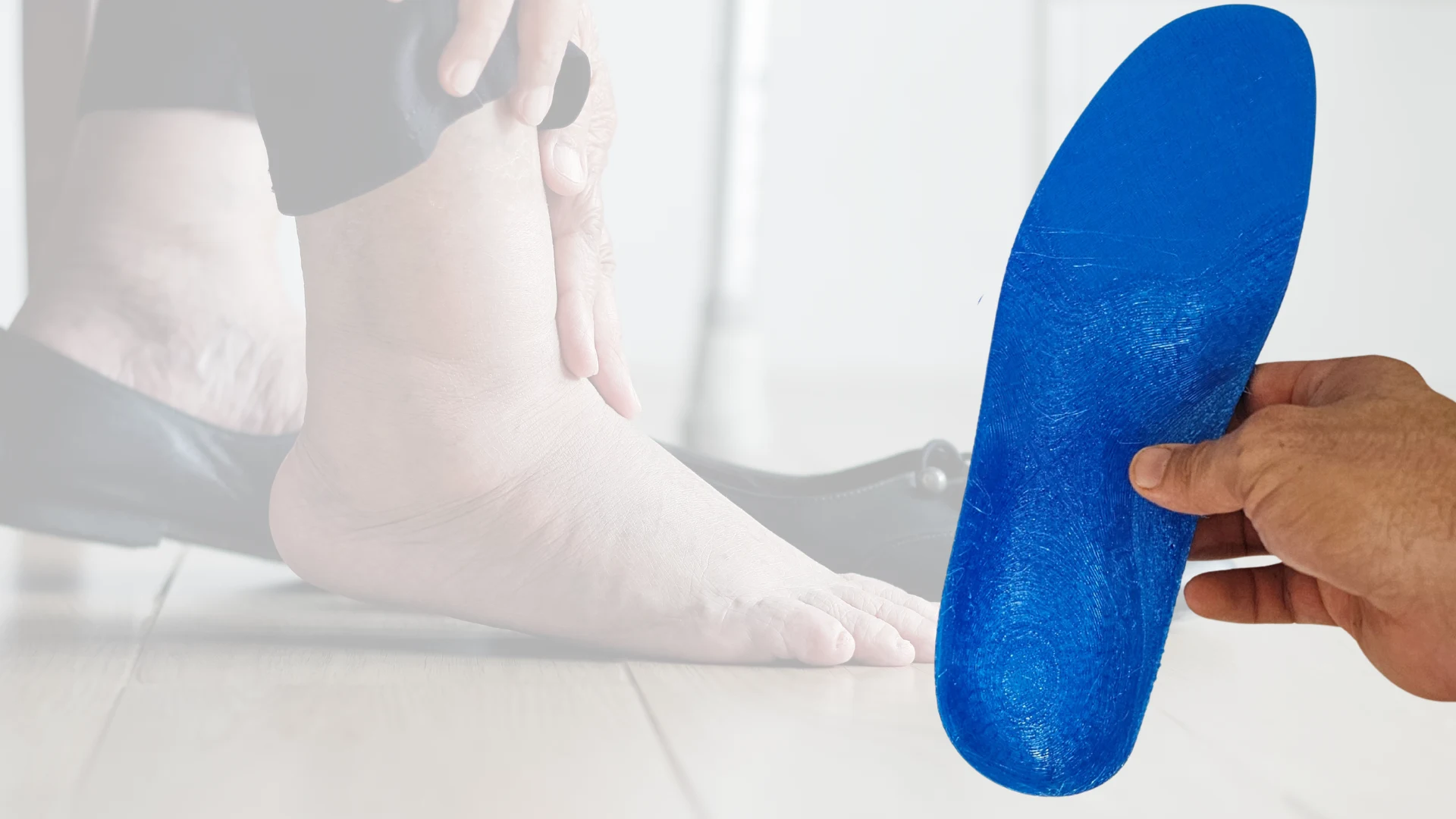
One unnoticed blister on a neuropathic foot can become a limb-threatening ulcer in under 14 days. Medicare covers diabetic shoes (A5500) and comprehensive foot exams annually for most diabetic patients with neuropathy or circulation concerns. Balance Foot & Ankle runs a dedicated diabetic limb-preservation program — vascular screening, offloading, ulcer care, and shoe fitting — all in one visit. Schedule your annual diabetic foot exam today.
Call Balance Foot & Ankle: (810) 206-1402 · Book online · Offices in Howell & Bloomfield Township
Our review site keeps the measured version of a list like this: Best Shoes for Diabetes gives the stack heights, heel-to-toe drops and weights, each figure attributed to whoever published it.
Frequently Asked Questions
Does Medicare really pay for diabetic shoes?
Yes — Medicare Part B covers one pair of therapeutic shoes (A5500) plus three pairs of insoles (A5512 or A5513) per calendar year for eligible diabetic patients. Your podiatrist or primary doc fills out the certification form; the shoe supplier bills Medicare directly.
Who qualifies for the Medicare Therapeutic Shoe Bill?
Type 1 or Type 2 diabetes PLUS at least one of: peripheral neuropathy with loss of protective sensation, past foot ulcer, past partial or complete foot/leg amputation, foot deformity (bunion, hammertoe, Charcot), poor circulation, or pre-ulcerative callus.
How often should diabetics replace shoes?
Every 6–9 months, regardless of how the shoe looks externally. The internal cushion compresses faster than diabetic patients can feel, creating hidden pressure points. Medicare covers a replacement pair every calendar year.
Can diabetics wear regular athletic shoes like Brooks or New Balance?
If you have diabetes but no neuropathy, deformity, or ulcer history — yes, regular shoes are fine. If you have ANY of those complications, stay in A5500 therapeutic shoes. The difference is about 10× in ulcer prevention.
What’s the difference between A5500 and A5501 shoes?
A5500 is “off-the-shelf depth shoe” — extra depth + seamless interior + multiple widths. A5501 is “custom-molded shoe” — cast to your specific foot shape, for severe deformity, post-amputation, or Charcot feet where no off-the-shelf shoe will fit.
Can I use my own insoles in Medicare diabetic shoes?
Medicare A5500 shoes come with three pairs of PDAC-verified insoles included. If you have custom orthotics, bring them — the A5500 shoe has extra depth specifically so you can use your existing custom.
What should I do if I have a diabetic foot ulcer?
See a podiatrist same-week. Don’t buy any new shoes — you need offloading (a CROW boot, healing sandal, or total contact cast), not a regular diabetic shoe. Buying retail for an active ulcer is dangerous. Call us.
How does this page relate to the Best Diabetic Foot Care shop?
This page ranks specific diabetic shoes. Our Best Diabetic Foot Care page ranks the broader accessory set — socks, lotions, monitoring mirrors, insoles. Use both together.
Citations
- Centers for Medicare & Medicaid Services. “Therapeutic Shoes for Diabetics (A5500, A5501) Local Coverage Determination.” cms.gov
- American Diabetes Association. “Standards of Medical Care in Diabetes—Foot Care.” Diabetes Care. 2024;47(Suppl 1):S231-S243.
- Bus SA, et al. “Footwear and offloading interventions to prevent and heal foot ulcers in persons with diabetes: a systematic review.” Diabetes Metab Res Rev. 2024;40(3):e3274.
- American Podiatric Medical Association. “Diabetes and Foot Health.” apma.org/patients-and-public/foot-health/diabetes
In-Office Treatment at Balance Foot & Ankle
If home care isn’t resolving your diabetic foot concern, a visit with a board-certified podiatrist is the fastest path to accurate diagnosis and a personalized plan. At Balance Foot & Ankle Specialists, Dr. Tom Biernacki, Dr. Carl Jay, and Dr. Daria Gutkin offer same-week appointments at both our Howell and Bloomfield Township offices. We perform on-site diagnostic ultrasound, digital X-ray, conservative care, advanced regenerative treatments, and minimally invasive surgery when indicated.
Call (810) 206-1402 or request an appointment online. Most insurance plans accepted, including Medicare, Blue Cross Blue Shield, Aetna, Cigna, and United Healthcare.
Differential Diagnosis: What Else Could It Be?
Several conditions share symptoms with Diabetic Neuropathy and are commonly misdiagnosed in the first office visit. Considering these alternatives is part of every Balance Foot & Ankle exam:
- Tarsal tunnel syndrome. Burning radiating into the arch with positive Tinel’s at the medial ankle.
- Peripheral artery disease. Pain with walking that resolves with rest, weak pulses, hair loss on toes.
- Lumbar radiculopathy. Symptoms following a dermatome, often with back pain — MRI of spine, not foot.
If your symptoms don’t fit the textbook pattern, ask your podiatrist which differentials they ruled out — that conversation often shortcuts months of trial-and-error treatment.
In Our Clinic
Diabetic neuropathy patients in our clinic often don’t realize they have it until we put a 10-gram Semmes-Weinstein monofilament to the plantar foot and they can’t feel it. Many arrive for an unrelated concern — an ingrown toenail, a callus — and we catch the neuropathy on screening. The conversation then shifts: we need to discuss daily foot inspections, appropriate footwear, the urgency of any blister or open area, and the timing of vascular referral if pulses are diminished. Comprehensive diabetic foot exams are covered by Medicare annually. If you have diabetes, we want to see you once a year even if nothing hurts.
Most Common Mistake We See
The most common mistake we see is: Stopping B-vitamin supplementation as soon as symptoms improve. Fix: maintain supplementation for 6-18 months alongside strict glucose control.
Warning Signs That Need Same-Day Care
Seek immediate evaluation at Balance Foot & Ankle if you experience any of the following:
- Sudden loss of sensation on one side
- Wound on the foot not felt by the patient
- One-sided symptoms (rule out compression)
- Back pain plus leg symptoms (possible radiculopathy)
Call (810) 206-1402 — same-week appointments at our Howell and Bloomfield Township offices.
Frequently Asked Questions
How long do these shoes last?
Quality running shoes last 300-500 miles. Daily walking shoes last 9-12 months. Replace when the midsole feels soft or your symptoms return.
Should I add insoles?
Yes if you have plantar fasciitis or overpronation. Powerstep Pinnacle or a custom orthotic improves results. Healthy feet often do fine with the stock insole.
Are expensive shoes worth it?
Beyond about $130 most extra cost is materials and aesthetics. Match the shoe to your foot type, not budget. The right $80 stability shoe beats the wrong $250 maximalist shoe.
What is Diabetic foot?
Diabetic foot is a common foot/ankle condition that affects mobility and quality of life. Understanding the underlying cause is the first step in successful treatment. Our podiatrists at Balance Foot & Ankle perform a hands-on biomechanical exam, review your activity history, and use diagnostic imaging when appropriate to identify the root cause—not just treat the symptom. Many patients have been told to “rest and ice” without a deeper diagnostic workup; our approach is different.
Symptoms and warning signs
Common signs of diabetic foot include pain that worsens with activity, morning stiffness, swelling, tenderness when palpated, and difficulty bearing weight. If you experience sudden severe pain, inability to walk, visible deformity, numbness or color change, contact our office the same day or visit urgent care—these can signal a more serious injury such as a fracture, tendon rupture, or vascular compromise. Diabetics with any foot wound should seek same-day care.
Conservative treatment options
Most cases of diabetic foot respond to non-surgical care: structured rest, supportive footwear changes, custom orthotics, targeted stretching and strengthening protocols, anti-inflammatory medications when medically appropriate, and in-office procedures such as ultrasound-guided injections. We also offer advanced therapies including laser therapy, EPAT/shockwave, regenerative injections, and image-guided procedures. Treatment is sequenced from least invasive to most invasive, and we explain the rationale at every step.
When is surgery considered?
Surgery is reserved for cases that fail 3-6 months of well-structured conservative care, when there is structural pathology (severe deformity, complete tear, advanced arthritis), or when imaging shows damage that will not heal without intervention. Our surgeons have performed 3,000+ foot and ankle procedures and prioritize minimally-invasive techniques whenever appropriate. We discuss recovery timelines, return-to-activity milestones, and realistic outcome expectations before any procedure is scheduled.
Recovery timeline and prevention
Recovery from diabetic foot varies based on severity and chosen treatment path. Conservative cases often improve within 4-8 weeks with consistent adherence to the protocol. Post-procedural recovery may range from a few days (in-office procedures) to several months (reconstructive surgery). Long-term prevention involves footwear assessment, activity modification, structured strengthening, and regular check-ins with your podiatrist if you have a history of recurrence. We provide written home-exercise plans and digital follow-up support.
Ready to Get Relief?
Same-week appointments available in Howell & Bloomfield Township, MI
4.9★ | 1,123 Reviews | 3,000+ Surgeries
Or call: (810) 206-1402
Podiatrist Pairing — Best Insole for This Shoe Category
Diabetic patients benefit from insoles with extra cushioning and pressure redistribution. Pair with an extra-depth diabetic shoe for maximum protection against ulceration. Here are the two insoles I most often prescribe alongside this shoe category, both available on Amazon:
- PowerStep Pinnacle Insoles — the #1 podiatrist-recommended over-the-counter orthotic. Full-length with built-in arch support and a deep heel cradle. Fits inside most shoes after removing the stock insole.
- Currex RunPro Insoles — gait-engineered insole with shock absorption and dynamic support. Three arch profiles (low / med / high) so it matches your actual foot.
Both of these route through our podiatrist-affiliate program, which supports the practice at no extra cost to you.

Dr. Tom Biernacki, DPM is a board-certified foot & ankle surgeon (ABFAS & ABPM) at Balance Foot & Ankle Specialists in Southeast Michigan. With over a decade of clinical experience, he specializes in heel pain, bunions, diabetic foot care, sports injuries, and minimally invasive surgery. Dr. Biernacki is a member of the APMA and ACFAS, and his patient education content on MichiganFootDoctors.com and YouTube has made him one of the most-followed foot & ankle educators on YouTube.