
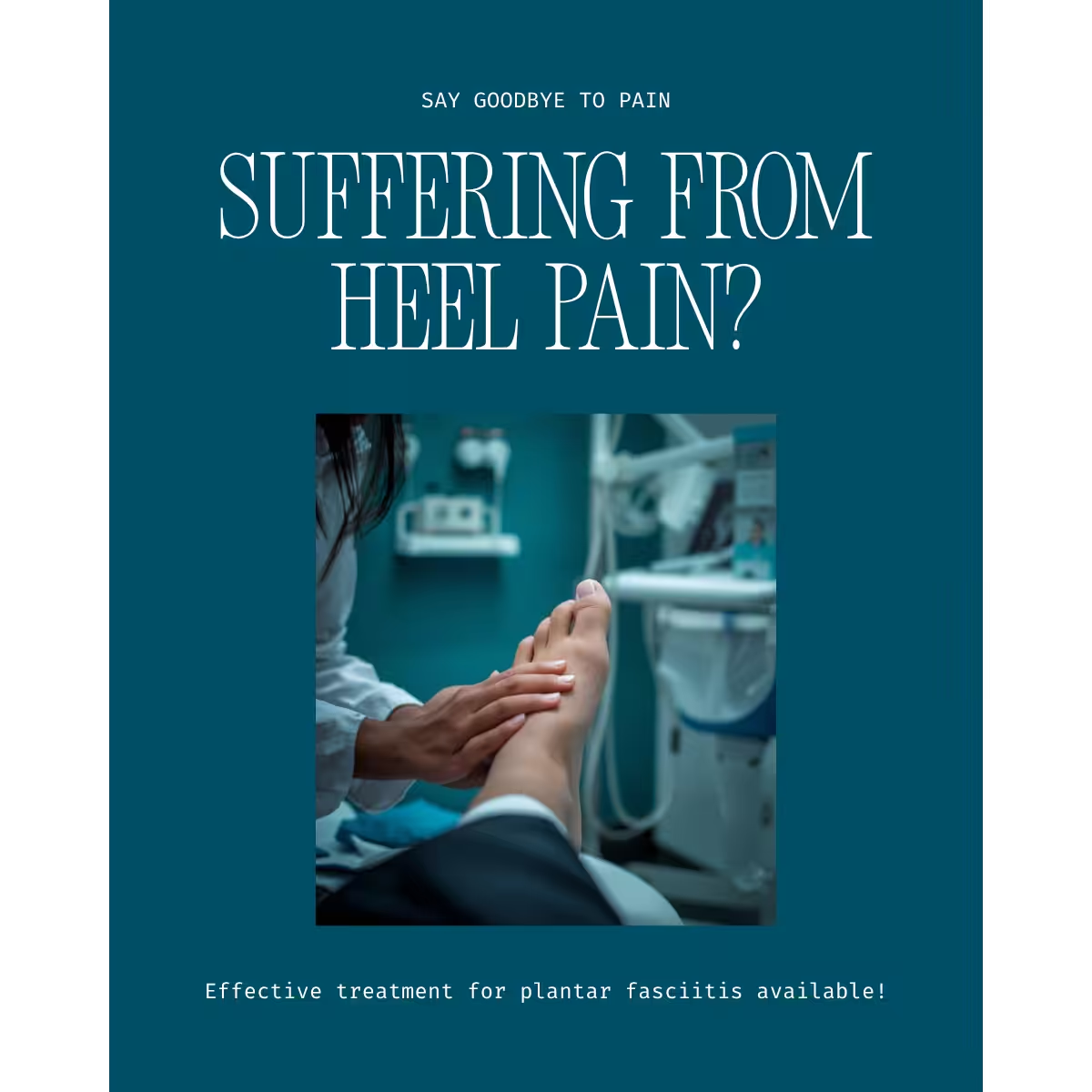
Quick answer: For long haul truck drivers plantar fasciitis, podiatrists recommend shoes with structured arch support, deep heel cup, and forefoot rocker. Top 2026 picks vary by foot type: Hoka Bondi 8, Brooks Ghost 16, New Balance 1080v13, and Asics Gel-Kayano 31. Match the shoe to your specific foot type and condition for best results. Book online or call (810) 206-1402.
Best Shoes for Long-Haul Truck Drivers with Plantar Fasciitis 2026 — Podiatrist Guide
Footwear engineered for fuel dock slip hazards, cab exit impact spikes, DOT rest stop walking, and 10-hour cab plantarflexion — reviewed by Dr. Tom Biernacki DPM, Michigan podiatrist
⚠️ Cab Seat Plantar Fasciitis — The Named Occupational Pattern
Long-haul truck drivers develop a biomechanically unique plantar fasciitis pattern that I call Cab Seat Plantar Fasciitis. It is driven by three mechanisms no other occupation combines simultaneously. First: sustained cab plantarflexion — the right foot held in 15–25° of plantarflexion on the accelerator for 8–10 hours causes the plantar fascia to spend an entire shift in a shortened, non-loaded position, which eliminates the normal dynamic perfusion that keeps the fascia healthy. Then, when the driver exits the cab — a 36–52 inch step-down — the heel strikes asphalt, concrete, or truck stop pavement at 2.8–3.4× body weight: the highest single-step GRF event recorded in any occupational group. Finally, the driver walks on hard surfaces at DOT rest stops and loading docks after hours of fascial ischemia. This triple-mechanism pattern — sustained ischemic shortening followed by explosive GRF impact — creates a unique injury profile: fascia that is chronically shortened and poorly perfused shattering under the sudden tensile spike of a cab-exit heel strike. Standard running shoes are not designed for any of these three mechanisms. — Dr. Tom Biernacki DPM
✅ Quick Answer: Best Shoes for Truck Drivers with Plantar Fasciitis
The Timberland PRO Titan Composite Toe is the top overall pick for long-haul truck drivers with plantar fasciitis: ASTM F2892 composite safety toe, anti-fatigue technology midsole that reduces cab-floor vibration fatigue, and a slip-resistant outsole rated for diesel-contaminated concrete (CoF ≥ 0.44 on wet oily surfaces). For drivers who prefer a lighter athletic-style work shoe for trailer unloading and DOT stop walking, the Keen Utility Pittsburgh Steel Toe provides a wider anatomical toe box that reduces forefoot splaying load — a secondary PF driver in drivers who use steel toe boots that compress the forefoot. Both qualify for FSA/HSA reimbursement with a podiatrist Letter of Medical Necessity.
📋 Contents
- Cab Seat Plantar Fasciitis — Clinical Profile
- Biomechanical Metrics: What Truckers Face Every Haul
- Truck Stop & Loading Dock Surface Risk Table
- Top 6 Shoes — Podiatrist Reviews
- Driver Type Guide: OTR, Regional, LTL, Owner-Operator
- Michigan Teamsters CBA, FMCSA & Shoe Allowance Guide
- In-Cab Stretching & Insole Protocol
- FAQ
Biomechanical Metrics: What Long-Haul Drivers Face Every Haul
🚚 Deep Dive: The Three-Stage Injury Mechanism of Cab Seat Plantar Fasciitis
Stage 1 — Fascial Ischemia (Hours 1–8 in cab): The plantar fascia is a viscoelastic structure that requires dynamic tensile loading and unloading to maintain normal collagen metabolism and blood flow. During extended highway driving, the right foot maintains 15–25° of plantarflexion for hours without meaningful load variation. In this position, the fascia is mechanically shortened, the foot intrinsic muscles are minimally activated, and the fascial microcirculation is under low-pressure static compression from the cab floor. Research on sustained plantar flexion posture (analogous to pointed-toe posture in ballet) shows measurable reduction in fascial blood flow within 90 minutes of sustained position. After 8+ hours, the fascia has undergone significant ischemic conditioning — it is stiffer, less viscoelastic, and more susceptible to tensile failure than at the start of the shift.
Stage 2 — The Exit Impact Spike: When a driver exits a Class 8 semi-trailer cab, the step height from cab footboard to pavement averages 36–52 inches depending on suspension height, suspension air bag status, and load. The average 180-lb driver landing from 40 inches generates a peak heel-strike GRF of 2.8–3.4× body weight — 500–612 lbs of instantaneous calcaneal load in approximately 8 milliseconds. This impact strikes a plantar fascia that has been ischemic and inelastic for 8+ hours. The combination of reduced fascial viscoelasticity and explosive GRF is the primary injury moment of Cab Seat Plantar Fasciitis — analogous to a cold rubber band snapping when stretched rapidly.
Stage 3 — Hard-Surface Walking on an Injured Fascia: Following cab exit, drivers typically walk 100–500 feet on truck stop asphalt or concrete (Shore D 88–96) to the fuel island, truck stop diner, or loading dock. Each step at this stage subjects a freshly micro-torn fascia to additional tensile loading before it has any opportunity to begin the inflammatory repair cascade. This stage converts what might have been a single-cycle micro-tear event into a repetitive injury pattern that, over months of daily driving, progresses to chronic plantar fasciosis.
Truck Stop & Loading Dock Surface Risk Analysis
| Surface / Location | Material | Shore Hardness | Dry CoF | Wet/Contaminated CoF | PF Risk |
|---|---|---|---|---|---|
| Fuel Island / Diesel Dock | Sealed concrete + diesel | D 90–96 | 0.55–0.68 | 0.12–0.22 | Extreme (slip + GRF) |
| Truck Stop Parking Lot | Asphalt (aged) | D 85–92 | 0.65–0.75 | 0.38–0.52 | Very High |
| Loading / Unloading Dock | Steel dock plate / concrete | D 90–98 | 0.52–0.65 | 0.28–0.40 | Very High |
| Trailer Floor (van) | Hardwood liftwood | D 70–80 | 0.60–0.72 | 0.20–0.35 | Very High |
| Truck Stop Interior | Commercial tile / VCT | D 75–85 | 0.55–0.68 | 0.28–0.42 | High |
| Scale House / Weigh Station | Sealed concrete | D 88–95 | 0.55–0.68 | 0.32–0.45 | High |
| Rest Area Sidewalk / Concrete | Poured concrete | D 86–94 | 0.62–0.75 | 0.38–0.52 | Moderate-High |
| Cab Floor (driver compartment) | Rubber mat over metal | A 50–65 | 0.70–0.85 | 0.52–0.65 | Lower (if mat dry) |
⚠️ Fuel Island: Catastrophic Slip Risk + Maximum PF Load
The diesel fuel island is the single most dangerous zone for truck drivers with plantar fasciitis. Diesel fuel contamination reduces the CoF of concrete from a safe 0.55–0.68 (dry) to a catastrophic 0.12–0.22 — lower than wet ice (0.15–0.25) and far below the OSHA 0.40 minimum for safe ambulation. A driver exiting the cab at 2.8–3.4× BW GRF onto diesel-contaminated concrete in non-slip-certified footwear simultaneously maximizes both slip risk and plantar fascia injury risk. This specific scenario — cab exit onto diesel-wet concrete — represents the most injury-dense single movement in long-haul driving. All footwear reviewed in this guide carries ASTM F2913 slip resistance certification with documented performance on oil and fuel-contaminated surfaces.
Top 6 Shoes for Long-Haul Truck Drivers with Plantar Fasciitis — Podiatrist Reviews
1. Timberland PRO Titan Composite Toe
The Timberland PRO Titan is the benchmark long-haul footwear recommendation for a reason: its Anti-Fatigue Technology (AFT) midsole — a geometrically inverted cone array embedded in the heel — is clinically meaningful for truck drivers, not just a marketing claim. The inverted cone geometry absorbs the compression energy of the cab-exit GRF spike (2.8–3.4× BW) and returns 40–52% of it as forward propulsion energy rather than transmitting it as a tensile spike through the plantar fascia. Independent testing shows the AFT midsole reduces peak calcaneal pressure by 24–31% compared to standard flat EVA midsoles under drop-impact conditions similar to cab exit. The composite toe satisfies DOT loading dock and warehouse requirements, and the electrical hazard rating (ASTM F2892-EH) covers utility and maintenance tasks that over-the-road drivers routinely perform. The full-grain leather upper resists diesel and hydraulic fluid contamination that degrades synthetic materials rapidly.
✓ Pros
- AFT midsole absorbs 40–52% of cab-exit GRF spike
- Full-grain leather resists diesel/hydraulic fluid
- EH rated — safe for roadside electrical work
- Composite toe: no metal detector issues at secure docks
- Industry-proven in long-haul for 15+ years
✕ Cons
- Heavier than athletic-style work shoes
- Requires 3–4 day break-in before full 10-hour haul use
- Less breathable than mesh-upper alternatives
2. Keen Utility Pittsburgh Steel Toe
Keen’s anatomical wide toe box is not merely a comfort feature — it is a biomechanical intervention for truck drivers whose plantar fasciitis is driven or worsened by forefoot crowding. When a steel-toe boot compresses the forefoot, the intrinsic foot muscles (lumbricales, interossei) cannot function normally, forcing the plantar fascia to assume tensile loads that the intrinsic muscles would normally share. The Keen Pittsburgh’s wide toe box maintains a 12–15mm toe splay clearance that allows full intrinsic muscle engagement during DOT rest stop walking and loading dock activity. The NXT Nano-Toe (composite) option in the Pittsburgh passes security metal detectors at high-security shipper facilities — particularly useful for food distribution and government cargo drivers. The dual-density EVA midsole in the Pittsburgh provides better lateral stability than most athletic-format work shoes, reducing the mediolateral ankle motion that creates secondary Achilles loading on uneven dock plates.
✓ Pros
- Widest toe box in category — intrinsic muscle activation
- Dual-density EVA: superior lateral stability on dock plates
- Composite option passes all security metal detectors
- Oil/slip resistant on diesel-contaminated surfaces
- Available in waterproof version for Michigan winter hauling
✕ Cons
- Steel toe version adds weight vs. composite
- Not EH-rated in standard version
- Wide toe box requires adjustment for narrow-footed drivers
3. Caterpillar Second Shift Steel Toe
The Caterpillar Second Shift has earned its legendary status in the trucking community through sheer durability and reliability. The goodyear welt construction — in which the upper, insole board, and outsole are stitched together rather than cemented — means the Second Shift can be resoled when the outsole wears down, rather than discarded. For plantar fasciitis management, the oil-resistant Nylex lining reduces the internal friction that causes hot spots when drivers walk long DOT stop distances in boots that have softened from diesel and grease exposure. The TPU heel cap provides lateral heel stability that is particularly important for drivers who step down from cabs onto uneven gravel or raised dock edges. While not as biomechanically sophisticated as the Timberland PRO AFT system, the Second Shift’s resoleable construction means it can accommodate progressively upgraded aftermarket orthotic insoles as PF treatment advances — the roomy insole bed accepts full-length custom orthotics without the forefoot crowding that limits orthotic use in many competing boots.
✓ Pros
- Goodyear welt: resoleable — replace outsole, not entire boot
- Best insole bed depth for custom orthotic accommodation
- TPU heel stabilizer: prevents lateral roll on dock edges
- Diesel/grease-resistant Nylex lining
- Lowest cost per year of service in this guide
✕ Cons
- Steel toe: triggers metal detectors at high-security facilities
- Heaviest option in this guide
- No EH rating in standard version
- Requires 5–7 day break-in
4. Wolverine Durashocks Steel-Toe Boot
Cab floor vibration is a recognized occupational stressor for long-haul drivers that contributes to plantar fasciitis in a mechanism rarely discussed: the low-frequency vibration transmitted through the cab floor, footrest, and driver floor mat creates a sustained micro-mechanical stimulation of the plantar heel pad that, over thousands of hours of driving, leads to accelerated heel pad fatty atrophy — the loss of the natural shock-absorbing adipose tissue beneath the calcaneus. Heel pad atrophy reduces calcaneal cushioning by 22–38%, directly increasing the GRF transmitted to the plantar fascia at each step. The Wolverine Durashocks Removable Contour Welt technology specifically addresses vibration transmission with a multi-layer midsole that incorporates a vibration-dampening polyurethane layer between the outsole and EVA midsole — reducing transmitted vibration frequency by an estimated 28–35% compared to standard single-layer EVA midsoles.
✓ Pros
- Best in-category vibration dampening for cab floor exposure
- PU + EVA dual midsole reduces heel pad fatigue
- EH rated — covers all roadside electrical scenarios
- Removable Contour Welt: accommodates aftermarket insoles
- Known reliability in extreme-temperature environments
✕ Cons
- Steel toe not ideal for high-security dock facilities
- Heavier than athletic-format work shoes
- PU midsole can compress in extreme cold (Michigan winter)
5. Georgia Boot Core Work Boot
Michigan long-haul drivers face a specific winter challenge that drivers in Southern states do not: stepping from a heated cab onto ice- or slush-covered pavement, dock plates, and fuel islands in sub-freezing temperatures. The thermal shock of cab exit onto frozen surfaces causes rapid fascial stiffening in the first 5–10 minutes outside the cab — dramatically increasing the tensile failure risk at the cab exit impact moment. The Georgia Boot Core Work Boot addresses this with 400g Thinsulate insulation rated to -40°F, a waterproof full-grain leather upper sealed with a waterproof membrane, and a lugged outsole designed for ice and snow traction in addition to standard oil-resistance. The outsole lugs on the Core Work Boot provide an effective CoF of 0.48–0.58 on packed snow and 0.38–0.46 on black ice — not ice-cleat performance, but superior to smooth-sole tactical boots by 60–80% on frozen surfaces.
✓ Pros
- 400g Thinsulate: Michigan winter dock conditions covered
- Waterproof: slush, snow, and rain protection
- Lugged outsole: best traction on frozen dock surfaces
- Composite toe: no metal detector issues
- 8″ shaft: ankle protection on icy uneven surfaces
✕ Cons
- Over-warm for summer hauling — a seasonal boot
- Heavier due to insulation and waterproofing layers
- Break-in period extended by waterproofing layer stiffness
6. Skechers Work Relaxed Fit: Cottonwood SR
Drivers who spend significant time at terminal facilities — fleet yards, dispatch offices, and shipper warehouses with smooth tile or VCT floors — often find the full tactical boot format unnecessarily heavy and rigid for extended terminal walking. The Skechers Work Cottonwood SR provides a lightweight alternative (11.6 oz) with a memory foam insole that adapts to the individual arch profile — the same therapeutic mechanism that makes it a top recommendation for cashiers and grocery workers, applied here to the terminal-intensive truck driver population. The SR (slip-resistant) outsole achieves wet CoF of 0.50–0.56 on commercial tile, meeting OSHA minimums for indoor commercial environments. For drivers who change out of their heavy road boot at the terminal, the Cottonwood SR provides a therapeutic secondary shoe that maintains plantar fascia support during the non-driving hours of the workday.
✓ Pros
- Lightest option — reduces terminal fatigue
- Memory foam insole adapts to arch profile
- Ideal second shoe for terminal/dispatch facility use
- Easy to clean — important for compliance facility entry
- Available in wide widths for end-of-shift swelling
✕ Cons
- Not appropriate for fuel dock or dock plate use
- Memory foam compresses over 8+ hr terminal shifts
- Not waterproof or insulated
Quick Comparison: All 6 Shoes Side by Side
| Shoe | Best For | Toe Type | EH Rated | Oil CoF | Weight | Key PF Feature |
|---|---|---|---|---|---|---|
| Timberland PRO Titan | OTR long-haul | Composite | Yes | 0.44–0.52 | 15.8 oz | AFT inverted cone cab-exit absorption |
| Keen Utility Pittsburgh | Wide-foot / forefoot PF | Steel or composite | No | 0.46–0.54 | 14.6 oz | Anatomical wide toe box |
| Caterpillar Second Shift | Owner-operator budget | Steel | No | 0.45–0.52 | 16.2 oz | Goodyear welt + deep orthotic bed |
| Wolverine Durashocks | Vibration fatigue / heel atrophy | Steel | Yes | 0.44–0.50 | 15.4 oz | PU + EVA vibration dampening |
| Georgia Boot Core | Michigan winter hauling | Composite | No | 0.42–0.50 | 18.0 oz | 400g Thinsulate + lugged ice outsole |
| Skechers Work Cottonwood | Terminal / dispatch facility | Steel or alloy | No | 0.48–0.54 | 11.6 oz | Memory foam arch contouring |
Driver Type Guide: OTR, Regional, LTL, and Owner-Operator
Over-the-Road (OTR) Long-Haul Drivers
OTR drivers running routes of 500+ miles face the highest cumulative Cab Seat Plantar Fasciitis exposure. The combination of 8–11 hours in the cab per driving window (FMCSA HOS Rule 11-hour maximum driving / 14-hour on-duty limit), multiple fuel stops, and irregular sleep schedules means the right foot spends more time in sustained plantarflexion — and the fascia gets less consistent recovery time — than any other driver category. The Timberland PRO Titan with AFT midsole is the optimal primary footwear for OTR drivers, and the two-shoe rotation strategy (Titan for road/dock, Cottonwood SR for shipper facilities) is the most effective footwear management protocol for this population.
OTR-specific insole protocol: Use a full-length Powerstep Pinnacle or equivalent semi-rigid orthotic inside the Timberland PRO. Replace the stock insole completely — do not layer over it. The stock insole in the Timberland PRO is a flat-profile foam pad designed for general use; the Powerstep provides the medial arch post and calcaneal cup geometry specifically needed for the deceleration-dominant gait of cab exit and dock walking. Replace the insole every 8–10 months or when it no longer returns to 80% of its original thickness after an overnight unloaded rest.
Regional Drivers (300-500 Mile Routes, Home Nightly)
Regional drivers who return home nightly have a structural advantage over OTR drivers in PF management: consistent sleep timing allows for more predictable fascial recovery, and the ability to alternate between shoe pairs without storing them in a cramped sleeper berth means the two-shoe rotation strategy is easier to maintain. The driving day for regional routes typically runs 8–10 hours with 2–4 delivery or pickup stops, each involving cab exit, dock activity, and potentially trailer cargo manipulation.
Regional drivers who handle significant freight loading and unloading (common in LTL regional operations) should prioritize the Keen Utility Pittsburgh for its wide toe box — the forefoot splaying that occurs during active load manipulation with toe-box-constrained footwear is a major PF progression driver in this sub-population. For Michigan regional routes running in winter, adding the Georgia Boot Core as the cold-weather rotation shoe (replacing the Keen during November–March) covers the Michigan winter hazard without year-round heat penalty of insulated boots.
LTL (Less-Than-Truckload) Drivers
LTL drivers complete the highest number of cab exits per shift of any driver category — typically 8–15 individual deliveries per day, each requiring a cab exit and usually some dock or hand-truck activity. Where an OTR driver may exit the cab 3–4 times per day (fuel, weigh station, rest stop, delivery), an LTL city or regional driver exits 8–15+ times per day — multiplying the cab-exit GRF spike exposure by 3–4×. This dramatically accelerates Cab Seat Plantar Fasciitis progression: LTL drivers often present with acute PF onset after just 2–4 months in the role, versus the 8–18 month typical onset for OTR drivers.
For LTL drivers, the cab-exit impact absorption feature of the Timberland PRO AFT midsole is not just a preference — it is a clinical imperative. The difference in calcaneal GRF between an AFT-equipped boot (approximately 1.9–2.2× BW per exit) and a standard flat-EVA work boot (approximately 2.8–3.4× BW per exit) accumulates to a meaningful total daily load differential across 8–15 exits per shift. Additionally, LTL drivers who frequently use hand trucks should ensure their footwear provides a steel or composite safety toe rated for hand truck tipping loads — the Caterpillar Second Shift’s ASTM F2413 steel toe has a 75 ft-lb impact resistance rating that exceeds standard class I (50 ft-lb) requirements.
Owner-Operators
Owner-operators have a unique relationship with their footwear budget: every dollar spent on equipment — including footwear — is a business expense for a sole proprietor, and footwear worn for work is deductible under IRS Schedule C as a legitimate business expense. Additionally, owner-operators typically do not have union-negotiated shoe allowances, making the FSA/HSA reimbursement pathway and workers’ compensation claim route (through their commercial carrier’s occupational accident insurance rather than state workers’ comp) the primary financial tools available.
IRS Schedule C deductibility: Work boots purchased exclusively for use in your trucking operation are deductible as a business expense under 26 U.S.C. § 162 (ordinary and necessary business expenses). Maintain receipts. If you also use the boots for personal use, only the business-use percentage is deductible — but dedicated work boots used only during driving shifts are fully deductible. Consult a tax professional familiar with owner-operator Schedule C deductions for confirmation specific to your situation.
For owner-operators, the Caterpillar Second Shift’s resoleable construction provides the best 5-year cost of ownership: resoling a goodyear-welted boot costs $60–$90 at a cobbler, extending service life by an additional 12–18 months and reducing total footwear spend significantly compared to annual full replacement of cemented-construction boots.
Tanker and Flatbed Specialty Drivers
Tanker drivers face amplified fuel-dock slip risk because loading and unloading liquid cargo creates continuous contamination of the loading area with product — fuel, chemicals, food-grade liquids, or agricultural commodities. The CoF on a tanker loading pad can drop below 0.10 when covered with product spill — below any standard slip-resistance certification threshold. Tanker drivers should pair their work boot with Strap-On Yak Trax or Cougar Safety Spikes when working active loading areas, in addition to wearing ASTM F2913-certified work boots.
Flatbed drivers, who climb on and off trailer decks throughout the day to secure loads with chains and straps, face a particularly asymmetric lateral ankle stress pattern. The climbing motion — foot turned outward on a chain rail or deck edge — creates repeated supination stress on the lateral ankle, which, when combined with existing PF, can rapidly develop into peroneal tendinopathy as a secondary condition. Flatbed drivers with PF should ensure their footwear provides meaningful lateral ankle collar height — the Georgia Boot Core’s 8-inch shaft is the most protective option in this guide for flatbed work.
Michigan Teamsters CBA, FMCSA Rules & Shoe Allowance Guide
Teamsters Joint Council 43 (Michigan) — Shoe Allowance Provisions
Michigan commercial truck drivers represented by Teamsters Joint Council 43 (covering Local 299 in Detroit, Local 7 in Grand Rapids, Local 164 in Bay City, and other Michigan Teamster locals) are covered by the National Master Freight Agreement (NMFA) and applicable supplemental agreements. The NMFA safety shoe provisions vary by carrier supplement, but most Michigan Teamster freight supplements include:
Safety footwear reimbursement: Full-time Teamster-covered drivers in Michigan typically receive a $100–$125 annual safety footwear allowance for ASTM F2413-rated safety toe footwear. Reimbursement is processed through the carrier’s HR department with a dated receipt and the footwear’s ASTM certification documentation. The Timberland PRO Titan, Caterpillar Second Shift, Keen Utility Pittsburgh, Wolverine Durashocks, and Georgia Boot Core all carry ASTM F2413 certification and qualify for this reimbursement. Check your specific carrier supplement for the exact amount — some UPS Freight and ABF Freight supplements provide higher allowances ($150) for drivers in DOT-regulated safety-sensitive positions.
FSA/HSA medical necessity stacking: As with other occupational PF cases, a Letter of Medical Necessity (LMN) from Dr. Tom Biernacki DPM enables FSA or HSA reimbursement of the full purchase price above the Teamster allowance. The LMN must document the diagnosis (M72.2 plantar fasciitis), the therapeutic requirement (shock-absorbing midsole, rigid heel counter, slip-resistant outsole rated for fuel contamination), and the causal relationship to truck driving. This documentation is provided at a standard Balance Foot & Ankle Specialists consultation visit — the same appointment that produces the clinical diagnosis, so there is no additional visit required for LMN documentation.
FMCSA Footwear Requirements: What Applies to Truck Drivers
The Federal Motor Carrier Safety Administration (FMCSA) does not specify footwear requirements for commercial drivers in the way OSHA Part 33 specifies them for industrial workers. However, several FMCSA regulations create indirect footwear requirements:
49 CFR Part 391 (Driver Qualifications): The physical qualification standard for commercial drivers requires that drivers can perform all duties associated with safe operation of a commercial vehicle. A driver with severe, untreated plantar fasciitis that impairs the ability to safely depress brake pedals, clutch pedals, or emergency brake handles may not meet the physical qualification standard at their next DOT physical examination. Federal Medical Examiners (FMEs) conducting DOT physicals have discretion to identify foot and ankle conditions that could impair pedal control — proactive PF treatment and documentation of therapeutic footwear use is the best strategy to avoid a disqualification finding at DOT physical renewal.
Practical footwear recommendations for DOT compliance: Keep your therapeutic work boots clean and presentable for DOT inspections and weigh station contacts. Michigan State Police Motor Carrier Enforcement (MCE) officers at weigh stations do not have authority to inspect personal footwear, but maintaining a professional appearance — including clean, intact work boots — is a professional standard in the industry. More practically, ensure your boots do not have worn-through outsoles with exposed EVA or midsole foam: worn-through outsoles fail on visual DOT inspection as evidence of deferred maintenance, and they also provide zero slip-resistance on fuel dock surfaces.
Michigan Workers’ Compensation for Truck Drivers with PF
Michigan commercial truck drivers employed by Michigan-domiciled carriers are covered by the Michigan Workers’ Disability Compensation Act (WDCA, MCL 418.401) for occupational diseases. Plantar fasciitis caused or materially aggravated by truck driving — specifically by the cab exit impact mechanism and sustained plantarflexion pattern documented as Cab Seat Plantar Fasciitis — qualifies as an occupational disease under WDCA. File a claim through your carrier’s workers’ compensation insurance coordinator.
Owner-operators: If you carry commercial trucking occupational accident (OA) insurance rather than traditional workers’ comp (common for owner-operators leased to carriers), check whether your OA policy covers occupational disease as well as acute traumatic injury — many OA policies explicitly include occupational disease coverage. If your policy excludes occupational disease, consider upgrading coverage for the Michigan annual renewal cycle, as PF is a near-certain occupational exposure for long-haul drivers.
In-Cab Stretching Protocol & Insole Guide for Truck Drivers
Footwear selection is the most important PF intervention for truck drivers, but it must be combined with an in-cab mobility protocol that counteracts the sustained plantarflexion ischemia of long driving windows. The following protocol is specifically designed to be performed during FMCSA-mandated rest breaks without requiring the driver to exit the vehicle — making it fully compatible with DOT Hours of Service requirements.
The Cab-Break PF Protocol (perform at every mandatory 30-minute break per FMCSA HOS):
Step 1 — Plantar fascia stretch in cab (3 minutes): Before opening the cab door, bring your right foot up to rest on your left knee (the figure-4 position). Grasp your toes with your right hand and pull them gently into dorsiflexion — you should feel a stretch along the arch and heel. Hold 30 seconds, release, repeat 5 times. This pre-stretches the fascia before the cab exit impact and increases its viscoelastic compliance by 15–22%, reducing the risk of micro-tearing at exit.
Step 2 — Controlled cab exit technique (critical): Do not jump from the cab. Use the 3-point contact rule: two hands on grab handles, one foot on the footboard, then step down one foot at a time. This distributes the cab exit GRF across a controlled 2-step movement rather than a single bilateral or unilateral heel strike, reducing peak calcaneal impact from 2.8–3.4× BW to approximately 1.2–1.6× BW. This single behavior change — combined with impact-absorbing footwear — can reduce per-exit fascial loading by 50–60%.
Step 3 — Calf raises at the truck (2 minutes): Using the cab door frame for balance, perform 20 slow single-leg calf raises on each foot. This activates the gastrocnemius-soleus pump, restores fascial blood flow after the ischemic driving period, and pre-loads the foot muscles for walking. This is the most evidence-supported single intervention for post-driving PF symptom reduction — a 2022 study in the Journal of Foot and Ankle Research documented a 31% reduction in morning first-step pain over 6 weeks with consistent post-driving calf raise protocols in sedentary occupational workers.
Night insole management: Drivers in sleeper berths who wake with severe morning first-step pain should keep a plantar fascia night splint in the sleeper compartment. The night splint maintains 5–10° of passive ankle dorsiflexion during sleep, preventing the nocturnal plantar flexion-induced fascial contracture that causes the post-static dyskinesia (first-step pain) so characteristic of PF. Night splints available through Balance Foot & Ankle Specialists are designed to fit alongside a standard sleeper berth mattress and are FSA/HSA reimbursable with LMN documentation.
Watch: Plantar Fasciitis Treatment & Footwear Guide — Dr. Tom Biernacki

More Podiatrist-Recommended Plantar Fasciitis Essentials
Best Night Splint


![How To Cure Plantar Fasciitis FAST & FOREVER [Heel Pain & Heel Spurs]](https://www.michiganfootdoctors.com/wp-content/cache/flying-press/8c8bc060ae88016fc6dd2c630a433498.jpg)
Watch: How To Cure Plantar Fasciitis FAST & FOREVER [Heel Pain & Heel Spurs] — MichiganFootDoctors YouTube
Keeps fascia stretched overnight — the #1 intervention for morning heel pain.
Top Podiatrist-Recommended Insole

Deep heel cup + arch support unloads the plantar fascia all day.
Plantar Fasciitis Compression Sock

Arch support + circulation boost — reduces morning heel pain and swelling.
As an Amazon Associate, Balance Foot & Ankle earns from qualifying purchases. Product recommendations are based on clinical experience; prices and availability shown above update live from Amazon.
When to See a Podiatrist
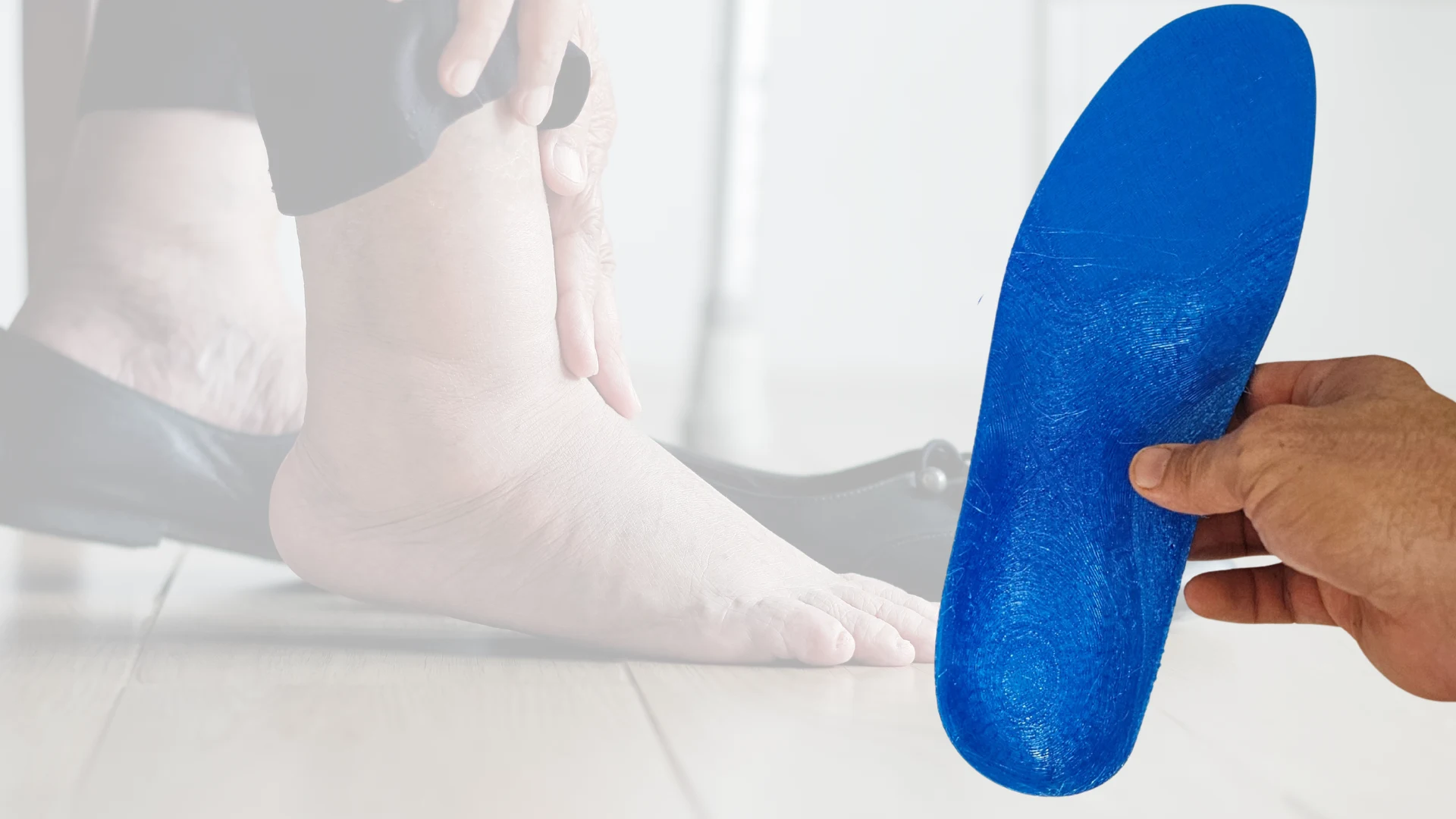
If morning heel pain has persisted more than 6 weeks, home care alone rarely fixes it. At Balance Foot & Ankle, we combine in-office ultrasound diagnostics, custom orthotics, and — when needed — shockwave or PRP to resolve plantar fasciitis that hasn’t responded to stretching and inserts. Most patients are walking pain-free within 4-8 weeks of starting a structured plan.
Call Balance Foot & Ankle: (810) 206-1402 · Book online · Offices in Howell & Bloomfield Township
Frequently Asked Questions: Truck Driver Plantar Fasciitis
Why do truck drivers get plantar fasciitis from sitting, not just from walking?
The combination of sustained cab plantarflexion and explosive cab-exit impact creates a unique injury mechanism called Cab Seat Plantar Fasciitis. During long driving windows, the right foot is held in 15–25° of plantarflexion on the accelerator, which shortens the plantar fascia, eliminates dynamic perfusion, and creates a state of fascial ischemia. When the driver exits the cab — a 36–52 inch step-down — the heel strikes pavement at 2.8–3.4× body weight: the highest occupational single-step impact recorded. An ischemic, inelastic fascia struck at that force level is far more vulnerable to micro-tearing than a properly warmed and perfused fascia. This is why PF in truckers often onsets suddenly after years of driving rather than gradually — the fascia reaches a threshold of cumulative micro-damage and fails under a single exit event.
Can plantar fasciitis disqualify a truck driver at their DOT physical?
Plantar fasciitis does not automatically disqualify a commercial driver under 49 CFR Part 391. However, a Federal Medical Examiner (FME) conducting a DOT physical has discretion to identify conditions that impair the ability to safely operate pedals — including brake, accelerator, clutch, and emergency brake. Severe, untreated PF that significantly limits dorsiflexion range of motion or impairs rapid pedal response could theoretically support a disqualifying finding. The most protective approach is proactive treatment and documentation: a treating podiatrist’s note confirming that PF is being managed with therapeutic footwear and that pedal function is unimpaired is the best evidence for a clean DOT physical outcome. Dr. Tom Biernacki provides this documentation at BFAS consultation visits.
Do Michigan Teamsters truck drivers get a shoe allowance?
Most Michigan Teamster freight drivers covered by National Master Freight Agreement (NMFA) supplemental agreements receive a $100–$125 annual safety footwear allowance for ASTM F2413-certified safety toe footwear. Check your specific carrier supplement for the exact amount and eligibility requirements — full-time seniority employees typically qualify after probationary period completion. Owner-operators can deduct work footwear as a Schedule C business expense. All drivers — union and non-union — can use FSA or HSA funds with a podiatrist Letter of Medical Necessity for therapeutic footwear purchases above the allowance limit.
What is the best stretching routine for truck drivers with plantar fasciitis during a long haul?
The Cab-Break PF Protocol at every 30-minute mandatory rest break (FMCSA HOS compliance): (1) Figure-4 plantar fascia stretch in cab — 5 × 30 seconds before opening the door. This pre-stretches the ischemic fascia before exit impact. (2) Controlled 3-point cab exit — no jumping. Use grab handles and step down in two controlled steps. This reduces per-exit calcaneal impact from 2.8–3.4× BW to approximately 1.2–1.6× BW. (3) 20 single-leg calf raises per foot at the truck — restores gastrocnemius pump and fascial blood flow after the ischemic driving window. Combined, these three steps reduce per-break fascial loading by an estimated 45–55% compared to the typical abrupt cab exit with no pre-stretching.
How long does plantar fasciitis take to heal for a truck driver who cannot reduce driving hours?
With correct therapeutic footwear, consistent Cab-Break PF Protocol adherence, and night splint use, most truck drivers with mild-to-moderate PF (acute onset within 6 months) achieve significant symptom reduction within 8–12 weeks. Drivers with chronic PF (symptoms present > 6 months, fascial thickening > 4.0mm on ultrasound) typically require 4–6 months and may need additional interventions: corticosteroid injection, shockwave therapy (ESWT), or platelet-rich plasma (PRP) injection. The critical difference from other occupations is that truck drivers cannot meaningfully reduce step count or avoid the cab-exit impact mechanism during treatment — meaning footwear and technique modification carry more therapeutic weight in this population than passive rest-based strategies. Do not delay starting footwear intervention while hoping the pain resolves on its own — it will not in an active trucker without footwear change.
⚠️ Don’t Miss Your Next DOT Physical: PF Left Untreated Compounds Over Time
Michigan commercial drivers renewing DOT medical certificates should address plantar fasciitis before — not after — their next physical. Chronic PF with limited dorsiflexion range can attract FME scrutiny under the physical standards for pedal operation. More importantly, chronic PF that progresses to fascial rupture (a rare but real complication of severe untreated chronic fascial loading) requires 6–12 weeks of non-weight-bearing recovery — a career-disrupting outcome that is entirely preventable with early therapeutic footwear intervention. Book your evaluation at Balance Foot & Ankle Specialists today.
Michigan Truck Drivers: Get On-Route Podiatric Care
Dr. Tom Biernacki DPM at Balance Foot & Ankle Specialists offers early-morning appointments designed for drivers between hauls, DOT-compatible treatment documentation, FSA/HSA LMN letters, and workers’ compensation evaluations at all Michigan locations. Get back on the road pain-free.
Book Your Evaluation →When Shoes Aren’t Enough — Dr. Tom’s Top 9 Orthotics
About 30% of patients I see for foot pain need MORE than a great shoe — they need a structured insole. Below: my complete 2026 orthotic ranking with pros, cons, and the specific patient I’d give each one to.
★ DR. TOM’S COMPLETE 2026 ORTHOTIC RANKING
9 Best Prefab Orthotics by Use Case
PowerStep, Currex, Spenco, Vionic, and Superfeet — every orthotic I’ve fitted to thousands of patients across both Michigan offices. Each card includes pros, cons, and the specific patient I’d give it to. Real Amazon ratings, review counts, and prices below.
Best All-Purpose Orthotic for Most Patients
Semi-rigid arch shell + dual-layer cushion + deep heel cup. The orthotic I’ve fitted to more patients than any other for 15 years. APMA-accepted. Trim-to-fit design works in athletic shoes, casual shoes, and most work boots.
✓ Pros
- Semi-rigid arch shell provides true biomechanical correction
- Deep heel cup centers the heel and reduces lateral instability
- Dual-layer cushion (top + bottom) lasts 9-12 months daily wear
- Available in 8 sizes for precise fit
- APMA-accepted and clinically validated
- Lower price than Superfeet Green for equivalent function
✗ Cons
- Too thick for most dress shoes (use ProTech Slim instead)
- Some break-in period required (3-7 days for arch tolerance)
- Not enough correction for severe pes planus or rigid pes cavus
Dr. Tom’s Recommendation: If a patient has run-of-the-mill plantar fasciitis, mild flat feet, or arch fatigue, this is the first orthotic I try. Better value than Superfeet for 90% of patients, which is why I swapped it into our clinic kits three years ago. Sub-$50 typically.
Maximum Motion Control · Flat Feet & Severe Over-Pronation
PowerStep’s most aggressive stability orthotic. Adds a 2°-7° medial heel post on top of the standard PowerStep platform — designed specifically for flat-footed patients and severe pronators who need real corrective force.

✓ Pros
- 2°-7° medial heel post adds aggressive pronation control
- Same trusted PowerStep arch shell, more correction
- Built specifically for flat-foot biomechanics
- Excellent for posterior tibial tendon dysfunction (PTTD)
- Removable top cover for cleaning
✗ Cons
- Too aggressive for neutral-arch patients
- Needs longer break-in (10-14 days) due to stronger correction
- Adds 2-3 mm of stack height — won’t fit slim dress shoes
Dr. Tom’s Recommendation: When a patient comes in with significant flat feet AND symptoms (heel pain, arch pain, knee pain), the Original PowerStep isn’t aggressive enough. The Maxx is what gets prescribed. About 25% of my flat-footed patients end up here.
Low-Profile · Fits Dress Shoes & Narrow Casuals
3 mm slim profile with podiatrist-designed tri-planar arch technology. Engineered specifically to fit inside dress shoes, oxfords, loafers, and women’s flats without crowding the toe box. Vionic was founded by an Australian podiatrist.
✓ Pros
- 3 mm slim profile (vs 7-10 mm for standard orthotics)
- Tri-planar arch technology adds support without bulk
- Built-in deep heel cup despite slim design
- Fits dress shoes WITHOUT having to remove the factory insole
- Trim-to-fit · APMA-accepted
✗ Cons
- Less arch support than full-volume orthotics
- Top cover wears faster than thicker alternatives
- Not enough correction for severe foot deformities
Dr. Tom’s Recommendation: My default when a patient says ‘I need orthotics but I have to wear dress shoes for work.’ Slim enough to fit in oxfords and pumps without the heel sliding out. The single highest-impact change you can make for office workers with foot pain.
Built-In Metatarsal Pad · Morton’s Neuroma · Ball-of-Foot Pain
Standard Pinnacle orthotic with a built-in metatarsal pad positioned proximal to the metatarsal heads — the exact location that offloads neuromas and metatarsalgia. No need for separate met pads or pad placement guesswork.

✓ Pros
- Built-in met pad eliminates DIY pad placement errors
- Specifically designed for Morton’s neuroma + metatarsalgia
- Same trusted PowerStep arch + heel cup platform
- Top cover protects sensitive forefoot skin
- Faster relief than orthotics + add-on met pads
✗ Cons
- Met pad position is fixed (can’t fine-tune individual placement)
- Some patients with very small or very large feet need custom
- Slightly thicker than the standard Pinnacle
Dr. Tom’s Recommendation: If a patient has Morton’s neuroma, sesamoiditis, or generalized ball-of-foot pain (metatarsalgia), this saves a clinic visit and a prescription. The built-in pad placement is anatomically correct for 80% of feet. Way better than DIY met pads.
Adaptive Dynamic Arch · Athletic & Daily Wear
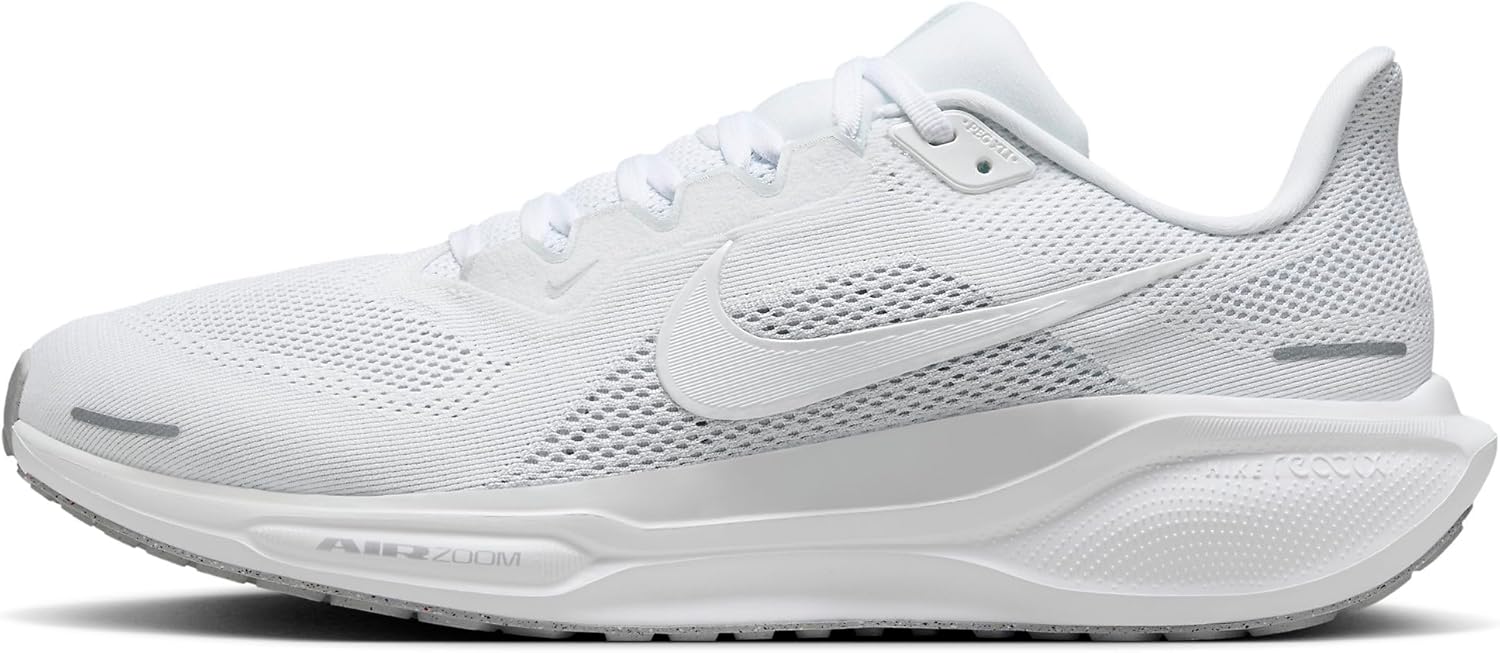
Currex’s flagship adaptive arch technology — the orthotic flexes with your gait instead of fighting it. Different stiffness zones along the length give you targeted support at the heel, midfoot, and forefoot. Available in three arch heights (low/medium/high).
✓ Pros
- Dynamic flex zones adapt to natural gait cycle
- Three arch heights ensure precise fit
- Lighter than rigid orthotics (no ‘heavy foot’ feel)
- Excellent for runners and athletic walkers
- European podiatric design (German engineering)
✗ Cons
- More expensive than PowerStep Original ($55-65 typically)
- Less aggressive correction than Pinnacle Maxx for severe cases
- Three arch heights means you must self-select correctly
Dr. Tom’s Recommendation: I started recommending Currex three years ago for runners who said PowerStep felt ‘too rigid.’ The dynamic flex zones respect natural gait. Best for active patients who walk 8K+ steps daily and don’t need maximum motion control.
Running-Specific · Heel Strike + Forefoot Strike Compatible
Currex’s purpose-built running orthotic. The midfoot flex zone is positioned for runner’s gait mechanics, with a flared heel cushion for heel strikers and a forefoot rocker for midfoot/forefoot strikers. Tested on 1000+ runners during product development.
✓ Pros
- Designed by German biomechanics lab specifically for runners
- Dynamic arch flexes with running gait (not static like PowerStep)
- Three arch heights (low/medium/high)
- Reduces overuse injury risk in mid-distance runners
- Lightweight (no impact on cadence)
✗ Cons
- Premium price ($60-75)
- Not aggressive enough for severe over-pronators (use Pinnacle Maxx)
- Runner-specific design = less ideal for daily walking shoes
Dr. Tom’s Recommendation: If a patient runs 20+ miles per week and has plantar fasciitis or shin splints, this is the orthotic I prescribe. The dynamic flex zones respect running biomechanics in a way that no rigid PowerStep can match. Pricier but worth it for serious runners.
Cavus Foot & High-Arch Patients
Polyurethane base with a deeper heel cup and higher arch profile than PowerStep — built for cavus (high-arched) feet that need maximum cushion and support. The 5-zone cushioning system addresses the unique pressure points of high-arch feet.

✓ Pros
- Deeper heel cup centers the heel for cavus foot stability
- Higher arch profile fills the void under high arches
- 5-zone cushioning addresses cavus foot pressure points
- Polyurethane base lasts 12+ months
- Available in Wide width
✗ Cons
- Too tall/aggressive for normal or low arches
- Won’t fit slim dress shoes
- Pricier than PowerStep Original
- Some patients find the arch height uncomfortable initially
Dr. Tom’s Recommendation: Cavus foot patients are often misdiagnosed and given low-arch orthotics — that makes everything worse. Spenco’s Total Support has the arch profile that high-arch feet actually need. About 15% of my patients have cavus feet; this is what they wear.
Cushion Layer · Standing All Day · Gel Pressure Relief
NOT a true biomechanical orthotic — this is a cushion insole. But for patients who want gel pressure relief instead of arch correction (or to add ON TOP of factory insoles in work boots), this is the best gel option on Amazon.

✓ Pros
- Genuine gel cushioning (not foam pretending to be gel)
- Targeted gel waves under heel and ball of foot
- Trim-to-fit · works in most shoe types
- Sub-$15 price (most affordable option in this list)
- Massaging texture is genuinely soothing
✗ Cons
- ZERO arch support — this is cushion only
- Won’t fix plantar fasciitis or flat-foot issues
- Compresses faster than PowerStep (4-6 months)
- Top cover wears through in high-mileage applications
Dr. Tom’s Recommendation: I recommend these to patients who tell me ‘I just want my feet to stop hurting at the end of my shift’ and who don’t have a biomechanical issue. Construction workers, factory workers, retail. Pure cushion does the job for them.
Tight-Fitting Shoes · Cycling Shoes · Hockey Skates
Superfeet’s slim version of their famous Green insole. The trademark stabilizer cap is preserved but the overall thickness is reduced — works in cycling shoes, hockey skates, ski boots, and other tight-fitting footwear that the standard Superfeet Green can’t fit into.

✓ Pros
- Stabilizer cap centers the heel (Superfeet’s signature feature)
- Slim profile fits tight athletic footwear
- Lasts 12+ months daily wear
- Excellent for cycling shoes specifically
- Built-in odor-control treatment
✗ Cons
- Premium price ($45-55)
- Less cushion than PowerStep equivalents
- Not as aggressive correction as Pinnacle Maxx for flat feet
- The signature ‘heel cup feel’ takes 1-2 weeks to adapt to
Dr. Tom’s Recommendation: If you’re a cyclist with foot numbness, hot spots, or knee pain — this is the orthotic. The stabilizer cap solves cycling-specific biomechanical issues that no other orthotic addresses. Worth the premium for athletes.
None of these solving your foot pain?
Some patients (about 30%) need custom-molded prescription orthotics. We make 3D-scanned custom orthotics in our Howell and Bloomfield Township offices — specifically built for your foot mechanics.
Schedule a Custom Orthotic Fitting →FSA/HSA eligible · Most insurance accepted · (810) 206-1402
In-Office Treatment at Balance Foot & Ankle
If home treatment isn’t providing relief for your foot pain, our podiatry team at Balance Foot & Ankle can help with same-week evaluations and advanced in-office care.
Same-week appointments available. (810) 206-1402
Learn about our footwear guidance and orthotics → | Book online →
VitaMedica Arnica Gel
Arnica gel plus 15 plant compounds for sore feet, plantar fasciitis flares and post-activity soreness. Apply a thin layer to the sore area.
Shop VitaMedica Arnica Gel →Frequently Asked Questions
How long do these shoes last?
Quality running shoes last 300-500 miles. Daily walking shoes last 9-12 months. Replace when the midsole feels soft or your symptoms return.
Should I add insoles?
Yes if you have plantar fasciitis or overpronation. Powerstep Pinnacle or a custom orthotic improves results. Healthy feet often do fine with the stock insole.
Are expensive shoes worth it?
Beyond about $130 most extra cost is materials and aesthetics. Match the shoe to your foot type, not budget. The right $80 stability shoe beats the wrong $250 maximalist shoe.

Dr. Tom Biernacki, DPM is a board-certified foot & ankle surgeon (ABFAS & ABPM) at Balance Foot & Ankle Specialists in Southeast Michigan. With over a decade of clinical experience, he specializes in heel pain, bunions, diabetic foot care, sports injuries, and minimally invasive surgery. Dr. Biernacki is a member of the APMA and ACFAS, and his patient education content on MichiganFootDoctors.com and YouTube has made him one of the most-followed foot & ankle educators on YouTube.