
Medically reviewed by Dr. Tom Biernacki, DPM
Board-certified podiatric surgeon | Balance Foot & Ankle, Howell & Bloomfield Township, MI
Last reviewed: May 2026

Quick answer: Big Toe Pain 2 has multiple potential causes including mechanical, neurological, vascular, and inflammatory. The most common causes we identify are overuse, ill-fitting shoes, and biomechanical imbalance. Red flags requiring urgent evaluation: warmth/redness (infection), inability to bear weight (fracture), and unilateral swelling without injury (DVT). Call (810) 206-1402.
Quick Answer · From Dr. Biernacki
The 12 most common causes of big toe pain are bunion (hallux valgus), hallux rigidus (big toe arthritis), gout, sesamoiditis, turf toe, ingrown toenail, sub-ungual hematoma, hammertoe, sesamoid fracture, capsulitis of the 1st MTP, hallux limitus, and Morton's extension overload. The two-question screen most podiatrists use first: (1) Is the pain at the joint base (bunion, arthritis, gout) or under the toe (sesamoiditis, sesamoid fracture)? (2) Is it sudden & severe (gout, turf toe, fracture) or gradually worsening (arthritis, bunion, capsulitis)? Most cases respond to wider-toebox shoes, a stiffer carbon-fiber insole, and a Morton's extension — but red-flag pain (sudden, severe, hot, can't bear weight) needs a same-week podiatrist visit.
In this guide ↓
- The 12 causes of big toe pain — ranked by frequency
- Where it hurts: joint vs underneath vs nail — what each means
- Sudden severe pain: gout, turf toe, fracture — how to tell
- Carbon-fiber insoles, Morton's extensions, and rocker-bottom shoes
- When you need an X-ray, MRI, or joint aspiration
- Conservative care that works vs surgical fusion vs implant options
Big Toe Pain: Quick Answer
Big toe pain has 12 common causes: hallux rigidus (big toe arthritis), bunion (hallux valgus), gout (acute crystal arthritis — sudden severe pain, redness, warmth), turf toe (sprain from forced hyperextension), broken big toe / fractured hallux, ingrown toenail, sesamoiditis (inflammation of the small bones beneath the big toe), Morton’s neuroma in 1st-2nd interspace (“Joplin’s neuroma”), psoriatic arthritis dactylitis (“sausage toe”), nerve compression (deep peroneal nerve), arthritis of the 1st MTP joint, or simply shoe-related pressure. Pinpointing where in the big toe it hurts (joint vs nail vs tip vs side) plus when it hurts (morning vs evening, with activity vs rest) typically narrows the diagnosis. The big toe bears 40% of body weight during push-off — any persistent pain warrants podiatrist evaluation to prevent gait changes that cause secondary problems.
Why Big Toe Pain Matters
The big toe (hallux) is the most important toe — it bears 40% of body weight during push-off in normal gait. Pain that limits big toe function changes how you walk, leading to: compensatory pain in the lateral foot, knee, hip, and lower back; metatarsalgia (forefoot pain on toes 2-5 from increased load); altered gait that wears the opposite leg.
Even mild big toe pain that lasts more than 2 weeks deserves attention. Untreated big toe problems often progress and become harder to treat — a small bunion that’s painless can become a severe deformity over years; mild hallux rigidus can progress to end-stage arthritis requiring fusion.
Cause #1: Hallux Rigidus (Big Toe Arthritis)
Symptoms: Pain and stiffness in the big toe joint, especially with bending the toe up. Visible bony enlargement on top of the joint. Pain worse with push-off in walking. Numbness on the dorsum of the toe from compression of small nerves by the bony exostosis.
Stages: Stage 1 (mild) — pain only with extreme dorsiflexion. Stage 2 (moderate) — pain with regular activity, visible bone spur. Stage 3 (severe) — significant joint space loss, daily pain. Stage 4 (end-stage) — completely fused or nearly so, may need surgery.
Treatment: Stiff-soled or rocker-bottom shoes; custom orthotics with Morton’s extension (rigid plate under the big toe to prevent dorsiflexion); NSAIDs; intra-articular cortisone injections. Failed conservative care: cheilectomy (shaving the bone spur and degenerated cartilage) for stages 1-2; 1st MTP fusion for stages 3-4. See our hallux rigidus complete guide.
Cause #2: Bunion (Hallux Valgus)
Symptoms: Visible bump on the inside of the big toe joint; pain in shoes (especially narrow toe boxes); the big toe drifts toward the 2nd toe; sometimes hammertoe of the 2nd toe from displacement.
Causes: Genetic (most common — runs in families), shoe-induced (narrow toe boxes), foot biomechanics (overpronation, hypermobile 1st TMT joint).
Treatment: Wide toe-box shoes; gel toe spacers; bunion pads; custom orthotics. Failed conservative care: surgical correction (Austin/chevron osteotomy for mild-moderate; Lapiplasty 3D correction for moderate-severe). See our bunion treatment guide.
Cause #3: Gout (Podagra)
Symptoms: Sudden onset (often overnight) of severe pain in the big toe joint. Redness, warmth, swelling. Skin looks shiny and tense. Exquisitely tender (cannot tolerate even a bedsheet touching).
Diagnosis: Serum uric acid (often >7 mg/dL during attack); joint fluid aspiration showing negatively birefringent needle-shaped crystals (gold standard).
Acute treatment: NSAIDs (indomethacin or ibuprofen 800mg every 8 hours), colchicine (1.2mg, then 0.6mg one hour later), or oral steroids (prednisone 30-40mg/day x 5 days). Treatment within 24 hours of onset works best.
Long-term: Allopurinol 100-300mg/day to lower uric acid. Lifestyle: low-purine diet, alcohol moderation, hydration.
Cause #4: Turf Toe (1st MTP Hyperextension Sprain)
Specific big-toe sprain from forced hyperextension. Common in football players on artificial turf, soccer players, dancers.
Symptoms: Sudden pain at the time of injury (forced upward bending of the toe). Swelling and bruising develop over hours to days. Painful weight-bearing especially during push-off.
Treatment: Immobilization in a stiff-soled shoe or CAM walker boot for 4-8 weeks (depending on severity). Carbon fiber shoe insert prevents big toe bending during recovery. Physical therapy. Severe cases (Grade 3 with capsular tear): possible surgical repair.
Cause #5: Broken Big Toe / Fractured Hallux
Distal phalanx fractures (most common) usually from stubbing or dropped objects. Proximal phalanx fractures often from twisting injuries.
Symptoms: Immediate severe pain, possible “pop” sensation, rapid swelling, bruising, deformity, inability to bear weight comfortably.
Treatment: X-ray confirms. Buddy-tape to the 2nd toe; stiff-soled shoe for 3-6 weeks; CAM walker boot for displaced fractures; surgical fixation rare except for displaced articular fractures or open fractures. See our broken big toe guide.
Cause #6: Ingrown Toenail
A piece of nail embedded in the surrounding skin causes localized inflammation, swelling, and (if infected) pus. Most common on the big toe.
Treatment: Mild cases: warm Epsom salt soaks twice daily for 7-10 days. See our protocol. Recurrent or infected cases: partial nail avulsion with phenol-cauterization (<5% recurrence rate).
Causes #7-12: Sesamoiditis, Joplin Neuroma, Dactylitis, Nerve Compression, Other
Sesamoiditis: Inflammation of the two small sesamoid bones beneath the big toe. Pain when bearing weight on the ball of the foot, especially with push-off. Treatment: dancer’s pads, cushioned shoes, taping, NSAIDs.
Joplin’s neuroma: Compression neuroma of the medial digital nerve to the big toe. Numbness and tingling on the medial big toe. Treatment: wider shoes, possible cortisone injection, rarely surgery.
Psoriatic dactylitis (“sausage toe”): Diffuse swelling of the entire toe in psoriatic arthritis. Often associated with skin psoriasis or nail pitting. Treatment: methotrexate, biologics, dermatology coordination.
Deep peroneal nerve compression: Numbness in the 1st-2nd web space. Usually from tight shoe straps. Treatment: shoe modification.
Shoe-related pressure: Common cause of mild big toe pain. Always assess shoe fit first — proper space (thumb-width) between the longest toe and the front of the shoe.
When to See a Podiatrist
Appointment if: pain persists more than 2 weeks; sudden severe red, hot, painful joint (rule out gout); inability to bear weight; visible deformity or progressive bunion; numbness or tingling; recent trauma with persistent pain; you have diabetes (any new toe problem warrants expert evaluation). At Balance Foot & Ankle we offer online booking 24/7 with on-site X-ray and ultrasound capability.
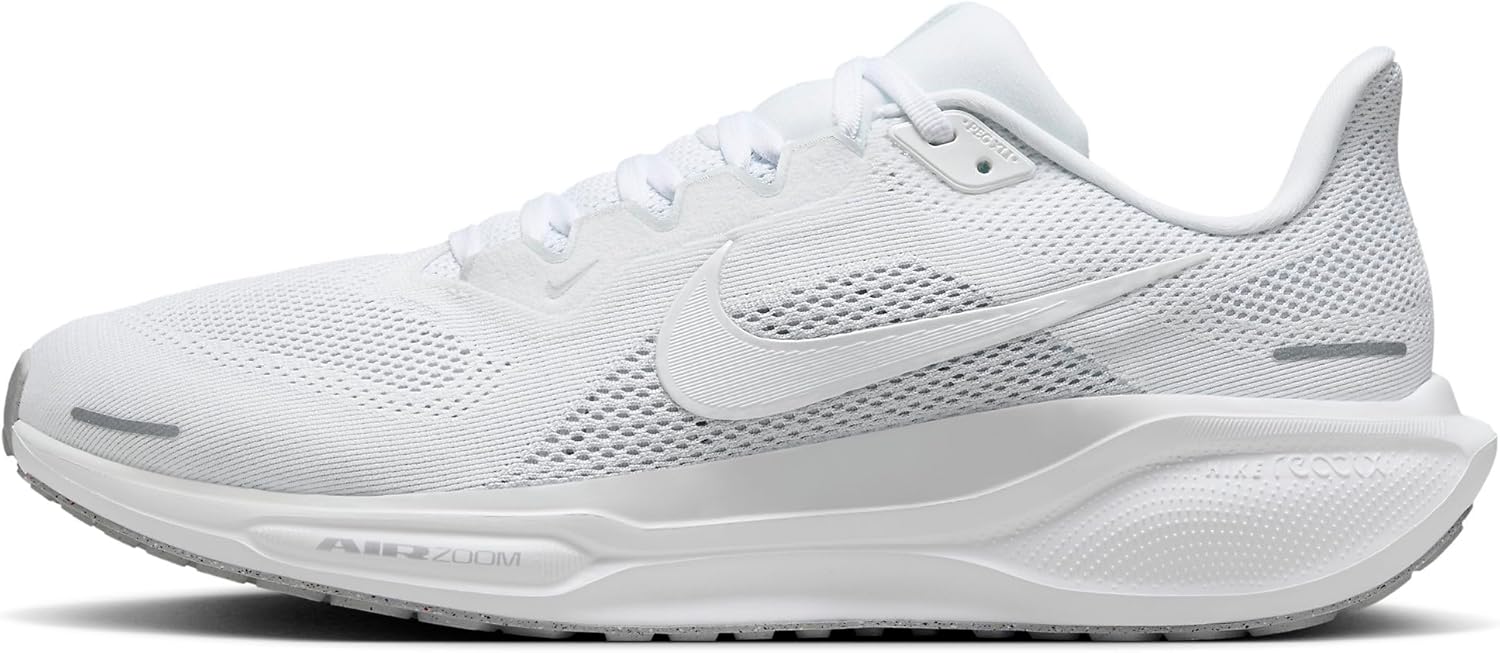
When Shoes Aren’t Enough — Dr. Tom’s Top 9 Orthotics
About 30% of patients I see for foot pain need MORE than a great shoe — they need a structured insole. Below: my complete 2026 orthotic ranking with pros, cons, and the specific patient I’d give each one to.




Frequently Asked Questions About Big Toe Pain
What causes big toe pain when walking?
Most commonly: hallux rigidus (arthritis – stiffness with dorsiflexion), bunion (medial bump worse in tight shoes), turf toe (after hyperextension), or sesamoiditis (pain bearing weight on ball of foot).
How do I know if my big toe pain is gout?
Sudden severe pain (often overnight), red hot swollen joint, exquisitely tender (can’t tolerate bedsheet touching). Serum uric acid >7 mg/dL during attack confirms.
Should I see a doctor for big toe pain?
Appointment if: pain >2 weeks, sudden severe red hot joint, can’t bear weight, visible deformity, numbness, after trauma, or diabetic patient.
What does big toe arthritis feel like?
Pain and stiffness in the big toe joint, worse with bending the toe up, visible bony enlargement on top of the joint, pain with push-off during walking.
Can a bunion cause big toe pain?
Yes — bunions cause pain at the medial 1st MTP joint, especially in narrow toe boxes. Pain often worse with activity, better in wide shoes or barefoot.
Why does my big toe hurt at night?
Most common: gout (sudden onset, often awakens patient from sleep). Less common: severe hallux rigidus, infection, or referred pain from L5 radiculopathy.
Can shoes cause big toe pain?
Yes — narrow toe boxes (high heels, dress shoes, pointed running shoes) cause bunion pain, hallux rigidus exacerbation, and ingrown toenails. Wide toe-box shoes solve many cases.
Related Resources from Balance Foot & Ankle
- Hallux Rigidus (Big Toe Arthritis)
- Bunion Treatment Complete Guide
- Lapiplasty 3D Bunion Correction
- Big Toe Numb – 8 Causes
- Broken Big Toe
- Ingrown Toenail Warm Soak
- Sesamoiditis Taping
Frequently Asked Questions
When should I see a doctor?
See a podiatrist if pain persists past 2 weeks, prevents normal activity, or is accompanied by red-flag symptoms (warmth, swelling, numbness, inability to bear weight).
Can I treat this at home?
Mild cases respond to RICE protocol (rest, ice, compression, elevation), supportive shoes, and OTC anti-inflammatories. Persistent symptoms need professional evaluation.
How long does it take to heal?
Most soft tissue injuries resolve in 2-6 weeks with appropriate care. Bone injuries take 6-12 weeks. Chronic conditions need longer-term management.

Dr. Tom Biernacki, DPM is a board-certified foot & ankle surgeon (ABFAS & ABPM) at Balance Foot & Ankle Specialists in Southeast Michigan. With over a decade of clinical experience, he specializes in heel pain, bunions, diabetic foot care, sports injuries, and minimally invasive surgery. Dr. Biernacki is a member of the APMA and ACFAS, and his patient education content on MichiganFootDoctors.com and YouTube has made him one of the most-followed foot & ankle educators on YouTube.