
Medically reviewed by Dr. Tom Biernacki, DPM
Board-certified podiatric surgeon | Balance Foot & Ankle, Howell & Bloomfield Township, MI
Last reviewed: May 2026

Quick answer: Bunion Shoes Men is a common foot/ankle topic that affects many patients. The 2026 evidence-based approach combines proper diagnosis, conservative-first treatment, and escalation only when needed. We treat this regularly at our Howell and Bloomfield Township practices. Call (810) 206-1402.
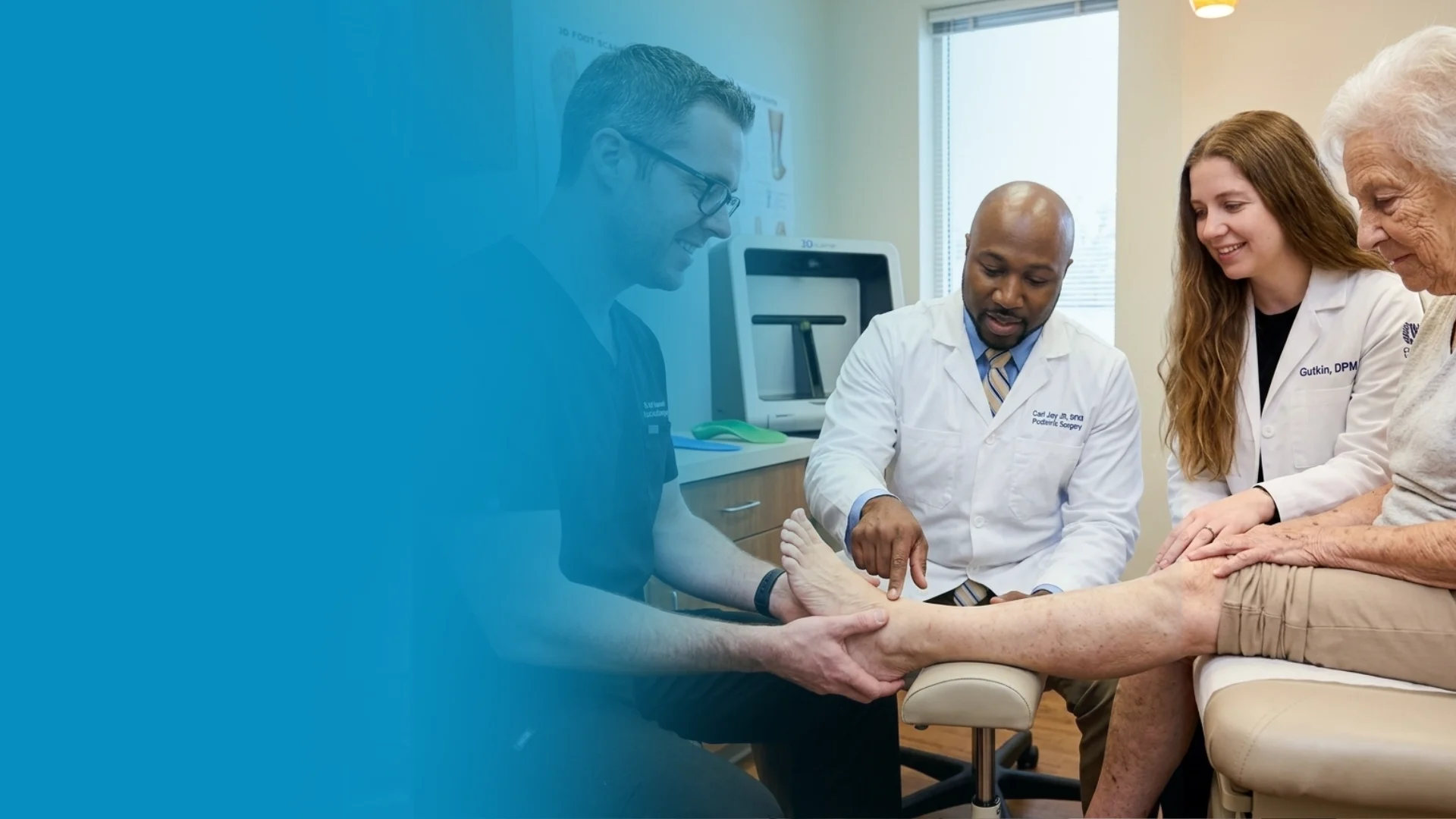
The most important clinical decision with Bunion Shoes Men isn’t which treatment to start with — it’s identifying the correct subtype. That changes everything. Call (810) 206-1402.
Bunion Shoes Men: Quick Answer
Bunions affect 10-15% of men – and most assume they have to wear orthopedic shoes. Modern athletic and dress shoes have wide-toe options that accommodate bunions without sacrificing style. We help dozens of men with bunions each month at Balance Foot and Ankle. Here are our 9 favorite mens bunion shoe picks for 2026.
What to Look for in Mens Bunion Shoes
Wide toe box (4+ inches at the ball of foot in size 10). Soft uppers that stretch over the bunion. Wide widths available (4E or wider). Removable insoles for custom orthotics. Forefoot cushioning. Avoid: pointed toes, narrow shoes, stiff dress shoes, shoes too small (most common bunion mistake).
1. Hoka Bondi 8 (Best Athletic – Wide)
Maximum cushioning, wide width available, soft mesh upper. Pros: Best athletic shoe for moderate-severe bunions. Cons: Bulky look, $165. Get the wide width.
2. New Balance 990v6 (Best Daily Wear)
Iconic American-made design, wide widths to 4E, soft suede + mesh upper. Pros: Stylish for casual/work wear, accommodates orthotics, durable. Cons: $200.
3. Allen Edmonds Park Avenue (Best Dress)
Premium leather oxford in wide widths to 3E, soft leather molds to bunion. Pros: Best dress shoe for bunions. Cons: Pricey at $400. Cobbler can stretch further if needed.
4. Brooks Beast 20 (Maximum Support)
Wide widths to 4E, deep toe box, accommodating fit. Pros: Best for bunion + flat feet/overpronation. Cons: Heavy and bulky.
5. Birkenstock Boston Soft Footbed Clogs
Cork-latex anatomic footbed leaves room for bunion, suede upper. Pros: Best for casual indoor/outdoor wear with bunions. Cons: Distinctive Birkenstock look. $145-$165.
6. Cole Haan ZeroGrand Wingtip
Wider toe box than typical dress shoes, soft leather, lightweight. Pros: Stylish dress option for bunions. Cons: Less premium feel than Allen Edmonds. $220.
7. Skechers Slip-Ins for Men
No-bend design, memory foam insole, wide toe box. Pros: Easy on/off for arthritis or limited mobility, accommodates orthotics. Cons: Less support than athletic shoes. $80-$100.
8. Drew Mens Diabetic Shoes
Extra-depth, multiple styles (athletic, dress, casual, sandal, work). Pros: Maximum bunion accommodation, Medicare-coverable for qualifying diabetics. Cons: Less stylish than mainstream brands. $80-$150 self-pay or Medicare.
9. Custom Orthotic + Wide Shoe
For severe bunions: custom orthotic with metatarsal pad shifts pressure off the bunion area, paired with any wide-toe-box shoe. $400-$600 for orthotics; insurance often covers if medically necessary.
Shoes That Make Mens Bunions Worse
Pointed dress shoes: Compress bunion, accelerate progression. Cowboy boots with narrow toes: Major bunion aggravator. Stiff leather oxfords without break-in: Rub on prominent joints. Steel-toe work boots if too narrow. Athletic shoes too small: Most common cause of bunion progression.
When Surgery Is the Answer
No shoe will reverse a bunion. If shoes plus custom orthotics no longer relieve pain, or if the bunion is rapidly worsening or limiting activity, surgical correction may be needed. Modern minimally invasive bunion surgery (MIBS) allows same-day weight-bearing in surgical shoe and 4-6 week recovery. Schedule a bunion consultation at our Howell or Bloomfield Township office.
When Shoes Aren’t Enough — Dr. Tom’s Top 9 Orthotics
About 30% of patients I see for foot pain need MORE than a great shoe — they need a structured insole. Below: my complete 2026 orthotic ranking with pros, cons, and the specific patient I’d give each one to.


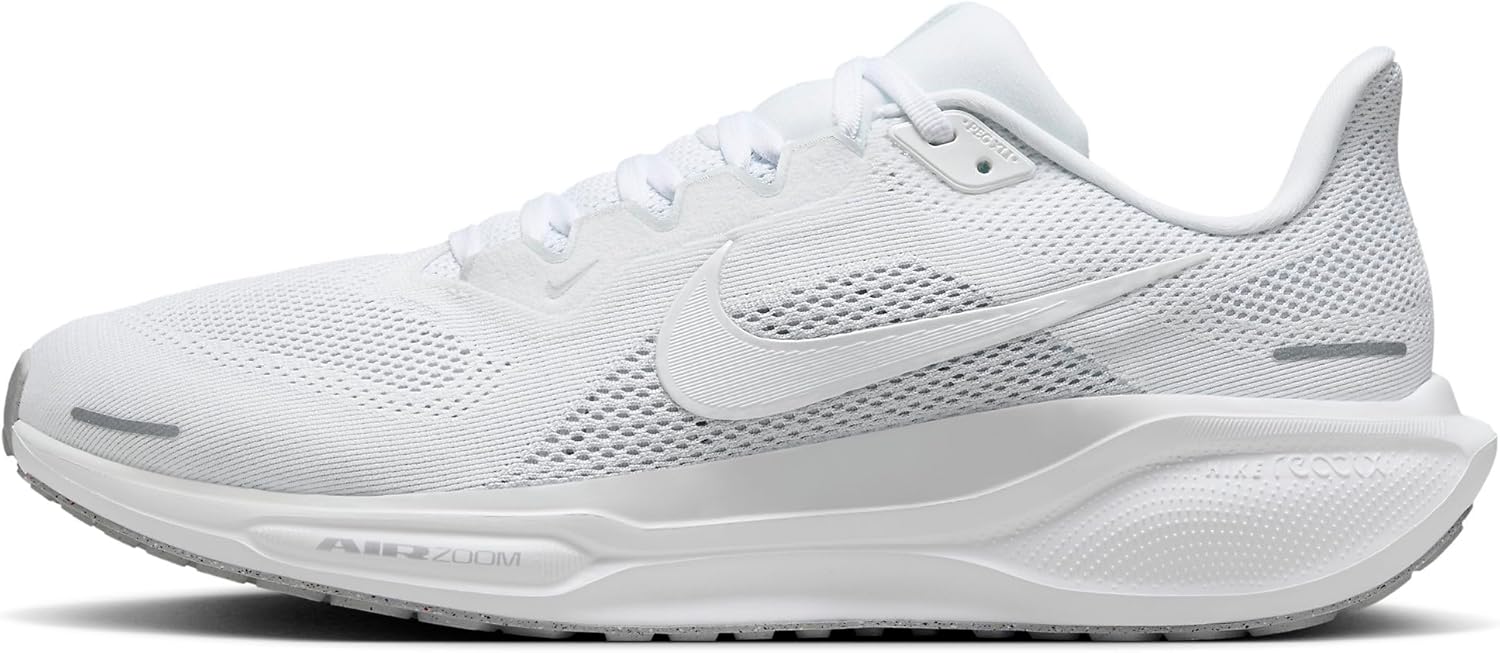


Podiatrist-Recommended Products

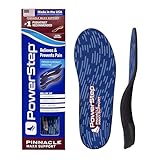
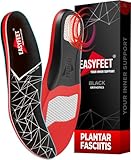

In-Office Treatment at Balance Foot & Ankle
If home treatment isn’t providing relief for your bunions, our podiatry team at Balance Foot & Ankle can help with same-day evaluations and advanced in-office care.
Frequently Asked Questions About Bunion Shoes Men
What shoes are best for mens bunions?
Athletic: Hoka Bondi (wide), Brooks Beast (wide), New Balance 990v6 (wide). Dress: Allen Edmonds Park Avenue (wide), Cole Haan ZeroGrand. Casual: Birkenstock Boston, Skechers Slip-Ins.
Can mens dress shoes accommodate bunions?
Yes – look for soft leather oxfords in wide widths (3E or 4E). Allen Edmonds Park Avenue and Cole Haan ZeroGrand are good choices. A cobbler can stretch leather further if needed.
Will the right shoes prevent bunion surgery?
Yes – wide-toe-box shoes plus custom orthotics relieve pain and slow progression in 70-80% of bunions. Surgery is reserved for cases where conservative care fails.
What is the worst shoe for bunions?
Pointed-toe dress shoes, narrow cowboy boots, stiff oxfords without break-in, athletic shoes too small, and any shoe that compresses the toes laterally.
Are work boots bad for bunions?
Standard work boots can be problematic if too narrow. Choose work boots in wide widths (3E or wider) with soft uppers. Brands: Red Wing King Toe, Wolverine W10080, Carolina (wide options).
Should I see a podiatrist for my bunion?
Yes – even mild bunions benefit from biomechanical evaluation, custom orthotics if appropriate, and shoe recommendations. Early intervention slows progression and may prevent surgery.
Can custom orthotics shrink bunions?
No – orthotics manage symptoms and slow progression but do not reverse the bony deformity. Surgery is the only way to correct the underlying anatomy.
Related Resources from Balance Foot & Ankle
What is Bunion?
Bunion is a common foot/ankle condition that affects mobility and quality of life. Understanding the underlying cause is the first step in successful treatment. Our podiatrists at Balance Foot & Ankle perform a hands-on biomechanical exam, review your activity history, and use diagnostic imaging when appropriate to identify the root cause—not just treat the symptom. Many patients have been told to “rest and ice” without a deeper diagnostic workup; our approach is different.
Symptoms and warning signs
Common signs of bunion include pain that worsens with activity, morning stiffness, swelling, tenderness when palpated, and difficulty bearing weight. If you experience sudden severe pain, inability to walk, visible deformity, numbness or color change, contact our office the same day or visit urgent care—these can signal a more serious injury such as a fracture, tendon rupture, or vascular compromise. Diabetics with any foot wound should seek same-day care.
Conservative treatment options
Most cases of bunion respond to non-surgical care: structured rest, supportive footwear changes, custom orthotics, targeted stretching and strengthening protocols, anti-inflammatory medications when medically appropriate, and in-office procedures such as ultrasound-guided injections. We also offer advanced therapies including MLS laser therapy, EPAT/shockwave, regenerative injections, and image-guided procedures. Treatment is sequenced from least invasive to most invasive, and we explain the rationale at every step.
When is surgery considered?
Surgery is reserved for cases that fail 3-6 months of well-structured conservative care, when there is structural pathology (severe deformity, complete tear, advanced arthritis), or when imaging shows damage that will not heal without intervention. Our surgeons have performed 3,000+ foot and ankle procedures and prioritize minimally-invasive techniques whenever appropriate. We discuss recovery timelines, return-to-activity milestones, and realistic outcome expectations before any procedure is scheduled.
Recovery timeline and prevention
Recovery from bunion varies based on severity and chosen treatment path. Conservative cases often improve within 4-8 weeks with consistent adherence to the protocol. Post-procedural recovery may range from a few days (in-office procedures) to several months (reconstructive surgery). Long-term prevention involves footwear assessment, activity modification, structured strengthening, and regular check-ins with your podiatrist if you have a history of recurrence. We provide written home-exercise plans and digital follow-up support.
Ready to Get Relief?
Same-day appointments available in Howell & Bloomfield Township, MI
4.9★ | 1,123 Reviews | 3,000+ Surgeries
Or call: (810) 206-1402

Dr. Tom Biernacki, DPM is a board-certified foot & ankle surgeon (ABFAS & ABPM) at Balance Foot & Ankle Specialists in Southeast Michigan. With over a decade of clinical experience, he specializes in heel pain, bunions, diabetic foot care, sports injuries, and minimally invasive surgery. Dr. Biernacki is a member of the APMA and ACFAS, and his patient education content on MichiganFootDoctors.com and YouTube has made him one of the most-followed foot & ankle educators on YouTube.