

Quick answer: Complex Regional Pain Syndrome Foot Ankle Michigan has multiple potential causes including mechanical, neurological, vascular, and inflammatory. The patterns we see most often are overuse, poorly-fitted shoes, and biomechanical imbalance. Red flags requiring urgent evaluation: warmth/redness (infection), inability to bear weight (fracture), and unilateral swelling without injury (DVT). Book online, or call (810) 206-1402.
Medically reviewed by Dr. Tom Biernacki, DPM · Board-Certified Podiatric Surgeon · Last reviewed: April 2026 · Editorial Policy
The most important clinical decision with Complex Regional Pain Syndrome Foot Ankle Michigan isn’t which treatment to start with — it’s identifying the correct subtype. That changes everything. Call (810) 206-1402.
Quick Answer
Complex Regional Pain Syndrome (CRPS) Foot & Ankle Trea relates to foot pain — typically caused by overuse, footwear, or biomechanics. Most patients improve in 6-12 weeks with conservative care. Same-week appointments in Howell + Bloomfield Township: (810) 206-1402.

▶ Watch
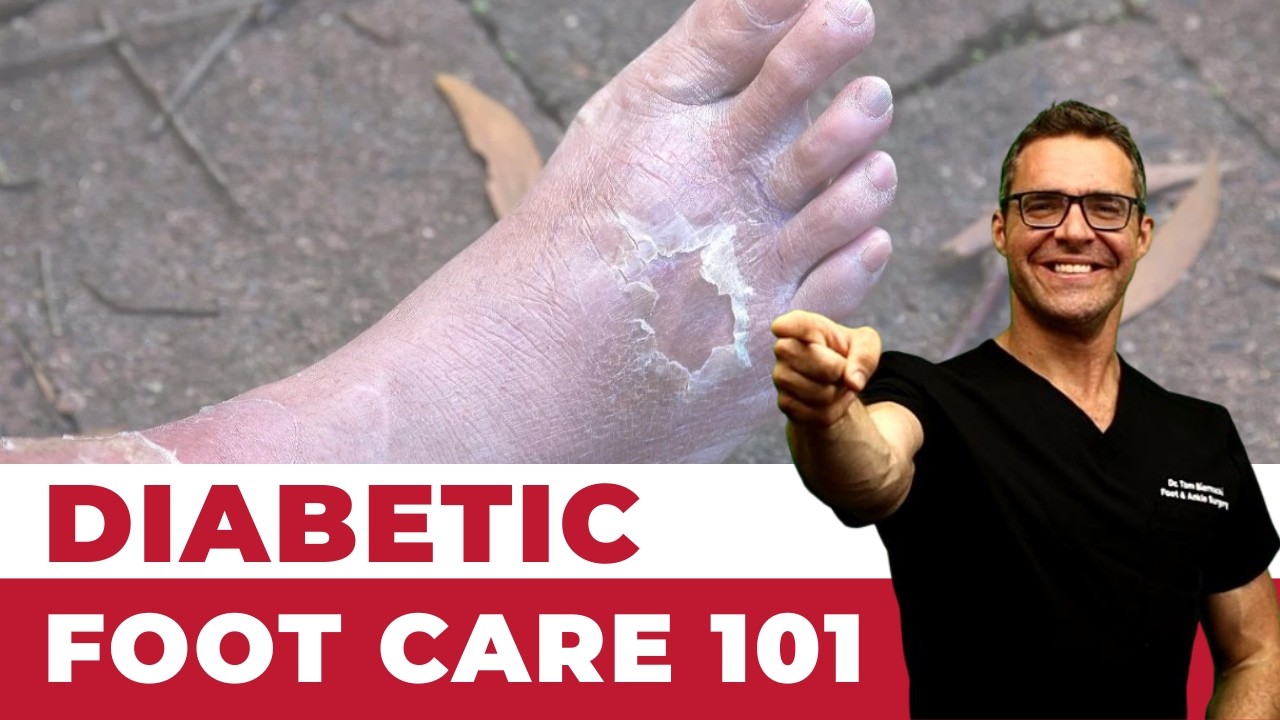
Medically Reviewed by Dr. Tom Biernacki, DPM — Board-Certified Podiatrist, Balance Foot & Ankle Specialists, Michigan. Last updated April 2026.
Complex regional pain syndrome (CRPS) of the foot and ankle is a debilitating neuropathic pain condition characterized by burning pain, skin color and temperature changes, and severe allodynia far out of proportion to the original injury. Dr. Tom Biernacki, DPM, at Balance Foot & Ankle in Howell and Bloomfield Township, Michigan, participates in multidisciplinary CRPS management, coordinating with pain management and neurology to improve outcomes for this challenging condition.
Quick Answer: What Is CRPS of the Foot?
Complex regional pain syndrome (formerly called reflex sympathetic dystrophy or RSD) is a chronic neuropathic pain condition where the nervous system produces pain signals that are disproportionate to and outlast the original injury. In the foot and ankle, CRPS typically begins after a fracture, ankle sprain, surgery, or minor trauma and produces burning pain, swelling, skin discoloration (red, purple, or mottled), abnormal sweating, hair and nail changes, and extreme sensitivity to touch (allodynia). Early diagnosis and aggressive multidisciplinary treatment within 3–6 months of onset significantly improves prognosis. Most cases require pain management specialist involvement for nerve blocks and pharmacotherapy alongside podiatric care.
Types of CRPS: Type I vs Type II
CRPS is classified into two types. CRPS Type I (formerly reflex sympathetic dystrophy, RSD): occurs without identifiable nerve injury, typically after fracture, soft tissue injury, immobilization, or surgery. This is the most common type and accounts for approximately 90% of CRPS cases. CRPS Type II (formerly causalgia): occurs with confirmed nerve injury — a specific nerve is identified as damaged (e.g., sural nerve after ankle surgery, superficial peroneal nerve after fracture). The clinical presentation and treatment are similar for both types, though Type II requires earlier neurosurgical evaluation for nerve decompression or repair in select cases.
Budapest Criteria: Diagnosing CRPS
CRPS is diagnosed clinically using the Budapest Criteria, which require symptoms in at least 3 of 4 categories: (1) Sensory: hyperalgesia (increased pain to painful stimulus) or allodynia (pain to non-painful stimulus such as light touch or clothing); (2) Vasomotor: skin temperature asymmetry or skin color changes (red, blue, mottled, pale); (3) Sudomotor/edema: sweating asymmetry or swelling; (4) Motor/trophic: decreased range of motion, weakness, tremor, or changes in nails, hair, or skin. Symptoms must be present in at least 2 of these categories on clinical examination. The Budapest Criteria have 85% sensitivity and 69% specificity for CRPS diagnosis. No single laboratory test or imaging study confirms CRPS — it remains a clinical diagnosis, though bone scan, MRI, and quantitative sensory testing provide supportive evidence.
Stages of CRPS: Acute, Dystrophic, and Atrophic
CRPS traditionally progresses through three stages, though the stages do not universally occur in sequence in all patients. Acute stage (0–3 months): burning pain, warmth, redness, edema, and rapid hair and nail growth — the sympathetic nervous system is in an excited state. Dystrophic stage (3–6 months): skin becomes cool and cyanotic, edema becomes brawny (hard), range of motion decreases from guarding, X-ray shows spotty osteoporosis (Sudeck’s atrophy). Atrophic stage (>6 months): skin is atrophic, shiny, and cool; severe joint contractures; irreversible trophic changes. Early diagnosis — catching CRPS in the acute stage — dramatically improves outcomes. Patients presenting in the atrophic stage have substantially worse prognoses and often require long-term pain management rather than resolution.
Treatment Modalities: The Multidisciplinary Approach
CRPS requires simultaneous treatment across multiple modalities — no single intervention resolves it. Physical and occupational therapy: graded motor imagery (GMI), mirror visual feedback, and desensitization are the highest-evidence physical therapies. Aggressive passive range of motion without desensitization can worsen symptoms. Pain management interventions: lumbar sympathetic nerve blocks (for lower extremity CRPS) provide temporary relief and diagnostic confirmation. Spinal cord stimulation (SCS) has strong evidence for CRPS refractory to conservative care — 50–70% of patients achieve >50% pain reduction. Pharmacotherapy: first-line agents include NSAIDs, gabapentin/pregabalin, tricyclic antidepressants (amitriptyline), and low-dose naltrexone. Bisphosphonates (alendronate) reduce bone involvement in acute CRPS. Podiatric role: offloading and orthotics to prevent secondary structural deformity from guarding postures; wound care for trophic ulcers; nail care for dystrophic nail changes; ankle-foot orthosis (AFO) to prevent equinus contracture from immobilization.
Post-Surgical CRPS: A Recognized Complication
CRPS is a recognized complication of foot and ankle surgery occurring in approximately 1–5% of procedures, with higher rates after calcaneal fracture surgery, total ankle replacement, and procedures requiring extensive soft tissue dissection. Risk factors include pre-existing anxiety/depression, perioperative pain catastrophizing, poor perioperative pain control, and tight cast/splint application. Post-surgical CRPS must be differentiated from normal postoperative pain, infection, and wound healing complications. The key distinguishing features are pain out of proportion to expected surgical recovery, early skin color or temperature changes, and allodynia to light touch at the surgical site. If you had foot or ankle surgery and your postoperative pain is burning, spreading beyond the surgical site, or accompanied by skin changes, notify your surgeon immediately — early intervention is critical.
Vitamin C for CRPS Prevention
Level 1 evidence from randomized controlled trials shows that Vitamin C supplementation at 500mg daily for 50 days following distal radius or ankle fractures reduces the incidence of CRPS by approximately 70%. The mechanism involves reduction of oxidative stress at the fracture site, which is implicated in sympathetic nervous system sensitization. This intervention is inexpensive, safe, and evidence-based — Dr. Biernacki recommends Vitamin C 500mg daily for all patients following ankle fractures and major foot surgeries. It does not treat established CRPS but is a meaningful prophylactic intervention in high-risk patients.
Differential Diagnosis: What Mimics CRPS in the Foot?
Several conditions can mimic CRPS and must be excluded before establishing the diagnosis. Cellulitis and infection produce skin redness and warmth but are accompanied by systemic fever, elevated WBC, and spreading redness — not allodynia. Peripheral artery disease causes pain and skin color changes but is cool and pallid, not hyperemic — ABI differentiates. Erythromelalgia produces burning and redness with heat but is bilateral, episodic, and relieved by cold — opposite of CRPS triggers. Small fiber neuropathy produces burning pain and sensory changes without the skin and trophic changes of CRPS — skin punch biopsy is diagnostic. Inflammatory arthritis (rheumatoid, psoriatic) produces joint swelling and warmth but lacks the allodynia and skin trophic changes of CRPS — rheumatological workup differentiates.
Red Flags: When Immediate Escalation Is Required
Escalate immediately if: CRPS symptoms develop after foot or ankle surgery and are progressively worsening after week 2 (do not wait for the next scheduled visit — call your surgeon or go to the emergency department for evaluation); joint contractures are developing rapidly (ankle equinus contracture can become permanent within 8 weeks of unresolved severe CRPS); open trophic ulcers appear on the foot (high infection risk, requires urgent wound care); or pain is completely uncontrolled despite multimodal medication (patient in crisis — same-day pain management evaluation needed). Early aggressive intervention in acute CRPS prevents the progression to irreversible atrophic stage changes. Call (810) 206-1402 for urgent podiatric evaluation and rapid referral coordination.
Book a CRPS Evaluation in Michigan
📧 Get Dr. Tom’s Free Lab Test Guide
Discover the 5 lab tests every person over 35 should ask their doctor about — explained in plain English by a board-certified physician.
Dr. Tom Biernacki, DPM, provides podiatric evaluation, orthotic management, and multidisciplinary CRPS coordination at Balance Foot & Ankle in Howell (4330 E Grand River Ave, Howell MI 48843) and Bloomfield Township (43494 Woodward Ave #208, Bloomfield Township MI 48302). Urgent appointments available — call (810) 206-1402 or book online →.
Medically reviewed by Dr. Tom Biernacki, DPM — podiatric physician and surgeon, Howell and Bloomfield Township, Michigan.
🧦 Dr. Tom’s Pick: DASS Medical Compression Socks
📍 Located in Michigan?
Our board-certified podiatrists treat this condition at two convenient locations. Same-day appointments often available.
Medical-grade 15-20 mmHg graduated compression. DASS socks are the brand I recommend most to patients with swollen feet, poor circulation, and post-surgery recovery. Graduated compression means tightest at the ankle, gradually releasing up the leg — promoting upward venous blood flow.
View DASS Compression Socks on Amazon →Affiliate disclosure: As an Amazon Associate, Balance Foot & Ankle earns from qualifying purchases.
Join 950,000+ Learning About Foot Health
Dr. Tom shares honest medical advice, supplement reviews, and treatment guides you won’t find anywhere else.
Subscribe on YouTube →Ready to Get Expert Foot Care?
Dr. Biernacki and our team at Balance Foot & Ankle are accepting new patients in Howell and Bloomfield Township, MI. Most insurances accepted.
Book My Appointment →or call (810) 206-1402
More Podiatrist-Recommended Foot Health Essentials
Hoka Clifton 10


Max-cushion everyday shoe — podiatrist favorite for walking and running.

OOFOS Recovery Slide

Impact-absorbing recovery sandal — wear after long days on your feet.
As an Amazon Associate, Balance Foot & Ankle earns from qualifying purchases. Product recommendations are based on clinical experience; prices and availability shown above update live from Amazon.

When to See a Podiatrist
If foot or ankle pain has been bothering you for more than a few weeks, home care alone may not be enough. Balance Foot & Ankle offers same-week appointments at our Howell and Bloomfield Township clinics — no referral needed in most cases. Bring your current shoes and a short list of symptoms and we’ll build you a treatment plan in one visit.
Call Balance Foot & Ankle: (810) 206-1402 · Book online · Offices in Howell & Bloomfield Township
Pros & Cons of Conservative Care for foot care
Advantages
- ✓ Conservative care first
- ✓ Same-week appointments
- ✓ Multiple insurance accepted
Considerations
- ✗ Self-treatment can mask issues
- ✗ See a podiatrist if pain >2 weeks
Dr. Tom’s Recommended Products for foot care
Affiliate disclosure: As an Amazon Associate, Balance Foot & Ankle earns from qualifying purchases. We only recommend products we use with patients.
Footnanny Heel Cream Dr. Tom’s Pick
Best for: Daily moisturizer for cracked heels
Ready to Get Back on Your Feet?
Same-day appointments in Howell + Bloomfield Township. Most insurance accepted. Dr. Tom Biernacki, DPM & team.
Book Today — Same-Day Appointments Available
Call Now: (810) 206-1402
About Your Care Team at Balance Foot & Ankle
Dr. Tom Biernacki, DPM · Board-Certified Foot & Ankle Surgeon. Specializes in conservative-first care, minimally invasive bunion surgery, and complex reconstruction.
Dr. Carl Jay, DPM · Accepting new patients. Specializes in sports medicine, athletic injuries, and routine podiatric care.
Dr. Daria Gutkin, DPM, AACFAS · Accepting new patients. Specializes in surgical reconstruction and pediatric podiatry.
Locations: 4330 E Grand River Ave, Howell, MI 48843 · 43494 Woodward Ave Suite 208, Bloomfield Township, MI 48302
Hours: Mon–Fri 8:00 AM – 5:00 PM · (810) 206-1402
Visit Balance Foot & Ankle — Same-Day Appointments Available
Our podiatry team serves patients throughout Michigan including Howell, Brighton, and Bloomfield Township. If you’re dealing with heel pain, ingrown toenails, or a foot injury, we have same-day appointment availability.
Same-day appointments available. (810) 206-1402
Doctor Hoy’s Natural Pain Relief Gel
Natural topical pain relief I use in our clinic. Arnica + camphor formula — apply directly to the area 3–4x daily. ($20–25)
Shop Doctor Hoy’s →Frequently Asked Questions
When should I see a doctor?
See a podiatrist if pain persists past 2 weeks, prevents normal activity, or is accompanied by red-flag symptoms (warmth, swelling, numbness, inability to bear weight).
Can I treat this at home?
Mild cases respond to RICE protocol (rest, ice, compression, elevation), supportive shoes, and OTC anti-inflammatories. Persistent symptoms need professional evaluation.
How long does it take to heal?
Most soft tissue injuries resolve in 2-6 weeks with appropriate care. Bone injuries take 6-12 weeks. Chronic conditions need longer-term management.
Our podiatrists treat the underlying cause, not just the symptom. Same-week appointments at our Howell and Bloomfield Township, Michigan offices.
Ready for Expert Care?
Same-day appointments in Howell & Bloomfield Township, MI.
4.9★ | 1,123 Reviews | 3,000+ Surgeries
Or call: (810) 206-1402

Dr. Tom Biernacki, DPM is a board-certified foot & ankle surgeon (ABFAS & ABPM) at Balance Foot & Ankle Specialists in Southeast Michigan. With over a decade of clinical experience, he specializes in heel pain, bunions, diabetic foot care, sports injuries, and minimally invasive surgery. Dr. Biernacki is a member of the APMA and ACFAS, and his patient education content on MichiganFootDoctors.com and YouTube has made him one of the most-followed foot & ankle educators on YouTube.
More questions patients ask
What is CRPS of the foot and ankle?
See our full guide from Dr. Tom Biernacki DPM at Balance Foot & Ankle, Howell & Bloomfield Township, MI.
How is complex regional pain syndrome diagnosed?
See our full guide from Dr. Tom Biernacki DPM at Balance Foot & Ankle, Howell & Bloomfield Township, MI.
How is CRPS treated in Michigan?
See our full guide from Dr. Tom Biernacki DPM at Balance Foot & Ankle, Howell & Bloomfield Township, MI.
When should I see a podiatrist for CRPS symptoms?
See Dr. Tom Biernacki at Balance Foot & Ankle — same-day appointments. Call (810) 206-1402. Howell & Bloomfield Township, MI.
Does insurance cover CRPS treatment?
Most PPO and Medicare plans cover medically necessary foot care. We accept BCBS and most Michigan insurers. Call (810) 206-1402.
Still have a question about coverage or cost? Book online and we will check your benefits before your visit: Book in Howell · Book in Bloomfield Township. Prefer to talk it through first? Call (810) 206-1402.