


Diabetic peripheral neuropathy needs annual screening with monofilament and tuning-fork tests — and stage-appropriate protective footwear (custom diabetic shoes, accommodative orthotics) prevents the wounds neuropathy patients cannot feel forming.
You’re in the right place. Dr. Tom Biernacki, DPM, FACFAS — board-certified foot & ankle surgeon with 3,000+ surgeries — explains exactly what diabetic neuropathy screening means and what works. Call (810) 206-1402 to book at Howell or Bloomfield Township.
Medically reviewed by Dr. Tom Biernacki, DPM · Board-Certified Podiatric Surgeon · Last reviewed: April 2026 · Editorial Policy

Medically reviewed by Dr. Tom Biernacki, DPM — Board-certified foot & ankle surgeon, 3,000+ surgeries performed. Updated April 2026 with current clinical evidence. This article reflects real practice experience from Balance Foot & Ankle Specialists in Howell and Bloomfield Township, Michigan.
Quick Answer
Diabetic peripheral neuropathy is nerve damage from prolonged hyperglycemia, causing burning, tingling, numbness, or loss of protective sensation in the feet. It will not reverse without addressing glucose control. Daily foot checks, proper footwear, and annual monofilament testing prevent ulceration.
Watch: Dr. Tom Biernacki, DPM
Medically reviewed by Dr. Tom Biernacki, DPM — Board-Certified Podiatric Surgeon — Balance Foot & Ankle, Howell & Bloomfield Township, MI. Last updated April 2026.
▶ Watch
📋 Dr. Tom Also Recommends
Podiatrist Recommended Orthotics 2026: Dr. Tom’s Top 10 Insoles & Arch Supports
A podiatrist’s complete clinical guide to the best insoles — custom orthotics, OTC picks, and what actually works for plantar fasciitis, flat feet, neuropathy & more.
Read the Full Guide →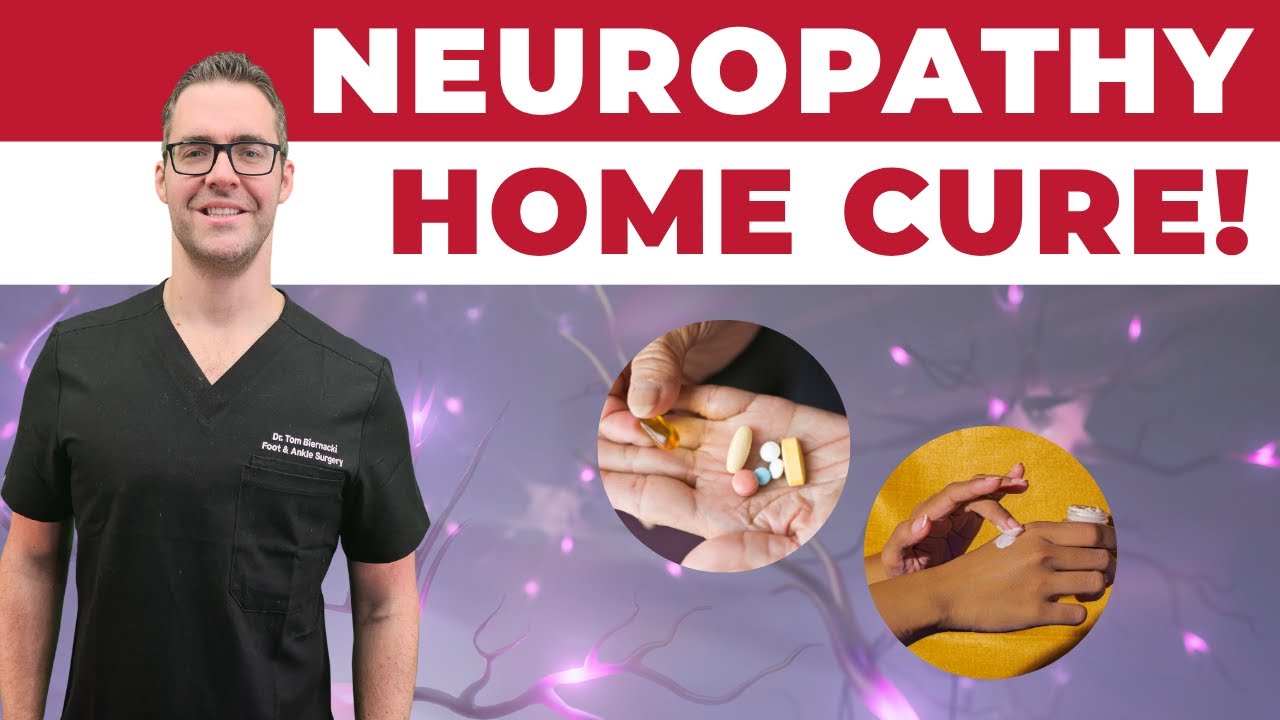
Medically Reviewed by Dr. Tom Biernacki, DPM — Board-Certified Podiatrist, Balance Foot & Ankle Specialists, Michigan. Last updated April 2026.
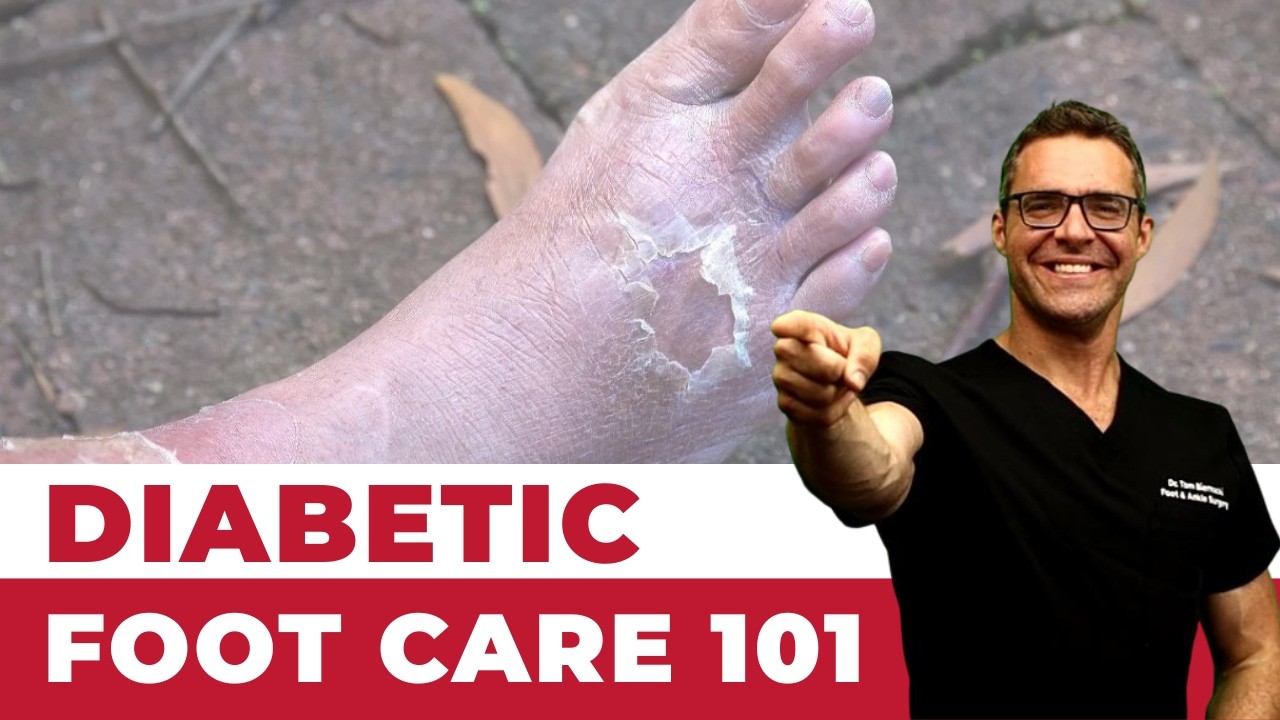
Diabetic peripheral neuropathy (DPN) affects 50% of patients with type 2 diabetes and is the single greatest risk factor for diabetic foot ulceration — the loss of protective sensation transforms a normal shoe seam, callus, or repetitive pressure point from a minor discomfort into a silent wound that progresses to deep infection and amputation without intervention. Systematic neuropathy screening at every diabetic foot examination, staging of neuropathy severity, and prescription of evidence-based protective footwear are the cornerstones of diabetic limb-salvage prevention.
Neuropathy Screening and Staging
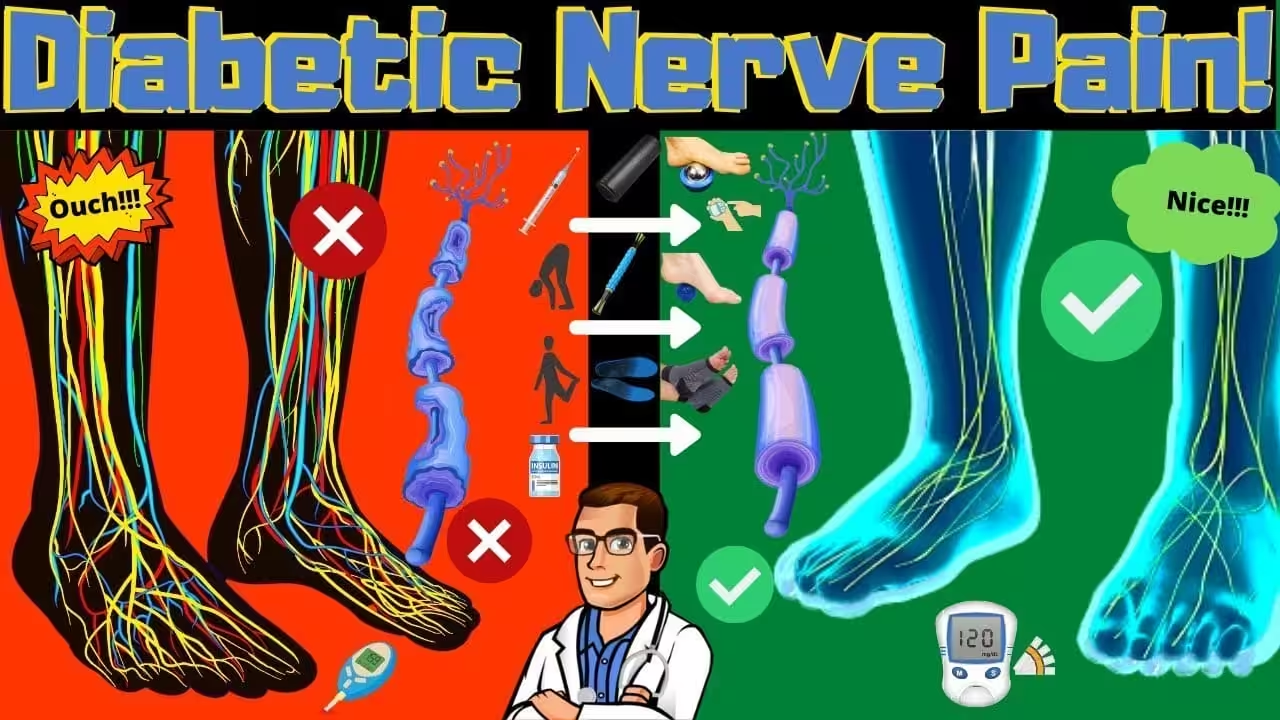
Semmes-Weinstein 10-gram monofilament test: the primary screening tool — the 5.07/10g monofilament applied to 10 standardized plantar sites; inability to detect the monofilament at 4 or more sites indicates loss of protective sensation (LOPS); sensitivity 66–91% for identifying patients at risk for ulceration. Vibration perception threshold (VPT): 128Hz tuning fork at the dorsal hallux; inability to detect vibration until the tuning fork stops indicates significant large-fiber neuropathy; VPT >25 volts on neurothesiometer correlates with 7× increased ulcer risk. Ankle reflex: loss of Achilles tendon reflex is an early sign of large-fiber neuropathy; combined absence of vibration sensation and Achilles reflex = confirmed large-fiber DPN. Intraepidermal nerve fiber density (skin punch biopsy): for small-fiber neuropathy evaluation when monofilament and VPT are normal but symptoms suggest neuropathy. Staging (IWGDF risk classification): 0 — no LOPS, no PAD (low risk); 1 — LOPS or PAD; 2 — LOPS + PAD or LOPS + foot deformity; 3 — prior ulcer or amputation (highest risk).
Protective Footwear Prescription
Depth inlay shoe: the standard prescription for IWGDF Risk 1 — a shoe with at least 0.75 inches of additional depth to accommodate custom insoles and toe deformities without pressure. Custom-molded shoe (A5500 Medicare diabetic shoe benefit): covered for patients with at least one of 6 qualifying diagnoses (peripheral neuropathy with callus, history of ulcer, foot deformity, poor circulation, previous amputation, or Charcot deformity) — one pair of custom-fitted shoes plus 3 pairs of custom insoles per calendar year. Total contact insert (TCI): custom-molded total-contact insole fabricated from the patient’s foot impression — distributes plantar pressure over the maximum surface area; reduces peak plantar pressure by 30–50% compared to no insole. Evidence base: therapeutic footwear reduces ulcer recurrence by 50–60% in high-risk patients who are compliant with wear (>80% of step-count). Dr. Biernacki at Balance Foot & Ankle screens diabetic patients for neuropathy at every visit and prescribes Medicare-covered diabetic shoes and custom insoles. Call (810) 206-1402 at our Bloomfield Township or Howell office.
📍 Located in Michigan?
Our board-certified podiatrists treat this condition at two convenient locations. Book online 24/7 at either office.
In-Office Treatment at Balance Foot & Ankle
If home care isn’t resolving your diabetic foot concern, a visit with a board-certified podiatrist is the fastest path to accurate diagnosis and a personalized plan. At Balance Foot & Ankle Specialists, Dr. Tom Biernacki, Dr. Carl Jay, and Dr. Daria Gutkin offer appointments at both our Howell and Bloomfield Township offices. We perform on-site diagnostic ultrasound, digital X-ray, conservative care, advanced regenerative treatments, and minimally invasive surgery when indicated.
Call (810) 206-1402 or request an appointment online. Most insurance plans accepted, including Medicare, Blue Cross Blue Shield, Aetna, Cigna, and United Healthcare.
More Podiatrist-Recommended Diabetic Essentials
Diabetic-Approved Walking Shoe
Orthofeet Sprint — seamless, extra-depth, designed for neuropathic feet.
Seamless Diabetic Sock

Watch: Peripheral Neuropathy Home Remedies [Leg & Foot Nerve Pain Treatment] — MichiganFootDoctors YouTube
OS1st FS4 — non-binding, moisture-wicking, protects fragile diabetic skin.
Recovery Slide for Indoor Wear
HOKA Ora 3 — protects diabetic feet from barefoot injury at home.
As an Amazon Associate, Balance Foot & Ankle earns from qualifying purchases. Product recommendations are based on clinical experience; prices and availability shown above update live from Amazon.
When to See a Podiatrist
One unnoticed blister on a neuropathic foot can become a limb-threatening ulcer in under 14 days. Medicare covers diabetic shoes (A5500) and comprehensive foot exams annually for most diabetic patients with neuropathy or circulation concerns. Balance Foot & Ankle runs a dedicated diabetic limb-preservation program — vascular screening, offloading, ulcer care, and shoe fitting — all in one visit. Schedule your annual diabetic foot exam today.
Call Balance Foot & Ankle: (810) 206-1402 · Book online · Offices in Howell & Bloomfield Township
Frequently Asked Questions
What is the best treatment for peripheral neuropathy in the feet?
Treatment depends on the cause. For diabetic neuropathy, blood sugar control is most important. Other options include B12 supplementation, MLS laser therapy, topical creams (capsaicin, lidocaine), and prescription medications like gabapentin or duloxetine. Our podiatrists tailor treatment to each patient’s specific type and severity.
Can neuropathy be reversed?
In some cases — particularly when caused by vitamin deficiencies or early-stage diabetes with good glucose control. However, long-standing nerve damage is often permanent. Treatment focuses on slowing progression, managing symptoms, and preventing dangerous foot complications like ulcers.
How often should I see a podiatrist if I have neuropathy?
Patients with peripheral neuropathy should have comprehensive foot exams every 3–6 months, or more frequently if they have diabetes, poor circulation, or a history of foot ulcers.
Need Treatment at Balance Foot & Ankle?
Dr. Tom Biernacki, Dr. Carl Jay, and Dr. Daria Gutkin see patients at our Howell and Bloomfield Township offices.
Book Online or call (810) 206-1402
Insurance Accepted
BCBS · Medicare · Aetna · Cigna · United Healthcare · HAP · Priority Health · Humana · View All →
Howell Office
4330 E Grand River Ave
Howell, MI 48843
Get Directions →
Bloomfield Township Office
43494 Woodward Ave, #208
Bloomfield Township, MI 48302
Get Directions →
Differential Diagnosis: What Else Could It Be?
Several conditions share symptoms with Diabetic Neuropathy and are commonly misdiagnosed in the first office visit. Considering these alternatives is part of every Balance Foot & Ankle exam:
- Tarsal tunnel syndrome. Burning radiating into the arch with positive Tinel’s at the medial ankle.
- Peripheral artery disease. Pain with walking that resolves with rest, weak pulses, hair loss on toes.
- Lumbar radiculopathy. Symptoms following a dermatome, often with back pain — MRI of spine, not foot.
If your symptoms don’t fit the textbook pattern, ask your podiatrist which differentials they ruled out — that conversation often shortcuts months of trial-and-error treatment.
In Our Clinic
Diabetic neuropathy patients in our clinic often don’t realize they have it until we put a 10-gram Semmes-Weinstein monofilament to the plantar foot and they can’t feel it. Many arrive for an unrelated concern — an ingrown toenail, a callus — and we catch the neuropathy on screening. The conversation then shifts: we need to discuss daily foot inspections, appropriate footwear, the urgency of any blister or open area, and the timing of vascular referral if pulses are diminished. Comprehensive diabetic foot exams are covered by Medicare annually. If you have diabetes, we want to see you once a year even if nothing hurts.
Most Common Mistake We See
The most common mistake we see is: Stopping B-vitamin supplementation as soon as symptoms improve. Fix: maintain supplementation for 6-18 months alongside strict glucose control.
Warning Signs That Need Same-Day Care
Seek immediate evaluation at Balance Foot & Ankle if you experience any of the following:
- Sudden loss of sensation on one side
- Wound on the foot not felt by the patient
- One-sided symptoms (rule out compression)
- Back pain plus leg symptoms (possible radiculopathy)
Call (810) 206-1402 — appointments at our Howell and Bloomfield Township offices.
Watch: Dr. Tom explains

Podiatrist-recommended products
As an Amazon Associate, Dr. Tom earns from qualifying purchases.
Daily neuropathy nutrition.
View on Amazon →Seamless padded protection.
Check price →Offloading for high-risk feet.
Check price →Topical relief.
View on Amazon →Related resources
Ready to solve this? Book today.
Book online 24/7 · Howell & Bloomfield Township · 4.9★ (1,200+ reviews)
☎ (810) 206-1402Book Online →Pros & Cons of Conservative Care for diabetic foot care
Advantages
- ✓ Daily inspection prevents amputation
- ✓ Most insurance covers DME
- ✓ Custom orthotics help
Considerations
- ✗ Daily commitment required
- ✗ Slow wound healing
- ✗ Charcot risk if neuropathy
Dr. Tom’s Recommended Products for diabetic foot care
Affiliate disclosure: As an Amazon Associate, Balance Foot & Ankle earns from qualifying purchases. We only recommend products we use with patients.
Drew Moonwalker Diabetic Shoe Dr. Tom’s Pick
Best for: Medicare-covered diabetic footwear
Diabetic Compression Socks Dr. Tom’s Pick
Best for: Daily protection + circulation
Ready to Get Back on Your Feet?
Appointments in Howell + Bloomfield Township. Most insurance accepted. Dr. Tom Biernacki, DPM & team.
Call Now: (810) 206-1402
Ready to feel better?
Appointments available in Howell and Bloomfield Township, Michigan.
Book Your VisitReady for Expert Care?
Appointments in Howell & Bloomfield Township, MI.
4.9★ | 1,200+ Reviews | 3,000+ Surgeries
Or call: (810) 206-1402

Dr. Tom Biernacki, DPM is a board-certified foot & ankle surgeon (ABFAS & ABPM) at Balance Foot & Ankle Specialists in Southeast Michigan. With over a decade of clinical experience, he specializes in heel pain, bunions, diabetic foot care, sports injuries, and minimally invasive surgery. Dr. Biernacki is a member of the APMA and ACFAS, and his patient education content on MichiganFootDoctors.com and YouTube has made him one of the most-followed foot & ankle educators on YouTube.
More questions patients ask
How often should diabetics check their feet?
Diabetic patients should perform daily self-examinations of both feet, checking for cuts, blisters, redness, swelling, calluses, and temperature changes. Professional diabetic foot exams should occur at least annually, or every 3-6 months for patients with neuropathy, peripheral artery disease, or history of foot ulcers. Dr. Biernacki provides comprehensive diabetic foot care programs.
Why do diabetics have foot problems?
Diabetes causes peripheral neuropathy (nerve damage reducing sensation), peripheral artery disease (reduced blood flow), and impaired immune function. This combination means injuries go unnoticed, heal slowly, and are prone to infection. Approximately 15% of diabetics will develop a foot ulcer, and diabetic foot complications are the leading cause of non-traumatic amputation. Prevention through regular podiatric care is essential.
What are the signs of diabetic neuropathy in feet?
Early signs include tingling, burning, or numbness starting in the toes and progressing upward. Other symptoms include sensitivity to touch, muscle weakness, balance problems, and loss of reflexes. If you experience any of these symptoms, schedule an evaluation with Dr. Biernacki at 810-206-1402 for nerve conduction testing and a comprehensive neuropathy management plan.
Still have a question about coverage or cost? Book online and we will check your benefits before your visit: Book in Howell · Book in Bloomfield Township. Prefer to talk it through first? Call (810) 206-1402.