

| Symptom Category | Early Stage | Moderate Stage | Advanced Stage | Clinical Test |
|---|---|---|---|---|
| Sensation — small fiber | Burning, tingling, pins-and-needles in toes | Numbness spreading to mid-foot; loss of sharp/dull discrimination | Complete anesthesia; unable to detect injury | Pin-prick test; warm/cold discrimination |
| Sensation — large fiber | Reduced vibration sense in great toe | Loss of position sense (proprioception); unsteady gait | Absent deep tendon reflexes; severe balance impairment | 128 Hz tuning fork; Romberg test |
| Protective sensation | Slight reduction — notices less texture underfoot | 10g Semmes-Weinstein monofilament not felt at 1–2 sites | Monofilament not felt at 4+ sites; HIGH ULCER RISK | 10g monofilament at 10 plantar sites |
| Pain (paradoxical) | Allodynia — painful to light touch; worse at night | Burning pain, electric shocks, contact hypersensitivity | Pain may DECREASE as fibers die — false improvement | Pain scale; NRS; brief pain inventory |
| Autonomic features | Reduced sweating; dry skin; brittle nails | Anhidrosis; fissures and cracks (ulcer entry points) | Charcot neuroarthropathy; bounding foot pulses; dependent rubor | Skin inspection; neurological exam |
| Motor weakness | Subtle intrinsic weakness; toe extension lag | Hammer/claw toe deformities forming; reduced grip strength | Foot drop; steppage gait; inability to toe-raise | Muscle strength grading; EMG/NCS |
| Treatment Approach | Target | Evidence | Expectation | Notes |
|---|---|---|---|---|
| Tight glycemic control (HbA1c <7%) | Slows nerve damage progression | High (DCCT trial — 60% reduction in neuropathy) | Prevents worsening; partial reversal possible in early stage | Most important single intervention; endocrinology co-management |
| Pregabalin (Lyrica) / Gabapentin | Neuropathic pain reduction | High (FDA-approved for DPN pain) | 30–50% pain reduction in responders | Sedation, dizziness common; titrate slowly; watch renal dosing |
| Duloxetine (Cymbalta) 60 mg | Neuropathic pain + mood | High (FDA-approved for DPN pain) | 30–40% pain reduction; also treats comorbid depression | First-line per AAN guidelines; avoid with MAOIs |
| Tricyclic antidepressants (amitriptyline) | Central pain modulation | Moderate | Helpful but significant side-effect profile in elderly | Use low dose (10–25 mg); monitor cardiac effects |
| Custom diabetic footwear + orthotics | Offloads pressure points; prevents ulceration | High (LEAP program; reduces amputation 45–85%) | Prevents ulcers — most critical podiatric intervention | Medicare/Medicaid cover therapeutic shoe benefit annually |
| Regular podiatric foot exams (every 3 months) | Early detection of wounds, callus buildup, ulcer precursors | High (preventive) | Dramatically reduces hospitalization and amputation | Cannot rely on patient self-detection with reduced sensation |
| Balance/physical therapy | Proprioceptive compensation; fall prevention | Moderate | Reduces fall risk; improves gait pattern | Tai chi and balance board training most studied |
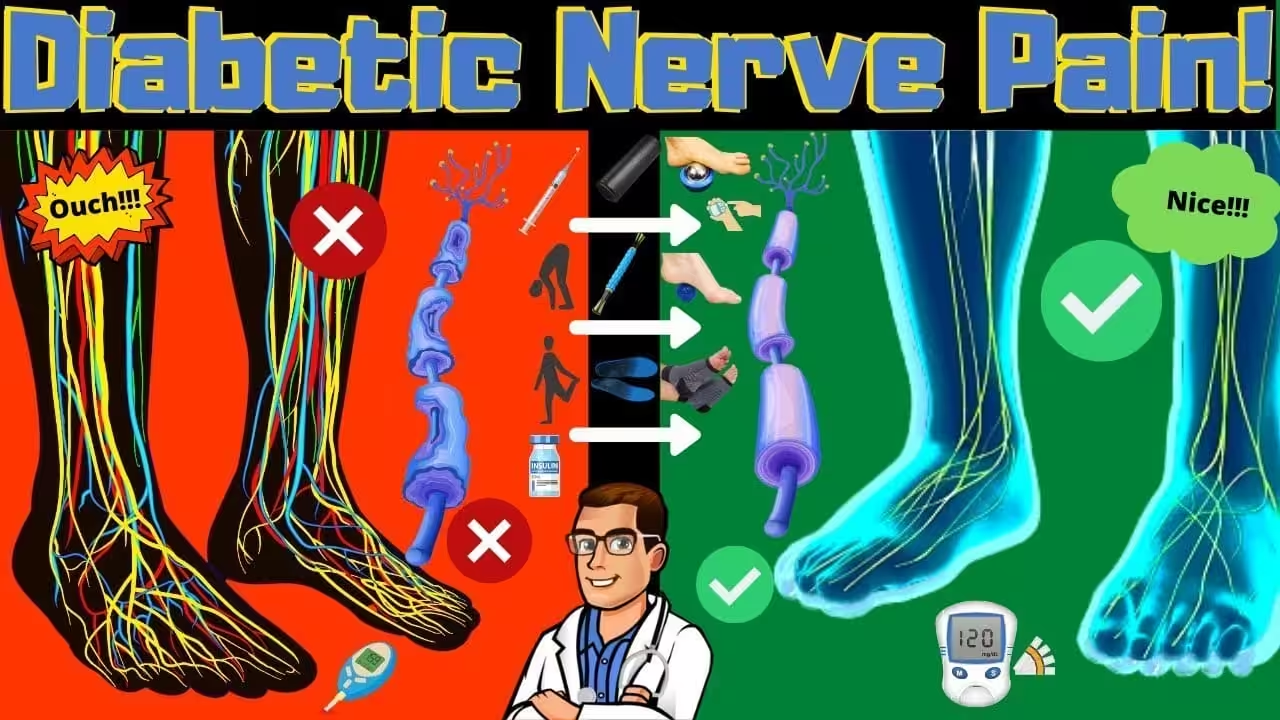
![Peripheral Neuropathy Home Remedies [Leg & Foot Nerve Pain Treatment]](https://www.michiganfootdoctors.com/wp-content/cache/flying-press/8ef3ff851f04e8721b97630df65b15ff.jpg)
Watch: Peripheral Neuropathy Home Remedies [Leg & Foot Nerve Pain Treatment] — MichiganFootDoctors YouTube
Diabetic peripheral neuropathy typically presents first as numbness, tingling, or a burning sensation starting in the toes and feet, gradually spreading upward in a “stocking-glove” pattern. Other symptoms include sharp stabbing or electric-shock pain, reduced ability to feel temperature or light touch, and in advanced cases — complete loss of protective sensation. These symptoms are usually worst at night. Early detection and blood sugar control can slow progression significantly.
Diabetic peripheral neuropathy is the most common complication of diabetes — affecting approximately 50% of people with the disease over their lifetime — and the leading cause of non-traumatic lower-limb amputations in the United States. Yet it often develops silently for years before patients notice symptoms, which is why a regular foot examination by a podiatrist is one of the most important parts of diabetes management. In our Howell and Bloomfield Township clinics, we catch early neuropathy in patients who came in thinking they were “fine” — and early detection is when intervention matters most.
This guide covers every symptom of diabetic peripheral neuropathy, how to recognize early warning signs before significant nerve damage occurs, how the condition is diagnosed, and what can be done — both medically and through daily care — to protect your feet and slow progression.
What Is Diabetic Peripheral Neuropathy
Diabetic peripheral neuropathy (DPN) is nerve damage caused by chronically elevated blood glucose levels. Over time, high blood sugar injures the small blood vessels (microvasculature) that supply oxygen and nutrients to peripheral nerves — primarily those in the feet and legs. Without adequate blood supply, nerve fibers degenerate from the most distal (farthest from the spine) points inward, producing the characteristic “stocking” distribution of symptoms.
Three types of nerve fibers are affected at different rates, which explains the range of symptoms patients experience:
| Nerve Fiber Type | What It Does | Symptom When Damaged | When Affected |
|---|---|---|---|
| Small unmyelinated (C fibers) | Pain, temperature sensation | Burning, stabbing pain; can’t feel heat/cold | Early |
| Small myelinated (Aδ fibers) | Light touch, vibration (distal) | Numbness, tingling, reduced touch | Early-mid |
| Large myelinated (Aβ fibers) | Deep pressure, proprioception, position | Can’t feel pressure on foot; balance problems | Later stages |
Early Warning Signs of Diabetic Peripheral Neuropathy
The early stage of DPN is when intervention is most effective, yet it’s also when symptoms are easiest to dismiss or attribute to other causes. In our clinic, we see patients who had early warning signs for 2–3 years before the diagnosis was made — often because the symptoms were subtle and their doctors weren’t doing annual foot examinations. Here’s what to watch for:
Intermittent tingling in the toes: Often described as a “pins and needles” sensation or the feeling that the foot has “fallen asleep” — but without the position-dependent cause that normally triggers this. Comes and goes initially, especially at night. Many patients attribute this to circulation or sleeping position, delaying recognition.
Reduced sensitivity to temperature: You may step into a hot bath or onto a cold floor and not feel the temperature correctly, or feel it as a different sensation (warmth perceived as burning, cold perceived as painful). This is a small fiber sign and occurs before large-fiber numbness develops.
Night-time discomfort in the feet: Burning, aching, or restless sensations in the feet that are worse at night when lying still. The absence of movement-related distraction and the slight temperature drop at night both worsen neuropathic pain. If you’re noticing foot discomfort that reliably wakes you or prevents sleep, this is a significant early symptom.
Hypersensitivity (allodynia): Paradoxically, the early stages of DPN can cause increased sensitivity — even the light touch of bedsheets on the feet can be painful. This is called allodynia and represents aberrant nerve firing before fibers degenerate further.
Complete Symptom Profile of Diabetic Peripheral Neuropathy
As DPN progresses, the symptom picture expands. Patients may experience some or all of these, in varying combinations depending on which nerve fiber populations are most affected:
Sensory symptoms (most common): Numbness or reduced sensation starting in toes, progressing up the foot and ankle in a stocking distribution. Tingling (“electric” or “pins and needles”) in toes and sole. Burning or stabbing pain — often described as “walking on hot coals” or “electric shocks.” Reduced ability to feel light touch, vibration, or temperature changes. Loss of ability to feel a 10-gram monofilament (the clinical test for protective sensation loss). Feeling like the feet are wrapped in padding or wearing thick socks when barefoot.
Pain symptoms (30–40% of DPN patients): Not all DPN patients have pain — roughly 60% have “painless” neuropathy, which is actually more dangerous because the absence of pain removes the alarm signal for injury. Those who do have pain describe it as burning, shooting, electric, lancinating (stabbing), or aching. Pain is typically worst at night and may improve with walking (unlike most other foot pain).
Motor symptoms (later stages): Muscle weakness in the intrinsic foot muscles leads to toe deformities — hammer toes, claw toes, and mallet toes develop because the small muscles that normally hold toes flat become denervated. The foot arch may collapse. Balance deteriorates as proprioceptive (position-sense) nerve fibers are lost, increasing fall risk. In severe DPN, patients develop a broad-based, shuffling gait to compensate for balance deficits.
Autonomic symptoms: Damage to autonomic nerve fibers causes dry skin on the feet (anhidrosis — sweat glands lose innervation), which leads to cracking, fissuring, and portal-of-entry infections. Patients also notice changes in nail growth rate, reduced hair on the lower leg and foot, and in severe cases, Charcot joint — where rapid bone destruction occurs due to the combination of absent pain sensation and autonomic vascular changes.
Stages of Diabetic Peripheral Neuropathy
| Stage | Clinical Features | Risk Level | Exam Findings |
|---|---|---|---|
| 0 — Subclinical | No symptoms; electrophysiologic changes only | Low but progressing | NCS abnormal |
| 1 — Mild | Tingling, intermittent night burning, reduced vibration | Moderate | Reduced ankle reflex, vibration |
| 2 — Moderate | Numbness, persistent burning pain, gait changes | High | Reduced monofilament, absent ankle jerk |
| 3 — Severe | Painless foot (loss of protective sensation), toe deformities | Very high (ulcer, amputation) | No protective sensation, motor weakness |
How Diabetic Peripheral Neuropathy Is Diagnosed
In our clinic, diagnosing DPN involves a structured examination rather than a single test. The American Diabetes Association recommends annual comprehensive foot exams for all diabetic patients — including several specific sensory tests:
10-gram monofilament test: A nylon filament that buckles at exactly 10 grams of force is pressed to specific points on the sole. Inability to feel it at one or more sites indicates loss of protective sensation — the threshold below which patients can’t feel injuries. This is the most clinically important test for predicting foot ulcer risk.
128-Hz tuning fork (vibration test): Applied to the first metatarsal head or ankle. Reduced vibration sense is one of the earliest large-fiber findings and correlates with fall risk and proprioceptive loss.
Temperature testing: Cold tuning fork or dedicated temperature probe identifies small-fiber damage before large-fiber loss occurs.
Ankle reflex: Absent ankle deep tendon reflex (Achilles reflex) is a reliable clinical marker of peripheral neuropathy in diabetic patients.
Nerve conduction studies (NCS): Gold standard for confirming peripheral neuropathy and characterizing its severity, but not required for clinical diagnosis in most cases. Often ordered when the diagnosis is uncertain or to establish a baseline for monitoring progression.
Risk Factors for Developing Diabetic Peripheral Neuropathy
While DPN can occur in any diabetic patient, certain factors significantly increase the risk and speed of development. Understanding these helps determine who needs more frequent monitoring:
Duration of diabetes: The single strongest predictor. Risk increases from about 8% at diagnosis to 50% at 25 years. This applies to both Type 1 and Type 2 diabetes. The longer nerve tissue is exposed to elevated glucose, the greater the cumulative damage.
Blood glucose control (HbA1c): The DCCT trial showed that intensive glucose control reduced the development of neuropathy by 60% in Type 1 diabetes. Every percentage point improvement in HbA1c is associated with meaningful slowing of neuropathy progression.
Cardiovascular risk factors: Hypertension, dyslipidemia (high triglycerides, low HDL), obesity, and smoking all independently accelerate peripheral nerve damage by compounding the microvascular injury from hyperglycemia.
Alcohol use: Alcohol is directly neurotoxic and worsens neuropathy independent of glucose levels. Patients with diabetic neuropathy should strictly limit alcohol consumption.
Treatment and Management of Diabetic Peripheral Neuropathy
There is currently no treatment that reverses established diabetic nerve damage. However, several approaches effectively slow progression, manage pain, and — critically — prevent the foot complications that lead to amputation:
Blood glucose optimization (most important): Achieving and maintaining target HbA1c is the only proven strategy for slowing DPN progression. Work with your endocrinologist or internist to optimize glucose management. Even patients with established neuropathy can slow further deterioration with better control.
Pain management medications: FDA-approved for DPN pain are pregabalin (Lyrica), duloxetine (Cymbalta), and tapentadol ER (Nucynta). Tricyclic antidepressants (amitriptyline, nortriptyline) are commonly used off-label. Gabapentin (Neurontin) is widely prescribed. Topical treatments including lidocaine patches and capsaicin cream provide localized relief without systemic effects. Opioids are generally avoided due to limited efficacy for neuropathic pain.
Protective footwear: Once protective sensation is compromised, proper footwear becomes critical. Extra-depth shoes with wide toe boxes, accommodative insoles (avoiding any pressure points), seamless socks, and daily visual foot inspection are standard of care. Medicare covers therapeutic footwear (one pair annually) for diabetic patients with documented neuropathy.
Daily foot care protocol: Inspect feet daily using a mirror for the sole. Wash in lukewarm water (test temperature with elbow — not the insensate foot). Moisturize the sole and heel but not between the toes (moisture between toes promotes fungal/bacterial infection). Trim nails straight across. Never walk barefoot — even indoors.
Complications of Untreated Neuropathy
The reason podiatrists take diabetic neuropathy so seriously is that the foot complications it enables are catastrophic. Patients with loss of protective sensation cannot feel injury as it occurs — a blister becomes an ulcer, an ulcer becomes an infected wound, an infected wound involves bone (osteomyelitis), and osteomyelitis leads to amputation. This cascade is entirely preventable with appropriate monitoring and care, but only if neuropathy is caught and managed before sensation is lost.
Diabetic foot ulcers: Affect 15–25% of diabetic patients over their lifetime. Over 50% of these become infected. They are the direct precursor to 85% of diabetes-related lower-limb amputations. The primary cause is repetitive pressure trauma to insensate skin — pressure the patient cannot feel.
Charcot neuroarthropathy: A rapidly destructive arthropathy of the foot and ankle unique to patients with neuropathy. The foot collapses, fractures spontaneously, and deforms severely — often while the patient has only mild or no pain. Early Charcot presents as a hot, swollen foot after minor trauma in a diabetic patient and is a medical emergency requiring immediate immobilization.
Red Flags — When to Seek Immediate Podiatric Care
- Any break in skin on the foot — even a minor cut, blister, or callus crack; do not attempt to treat at home
- Red, warm, swollen foot after minor trauma — possible Charcot joint, requires immediate immobilization
- Dark or black skin on any toe or foot area — possible gangrene, vascular emergency
- Fever with foot pain or swelling — possible infected ulcer or cellulitis with systemic spread
- Any new numbness, tingling, or burning in the feet that persists — warrants neuropathy screening now
- Wound that is not healing after 2 weeks of home care — requires professional wound management
Recommended Products for Diabetic Neuropathy Foot Care
Plantar Fasciitis Compression Socks
For diabetic neuropathy patients without significant peripheral arterial disease, graduated compression socks (15–20 mmHg) improve venous return, reduce ankle edema, and decrease the accumulation of inflammatory mediators in neuropathic tissue. DASS medical-grade compression socks are seamless (critical for neuropathy — seams cause pressure points in insensate feet) and moisture-wicking to prevent fungal infection. Note: compression socks are contraindicated in patients with significant peripheral arterial disease — check with your physician first.
15–20 mmHg and 20–30 mmHg graduated compression — medical grade
Shop at michiganfootdoctors.com/shop/
Not Ideal For: Patients with peripheral arterial disease (ABI <0.8), active DVT, severe heart failure, or significant peripheral edema from non-venous cause. Consult your physician before use.
PowerStep Pinnacle Insoles
Redistributing plantar pressure is critical for neuropathy patients. PowerStep Pinnacle’s cushioned top cover and semi-rigid arch support help spread load across the foot rather than concentrating it at high-pressure points (metatarsal heads, heel). For patients who cannot yet afford custom diabetic insoles — PowerStep is our preferred OTC transition insole.
Full-length cushioned arch support
Shop at michiganfootdoctors.com/shop/
Not Ideal For: Patients who need custom diabetic accommodative insoles with total-contact design for advanced neuropathy and prior ulceration.
Diabetic Foot Care at Balance Foot & Ankle
Our podiatrists provide comprehensive diabetic foot care: annual neuropathy screening with monofilament and vibration testing, custom accommodative orthotics for pressure relief, wound care for diabetic ulcers, Charcot joint management, vascular assessment, and toenail care. Medicare covers diabetic foot exams when neuropathy is documented — no out-of-pocket cost for qualifying patients.
Schedule Your Diabetic Foot Exam Today
Annual foot exams covered by Medicare when neuropathy is documented. Book online 24/7.
Book an AppointmentHowell: (810) 206-1402 | Bloomfield Township: (810) 206-1402
Frequently Asked Questions
What are the first signs of diabetic neuropathy in the feet?
The first signs are typically intermittent tingling or “pins and needles” in the toes — especially at night — and reduced sensitivity to temperature changes. Some patients experience hypersensitivity first, where light touch on the foot is painful or uncomfortable. Night-time burning or aching that wasn’t present before is another common early symptom. If you have diabetes and notice any of these, request a foot examination from your podiatrist or primary care physician.
Can diabetic neuropathy be reversed?
Established nerve damage from DPN generally cannot be reversed. However, progression can be significantly slowed — especially with improved blood glucose control (lower HbA1c). Some patients with early, mild DPN who achieve excellent glucose control report improvement in symptoms. The window for meaningful reversal, if any, is in the very early stages — which is why annual screening to catch neuropathy early is so important.
Does diabetic neuropathy always cause pain?
No — and this is a critical misconception. Approximately 50–60% of patients with DPN have the painless form, where nerve damage causes numbness without pain. This is actually more dangerous because patients lose the warning signal that prevents injury. Patients with painless neuropathy may develop severe foot ulcers without ever feeling discomfort, which is why regular foot examinations by a podiatrist are essential even when the feet feel “fine.”
How often should a diabetic patient see a podiatrist?
The American Diabetes Association recommends at minimum an annual comprehensive foot examination for all diabetic patients. Patients with documented neuropathy should be seen every 3–6 months. Patients with neuropathy plus other risk factors (deformity, prior ulceration, peripheral arterial disease) may need monthly visits. Medicare covers these examinations when peripheral neuropathy is documented — with no co-pay for qualifying beneficiaries.
What does diabetic neuropathy feel like in the feet?
Descriptions vary but common ones include: “like walking on hot coals,” “electric shocks shooting through the toes,” “feet wrapped in cotton,” “pins and needles that won’t stop,” “cold water running over the feet,” and “wearing a thick sock that isn’t there.” Pain is typically worse at night and may improve somewhat with walking. Some patients feel nothing — which, as described above, is the more dangerous presentation.
Sources
- Pop-Busui R, et al. “Diabetic Neuropathy: A Position Statement by the American Diabetes Association.” Diabetes Care 2017;40(1):136–154.
- Boulton AJ, et al. “The global burden of diabetic foot disease.” Lancet 2005;366(9498):1719–1724.
- DCCT Research Group. “The effect of intensive treatment of diabetes on the development and progression of long-term complications in insulin-dependent diabetes mellitus.” NEJM 1993;329(14):977–986.
- Tesfaye S, et al. “Diabetic neuropathies: update on definitions, diagnostic criteria, estimation of severity, and treatments.” Diabetes Care 2010;33(10):2285–2293.
- Armstrong DG, Boulton AJM, Bus SA. “Diabetic foot ulcers and their recurrence.” NEJM 2017;376(24):2367–2375.
Frequently Asked Questions
Why is diabetic foot care so important?
Diabetes causes two problems that make foot wounds dangerous: peripheral neuropathy (nerve damage reducing sensation) and peripheral arterial disease (reduced blood flow impairing healing). A small blister or cut that a non-diabetic person would notice and treat can go undetected in a diabetic patient for days, become infected, and progress to osteomyelitis. Diabetic foot ulcers are the leading cause of non-traumatic lower limb amputations. A consistent foot care routine and regular podiatry visits prevent most amputations.
How often should diabetic patients see a podiatrist?
Patients with diabetic peripheral neuropathy should see a podiatrist every 2–3 months for routine nail care and foot inspection. Patients with active foot complications (ulcers, Charcot foot, severe PAD) need more frequent visits — often every 2–4 weeks until stable. Even well-controlled diabetics without neuropathy benefit from annual foot exams. Many amputations we see in consultation could have been prevented with earlier, consistent podiatric care.
What is diabetic peripheral neuropathy?
Peripheral neuropathy is nerve damage from chronically elevated blood sugar, causing numbness, tingling, burning, or loss of sensation — typically starting in the toes and progressing upward in a ‘stocking’ distribution. The dangerous aspect isn’t the pain — it’s the absence of pain. Patients with severe neuropathy don’t feel blisters, cuts, pressure sores, or early infections. A wound can reach bone before it’s noticed. Neuropathy screening with a 10-gram monofilament is part of every diabetic foot exam.
What are the warning signs of a diabetic foot problem?
Seek expert evaluation for: any open wound or blister that isn’t healing within 1–2 weeks, redness, warmth, or swelling in any part of the foot (possible Charcot fracture or infection), a new blister or callus, any red streaking or warmth spreading up the leg (cellulitis), foot or ankle pain in a diabetic patient with neuropathy (could be Charcot without pain). Don’t wait to see if it improves — diabetic foot infections are medical emergencies.
What is the best foot cream for diabetic feet?
The goal of diabetic foot cream is restoring the skin’s moisture barrier to prevent fissuring and cracking — the entry points for infection. Look for urea-based creams (10–25% urea) or lactic acid formulations that actually penetrate thickened skin rather than sitting on the surface. AmLactin 12%, Eucerin Diabetics’ Dry Skin Relief, and Gold Bond Diabetics’ Dry Skin Relief are clinical-grade options. Avoid cream between the toes — moisture retention between toes promotes maceration and fungal infection.
Can diabetic patients get foot massages?
Light massage is generally safe for diabetic patients without active wounds, severe edema, or PAD. However, deep tissue massage or vigorous rubbing should be avoided — with neuropathy, patients can’t feel if tissue is being damaged. Foot massagers with rollers or intense vibration should be avoided entirely. If you enjoy foot massage, use gentle, light strokes with a diabetic-appropriate foot cream. Let your podiatrist know if you’re incorporating massage into your routine — we can advise based on your circulation status.
What type of socks should diabetic patients wear?
Diabetic socks: seamless (seams can create pressure sores over a neuropathic foot), non-binding at the top (circulation-restrictive socks worsen PAD), moisture-wicking (polyester/wool blend reduces bacterial environment), padded sole (cushions bony prominences). Avoid cotton socks for active patients — cotton retains moisture. Never wear socks with elastic bands that leave marks on the leg. Brands specifically designed for diabetic feet: Thorlos, Wigwam, and most major medical supply brands.
Should diabetic patients cut their own toenails?
It depends on neuropathy severity and vision. Patients with mild neuropathy and good vision can safely trim nails straight across without cutting the corners. Patients with moderate-to-severe neuropathy, poor vision, or thick nails should not self-trim — the risk of cutting the surrounding skin (which they may not feel) is too high. This is exactly what podiatry nail care visits are for. Medicare and most insurance plans cover routine foot care for diabetic patients with documented neuropathy.
What is Charcot foot and how serious is it?
Charcot neuroarthropathy is a serious diabetic complication where neuropathy allows repeated micro-fractures to occur without pain, leading to progressive bone and joint destruction and foot deformity. The classic presentation: a warm, swollen, red foot in a diabetic patient — often mistaken for cellulitis. Early Charcot (caught within weeks of onset) can be managed with a total contact cast to prevent further collapse. Late Charcot with significant arch destruction often requires reconstructive surgery. Missing the diagnosis is catastrophic — a single patient with missed Charcot can progress to a rocker-bottom deformity requiring amputation.
Does insurance cover diabetic foot care?
Medicare Part B covers routine foot care (nail trimming, callus debridement) for diabetic patients with documented peripheral neuropathy — one visit every 2 months. Most PPO and HMO plans follow similar coverage rules. Diabetic shoes and insoles are covered under Medicare’s Therapeutic Shoe Bill (one pair of shoes plus three pairs of custom insoles per year). Call us at (810) 206-1402 and we’ll verify your specific coverage before your first appointment.
American Podiatric Medical Association: Neuropathy
In-Office Treatment at Balance Foot & Ankle
If home treatment isn’t providing relief for your neuropathy, our podiatry team at Balance Foot & Ankle can help with expert evaluations and advanced in-office care.
Book online 24/7. (810) 206-1402
VitaMedica Arnica Gel
Natural topical relief I recommend for sore feet: an arnica gel with 15 homeopathic ingredients and soothing aloe. Massage a thin layer into the sore area.
Shop VitaMedica Arnica Gel →Appointments in Howell & Bloomfield Township
Three board-certified podiatric surgeons. 1,200+ five-star reviews. Most insurance accepted.

Dr. Tom Biernacki, DPM is a board-certified foot & ankle surgeon (ABFAS & ABPM) at Balance Foot & Ankle Specialists in Southeast Michigan. With over a decade of clinical experience, he specializes in heel pain, bunions, diabetic foot care, sports injuries, and minimally invasive surgery. Dr. Biernacki is a member of the APMA and ACFAS, and his patient education content on MichiganFootDoctors.com and YouTube has made him one of the most-followed foot & ankle educators on YouTube.