
![Diabetic Foot Care 101 [Diabetic Foot Pain: Podiatrist Treatment] | Balance Foot & Ankle](https://www.michiganfootdoctors.com/uploads/2021/05/diabetic-foot-care-101-diabetic-foot-pain-podiatrist-treatment.avif)
You are in the right place. Dr. Tom Biernacki, DPM, FACFAS — board-certified foot & ankle surgeon with 3,000+ surgeries — explains exactly what insurance for diabetic foot exams means and what actually works. Call (810) 206-1402 for a same-day appointment at our Howell or Bloomfield Township office.
The most important clinical decision with Does Insurance Cover Diabetic Foot Exams isn’t which treatment to start with — it’s identifying the correct subtype. That changes everything. Call (810) 206-1402.
Dr. Tom’s Top Foot Health Supplements
Medically reviewed by Dr. Tom Biernacki, DPM
Board-certified podiatric surgeon | Balance Foot & Ankle
Last reviewed: May 2026
Affiliate disclosure: Amazon Associate. Always discuss supplements with your physician before starting.
Vitamin B12 Methylcobalamin
Neuropathy support · Nerve repair
PROS
- Active B12 form
- Sublingual absorption
- Neuropathy adjunct
CONS
- Effects take 2-3 months
- Doesn’t replace medical care
Alpha Lipoic Acid 600mg
Diabetic neuropathy · Nerve antioxidant
PROS
- Peer-reviewed for neuropathy
- Both fat- and water-soluble
- Clinical doses available
CONS
- Possible blood sugar effect
- GI upset possible
Acetyl-L-Carnitine (ALCAR)
Diabetic neuropathy · Energy
PROS
- Crosses blood-brain barrier
- Studied for nerve repair
- Pairs with ALA
CONS
- Effects gradual (3+ months)
- Higher cost
Vitamin D3 5000 IU
Bone health · Stress fracture prevention
PROS
- Improves bone density
- Most patients deficient
- Affordable preventive
CONS
- Get blood test first
- Toxicity at very high doses
Dr. Tom’s Diabetic Foot Care Kit
Always under podiatric supervision for diabetic patients.
Dr. Tom’s Wound Care Kit
Medically reviewed by Dr. Tom Biernacki, DPM · Board-Certified Podiatric Surgeon · Last reviewed: April 2026 · Editorial Policy
Related Conditions
Quick Answer
Does Insurance Cover Diabetic Foot Exams? relates to diabetic foot care — typically caused by reduced circulation + neuropathy. Most patients improve in ongoing daily inspection with conservative care. Same-week appointments in Howell + Bloomfield Township: (810) 206-1402.

Medically reviewed by Dr. Tom Biernacki, DPM — Board-certified foot & ankle surgeon, 3,000+ surgeries performed. Updated April 2026 with current clinical evidence. This article reflects real practice experience from Balance Foot & Ankle Specialists in Howell and Bloomfield Township, Michigan.
Quick Answer
Diabetic peripheral neuropathy is nerve damage from prolonged hyperglycaemia, causing burning, tingling, numbness, or loss of protective sensation in the feet. It will not reverse without addressing glucose control. Daily foot checks, proper footwear, and annual monofilament testing prevent ulceration.
Watch: Dr. Tom Biernacki, DPM
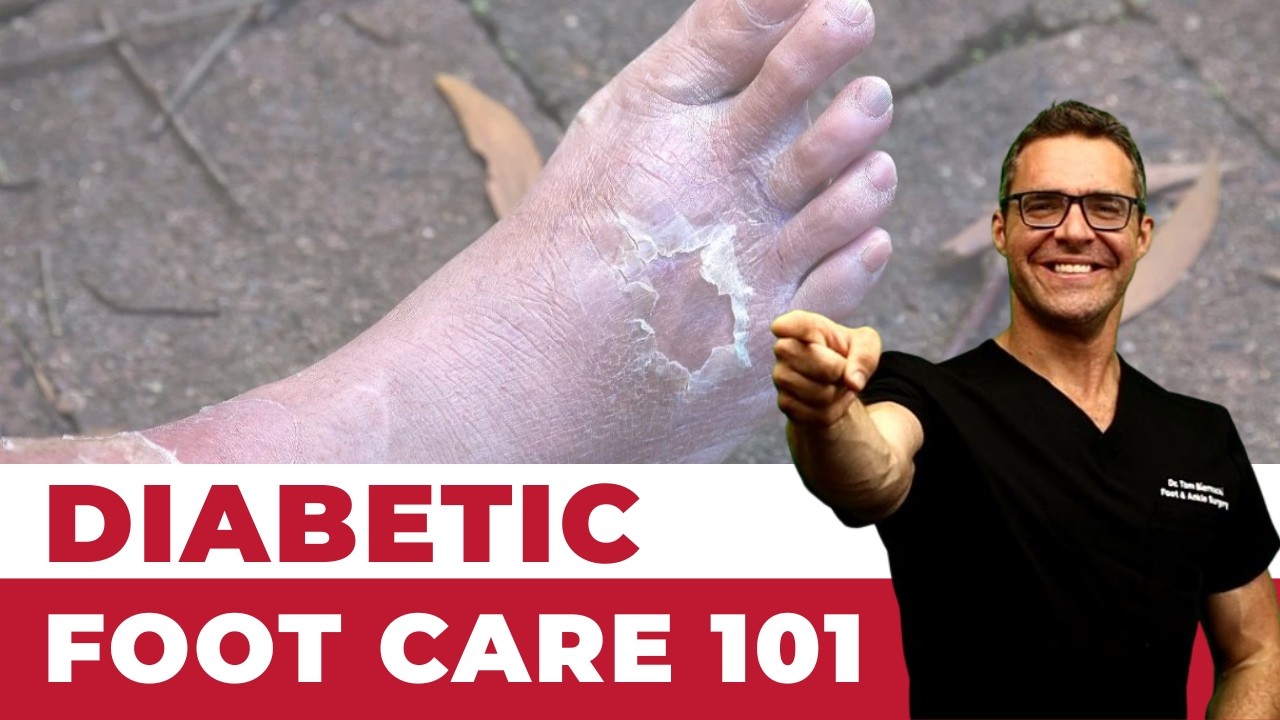
✅ Medically reviewed by Dr. Tom Biernacki, DPM — Board-Certified Podiatrist · Last updated April 6, 2026
Does Insurance Cover Diabetic Foot Exams?
Medicare covers one comprehensive diabetic foot exam per year for patients with diabetic peripheral neuropathy, at no cost to most patients (after Part B deductible). Commercial plans and Medicare Advantage plans vary — we verify your specific benefits before your visit.
Why Annual Diabetic Foot Exams Matter
If you have diabetes and haven’t had a foot exam this year, you’re leaving a covered benefit unused — and your feet at risk. The annual diabetic foot exam catches early neuropathy, circulation problems, callus formation, and pre-ulcerative conditions before they become wounds requiring hospitalization or worse. Studies show patients who receive regular diabetic foot exams have dramatically lower rates of ulceration and amputation. At Balance Foot & Ankle in Howell and Bloomfield Township, we see this difference every day. Call (810) 206-1402.
What the Annual Diabetic Foot Exam Includes
Our comprehensive diabetic foot exam covers: monofilament sensation testing (checking for protective sensation loss), vibration threshold testing, vascular assessment (pulses, capillary refill, ankle-brachial index when indicated), skin and nail inspection, callus assessment and removal when needed, footwear evaluation, coordination with your diabetes care team for flagged findings, and Medicare Therapeutic Shoe Program enrollment when eligible. This is far more comprehensive than the brief foot check at a PCP visit.
Medicare Coverage Details for Diabetic Foot Exams
Original Medicare (Part B): Covers one comprehensive diabetic foot exam per year for Medicare beneficiaries with diabetes who have no open wounds on their feet. If you have documented peripheral neuropathy, you qualify for exams every 6 months. After your Part B deductible ($257 in 2026), Medicare pays 80% and you owe 20%. With a Medigap plan, your out-of-pocket cost is often $0.
Important rule: You cannot have seen your treating podiatrist for any reason in the 6-month period immediately prior to the diabetic foot exam (this is specific to the preventive diabetic exam benefit — it does not apply to exams for symptoms or treatment).
Medicare Advantage (Part C): All Michigan Medicare Advantage plans cover annual diabetic foot exams at minimum matching Original Medicare. Many plans offer lower copays or additional covered visits. BCBS Medicare Plus Blue PPO, Humana, Aetna, HAP, Meridian, Priority Health, and others all cover diabetic foot exams.
Commercial Insurance (BCBS, Aetna, United, Cigna, HAP): Most commercial plans cover diabetic foot care as part of preventive benefits and/or chronic disease management. Frequency and cost-sharing vary by plan. We verify your specific benefits before your appointment.
Medicaid: Michigan Medicaid and Healthy Michigan Plan cover diabetic foot exams with minimal or zero copay.
Diabetic Benefits That Pair With the Foot Exam
At the same visit as your diabetic foot exam, we can also enroll you in — or continue — the Medicare Therapeutic Shoe Program (one pair of diabetic shoes plus inserts per year, typically at no cost to Medicare patients), arrange professional nail care if you qualify, address any active foot concerns, and update your custom orthotics if needed. One visit, multiple covered benefits addressed efficiently.
Schedule Your Annual Exam Before Your Benefit Resets
Medicare benefits reset January 1. Don’t let your annual diabetic foot exam benefit expire unused. Call (810) 206-1402 to schedule at our Howell (Livingston County) or Bloomfield Township (Oakland County) office.
We contact your insurance company directly and verify your benefits, deductible status, and copay before every visit. No surprise bills.
📞 (810) 206-1402 | Howell: 4330 E Grand River Ave | Bloomfield Township: 43494 Woodward Ave #208
We accept Medicare, Medicare Advantage, BCBS, Aetna, United Healthcare, Cigna, Humana, HAP, Meridian, Priority Health, McLaren, Workers’ Comp, VA, and most Michigan insurance plans.
✅ MLS Dual-Wavelength Laser — FDA-cleared
✅ 3D-Scanned Custom Orthotics | ✅ Medicare Diabetic Shoe Program
✅ In-Office X-Ray & Ultrasound
📞 (810) 206-1402 | Howell & Bloomfield Township
More Podiatrist-Recommended Diabetic Essentials
Diabetic-Approved Walking Shoe
Orthofeet Sprint — seamless, extra-depth, designed for neuropathic feet.
Seamless Diabetic Sock


OS1st FS4 — non-binding, moisture-wicking, protects fragile diabetic skin.
Recovery Slide for Indoor Wear
HOKA Ora 3 — protects diabetic feet from barefoot injury at home.
As an Amazon Associate, Balance Foot & Ankle earns from qualifying purchases. Product recommendations are based on clinical experience; prices and availability shown above update live from Amazon.

When to See a Podiatrist
One unnoticed blister on a neuropathic foot can become a limb-threatening ulcer in under 14 days. Medicare covers diabetic shoes (A5500) and comprehensive foot exams annually for most diabetic patients with neuropathy or circulation concerns. Balance Foot & Ankle runs a dedicated diabetic limb-preservation program — vascular screening, offloading, ulcer care, and shoe fitting — all in one visit. Schedule your annual diabetic foot exam today.
Call Balance Foot & Ankle: (810) 206-1402 · Book online · Offices in Howell & Bloomfield Township
Frequently Asked Questions
Can I get a diabetic foot exam at the same visit as a regular podiatry appointment? The Medicare preventive diabetic foot exam is a specific benefit with rules about not having been seen recently for any reason. For patients with active foot conditions, a regular evaluation and management visit is more appropriate and allows us to address problems, not just screen. We’ll determine the right visit type when you call.
Does my PCP need to document my neuropathy for my exam to be covered? Yes — for some Medicare coverage scenarios (particularly routine nail care), documentation from your managing physician is required. Our office coordinates with your PCP or endocrinologist to ensure proper documentation is in place before your visit.
I have diabetes but no foot symptoms — do I still need the exam? Absolutely. The absence of foot symptoms in a diabetic patient with neuropathy is actually a warning sign, not reassurance. Neuropathy reduces pain — so problems develop silently. The exam finds what your feet can no longer tell you about.
Michigan patients can access expert diabetic foot care in Michigan at Balance Foot & Ankle. Our board-certified podiatrists serve Howell (4330 E Grand River) and Bloomfield Township (43494 Woodward Ave #208). Schedule an appointment online or call (810) 206-1402 for same-week availability.
Insurance Accepted
BCBS · Medicare · Aetna · Cigna · United Healthcare · HAP · Priority Health · Humana · View All →
Howell Office
4330 E Grand River Ave
Howell, MI 48843
Get Directions →
Bloomfield Township Office
43494 Woodward Ave, #208
Bloomfield Township, MI 48302
Get Directions →
Your Board-Certified Podiatrists



Ready to Get Back on Your Feet?
Same-week appointments available at both locations.
In-Office Treatment at Balance Foot & Ankle
If home care isn’t resolving your diabetic foot concern, a visit with a board-certified podiatrist is the fastest path to accurate diagnosis and a personalized plan. At Balance Foot & Ankle Specialists, Dr. Tom Biernacki, Dr. Carl Jay, and Dr. Daria Gutkin offer same-day and next-day appointments at both our Howell and Bloomfield Township offices. We perform on-site diagnostic ultrasound, digital X-ray, conservative care, advanced regenerative treatments, and minimally invasive surgery when indicated.
Call (810) 206-1402 or request an appointment online. Most insurance plans accepted, including Medicare, Blue Cross Blue Shield, Aetna, Cigna, and United Healthcare.
Differential Diagnosis: What Else Could It Be?
Several conditions share symptoms with Diabetic Neuropathy and are commonly misdiagnosed in the first office visit. Considering these alternatives is part of every Balance Foot & Ankle exam:
- Tarsal tunnel syndrome. Burning radiating into the arch with positive Tinel’s at the medial ankle.
- Peripheral artery disease. Pain with walking that resolves with rest, weak pulses, hair loss on toes.
- Lumbar radiculopathy. Symptoms following a dermatome, often with back pain — MRI of spine, not foot.
If your symptoms don’t fit the textbook pattern, ask your podiatrist which differentials they ruled out — that conversation often shortcuts months of trial-and-error treatment.
In Our Clinic
Diabetic neuropathy patients in our clinic often don’t realize they have it until we put a 10-gram Semmes-Weinstein monofilament to the plantar foot and they can’t feel it. Many arrive for an unrelated concern — an ingrown toenail, a callus — and we catch the neuropathy on screening. The conversation then shifts: we need to discuss daily foot inspections, appropriate footwear, the urgency of any blister or open area, and the timing of vascular referral if pulses are diminished. Comprehensive diabetic foot exams are covered by Medicare annually. If you have diabetes, we want to see you once a year even if nothing hurts.
Most Common Mistake We See
The most common mistake we see is: Stopping B-vitamin supplementation as soon as symptoms improve. Fix: maintain supplementation for 6-18 months alongside strict glucose control.
Warning Signs That Need Same-Day Care
Seek immediate evaluation at Balance Foot & Ankle if you experience any of the following:
- Sudden loss of sensation on one side
- Wound on the foot not felt by the patient
- One-sided symptoms (rule out compression)
- Back pain plus leg symptoms (possible radiculopathy)
Call (810) 206-1402 — same-day and next-day appointments at our Howell and Bloomfield Township offices.
Pros & Cons of Conservative Care for diabetic foot care
Advantages
- ✓ Daily inspection prevents amputation
- ✓ Most insurance covers DME
- ✓ Custom orthotics help
Considerations
- ✗ Daily commitment required
- ✗ Slow wound healing
- ✗ Charcot risk if neuropathy
In This Article
- Quick Answer
- In-Office Treatment at Balance Foot & Ankle
- Differential Diagnosis: What Else Could It Be?
Several conditions share symptoms with Diabetic Neuropathy and are commonly misdiagnosed in the first office visit. Considering these alternatives is part of every Balance Foot & Ankle exam: Tarsal tunnel syndrome. Burning radiating into the arch with positive Tinel’s at the medial ankle. Peripheral artery disease. Pain with walking that resolves with rest, weak pulses, hair loss on toes. Lumbar radiculopathy. Symptoms following a dermatome, often with back pain — MRI of spine, not foot. If your symptoms don’t fit the textbook pattern, ask your podiatrist which differentials they ruled out — that conversation often shortcuts months of trial-and-error treatment. In Our Clinic Diabetic neuropathy patients in our clinic often don’t realize they have it until we put a 10-gram Semmes-Weinstein monofilament to the plantar foot and they can’t feel it. Many arrive for an unrelated concern — an ingrown toenail, a callus — and we catch the neuropathy on screening. The conversation then shifts: we need to discuss daily foot inspections, appropriate footwear, the urgency of any blister or open area, and the timing of vascular referral if pulses are diminished. Comprehensive diabetic foot exams are covered by Medicare annually. If you have diabetes, we want to see you once a year even if nothing hurts. Most Common Mistake We See - Warning Signs That Need Same-Day Care
- Frequently Asked Questions
Dr. Tom’s Recommended Products for diabetic foot care
Affiliate disclosure: As an Amazon Associate, Balance Foot & Ankle earns from qualifying purchases. We only recommend products we use with patients.
Drew Moonwalker Diabetic Shoe Dr. Tom’s Pick
Best for: Medicare-covered diabetic footwear
Diabetic Compression Socks Dr. Tom’s Pick
Best for: Daily protection + circulation
Ready to Get Back on Your Feet?
Same-day appointments in Howell + Bloomfield Township. Most insurance accepted. Dr. Tom Biernacki, DPM & team.
Book Today — Same-Day Appointments Available
Call Now: (810) 206-1402
About Your Care Team at Balance Foot & Ankle
Dr. Tom Biernacki, DPM · Board-Certified Foot & Ankle Surgeon. Specializes in conservative-first care, minimally invasive bunion surgery, and complex reconstruction.
Dr. Carl Jay, DPM · Accepting new patients. Specializes in sports medicine, athletic injuries, and routine podiatric care.
Dr. Daria Gutkin, DPM, AACFAS · Accepting new patients. Specializes in surgical reconstruction and pediatric podiatry.
Locations: 4330 E Grand River Ave, Howell, MI 48843 · 43494 Woodward Ave Suite 208, Bloomfield Township, MI 48302
Hours: Mon–Fri 8:00 AM – 5:00 PM · (810) 206-1402
Doctor Hoy’s Natural Pain Relief Gel
Natural topical pain relief I use in our clinic. Arnica + camphor formula — apply directly to the area 3–4x daily. ($20–25)
Frequently Asked Questions
Why is diabetic foot care so important?
Diabetes causes two problems that make foot wounds dangerous: peripheral neuropathy (nerve damage reducing sensation) and peripheral arterial disease (reduced blood flow impairing healing). A small blister or cut that a non-diabetic person would notice and treat can go undetected in a diabetic patient for days, become infected, and progress to osteomyelitis. Diabetic foot ulcers are the leading cause of non-traumatic lower limb amputations. A consistent foot care routine and regular podiatry visits prevent most amputations.
How often should diabetic patients see a podiatrist?
Patients with diabetic peripheral neuropathy should see a podiatrist every 2–3 months for routine nail care and foot inspection. Patients with active foot complications (ulcers, Charcot foot, severe PAD) need more frequent visits — often every 2–4 weeks until stable. Even well-controlled diabetics without neuropathy benefit from annual foot exams. Many amputations we see in consultation could have been prevented with earlier, consistent podiatric care.
What is diabetic peripheral neuropathy?
Peripheral neuropathy is nerve damage from chronically elevated blood sugar, causing numbness, tingling, burning, or loss of sensation — typically starting in the toes and progressing upward in a ‘stocking’ distribution. The dangerous aspect isn’t the pain — it’s the absence of pain. Patients with severe neuropathy don’t feel blisters, cuts, pressure sores, or early infections. A wound can reach bone before it’s noticed. Neuropathy screening with a 10-gram monofilament is part of every diabetic foot exam.
What are the warning signs of a diabetic foot problem?
Seek same-day evaluation for: any open wound or blister that isn’t healing within 1–2 weeks, redness, warmth, or swelling in any part of the foot (possible Charcot fracture or infection), a new blister or callus, any red streaking or warmth spreading up the leg (cellulitis), foot or ankle pain in a diabetic patient with neuropathy (could be Charcot without pain). Don’t wait to see if it improves — diabetic foot infections are medical emergencies.
What is the best foot cream for diabetic feet?
The goal of diabetic foot cream is restoring the skin’s moisture barrier to prevent fissuring and cracking — the entry points for infection. Look for urea-based creams (10–25% urea) or lactic acid formulations that actually penetrate thickened skin rather than sitting on the surface. AmLactin 12%, Eucerin Diabetics’ Dry Skin Relief, and Gold Bond Diabetics’ Dry Skin Relief are clinical-grade options. Avoid cream between the toes — moisture retention between toes promotes maceration and fungal infection.
Can diabetic patients get foot massages?
Light massage is generally safe for diabetic patients without active wounds, severe edema, or PAD. However, deep tissue massage or vigorous rubbing should be avoided — with neuropathy, patients can’t feel if tissue is being damaged. Foot massagers with rollers or intense vibration should be avoided entirely. If you enjoy foot massage, use gentle, light strokes with a diabetic-appropriate foot cream. Let your podiatrist know if you’re incorporating massage into your routine — we can advise based on your circulation status.
What type of socks should diabetic patients wear?
Diabetic socks: seamless (seams can create pressure sores over a neuropathic foot), non-binding at the top (circulation-restrictive socks worsen PAD), moisture-wicking (polyester/wool blend reduces bacterial environment), padded sole (cushions bony prominences). Avoid cotton socks for active patients — cotton retains moisture. Never wear socks with elastic bands that leave marks on the leg. Brands specifically designed for diabetic feet: Thorlos, Wigwam, and most major medical supply brands.
Should diabetic patients cut their own toenails?
It depends on neuropathy severity and vision. Patients with mild neuropathy and good vision can safely trim nails straight across without cutting the corners. Patients with moderate-to-severe neuropathy, poor vision, or thick nails should not self-trim — the risk of cutting the surrounding skin (which they may not feel) is too high. This is exactly what podiatry nail care visits are for. Medicare and most insurance plans cover routine foot care for diabetic patients with documented neuropathy.
What is Charcot foot and how serious is it?
Charcot neuroarthropathy is a serious diabetic complication where neuropathy allows repeated micro-fractures to occur without pain, leading to progressive bone and joint destruction and foot deformity. The classic presentation: a warm, swollen, red foot in a diabetic patient — often mistaken for cellulitis. Early Charcot (caught within weeks of onset) can be managed with a total contact cast to prevent further collapse. Late Charcot with significant arch destruction often requires reconstructive surgery. Missing the diagnosis is catastrophic — a single patient with missed Charcot can progress to a rocker-bottom deformity requiring amputation.
Does insurance cover diabetic foot care?
Medicare Part B covers routine foot care (nail trimming, callus debridement) for diabetic patients with documented peripheral neuropathy — one visit every 2 months. Most PPO and HMO plans follow similar coverage rules. Diabetic shoes and insoles are covered under Medicare’s Therapeutic Shoe Bill (one pair of shoes plus three pairs of custom insoles per year). Call us at (810) 206-1402 and we’ll verify your specific coverage before your first appointment.
Ready for Expert Care?
Same-day appointments in Howell & Bloomfield Township, MI.
4.9★ | 1,123 Reviews | 3,000+ Surgeries
Or call: (810) 206-1402

Dr. Tom Biernacki, DPM is a board-certified foot & ankle surgeon (ABFAS & ABPM) at Balance Foot & Ankle Specialists in Southeast Michigan. With over a decade of clinical experience, he specializes in heel pain, bunions, diabetic foot care, sports injuries, and minimally invasive surgery. Dr. Biernacki is a member of the APMA and ACFAS, and his patient education content on MichiganFootDoctors.com and YouTube has made him one of the most-followed foot & ankle educators on YouTube.
More questions patients ask
What is included in a covered diabetic foot exam?
A comprehensive diabetic foot exam at Balance Foot & Ankle (covered by Medicare and most insurance) includes: monofilament sensation testing, vibration testing, ankle reflexes, pulse palpation, visual inspection of skin and nails, pressure assessment, shoe evaluation, and clinical documentation. We also review blood sugar control, medication history, and coordinate with your diabetes care team when concerning findings arise. The exam typically takes 30–45 minutes.
How do I get my diabetic foot exam covered by Medicare?
To get Medicare coverage for diabetic foot exams at Balance Foot & Ankle: (1) your primary care physician or endocrinologist must document diabetic peripheral neuropathy and certify loss of protective sensation, (2) Balance Foot & Ankle submits claims with appropriate diagnosis codes confirming diabetes with neuropathy, (3) exams are scheduled no more frequently than every 6 months to qualify for the Medicare-covered benefit. Call (810) 206-1402 for scheduling — bring your primary care physician's documentation to your first visit.
Does insurance cover routine nail care for diabetics?
Routine nail care (trimming and debridement) is covered by Medicare and some commercial insurance for diabetic patients with documented systemic conditions: peripheral neuropathy, peripheral vascular disease, or metabolic disease. Without these qualifying conditions, routine nail care is excluded from coverage. Balance Foot & Ankle documents the qualifying systemic conditions for patients eligible for covered nail care. For diabetic patients, nail care is often part of the comprehensive foot exam visit.
What's the difference between a diabetic foot exam and a regular foot visit?
A diabetic foot exam at Balance Foot & Ankle uses specialized tools (monofilament, tuning fork, Doppler ultrasound) to assess the specific complications of diabetes — neuropathy and vascular disease. A regular podiatric visit addresses any foot complaint. For diabetic patients, Balance Foot & Ankle incorporates diabetic-specific assessments into every visit regardless of the presenting complaint, ensuring systematic monitoring of conditions that develop silently before causing symptoms.
How often should diabetics check their feet?
Daily self-exams plus professional exams annually (or every 3-6 months for neuropathy/PAD patients). Dr. Biernacki provides comprehensive diabetic foot care programs.
Why do diabetics have foot problems?
Diabetes causes nerve damage, reduced blood flow, and impaired immunity. Injuries go unnoticed and heal slowly. ~15% of diabetics develop ulcers. Prevention through regular podiatric care is essential.
What are signs of diabetic neuropathy?
Tingling, burning, numbness starting in toes, sensitivity to touch, muscle weakness, balance problems. Schedule evaluation at 810-206-1402 for nerve testing and management.
Still have a question about coverage or cost? Book online and we will check your benefits before your visit: Book in Howell · Book in Bloomfield Township. Prefer to talk it through first? Call (810) 206-1402.