
Medically reviewed by Dr. Tom Biernacki, DPM
Board-certified podiatric surgeon | Balance Foot & Ankle
Last reviewed: May 2026

Wearing nail polish does not directly cause toenail fungus — but the trapped moisture and oxygen-blocking effect creates an environment where existing fungus thrives. The fix is not to stop polish entirely, but to stop it correctly.
You’ve come to the right podiatry team. Dr. Tom Biernacki, DPM, FACFAS — board-certified foot & ankle surgeon with 3,000+ surgeries — explains exactly what whether nail polish causes toenail fungus means and what works. Call (810) 206-1402 for same-day appointment at Howell or Bloomfield Township.
Quick answer:Nail polish does not directly cause toenail fungus, but wearing it continuously can trap moisture and hide an early infection, letting it spread unnoticed. Give nails polish-free breaks, and see a podiatrist if a nail turns thick, yellow, or brittle. Call (810) 206-1402.
✅ Medically reviewed by Dr. Tom Biernacki, DPM — Board-Certified Podiatrist · Last updated April 7, 2026
Last Updated: April 2026 | Reading Time: 12 min
This article is for informational purposes only and does not replace professional medical advice. Schedule an appointment for personalized care.
The most important clinical decision with Does Wearing Nail Polish Cause Toenail Fungus isn’t which treatment to start with — it’s identifying the correct subtype. That changes everything. Call (810) 206-1402.
Watch: White Toenails After Polish or Pedicure
Dr. Tom explains the difference between polish staining, dehydration, and actual toenail fungus — plus the best home remedies:
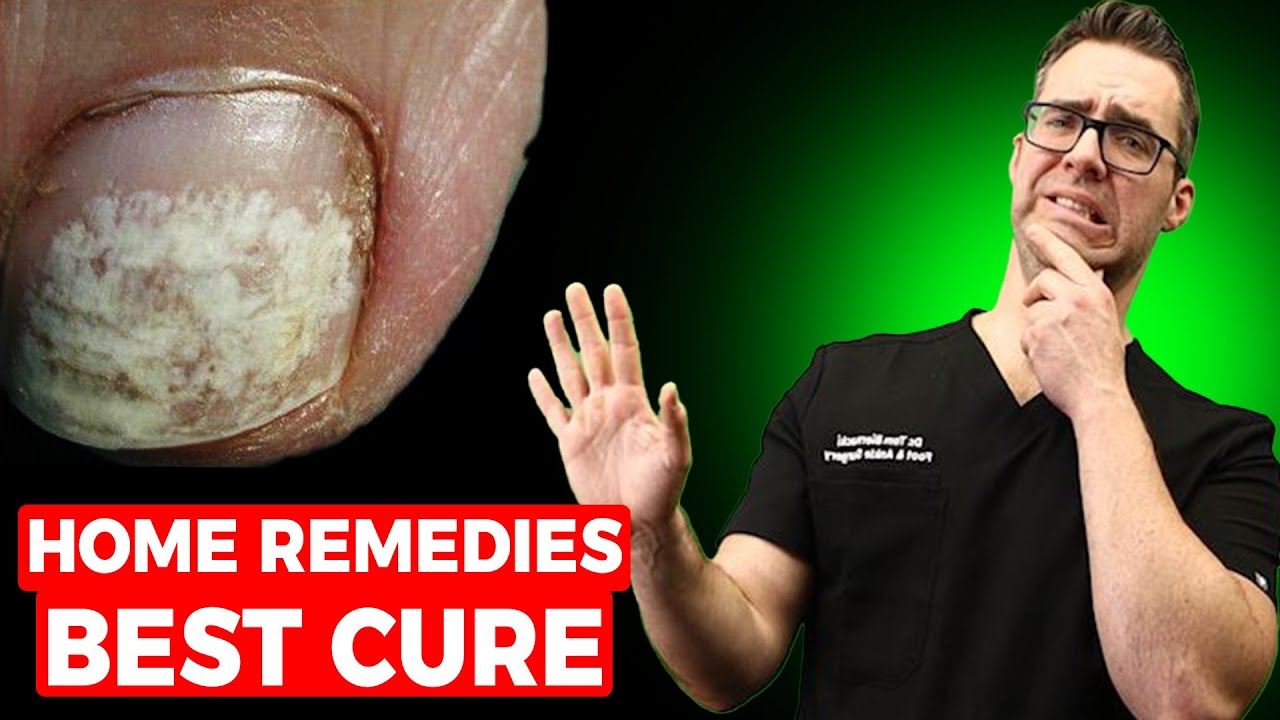
Toenails look strange after removing polish? Book an appointment · (810) 206-1402
Quick Answer
Nail polish itself does not cause toenail fungus. However, keeping polish on for weeks traps moisture and blocks airflow, creating conditions that help fungus thrive. In about 90% of cases, white or yellow toenails after removing polish are caused by keratin dehydration from acetone — not a fungal infection. The key difference: dehydrated nails are white, smooth, and improve within days, while fungal nails are thick, crumbly, and progressively worsen.
In This Article
You remove your toenail polish after a few weeks and notice something alarming — your nails are white, chalky, or yellowish. Your first thought is fungus. Before you panic, there is good news: the vast majority of nail discoloration after polish removal is not fungal at all. It is simple keratin dehydration caused by acetone in nail polish remover, and it resolves on its own within a few days.
That said, nail polish can indirectly contribute to fungal infections under certain circumstances. Understanding the difference between harmless staining and an actual infection saves you unnecessary worry — and helps you catch real fungal problems early before they spread.
Does Nail Polish Actually Cause Toenail Fungus?
The short answer is no — nail polish does not directly cause onychomycosis (toenail fungus). Fungal nail infections are caused by dermatophyte fungi, most commonly Trichophyton rubrum, which invade the nail bed through microscopic cracks or separations in the nail plate.
However, polish creates an environment that can promote fungal growth in three important ways. First, it seals the nail surface and blocks oxygen exchange, creating the dark, moist environment fungi prefer. Second, the acetone used to remove polish strips natural oils from the nail plate, making it more porous and vulnerable to fungal penetration. Third, leaving polish on for extended periods prevents you from noticing early signs of infection like subtle discoloration or thickening.
Think of it this way: polish does not plant the seed, but it can fertilize the soil. If your feet are already exposed to fungal spores — from shared showers, pools, or sweaty shoes — polish makes it easier for those spores to establish an infection.
Keratin Dehydration vs. Toenail Fungus — How to Tell the Difference
This is the most important distinction to understand, because the treatment for each is completely different.
| Feature | Keratin Dehydration (90%) | Toenail Fungus (10%) |
|---|---|---|
| Appearance | White, chalky, uniform discoloration | Yellow, brown, or green; patchy or streaked |
| Nail texture | Smooth, thin, flexible | Thick, crumbly, brittle, ragged edges |
| Odor | None | Foul or musty smell |
| Nail separation | No — nail stays attached | Yes — nail lifts from bed (onycholysis) |
| Resolution time | 2–5 days with moisturizing | 3–12 months with treatment |
| Spreads to other nails | No | Yes — can spread progressively |
| Pain | None | Possible pressure pain in shoes |
Clinical tip: If your nails turn white immediately after removing polish and the discoloration is uniform across all painted nails, that is almost certainly dehydration. Fungal infections are rarely symmetrical — they typically start in one nail and spread unevenly over weeks to months.
5 Nail Polish Habits That Increase Fungus Risk
While polish itself is not the culprit, certain habits around polish use significantly raise your risk of developing a fungal infection.
1. Leaving polish on for more than two weeks. Extended wear traps moisture and prevents the nail from breathing. The longer polish stays on, the more hospitable the environment becomes for dermatophytes. Ideally, remove and reapply polish every 7–10 days, and give your nails a bare rest day between applications.
2. Applying polish over an existing infection. Many people cover discolored nails with dark polish to hide the problem, which only accelerates fungal growth. If a nail looks suspicious before you polish it, have it evaluated first.
3. Using harsh acetone removers repeatedly. Pure acetone strips the nail plate of its natural oils and keratin moisture, creating micro-fissures that fungi can penetrate. Use acetone-free removers or limit acetone exposure by applying cuticle oil immediately after removal.
4. Sharing nail tools without sterilizing. Nail clippers, files, and buffers can harbor fungal spores. Never share tools, and clean your own between uses with 70% isopropyl alcohol.
5. Wearing closed-toe shoes immediately after a pedicure. Freshly polished nails stuffed into shoes create a warm, moist, dark environment — essentially an incubator for fungus. Let your nails dry completely and wear open-toe shoes for a few hours after any pedicure.
Pedicure and Salon Infection Risks
Salon pedicures are one of the most common ways people unknowingly pick up toenail fungus. The risk comes from improperly sterilized foot baths, shared instruments, and technicians who may not recognize early signs of infection in other clients.
To protect yourself, look for salons that use autoclaved (heat-sterilized) instruments or single-use disposable tools. Foot bath tubs should be drained and sanitized between every client. If a salon does not have visible sterilization practices, that is a red flag.
A safer alternative is a medical pedicure performed by a podiatrist or licensed foot care nurse. At Balance Foot & Ankle, our medical pedicures use hospital-grade sterilization and are performed by professionals trained to identify nail pathology. This is especially important for patients with diabetes, peripheral neuropathy, or immune compromise.
Treatment Guide by Cause
Once you have identified whether your nail issue is dehydration or fungal, treatment is straightforward.
For Keratin Dehydration (White Nails After Polish Removal)
Apply cuticle oil or vitamin E oil to the nail surface twice daily. The nail plate will rehydrate and return to its normal translucent color within 2–5 days. Avoid reapplying polish until the nail looks healthy. If you use acetone, apply a hydrating base coat before your next polish application to create a protective barrier.
For Mild Toenail Fungus (Less Than 50% of Nail Affected)
Start with a topical antifungal containing either tolnaftate, undecylenic acid, or ciclopirox. Apply daily to the nail and surrounding skin after showering. Use a UV shoe sanitizer to eliminate fungal spores in your footwear — reinfection from shoes is the number one reason topical treatments fail. Treatment duration is typically 3–6 months because you need to wait for the entire nail to grow out.
For Moderate to Severe Toenail Fungus (More Than 50% Affected)
Topical treatments alone rarely clear advanced infections. See a podiatrist for a confirmed diagnosis (nail clipping culture or KOH prep) and discussion of oral antifungal therapy such as terbinafine. At Balance Foot & Ankle, we also offer laser treatment for toenail fungus, which can be effective as a standalone therapy or in combination with topicals.
Best Products for Toenail Health
These are the products our podiatrists most frequently recommend for patients dealing with polish-related nail discoloration and fungal prevention.
OUR #1 PICK
FungiNail Anti-Fungal Pen
Precision applicator delivers undecylenic acid directly to the affected nail. Easy to use, mess-free, and clinically proven to penetrate the nail plate. Best for early-stage infections and prevention.
Best for: Early fungal infections, prevention after polish removal
UV Shoe Sanitizer
Kills 99.9% of fungal spores, bacteria, and odor-causing microbes inside your shoes using UV-C light. Insert into shoes for 25 minutes after each wear. This is the single most overlooked step in fungal treatment — your shoes reinfect your nails daily without this.
Best for: Preventing reinfection, eliminating shoe fungus
Tea Tree Oil (100% Pure)
Natural antifungal with evidence supporting its use as a complementary treatment for mild onychomycosis. Apply one drop to the nail bed daily after showering. Works best in combination with conventional antifungals, not as a replacement.
Best for: Adjunctive natural therapy, nail conditioning
Affiliate disclosure: We may earn a small commission from qualifying purchases at no extra cost to you. This supports our educational content.
How to Wear Polish Safely — 6 Rules
You do not need to give up nail polish to keep your toenails healthy. Follow these six evidence-based guidelines to minimize your risk.
1. Limit continuous wear to 7–10 days. Remove polish, let nails breathe for 24 hours, then reapply if desired. This simple rotation prevents chronic moisture trapping.
2. Use a hydrating base coat. Apply a keratin or vitamin-E enriched base coat before color. This protects the nail plate from pigment staining and acetone damage.
3. Choose acetone-free remover when possible. Soy-based or ethyl-acetate removers are gentler on nails. If you must use acetone, follow immediately with cuticle oil.
4. Try breathable nail polish. Brands like Ella+Mila and Zoya offer water-permeable formulas that allow oxygen and moisture exchange through the polish layer, reducing the sealed environment fungi prefer.
5. Never polish over a suspicious nail. If a nail looks discolored, thickened, or separated before you apply polish, get it checked. Covering an infection delays diagnosis and worsens outcomes.
6. Sanitize your tools after every use. Soak metal instruments in 70% isopropyl alcohol for 10 minutes. Replace disposable files and buffers regularly. Never share tools.
⚠ See a Podiatrist If You Notice
- Yellow, green, or brown discoloration that does not improve within one week of removing polish
- Nail thickening, crumbling, or ragged edges
- Nail lifting or separating from the nail bed
- Foul odor from the nail
- Pain or tenderness around the nail
- Spreading discoloration to adjacent nails
- Dark streaks under the nail (could indicate melanoma — seek urgent evaluation)
⚠️ When to see a podiatrist:
- Nail thickening or crumbling despite treating with antifungal polish
- Yellow or white spots spreading under the nail
- Nail lifting from the nail bed
- Skin rash or athlete’s foot around the toenails
- Any nail changes with diabetes or circulation problems
⭐ 4.4★ · 12,000+ Reviews
Fungal nails thrive in moist, crowded environments. These gel separators improve airflow between toes — reducing the conditions that allow nail fungus to spread.
PowerStep Pinnacle Arch Support
⭐ 4.5★ · 45,000+ Reviews
Shoe pressure compresses toenails and traps moisture. Proper arch support reduces toe-box crowding, keeping nails healthier and less susceptible to fungal infiltration.
Frequently Asked Questions
How long does it take a toenail to grow back?
6-12 months for a full big toenail. Smaller toenails 4-6 months. Speed varies with age, circulation, and nutrition.
Will this affect other nails?
Trauma affects only the injured nail. Fungal infection can spread without treatment. Systemic causes affect multiple nails simultaneously.
Should I cover the nail or leave it open?
Cover with a breathable bandage during work or activity. Leave open at night for healing. Keep dry and clean.
What is Toenail fungus?
Toenail fungus is a common foot/ankle condition that affects mobility and quality of life. Understanding the underlying cause is the first step in successful treatment. Our podiatrists at Balance Foot & Ankle perform a hands-on biomechanical exam, review your activity history, and use diagnostic imaging when appropriate to identify the root cause—not just treat the symptom. Many patients have been told to “rest and ice” without a deeper diagnostic workup; our approach is different.
Symptoms and warning signs
Common signs of toenail fungus include pain that worsens with activity, morning stiffness, swelling, tenderness when palpated, and difficulty bearing weight. If you experience sudden severe pain, inability to walk, visible deformity, numbness or color change, contact our office the same day or visit urgent care—these can signal a more serious injury such as a fracture, tendon rupture, or vascular compromise. Diabetics with any foot wound should seek same-day care.
Conservative treatment options
Most cases of toenail fungus respond to non-surgical care: structured rest, supportive footwear changes, custom orthotics, targeted stretching and strengthening protocols, anti-inflammatory medications when medically appropriate, and in-office procedures such as ultrasound-guided injections. We also offer advanced therapies including MLS laser therapy, EPAT/shockwave, regenerative injections, and image-guided procedures. Treatment is sequenced from least invasive to most invasive, and we explain the rationale at every step.
When is surgery considered?
Surgery is reserved for cases that fail 3-6 months of well-structured conservative care, when there is structural pathology (severe deformity, complete tear, advanced arthritis), or when imaging shows damage that will not heal without intervention. Our surgeons have performed 3,000+ foot and ankle procedures and prioritize minimally-invasive techniques whenever appropriate. We discuss recovery timelines, return-to-activity milestones, and realistic outcome expectations before any procedure is scheduled.
Recovery timeline and prevention
Recovery from toenail fungus varies based on severity and chosen treatment path. Conservative cases often improve within 4-8 weeks with consistent adherence to the protocol. Post-procedural recovery may range from a few days (in-office procedures) to several months (reconstructive surgery). Long-term prevention involves footwear assessment, activity modification, structured strengthening, and regular check-ins with your podiatrist if you have a history of recurrence. We provide written home-exercise plans and digital follow-up support.
Ready to feel better?
Same-week appointments available in Howell and Bloomfield Township, Michigan.
Book Your VisitReady to fix this for good?
Reading goes so far. The fastest path is a 30-minute office visit. Same-day Howell or Bloomfield Township. Call (810) 206-1402.
In-Office Treatment at Balance Foot & Ankle
If home treatment isn’t providing relief for your toenail condition, our podiatry team at Balance Foot & Ankle can help with same-day evaluations and advanced in-office care.
Ready to Get Relief?
Same-day appointments available in Howell & Bloomfield Township, MI
4.9★ | 1,123 Reviews | 3,000+ Surgeries
Or call: (810) 206-1402

Dr. Tom Biernacki, DPM is a board-certified foot & ankle surgeon (ABFAS & ABPM) at Balance Foot & Ankle Specialists in Southeast Michigan. With over a decade of clinical experience, he specializes in heel pain, bunions, diabetic foot care, sports injuries, and minimally invasive surgery. Dr. Biernacki is a member of the APMA and ACFAS, and his patient education content on MichiganFootDoctors.com and YouTube has made him one of the most-followed foot & ankle educators on YouTube.
More questions patients ask
Can nail polish cause toenail fungus?
Nail polish doesn't directly cause fungal infections, but it creates a dark, sealed environment that fungi love. Polish also hides early signs of infection, delaying treatment. Wearing polish continuously without breaks increases the risk of undetected fungal growth.
How do I prevent toenail fungus if I wear nail polish?
Take 1-2 week breaks between polish applications, use antifungal base coats, keep nails trimmed, ensure the salon sterilizes tools, and bring your own implements. Inspect nails during polish-free periods for any signs of discoloration or thickening.
Should I remove nail polish if I suspect toenail fungus?
Yes. Remove polish immediately to examine the nail. If you see yellowing, thickening, or white spots, see a podiatrist. Treatment works best when started early. Don't reapply polish until the infection is treated, as polish traps moisture and worsens fungus.
Still have a question about coverage or cost? Book online and we will check your benefits before your visit: Book in Howell · Book in Bloomfield Township. Prefer to talk it through first? Call (810) 206-1402.