
Medically reviewed by Dr. Tom Biernacki, DPM
Board-certified podiatric surgeon | Balance Foot & Ankle, Howell & Bloomfield Township, MI
Last reviewed: May 2026

| Condition | Prevalence in Elderly | Appearance | Treatment | Medicare Coverage? |
|---|---|---|---|---|
| Onychomycosis (fungal nail) | Up to 50% over age 70 | Yellow-brown, thickened, crumbly | Oral terbinafine, topical efinaconazole, laser | Not typically covered |
| Subungual hyperkeratosis | Very common | White-gray material under nail | Regular debridement by podiatrist | Yes, with qualifying Dx |
| Onychauxis (simple thickening) | Common with aging/trauma | Thick but normal color | Nail reduction, orthotics to prevent trauma | Yes, with qualifying Dx |
| Ingrown toenail | Common, especially in diabetics | Painful, red, possibly infected edge | Nail avulsion ± matrixectomy | Yes (surgical procedure) |
| Ram’s horn nail (onychogryphosis) | Common in elderly/neglected nails | Severely curved/hooked, thick | Podiatric reduction or avulsion | Yes, with qualifying Dx |
| Patient Category | Self-Care Appropriate? | Professional Care Frequency | Medicare Coverage |
|---|---|---|---|
| Healthy elderly (no systemic disease) | Yes with proper technique | PRN or every 8–12 weeks | Not covered (routine) |
| Diabetes (any type) | Caution — qualified caregiver preferred | Every 6–8 weeks | Yes — G0127 or E0700 codes |
| Peripheral neuropathy | Significant risk — professional preferred | Every 6–8 weeks | Yes — with clinical documentation |
| Peripheral arterial disease | High risk — avoid self-care | Every 6–8 weeks | Yes — with ABI/Doppler documentation |
| On anticoagulants (warfarin/Eliquis) | Use caution; professional preferred | Every 8 weeks | Depends on qualifying condition |
Quick answer:Older adults often need help with toenail care because thick nails, poor eyesight, arthritis, or reduced circulation make safe trimming hard. A podiatrist trims and thins the nails with sterile tools, checks for problems, and for many qualifying patients the visit is Medicare-covered. Call (810) 206-1402.
Medically Reviewed | Dr. Tom Biernacki, DPM | Board-Certified Podiatrist | Balance Foot & Ankle, Michigan
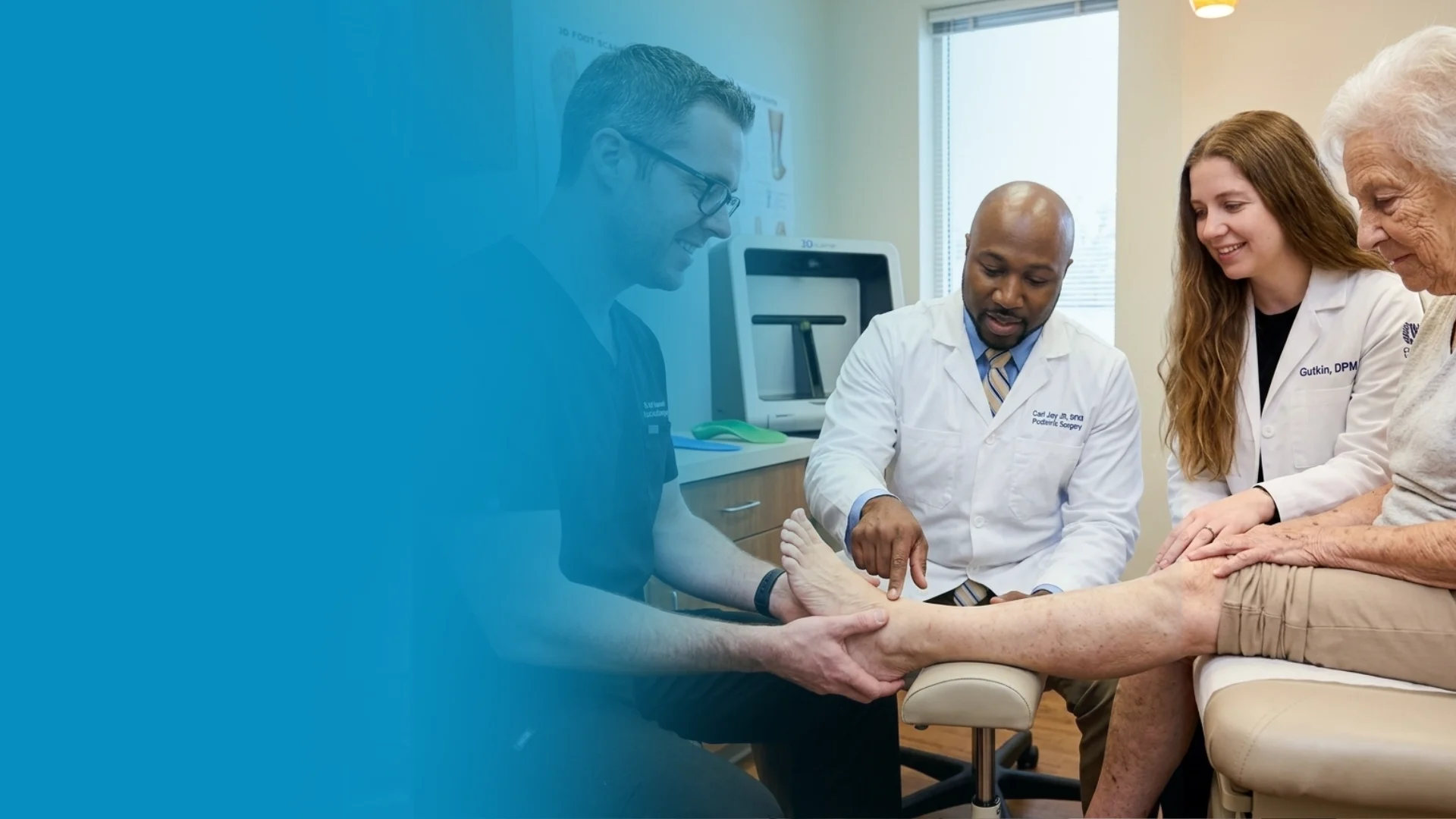
![Tea Tree Oil Toenail Fungus Home Treatment [Doctor Cure!]](https://www.michiganfootdoctors.com/wp-content/cache/flying-press/a434e04a532dc4826563b11aa0541dd4.jpg)
Watch: Tea Tree Oil Toenail Fungus Home Treatment [Doctor Cure!] — MichiganFootDoctors YouTube
Elderly Toenail Care: Quick Answer
Toenail care becomes more complex with aging – thicker nails, vision changes, limited reach, and increased risks. Improper toenail care leads to ingrown nails, infections, and even amputations in diabetic seniors. We help thousands of elderly patients yearly at Balance Foot and Ankle. Here is the safe approach.

Why Toenail Care Matters in Elderly
Common issues in elderly: 1. Thickened nails: harder to trim; common with aging. 2. Fungal infections: 30-40% of seniors. 3. Ingrown nails: from improper trimming. 4. Reduced flexibility: cant reach feet. 5. Vision impairment: cant see nails clearly. 6. Decreased grip strength: cant operate clippers safely. 7. Diabetic complications: serious risks from cuts. Untreated toenail problems lead to infections, ingrown nails, mobility issues, and falls.
When Self-Care Is Still Possible
Elderly can safely self-trim if: Adequate vision (with reading glasses); adequate hand strength and dexterity; can reach feet (sit on chair with foot on opposite knee); no diabetic neuropathy or vascular disease; no nail thickening or fungal infection requiring professional care; no current ingrown nail or infection. If any of these are problematic, professional care is safer and often Medicare-covered.
Safe Self-Trimming Technique for Seniors
Step-by-step: 1. Soak feet 5-10 minutes in warm water to soften nails. 2. Sit comfortably with foot on opposite knee or footstool. 3. Use sharp toenail clippers (NOT scissors). 4. Trim straight across, not curved. 5. Leave nail edge level with or just past toe tip. 6. File rough edges with emery board (one direction only). 7. Inspect nails for any abnormalities. 8. Apply moisturizer to feet (NOT between toes).
Common Mistakes to Avoid
1. Cutting too short: causes ingrown nails. 2. Rounding corners: #1 cause of ingrown nails. 3. Using scissors: imprecise; risk of cuts. 4. Trying to remove too much at once: causes splits and tears. 5. Cutting wet nails outside of soak: nails too soft, tear unevenly. 6. Sharing nail clippers: spreads fungal and bacterial infections. 7. Not addressing thickened nails: they wont return to normal without professional thinning.
When to See a Podiatrist for Routine Care
Routine podiatric foot care is appropriate for: 1. Diabetic patients (Medicare-covered every 60 days for qualifying patients). 2. Patients with neuropathy. 3. Patients with peripheral arterial disease. 4. Patients on blood thinners (cant risk cuts). 5. Severely thickened nails. 6. Active fungal infections. 7. Patients unable to reach own feet. 8. Patients with vision impairment limiting safe trimming.
What Medicare Covers for Elderly Foot Care
Routine foot care every 60 days for qualifying patients with: diabetes, peripheral neuropathy, peripheral arterial disease, certain other conditions affecting circulation/sensation. Includes: nail trimming, callus removal, basic foot care, foot exam. Does NOT cover routine foot care for healthy elderly without qualifying conditions. Other coverage: diabetic shoes annually, custom orthotics for medical necessity, ingrown nail removal, fungal nail treatment.
Managing Thickened Toenails (Onychogryphosis)
What it is: Severely thickened, distorted toenails common in elderly. Causes: trauma history, genetic predisposition, fungal infection, poor circulation, neglect of nail care over years. Treatment: Professional thinning with rotary tool every 6-8 weeks; Medicare-covered for qualifying patients; significantly improves comfort and shoe fit. Cannot be reversed but can be effectively managed.
Fungal Nail Infections in Elderly
Affect 30-40% of seniors: thickening, yellowing, crumbling, distortion. Treatment options: Mechanical debridement (every 6-8 weeks for symptom relief); topical antifungals (Jublia, Kerydin) – 17-25% cure rate; oral terbinafine – 60-80% cure rate but liver function tests needed; combination therapy – highest cure rates. Many elderly opt for symptom management (debridement) rather than cure given long treatment timelines and minimal functional difference.
Ingrown Toenail Prevention in Elderly
1. Trim straight across, not curved. 2. Properly fitting shoes (not too tight). 3. Address foot sweat (moisture-wicking socks). 4. Permanent matricectomy for recurrent ingrown nails (Medicare-covered for medical necessity). 5. Routine professional care if cant trim properly. Recurrent ingrown nails in elderly often warrant permanent solution rather than repeated removal.
When to Call Podiatrist Same-Day
Same-day evaluation needed: Pus drainage; spreading red streaking up the foot; severe pain; fever; new wound that wont stop bleeding; black or purple discoloration suggesting necrosis; signs of infection (warmth, drainage, redness). Diabetics should call same-day for ANY new foot finding. Most podiatry offices have same-day urgent appointments for these concerns. Same-week appointments at Balance Foot and Ankle.
Podiatrist-Recommended Products




Frequently Asked Questions About Elderly Toenail Care
Can elderly safely cut their own toenails?
Some can – if good vision, adequate dexterity, no diabetes/neuropathy/vascular disease, no nail problems requiring professional care. Others should have professional care (often Medicare-covered).
Will Medicare pay for elderly foot care?
Yes – routine foot care every 60 days for qualifying patients with diabetes, neuropathy, peripheral arterial disease, or other qualifying conditions. Does NOT cover routine care for healthy elderly without qualifying conditions.
How often should elderly toenails be trimmed?
Every 6-8 weeks for most patients. More often if rapid growth (rare in elderly) or specific medical conditions. Less often as growth slows with age.
What causes thick toenails in elderly?
Old trauma, fungal infection, poor circulation, genetic predisposition, neglect of nail care over years. Cannot be reversed but professional thinning every 6-8 weeks manages symptoms.
Is fungal toenail treatment necessary in elderly?
Depends on patient priorities. Treatment options: oral terbinafine (60-80% cure but needs liver tests), topical antifungals (17-25% cure), debridement only (symptom management). Many elderly opt for debridement only given long treatment timelines.
Should diabetics ever cut their own toenails?
Most podiatrists recommend professional trimming for diabetics to prevent injury and infection. Routine podiatry care is covered by Medicare every 60 days for qualifying diabetic patients.
What if I cant reach my own feet?
See a podiatrist for routine foot care every 60 days (Medicare-covered for qualifying patients). Family member can help with simple trimming. Avoid commercial pedicures (infection risk).
Related Resources from Balance Foot & Ankle
Still Dealing With Elderly Toenail Care?
Same-week appointments at Balance Foot & Ankle in Howell & Bloomfield Township, MI.
Book Your Appointment⚠️ Most Common Mistake: Ignoring persistent foot pain and continuing normal activity without evaluation. Early podiatric care prevents minor foot issues from becoming chronic, difficult-to-treat conditions.
Frequently Asked Questions
🏥 Recommended by Dr. Biernacki — Foundation Wellness Products
These are the same products Dr. Biernacki recommends to his patients at Balance Foot & Ankle in Michigan. Available through our trusted partners.
In-Office Treatment at Balance Foot & Ankle
If home treatment isn’t providing relief for your toenail condition, our podiatry team at Balance Foot & Ankle can help with same-week evaluations and advanced in-office care.
APMA: Foot Care for Elderly Patients
Ready to Get Relief?
Same-week appointments available in Howell & Bloomfield Township, MI
4.9★ | 1,123 Reviews | 3,000+ Surgeries
Or call: (810) 206-1402

Dr. Tom Biernacki, DPM is a board-certified foot & ankle surgeon (ABFAS & ABPM) at Balance Foot & Ankle Specialists in Southeast Michigan. With over a decade of clinical experience, he specializes in heel pain, bunions, diabetic foot care, sports injuries, and minimally invasive surgery. Dr. Biernacki is a member of the APMA and ACFAS, and his patient education content on MichiganFootDoctors.com and YouTube has made him one of the most-followed foot & ankle educators on YouTube.