
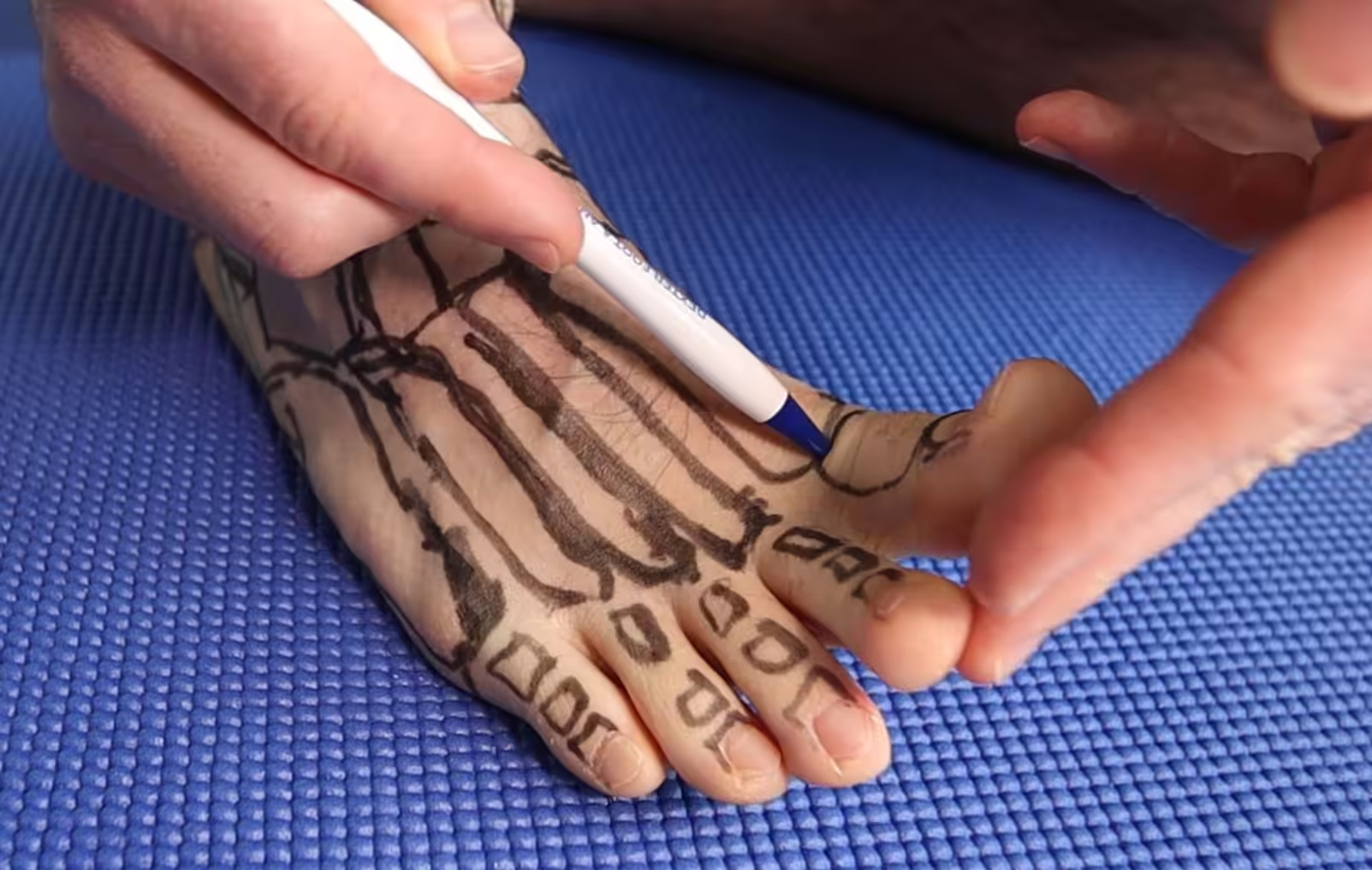
Quick answer: First Mtp Arthrodesis Indications Outcomes is a common foot/ankle topic that affects many patients. Effective treatment starts with a targeted diagnosis, conservative-first treatment, and escalation only when needed. We treat this regularly at our Howell and Bloomfield Township practices. Book online or call (810) 206-1402.
Medically reviewed by Dr. Tom Biernacki, DPM · Board-Certified Podiatric Surgeon · Last reviewed: April 2026 · Editorial Policy
The most important clinical decision with First Mtp Arthrodesis Indications Outcomes isn’t which treatment to start with — it’s identifying the correct subtype. That changes everything. Call (810) 206-1402.
Quick Answer
First Metatarsophalangeal Joint Arthrodesis: Indications and relates to foot pain — typically caused by overuse, footwear, or biomechanics. Most patients improve in 6-12 weeks with conservative care. Same-week appointments in Howell + Bloomfield Township: (810) 206-1402.

Medically reviewed by Dr. Tom Biernacki, DPM — Board-Certified Podiatric Surgeon — Balance Foot & Ankle, Howell & Bloomfield Township, MI. Last updated April 2026.
▶ Watch
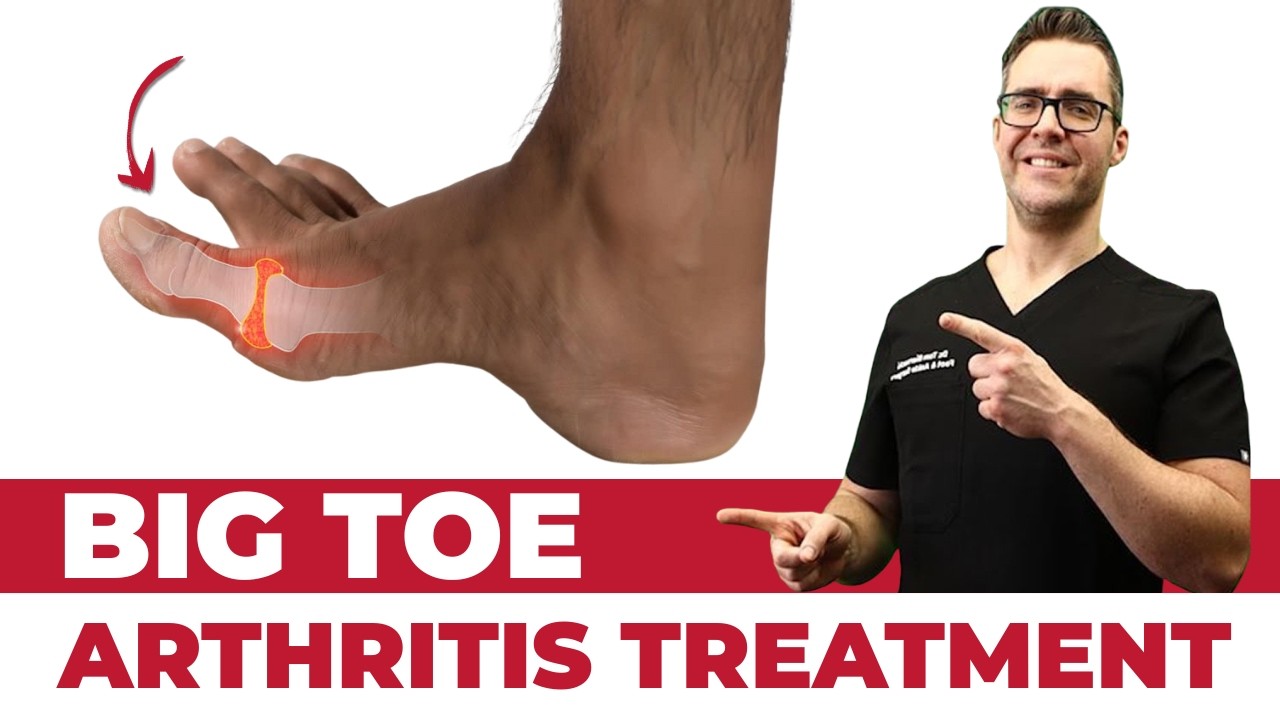
Medically Reviewed by Dr. Tom Biernacki, DPM — Board-Certified Podiatrist, Balance Foot & Ankle Specialists, Michigan. Last updated April 2026.
Arthrodesis (surgical fusion) of the first metatarsophalangeal (MTP) joint — hallux MTP joint fusion — is among the most reliable and durable procedures in foot surgery, providing permanent correction and excellent long-term pain relief for a wide spectrum of first MTP joint pathology. Though fusion eliminates MTP motion, clinical outcomes consistently demonstrate that patients maintain excellent walking function, shoe wear, and quality of life — because the first MTP joint’s functional contribution in normal gait is the windlass mechanism during terminal stance, not a many motion. Understanding the indications, technique, and realistic outcomes allows appropriate patient selection.
Indications
First MTP arthrodesis is indicated for: (1) hallux rigidus (end-stage first MTP osteoarthritis with complete or near-complete loss of joint space) — the most common indication, producing excellent outcomes in patients who have failed conservative management of advanced-stage disease; (2) hallux valgus in rheumatoid arthritis — RA hallux valgus recurrence after standard bunion osteotomy is high due to ongoing ligamentous laxity and synovial inflammation, making fusion the preferred definitive correction; (3) severe hallux valgus with first MTP joint arthrosis — when significant arthritic change accompanies the deformity, osteotomy alone produces unpredictable outcomes; (4) failed hallux valgus surgery with first MTP joint arthrosis; (5) hallux varus (overcorrected bunion or neuromuscular imbalance producing first MTP inversion deformity); and (6) gouty arthritis with significant joint destruction.
Surgical Technique
First MTP arthrodesis is performed through a dorsal longitudinal incision. The joint surfaces are prepared with a ball-and-socket reamer system or flat cuts to maximize bone contact surface area. The fusion position is critical: 15–20° of hallux valgus (to position the toe in the natural footprint), 10–15° of dorsiflexion relative to the first metatarsal (equivalent to approximately 20–25° dorsiflexion relative to the floor), and neutral rotation. Fixation options include crossed cancellous screws, dorsal plate plus crossed screw, and Lapiplasty-type fixation constructs. The dorsal plate provides superior bending stability compared to screw-only fixation, particularly for patients with osteoporosis or high demand. Bone graft is added when structural bone loss requires gap filling.
Postoperative Management and Healing
Standard postoperative management involves 2 weeks non-weight-bearing in a surgical splint, followed by progressive weight-bearing in a stiff-soled surgical shoe to 6–8 weeks, then transition to wide-toe-box athletic shoes at 8–12 weeks. Radiographic fusion confirmation typically occurs at 6–10 weeks on X-ray (loss of joint space lucency, trabecular bridging across the fusion site). CT scan is used when X-ray healing is equivocal at 12 weeks. Non-union occurs in 2–10% of first MTP fusions depending on technique and patient factors (smoking doubles non-union risk, as does uncontrolled diabetes). Painful non-union requires revision fusion with bone grafting.
Outcomes
Long-term outcomes of first MTP arthrodesis for hallux rigidus demonstrate 85–95% patient satisfaction in published series at 5–10 year follow-up. The American Orthopaedic Foot and Ankle Society (AOFAS) score improves from a mean of 40–50 preoperatively to 80–90 postoperatively. Walking speed, balance, and stair-climbing ability are maintained. Most patients return to normal walking shoes at 3–4 months. High-heeled shoes (above 1.5–2 inch heel) and certain athletic activities (toe-off sports requiring maximal dorsiflexion) are limited by the fusion, which should be discussed preoperatively.
First MTP Arthrodesis at Balance Foot & Ankle
Dr. Biernacki at Balance Foot & Ankle performs first MTP arthrodesis for hallux rigidus, RA hallux valgus, and revision hallux cases where fusion provides the most durable long-term correction. Preoperative consultation includes functional expectation counseling and X-ray-based surgical planning. Call (810) 206-1402 for evaluation of big toe joint pain or stiffness.
Big Toe Joint Arthritis? Get Expert Evaluation.
Serving Southeast Michigan from Bloomfield Township and Howell.
📞 (810) 206-1402 |
📧 Get Dr. Tom’s Free Lab Test Guide
Discover the 5 lab tests every person over 35 should ask their doctor about — explained in plain English by a board-certified physician.
📍 Located in Michigan?
Our board-certified podiatrists treat this condition at two convenient locations. Same-day appointments often available.

Insurance Accepted
BCBS · Medicare · Aetna · Cigna · United Healthcare · HAP · Priority Health · Humana · View All →
Howell Office
4330 E Grand River Ave
Howell, MI 48843
Get Directions →
Bloomfield Township Office
43494 Woodward Ave, #208
Bloomfield Township, MI 48302
Get Directions →
Your Board-Certified Podiatrists



Ready to Get Back on Your Feet?
Same-week appointments available at both locations.
Book Your AppointmentWatch: Dr. Tom explains
Podiatrist-recommended products
As an Amazon Associate, Dr. Tom earns from qualifying purchases.
Essential after 1st MTP fusion.
View on Amazon →Stiff shank for post-fusion gait.
View on Amazon →Peri-incisional comfort.
View on Amazon →Post-op swelling.
View on Amazon →Related resources
Ready to solve this? Book today.
Same-week appointments · Howell & Bloomfield Township · 4.9★ (1,123+ reviews)
☎ (810) 206-1402Book Online →Differential Diagnosis: What Else Could It Be?
Not every case of hallux rigidus (big-toe arthritis) is straightforward. In our clinic we routinely rule out three look-alike conditions before confirming the diagnosis. If your symptoms don’t match the classic presentation, one of these may explain the pain — which is why physical exam matters more than self-diagnosis.
| Condition | How It Differs |
|---|---|
| Bunion (hallux valgus) | Toe drifts laterally with a bump on the inside; ROM usually preserved early. |
| Gout attack | Sudden hot red swollen joint, often overnight; ROM restored once flare resolves. |
| Turf toe / hallux sprain | Acute hyperextension injury, not chronic stiffness; positive Lachman at 1st MTP. |
Red Flags — When to See a Podiatrist Now
Seek same-day evaluation at Balance Foot & Ankle if you notice any of the following:
- Progressive stiffness now limiting walking
- Dorsal bone prominence rubbing against shoes
- Unable to push off during gait
- Failed 8+ weeks of shoe modification and OTC NSAIDs
Book online or call (810) 206-1402 or request an appointment. Our Howell and Bloomfield Township offices reserve same-day slots for urgent foot and ankle issues.
In Our Clinic: What We See
Clinical perspective from Dr. Tom Biernacki, DPM — Balance Foot & Ankle, Howell & Bloomfield Township, MI:
In our clinic we see hallux rigidus patients who have been told they have a bunion — but the joint is stiff rather than deviated. The first visit is usually for shoe frustration: rocker-bottom shoes, carbon-fiber inserts, and a Morton’s extension inside the shoe typically unload the joint and delay surgery by 2-5 years. When imaging shows dorsal spurring blocking motion, a cheilectomy addresses mechanical impingement without fusing the joint. Patients who still have cartilage after that are good candidates for joint-preserving procedures; end-stage arthritis benefits from arthrodesis. Dr. Biernacki has performed hundreds of first-MTP procedures and emphasizes preservation first.
More Podiatrist-Recommended Foot Health Essentials
Hoka Clifton 10


Max-cushion everyday shoe — podiatrist favorite for walking and running.

OOFOS Recovery Slide

Impact-absorbing recovery sandal — wear after long days on your feet.
As an Amazon Associate, Balance Foot & Ankle earns from qualifying purchases. Product recommendations are based on clinical experience; prices and availability shown above update live from Amazon.

When to See a Podiatrist
If foot or ankle pain has been bothering you for more than a few weeks, home care alone may not be enough. Balance Foot & Ankle offers same-week appointments at our Howell and Bloomfield Township clinics — no referral needed in most cases. Bring your current shoes and a short list of symptoms and we’ll build you a treatment plan in one visit.
Call Balance Foot & Ankle: (810) 206-1402 · Book online · Offices in Howell & Bloomfield Township
Pros & Cons of Conservative Care for foot care
Advantages
- ✓ Conservative care first
- ✓ Same-week appointments
- ✓ Multiple insurance accepted
Considerations
- ✗ Self-treatment can mask issues
- ✗ See a podiatrist if pain >2 weeks
Dr. Tom’s Recommended Products for foot care
Affiliate disclosure: As an Amazon Associate, Balance Foot & Ankle earns from qualifying purchases. We only recommend products we use with patients.
Footnanny Heel Cream Dr. Tom’s Pick
Best for: Daily moisturizer for cracked heels
Ready to Get Back on Your Feet?
Same-day appointments in Howell + Bloomfield Township. Most insurance accepted. Dr. Tom Biernacki, DPM & team.
Book Today — Same-Day Appointments Available
Call Now: (810) 206-1402
About Your Care Team at Balance Foot & Ankle
Dr. Tom Biernacki, DPM · Board-Certified Foot & Ankle Surgeon. Specializes in conservative-first care, minimally invasive bunion surgery, and complex reconstruction.
Dr. Carl Jay, DPM · Accepting new patients. Specializes in sports medicine, athletic injuries, and routine podiatric care.
Dr. Daria Gutkin, DPM, AACFAS · Accepting new patients. Specializes in surgical reconstruction and pediatric podiatry.
Locations: 4330 E Grand River Ave, Howell, MI 48843 · 43494 Woodward Ave Suite 208, Bloomfield Township, MI 48302
Hours: Mon–Fri 8:00 AM – 5:00 PM · (810) 206-1402
In-Office Treatment at Balance Foot & Ankle
If home treatment isn’t providing relief for your foot and ankle conditions, our podiatry team at Balance Foot & Ankle can help with same-day evaluations and advanced in-office care.
Same-day appointments available. (810) 206-1402
Ready for Expert Care?
Same-day appointments in Howell & Bloomfield Township, MI.
4.9★ | 1,123 Reviews | 3,000+ Surgeries
Or call: (810) 206-1402

Dr. Tom Biernacki, DPM is a board-certified foot & ankle surgeon (ABFAS & ABPM) at Balance Foot & Ankle Specialists in Southeast Michigan. With over a decade of clinical experience, he specializes in heel pain, bunions, diabetic foot care, sports injuries, and minimally invasive surgery. Dr. Biernacki is a member of the APMA and ACFAS, and his patient education content on MichiganFootDoctors.com and YouTube has made him one of the most-followed foot & ankle educators on YouTube.