
Medically reviewed by Dr. Tom Biernacki, DPM
Board-certified podiatric surgeon | Balance Foot & Ankle, Howell & Bloomfield Hills, MI
Last reviewed: May 2026

Quick answer: Flat Feet Exercises is a common foot/ankle topic that affects many patients. The 2026 evidence-based approach combines proper diagnosis, conservative-first treatment, and escalation only when needed. We treat this regularly at our Howell and Bloomfield Hills practices. Call (810) 206-1402.
Flat feet are one of the most common foot complaints we evaluate in our clinic — and also one of the most misunderstood. Many patients assume that having flat feet (low or absent medial arch) automatically means they’ll need surgery, lifelong pain, or simply “just have to live with it.” None of these are typically true. The right exercise program, consistently performed, can meaningfully improve arch function, reduce pain, and restore normal gait mechanics for the vast majority of patients.
The key insight: the arch isn’t just a bony structure — it’s a dynamic system that depends heavily on muscular support. The muscles that maintain your arch — primarily the posterior tibial muscle and the intrinsic foot muscles — can be trained, strengthened, and made significantly more effective. This guide gives you the complete exercise protocol we prescribe in our clinic.
The most important clinical decision with Flat Feet Exercises isn’t which treatment to start with — it’s identifying the correct subtype. That changes everything. Call (810) 206-1402.
Understanding Your Flat Feet
Before starting exercises, it’s worth understanding what type of flat foot you have — because treatment differs substantially.
Flexible Flat Foot
The most common type. The arch collapses when standing but reappears when non-weight bearing (sitting or when you raise up on your toes). This indicates the structural capacity for an arch exists — the muscles and ligaments just need support and strengthening. Flexible flat feet respond best to exercise and orthotic management.
Rigid Flat Foot
The arch is absent even when non-weight bearing. This typically indicates structural causes: tarsal coalition (abnormal bone fusion), severe posterior tibial tendon dysfunction (Stage 3–4), or congenital rigid flatfoot. Exercises provide limited benefit for rigid flat feet — these patients need structural evaluation before starting a rehab program.
Adult-Acquired Flatfoot (PTTD)
Progressive collapse of the medial arch in adulthood, caused by insufficiency of the posterior tibial tendon. Stage 1–2 PTTD (the tendon is painful and partially torn but the foot is still flexible) responds excellently to eccentric exercises targeting the PTT and orthotic support. Stage 3–4 (rigid deformity, significant deformity) typically requires surgical intervention. Catching PTTD early with aggressive exercise and orthotic management can prevent or delay the need for major reconstructive surgery.
Key takeaway: The single-leg heel rise test is the most important clinical test for posterior tibial tendon function. Stand on one foot and try to rise up onto your toes. If you cannot do this, or if your heel does not move into a varus (inward) position as you rise, you likely have significant PTT insufficiency and need professional evaluation before starting a solo exercise program.
The Complete Flat Feet Exercise Program
Perform this program daily for best results — twice daily during the first 4–6 weeks. Total time: approximately 15 minutes. Stop and consult your podiatrist if any exercise causes sharp medial ankle pain (possible PTT tear) or worsening pain.
Exercise 1: Short Foot (Arch Doming) — The Foundation
Purpose: Activates the intrinsic foot muscles (abductor hallucis, flexor digitorum brevis) that directly support the medial arch. This is the most important exercise in the program.
- Sit barefoot with your foot flat on the floor
- Without curling your toes or lifting your heel, draw the ball of the foot toward the heel — imagine creating a small dome under your arch
- Hold the contraction for 5–10 seconds. Breathe normally.
- 3 sets of 15 repetitions per foot
- Progression 1: Perform standing on both feet
- Progression 2: Perform standing on one foot
- This takes practice: Most patients cannot isolate this movement in the first week. Persistence is key — it typically clicks within 7–14 days.
Exercise 2: Posterior Tibial Tendon Eccentric Strengthening
Purpose: The posterior tibial muscle is the primary dynamic supporter of the medial arch. Eccentric loading (lengthening under tension) specifically remodels tendinous tissue and is the most effective exercise for PTT insufficiency.
- Stand on both feet, rise up onto both tiptoes (bilateral calf raise)
- At the top of the movement, shift all weight to the affected foot
- Lower slowly on just the affected foot, taking 3–4 seconds to come down
- 3 sets of 12–15 repetitions
- Important: Use a wall or chair for balance. If this causes sharp medial ankle pain, stop and see your podiatrist — this may indicate a PTT tear that needs imaging before loading.
- Progression: Perform entirely on one foot (both the rise and the lowering)
Exercise 3: Towel Scrunches
- Place a hand towel flat on a hard floor
- Barefoot, use all your toes to scrunch the towel toward you
- 3 sets of 30 seconds per foot
- Progression: Perform standing on one foot for combined intrinsic strengthening and proprioception training
Exercise 4: Resistance Band Inversion
Purpose: Directly strengthens the posterior tibial muscle in its primary action (foot inversion), which is what lifts and supports the medial arch.
- Sit with your leg out straight and a resistance band looped around the forefoot, anchored to a fixed point at the side
- Starting with the foot in a neutral position, rotate the foot inward (sole turns toward the opposite foot) against the band resistance
- Hold 3 seconds at the end range, return slowly
- 3 sets of 15 repetitions per foot
- Band tension: Start with light resistance — this is a small muscle and the focus is on correct movement pattern, not maximal load
Exercise 5: Calf Stretching
Purpose: Tight calf muscles (gastrocnemius and soleus) are a major contributing factor to flat feet — they restrict ankle dorsiflexion and force the arch to collapse to compensate. Restoring calf flexibility is essential.
- Gastrocnemius stretch: Stand facing a wall, back leg straight, front knee bent. Lean into wall until you feel a stretch in the upper calf. Hold 30 seconds × 3 per side.
- Soleus stretch: Same position but bend the back knee slightly. This shifts the stretch to the lower calf/soleus. Hold 30 seconds × 3 per side.
- Frequency: Stretch both muscles twice daily — particularly important before morning activity when calf tissue is tightest.
Exercise 6: Single-Leg Balance with Arch Activation
- Stand on one foot, barefoot, on a firm surface
- While balancing, actively maintain the arch dome (short foot position from Exercise 1)
- Hold 30–60 seconds per side, 3 sets
- Progression 1: Eyes closed (dramatically increases proprioceptive demand)
- Progression 2: Stand on a foam pad or balance board
- Function: Trains the nervous system to automatically maintain arch activation during functional activities
Exercise 7: Marble Pickups
- Place marbles on the floor, pick up each with your toes, place in a cup
- 2 sets of 20 repetitions per foot
- Strengthens intrinsic toe flexors and improves coordination of first ray mechanics
Warning: ⚠️ Stop and see your podiatrist if:
- You experience sharp pain along the inner ankle with any exercise (possible PTT tear)
- Your foot appears to be flattening or the deformity is worsening
- Exercises have been consistent for 8 weeks with no improvement at all
- You develop new numbness, tingling, or weakness in the foot or leg
- Significant swelling develops in the inner ankle area
Orthotics: The Essential Complement to Exercise
Exercises alone, without addressing the structural forces that create arch collapse, are like bailing out a boat without fixing the leak. Orthotics — particularly custom functional orthotics — support the medial arch, control rearfoot pronation, and reduce the abnormal tensile stress on the posterior tibial tendon during every step. They do not replace exercise; they synergize with it by allowing exercise to strengthen the muscles without the muscles being constantly overwhelmed by structural mechanical forces.
For flexible flat feet with good muscle function, well-fitted OTC arch supports (SOLE, Superfeet, PowerStep) can be adequate. For adult-acquired flatfoot/PTTD, advanced deformity, or when OTC options have failed, custom orthotics fabricated from a weight-bearing cast or 3D scan of your foot provide the precise support needed.
In-Office Treatment at Balance Foot & Ankle
If home treatment isn’t providing relief for your flat feet, our podiatry team at Balance Foot & Ankle can help with same-day evaluations and advanced in-office care.
Frequently Asked Questions
Can flat feet be corrected with exercise?
For flexible flat feet — the most common type, where the arch is present when non-weight bearing — exercise can significantly improve arch height, reduce pain, and improve function. The arch will likely never become anatomically ‘normal’ through exercise alone, but the functional improvements are meaningful and clinically significant. For rigid flat feet or advanced adult-acquired flatfoot with structural deformity, exercises provide limited correction of the deformity itself but still improve pain and function.
How long does it take for flat foot exercises to work?
Most patients notice improvement in symptoms within 4–6 weeks of consistent daily exercise. Meaningful strength gains in the posterior tibial and intrinsic muscles take 8–12 weeks. Maximum functional improvement — when the muscles have been fully trained and are operating automatically during walking and running — typically takes 4–6 months. The key word is consistent: daily practice dramatically outperforms sporadic effort.
Are orthotics better than exercises for flat feet?
Orthotics and exercises work best together. Orthotics provide immediate structural support and pain relief, while exercises address the underlying muscular weakness that contributes to arch collapse. Orthotics alone, without exercises, do not strengthen the muscles — some evidence suggests that passive support without concurrent exercise can actually lead to further weakening of the intrinsic muscles over time. The optimal approach combines both.
Is walking barefoot good for flat feet?
Moderate barefoot walking on varied surfaces (grass, sand) stimulates intrinsic muscle activation and can be beneficial for mild flexible flat feet in people with no pain. However, prolonged barefoot walking on hard floors or pavement — particularly during the exercise program phase — can be counterproductive by overloading already weakened supporting structures. The evidence supports short sessions of barefoot activity as an adjunct to a shoe-based exercise and orthotic program, not as a replacement for it.
When does flat foot require surgery?
Surgery for flat feet (various reconstructive procedures including medial column arthrodesis, tendon transfer, calcaneal osteotomy) is considered when: the deformity is rigid (Stage 3–4 PTTD), conservative care including a dedicated 6-month exercise and orthotic program has failed to provide adequate pain relief or functional improvement, the deformity is progressively worsening despite conservative care, or quality of life is significantly impaired. Modern flatfoot reconstruction has excellent outcomes, but conservative management successfully avoids surgery in most Stage 1–2 patients.
Sources
- Kulig K, et al. Effect of foot orthoses on tibialis posterior activation in persons with pes planus. Med Sci Sports Exerc. 2005;37(1):24–29.
- Headlee DL, et al. Fatigue of the plantar intrinsic foot muscles increases navicular drop. J Electromyogr Kinesiol. 2008;18(3):420–425.
- Maharaj JN, et al. The effects of foot orthoses on the electromyographic activity of leg muscles in flat-footed subjects. Gait Posture. 2016;47:8–14.
- Rome K, et al. Effectiveness of insoles in the treatment of posterior tibial tendon dysfunction. J Foot Ankle Res. 2013;6(1):39.
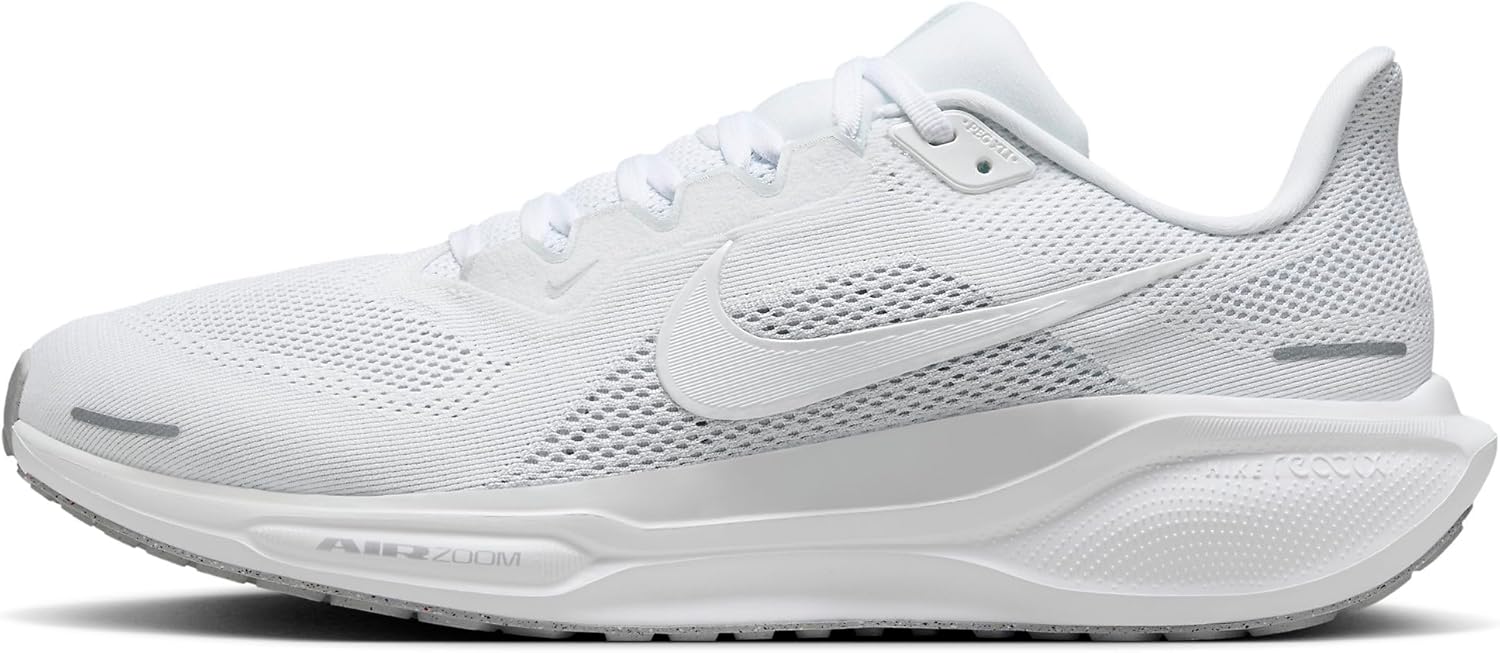
When Shoes Aren’t Enough — Dr. Tom’s Top 9 Orthotics
About 30% of patients I see for foot pain need MORE than a great shoe — they need a structured insole. Below: my complete 2026 orthotic ranking with pros, cons, and the specific patient I’d give each one to.




Frequently Asked Questions
When should I see a podiatrist?
If symptoms persist past 2 weeks, affect your normal activity, or are accompanied by red-flag symptoms (warmth, redness, swelling, inability to bear weight).
What does treatment cost?
Most diagnostic visits and conservative treatments are covered by Medicare and major insurers. Out-of-pocket costs vary by your specific plan.
How quickly can I get an appointment?
Most non-urgent cases see us within 5 business days. Urgent cases (sudden pain, possible fracture) typically same or next business day.
![Future of Custom Orthotics? [Balance Foot & Ankle in Michigan]](https://www.michiganfootdoctors.com/wp-content/cache/flying-press/b3fee74e6d3bff9675b3e5e39e45890e.jpg)
OrthoInfo – AAOS: Adult Flatfoot
Ready to Get Relief?
Same-day appointments available in Howell & Bloomfield Hills, MI
4.9★ | 1,123 Reviews | 3,000+ Surgeries
Or call: (810) 206-1402

Dr. Tom Biernacki, DPM is a board-certified foot & ankle surgeon (ABFAS & ABPM) at Balance Foot & Ankle Specialists in Southeast Michigan. With over a decade of clinical experience, he specializes in heel pain, bunions, diabetic foot care, sports injuries, and minimally invasive surgery. Dr. Biernacki is a member of the APMA and ACFAS, and his patient education content on MichiganFootDoctors.com and YouTube has made him one of the most-followed foot & ankle educators on YouTube.