
Medically reviewed by Dr. Tom Biernacki, DPM
Board-certified podiatric surgeon | Balance Foot & Ankle, Howell & Bloomfield Township, MI
Last reviewed: May 2026
| Condition | Cold Weather Effect | Winter Management |
|---|---|---|
| Osteoarthritis | Joint stiffness; synovial fluid thickening | Warm-up exercises; heated insoles; anti-inflammatories |
| Plantar fasciitis | Tight calves + stiff fascia = worse morning pain | Calf stretching before standing; insulated supportive boots |
| Peripheral neuropathy | Increased tingling/burning; reduced protective sensation | Warm socks; daily foot inspection; padded insoles |
| Raynaud’s phenomenon | Vasospasm triggering color changes and pain | Heated insoles; layered socks; avoid direct cold exposure |
| Chilblains | Inflammatory skin lesions from cold + damp | Waterproof insulated boots; nifedipine if recurrent |
| Rheumatoid arthritis | Increased inflammation and joint stiffness | Warm-water foot soaks; medication review; warm footwear |
| Achilles tendinopathy | Reduced tendon elasticity; tearing risk | Warm-up before activity; heel lift in boots |
| Winter Footwear Feature | Why It Matters |
|---|---|
| Waterproof upper (Gore-Tex, treated leather) | Prevents moisture penetration that causes chilblains and fungal infections |
| Insulation (Thinsulate, wool lining) | Maintains foot temperature to prevent vasoconstriction and stiffness |
| Non-slip outsole (lugged rubber) | Prevents falls on ice and wet surfaces |
| Arch-supportive footbed | Compensates for the flat profile of many winter boots |
| Wide toe box | Accommodates thick socks without compressing forefoot |
| Removable insole | Allows insertion of custom orthotic or heated insole |
Quick answer: Foot Pain Cold Weather has multiple potential causes including mechanical, neurological, vascular, and inflammatory. The most common causes we identify are overuse, ill-fitting shoes, and biomechanical imbalance. Red flags requiring urgent evaluation: warmth/redness (infection), inability to bear weight (fracture), and unilateral swelling without injury (DVT). Call (810) 206-1402.

![How to Cure Plantar Fasciitis in One Week? [FAST Heel Pain Relief!]](https://www.michiganfootdoctors.com/wp-content/cache/flying-press/b5600c3bfb9845a6095da8266d8b5363.jpg)
Watch: How to Cure Plantar Fasciitis in One Week? [FAST Heel Pain Relief!] — MichiganFootDoctors YouTube
The most important clinical decision with Foot Pain Cold Weather isn’t which treatment to start with — it’s identifying the correct subtype. That changes everything. Call (810) 206-1402.
Foot Pain Cold Weather: Quick Answer
Cold weather worsens foot pain in 50-60% of patients with arthritis, neuropathy, vascular disease, and other chronic foot conditions. We see significant increase in winter foot complaints at Balance Foot and Ankle. Here are the 7 causes of cold-weather foot pain and proven prevention strategies.
Why Cold Weather Affects Feet
Physiological mechanisms: Cold causes peripheral vasoconstriction (reduces circulation 30-50%); barometric pressure drops cause joint capsule expansion (worsens arthritis); reduced humidity causes skin drying and cracking; ice/snow conditions increase fall risk; heavy boots may not fit orthotics; less outdoor activity worsens stiffness. People with chronic foot conditions are most affected, but everyone can experience some cold-weather foot discomfort.
1. Arthritis Flares
Mechanism: Barometric pressure changes cause joint capsule expansion; cold causes muscle and joint stiffening. Symptoms: Increased joint pain, especially in big toe, midfoot, ankle; morning stiffness worse than usual. Treatment: Heat application (heating pads, warm baths), gentle range-of-motion exercises, NSAIDs short-term, indoor exercise (swimming, stationary bike). Prevention: Maintain consistent indoor temperature; keep feet warm always.
2. Raynaud Phenomenon
Mechanism: Cold triggers spasms of small arteries in fingers and toes. Symptoms: Toes turn white, then blue, then red as blood returns; painful especially with rewarming. Treatment: Avoid cold exposure (gloves, layered socks), smoking cessation, calcium channel blockers (nifedipine) for severe cases. Heated socks/insoles can be life-changing for Raynaud patients.
3. Peripheral Arterial Disease (PAD)
Mechanism: Already-poor circulation worsens with cold. Symptoms: Cold feet (often unilateral), pale or mottled skin, claudication (calf pain with walking), slow-healing wounds, hair loss on legs. Cold weather increases: non-healing wound risk, cellulitis risk. Treatment: Smoking cessation, exercise, statins, antiplatelet, possibly revascularization. Critical to identify – PAD increases stroke and heart attack risk.
4. Diabetic Neuropathy
Mechanism: Reduced sensation increases injury risk in cold; cold can also intensify burning neuropathic pain. Symptoms: Burning pain, numbness, increased fall risk on icy surfaces. Treatment: Tight blood sugar control, gabapentin/pregabalin/duloxetine, alpha lipoic acid. Prevention: Proper diabetic shoes (Medicare-covered), daily foot inspection, avoid walking barefoot even at home.
5. Frostnip and Frostbite (Severe Cold Exposure)
Mechanism: Tissue damage from prolonged cold exposure. Frostnip: Reversible numbness and paleness; resolves with warming. Frostbite: Deeper tissue damage; can cause permanent loss of toes. Treatment: Gradual rewarming in 37-39C water; medical evaluation for severe cases. Prevention: Limit time in extreme cold (under -15C); proper boots and socks; recognize early warning signs (numbness, color change).
6. Plantar Fasciitis Worsening
Mechanism: Cold tightens calf muscles and plantar fascia; less stretching and outdoor activity. Symptoms: Increased heel pain, especially with first steps in morning. Treatment: Continue daily stretching even when not going outside; warm feet with heating pad before walking; appropriate winter boots with arch support. Indoor barefoot walking on cold floors is a common winter trigger.
7. Falls and Cold-Related Injuries
Risk factors: Icy surfaces, heavy boots affecting balance, reduced mobility from layers, indoor poor footwear (slippers). Common injuries: Ankle sprains, tibial fractures, foot fractures from falls. Prevention: Proper winter boots with traction (Yaktrax for ice), use handrails, keep walkways cleared, supportive indoor footwear (NOT just slippers), avoid carrying heavy items in icy conditions.
Top 10 Winter Foot Care Strategies
1. Wear properly fitted winter boots with arch support and traction. 2. Wool or synthetic socks always (NOT cotton). 3. Heated insoles or socks for Raynaud or cold sensitivity. 4. Daily moisturizing (urea cream) for dry winter skin. 5. Continue daily stretching even when not exercising outside. 6. Daily foot inspection for diabetics. 7. Maintain indoor exercise (swimming, yoga, stationary bike). 8. Consistent room temperature at home. 9. Quality indoor footwear with arch support (no flimsy slippers). 10. Treatment of underlying conditions (diabetes, PAD, arthritis). Schedule a winter foot care consultation.
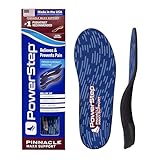
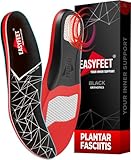
Podiatrist-Recommended Products


In-Office Treatment at Balance Foot & Ankle
If home treatment isn’t providing relief for your foot pain, our podiatry team at Balance Foot & Ankle can help with same-day evaluations and advanced in-office care.
Same-day appointments available. (810) 206-1402
Frequently Asked Questions About Foot Pain Cold Weather
Why do my feet hurt more in winter?
Cold causes vasoconstriction reducing circulation 30-50%, barometric changes worsen arthritis, reduced humidity dries skin, and reduced activity worsens stiffness. People with arthritis, neuropathy, PAD, or Raynaud are most affected.
Are heated socks worth it?
For Raynaud phenomenon, severe cold sensitivity, or PAD: yes – significant quality of life improvement. For mild cold feet: high-quality wool socks usually sufficient.
What is the best winter footwear for foot problems?
Sorel, Merrell, Columbia, or Keen winter boots with arch support and removable insoles for orthotics. Traction is essential. Avoid uggs (no support) and cheap rubber boots.
Can cold weather cause permanent foot damage?
Severe cold (frostbite) can cause permanent tissue damage including toe loss. Most cold-weather foot pain is reversible but frequent flares may worsen underlying conditions over time.
Should I exercise outside in winter with foot problems?
Yes, with precautions: proper winter boots with traction, dress in layers, avoid extreme cold, watch for ice. Indoor alternatives (swimming, stationary bike) are safer for those with high fall risk.
How can I keep my feet warm at night?
Wool or synthetic socks (not cotton), heated foot warmers (battery or USB), warm bath before bed, heated mattress pad. Avoid hot water bottles or electric blankets at high settings (burn risk in neuropathy).
Do compression socks help cold feet?
For PAD: be cautious – compression can worsen already-poor arterial flow. For venous-related cold feet (less common): yes. Always get medical clearance before using compression with PAD or severe neuropathy.
Related Resources from Balance Foot & Ankle
Still Dealing With Foot Pain Cold Weather?
Same-week appointments at Balance Foot & Ankle in Howell & Bloomfield Township, MI.
Book Your Appointment⚕ Doctor Recommended
Doctor Hoy’s Natural Pain ReliefTopical relief for foot & ankle pain
View Product →Foot Health & Care Resource Center (American Podiatric Medical Association)
Ready to Get Relief?
Same-day appointments available in Howell & Bloomfield Township, MI
4.9★ | 1,123 Reviews | 3,000+ Surgeries
Or call: (810) 206-1402

Dr. Tom Biernacki, DPM is a board-certified foot & ankle surgeon (ABFAS & ABPM) at Balance Foot & Ankle Specialists in Southeast Michigan. With over a decade of clinical experience, he specializes in heel pain, bunions, diabetic foot care, sports injuries, and minimally invasive surgery. Dr. Biernacki is a member of the APMA and ACFAS, and his patient education content on MichiganFootDoctors.com and YouTube has made him one of the most-followed foot & ankle educators on YouTube.