
Medically reviewed by Dr. Tom Biernacki, DPM
Board-certified podiatric surgeon | Balance Foot & Ankle, Howell & Bloomfield Township, MI
Last reviewed: May 2026
| Basketball Foot Injury | Primary Mechanism | Signature Symptom | Treatment |
|---|---|---|---|
| Lateral ankle sprain | Inversion during landing or lateral cut | Immediate lateral ankle pain + swelling | RICE + lace-up brace; imaging if severe |
| Plantar fasciitis | Repetitive jump landing + hard court impact | Heel pain worst at morning first steps | Arch support + heel cushion + stretching |
| Sesamoiditis | Forefoot loading during jump take-off and landing | Pain under big-toe joint; worsens with push-off | Dancer’s pad + avoid jumping 2–4 weeks |
| Turf toe (1st MTP sprain) | Hyperextension of big toe during explosive push-off | Dorsal big-toe joint pain; limited dorsiflexion | Rigid-sole shoe + turf toe taping; avoid impact 2–6 weeks |
| Jones fracture (5th metatarsal) | Acute lateral loading or chronic stress | Outer foot pain; focal tenderness; possible snap heard | Non-weight-bearing cast 6–8 weeks; surgical for elite athletes |
| Morton’s neuroma | Narrow toe box + repetitive forefoot landing | Burning between 3rd–4th toes during play | Wide toe box shoe + metatarsal pad |
| Basketball Shoe Feature | Foot Protection Benefit | Look For |
|---|---|---|
| Ankle collar height | Reduces lateral ankle sprain risk | High-top for history of ankle sprains; mid-top minimum |
| Outsole width | Lateral stability during cuts | Wide herringbone outsole pattern; stability wing |
| Midsole stack (heel) | Jump landing impact absorption | 30 mm+ rear-foot stack; Zoom Air or Boost foam |
| Toe box width | Forefoot splay accommodation | Wide or extra-wide available; avoid narrow fashion-first models |
| Torsional rigidity | Reduces forefoot strain during pivoting | Shank plate; limited midfoot flex when twisted |
| Heel counter firmness | Controls rearfoot pronation + heel hold | Firm plastic heel counter; not soft foam collar only |
Quick answer: Foot Pain From Basketball Shoes has multiple potential causes including mechanical, neurological, vascular, and inflammatory. The most common causes we identify are overuse, ill-fitting shoes, and biomechanical imbalance. Red flags requiring urgent evaluation: warmth/redness (infection), inability to bear weight (fracture), and unilateral swelling without injury (DVT). Call (810) 206-1402.
Medically Reviewed | Dr. Tom Biernacki, DPM | Board-Certified Podiatrist | Balance Foot & Ankle, Michigan
Watch: Flat Feet and Heel Pain Best Running Shoes 2026 — MichiganFootDoctors YouTube
Foot Pain From Basketball Shoes: Quick Answer
Basketball shoes can cause foot pain – the high construction, weight, and court demands create unique challenges. We help dozens of basketball players yearly at Balance Foot and Ankle. Here is the comprehensive basketball foot pain guide.
Why Basketball Shoes Cause Foot Pain
Basketball shoe demands: High-top construction (limits ankle mobility); heavier than other athletic shoes; tight fit for performance; cushioned for impact (sometimes too much); various tech (air, gel, foam) different feel; aggressive cutting/jumping in shoes; long games/practices. Common issue: high-tops dont actually prevent ankle sprains as much as commonly thought – sometimes increase certain injuries.
Most Common Basketball Shoe Foot Issues
1. Plantar fasciitis flare: From court impact and shoe demands. 2. Achilles tendinitis: From jumping and shoe back. 3. Stress fractures: Especially metatarsals from jumping. 4. Bunion/hammertoe pressure: From tight fit. 5. Toenail injuries: Black toenails from cutting. 6. Ankle issues: Despite high-top design. 7. Heel pain: From court impact. 8. Sesamoiditis: Forefoot loading from jumping. 9. Knee/back pain: Foot mechanics related.
High-Top Debate
High-top vs low-top: Persistent debate. Research findings: High-tops dont significantly reduce ankle sprain rates; may slow down certain movements; may increase some other injuries (knee). NBA trend: Many pros now use mid or low-tops; high-tops more cosmetic/style than performance. Recommendation: Choose based on comfort and ankle history; high-tops may help those with chronic ankle instability when combined with bracing/taping.
Best Basketball Shoes
Top picks: Nike LeBron 21; Nike KD 16; Adidas Dame; Under Armour Curry; New Balance TWO WXY; Puma MB.03 (Lamelo Ball); Asics Nova Surge; Jordan brand various. For foot pain: Brooks PureCadence GT or Nike React Hyperdunk (lower); cushioned models like LeBron line; consider stability features. Avoid: Old worn-out basketball shoes; running shoes (no lateral support); heavy bulky shoes if causing fatigue.
Custom Orthotics for Basketball
Basketball orthotic considerations: Must accommodate jumping demands; provide stability for cutting; reduce impact; address arch issues; carbon fiber often used; sport-specific design. Many serious players benefit: Especially flat-footed; high-arched; chronic foot pain; recurring injuries; pre-existing foot conditions. NBA orthotics common: many pros use custom orthotics.
Ankle Sprain in Basketball
Basketball ankle sprains: Most common basketball injury. Causes: Landing on opponents foot; cutting; sudden direction changes; cant be fully prevented by shoes. Prevention: Quality shoes (high-top OR low-top with bracing); ankle taping/bracing especially after previous sprain; balance training; awareness of fatigue (most sprains in 4th quarter); pre-game warm-up. Recurring sprains: Indicate need for thorough evaluation – chronic ankle instability common.
Stress Fracture Risk
Basketball stress fracture risk: High in serious players. Most common: Metatarsal stress fractures (especially 5th metatarsal Jones fracture – notable concern); navicular stress fractures (long recovery); tibial stress fractures. Risk factors: High training volume; pre-season volume; jumping intensity; nutritional deficiencies; female athletes (relative energy deficiency in sport – REDS). Warning signs: Localized pinpoint pain; pain that progresses with activity; pain at night.
Pre-Game Foot Care
Pre-game routine: Adequate warm-up (10-15 minutes); ankle mobility work; calf stretching; address any vulnerable areas with taping; quality shoes broken in; foot care kit available. Game-day shoes: Multiple pairs for serious players; switch if developing issues. Hydration: Reduces cramping risk. Cool down: Often neglected; gentle stretching; ice if soreness.
Pediatric Basketball Considerations
Young players: Growth plate considerations; over-training risks; foot growth requires regular shoe replacement; AAU/year-round play increases injury risk. Recommendations: Avoid year-round single-sport play; cross-training important; report pain immediately; pre-season evaluation if foot issues; quality footwear (not “room to grow”); address foot conditions before they progress.
When to See a Podiatrist
See us if: basketball shoe foot pain persists despite shoe changes; suspected stress fracture (especially 5th metatarsal Jones fracture); recurring ankle sprains; need basketball-specific orthotic evaluation; chronic conditions affecting basketball; pre-season evaluation; suspected Achilles rupture; chronic foot pain limiting play. Book online 24/7 at Balance Foot and Ankle. Schedule online.
Podiatrist-Recommended Products

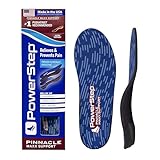
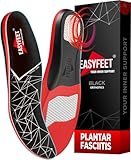

Frequently Asked Questions About Foot Pain From Basketball Shoes
Why do basketball shoes hurt my feet?
High-top construction (limits ankle mobility); heavier than other athletic shoes; tight fit for performance; cushioned for impact; aggressive cutting/jumping in shoes; long games/practices. High-tops dont prevent ankle sprains as much as commonly thought.
What basketball shoes are best for foot pain?
Top picks: Nike LeBron 21, Nike KD 16, Adidas Dame, Under Armour Curry, New Balance TWO WXY, Asics Nova Surge. For foot pain: cushioned models like LeBron line; consider stability features. Avoid worn-out shoes or running shoes.
Are high-top basketball shoes better?
Persistent debate. Research: high-tops dont significantly reduce ankle sprain rates; may slow some movements; may increase certain knee injuries. Many NBA pros now use mid or low-tops. Choose based on comfort and ankle history.
How do I prevent ankle sprains in basketball?
Quality shoes (high-top OR low-top with bracing); ankle taping/bracing especially after previous sprain; balance training; awareness of fatigue (most sprains in 4th quarter); pre-game warm-up. Cant be fully prevented by shoes alone.
What is a Jones fracture in basketball?
5th metatarsal stress fracture – notable concern in basketball players. Long recovery, sometimes surgery. Risk factors: high training volume; jumping intensity. Warning sign: localized pinpoint pain on outside of foot. expert evaluation needed.
Can I wear orthotics in basketball shoes?
YES with sport-specific orthotics. Must accommodate jumping demands; provide stability for cutting; reduce impact; address arch issues; carbon fiber often used. Many serious players benefit, especially flat-footed or high-arched players.
When should I see a podiatrist about basketball foot pain?
Pain persists despite shoe changes; suspected stress fracture (especially 5th metatarsal Jones); recurring ankle sprains; need basketball-specific orthotic evaluation; chronic conditions affecting basketball; pre-season evaluation; suspected Achilles rupture.
Related Resources from Balance Foot & Ankle
Still Dealing With Foot Pain From Basketball Shoes?
Appointments at Balance Foot & Ankle in Howell & Bloomfield Township, MI.
Book Your Appointment⚠️ Most Common Mistake: Ignoring persistent foot pain and continuing normal activity without evaluation. Early podiatric care prevents minor foot issues from becoming chronic, difficult-to-treat conditions.
Frequently Asked Questions
🏥 Recommended by Dr. Biernacki — Foundation Wellness Products
These are the same products Dr. Biernacki recommends to his patients at Balance Foot & Ankle in Michigan. Available through our trusted partners.
In-Office Treatment at Balance Foot & Ankle
If home treatment isn’t providing relief for your foot pain, our podiatry team at Balance Foot & Ankle can help with expert evaluations and advanced in-office care.
APMA: Foot Pain Relief and Activity-Related Causes
Ready to Get Relief?
Book online 24/7 in Howell & Bloomfield Township, MI
4.9★ | 1,200+ Reviews | 3,000+ Surgeries
Or call: (810) 206-1402

Dr. Tom Biernacki, DPM is a board-certified foot & ankle surgeon (ABFAS & ABPM) at Balance Foot & Ankle Specialists in Southeast Michigan. With over a decade of clinical experience, he specializes in heel pain, bunions, diabetic foot care, sports injuries, and minimally invasive surgery. Dr. Biernacki is a member of the APMA and ACFAS, and his patient education content on MichiganFootDoctors.com and YouTube has made him one of the most-followed foot & ankle educators on YouTube.