
Medically reviewed by Dr. Tom Biernacki, DPM
Board-certified podiatric surgeon | Balance Foot & Ankle, Howell & Bloomfield Township, MI
Last reviewed: May 2026
| Deadlift Variation | Foot Load Pattern | Heel Stress | Best For Foot Pain |
|---|---|---|---|
| Conventional Deadlift | Heel-dominant pull | High — direct calcaneal loading | Moderate — use flat shoe + heel cup |
| Sumo Deadlift | Wide stance — inner arch + heel | Moderate — distributed over wider base | Good for PF — less heel impact per rep |
| Romanian Deadlift (RDL) | Hip hinge — heel loading on descent | Moderate | Good — less bottom-position heel stress |
| Trap Bar Deadlift | More upright — even heel/forefoot | Low-Moderate | Best for foot pain — most natural stance |
| Stiff-Leg Deadlift | Hamstring-dominant — minimal knee bend | Low | Good for PF — minimal heel drive needed |
| Deadlift Footwear | Heel Drop | Stability | Plantar Fasciitis |
|---|---|---|---|
| Deadlift slipper | 0 mm | Excellent ground contact | Add heel cup inside |
| Chuck Taylor / Vans | 0–5 mm | Very Good | Add insole or heel cup |
| Minimalist shoe (Vivobarefoot) | 0 mm | Good on rubber mat | Moderate — some arch support |
| Cross-trainer | 10–15 mm | Moderate | Acceptable with orthotic |
| Running shoe | 15–25 mm | Poor — unstable under max load | Not recommended for heavy pulls |
| Olympic lifting shoe | +20 mm elevated | Good for squat, bad for dead | Never for deadlift |
Deadlift foot pain is most often arch fatigue from heavy heel-loaded pulls, big-toe strain from gripping, or plantar fasciitis flare. Flat-soled lifting shoes plus the right setup prevents most of it.
You’re in the right place. Dr. Tom Biernacki, DPM, FACFAS — board-certified foot & ankle surgeon with 3,000+ surgeries — explains exactly what foot pain from deadlifts means and what works. Call (810) 206-1402 to book at Howell or Bloomfield Township.
Quick answer: Foot Pain From Deadlifts has multiple potential causes including mechanical, neurological, vascular, and inflammatory. The most common causes we identify are overuse, ill-fitting shoes, and biomechanical imbalance. Red flags requiring urgent evaluation: warmth/redness (infection), inability to bear weight (fracture), and unilateral swelling without injury (DVT). Call (810) 206-1402.
Medically Reviewed | Dr. Tom Biernacki, DPM | Board-Certified Podiatrist | Balance Foot & Ankle, Michigan

Watch: How to Cure Plantar Fasciitis in One Week? [FAST Heel Pain Relief!] — MichiganFootDoctors YouTube
Foot Pain From Deadlifts: Quick Answer
Deadlifts cause specific foot pain – the heavy loading on standing position stresses feet uniquely. We help dozens of strength athletes yearly at Balance Foot and Ankle. Here is the comprehensive deadlift foot pain guide.
Why Deadlifts Cause Foot Pain
Deadlift demands: Heavy loading through feet (often 1.5-3x bodyweight); sustained foot positioning; balance demands; sometimes inadequate footwear; cumulative stress over training; hard surface (gym floor); compressive stress; heavy loading reveals foot weakness/conditions. Different from many activities: Static loading (vs movement); maximum effort intermittent; specific foot positioning critical.
Most Common Deadlift Foot Issues
1. Foot fatigue: From heavy loading. 2. Plantar fasciitis flare: From compressive stress. 3. Bunion irritation: Pressure point from foot positioning. 4. Heel pain: Sometimes from impact. 5. Sesamoiditis: Forefoot loading. 6. Foot/arch fatigue: Common. 7. Ankle stiffness: Stationary loading. 8. Knee/back pain (foot mechanics): Indirect from foot issues. 9. Stress fractures (rare): Sometimes with very heavy loading. 10. Toenail injuries: From shoe pressure.
Best Footwear for Deadlifts
Deadlift shoe options: Significant debate among strength athletes. Flat-soled shoes (most common): Converse Chuck Taylors (classic); deadlift slippers; Vans Authentic; specific deadlift shoes. Why flat: Closer to ground = less ROM needed; more stable platform. Some prefer barefoot deadlifts: Feel for ground; closer to floor. Avoid for deadlifts: Cushioned running shoes (unstable, cushion compresses); high heels; soft soles.
Deadlift Slippers/Specific Shoes
Deadlift slippers: Minimal designed for deadlifts. Brands: SABO Deadlift; A7 Deadlift; various others. Pros: Very thin sole; stable platform; minimal weight; gym-acceptable. Cons: Limited use outside deadlifts; some find too minimal; not for other gym activities. Alternative: Dedicated cheap flat shoes (Converse, Vans).
Foot Positioning for Deadlifts
Conventional deadlift: Feet hip-width; toes slightly out; weight midfoot. Sumo deadlift: Feet wider; toes pointed out more; demands different. Common errors causing foot pain: Weight too far forward (forefoot strain); weight too far back (heel strain); foot positioning not stable; sometimes shoes that limit ground feel.
Custom Orthotics for Strength Training
Orthotics for deadlifts: Controversial. Most strength athletes avoid: In actual deadlift; reduces ground feel; less stable platform. Some use orthotics: For everyday wear and other activities; not during max-effort deadlifts. For chronic foot conditions affecting lifting: Custom orthotics in everyday shoes; modifications for lifting shoes individually.
Calf Health for Deadlifters
Calves and deadlifts: Often overworked. Issues: Tight calves limit ankle dorsiflexion; affect deadlift setup; cause foot/calf pain; sometimes Achilles issues. Strategies: Calf stretching; foam rolling; eccentric calf work; address tightness limiting lifting. Important balance: Strong but flexible calves.
Heavy Loading and Foot Conditions
Pre-existing foot conditions: Often revealed/worsened by heavy lifting. Common: Plantar fasciitis flares; bunion pain increases; flat feet collapse more under load; high arches stress laterally. Approach: Address foot conditions; sometimes need orthotics for everyday wear; modified lifting if necessary; sometimes specific lifting techniques for foot conditions.
Injury Prevention
Strategies: Quality footwear (matched to lifting style); proper foot positioning; adequate warm-up; proper progression of weights; address developing foot pain; quality everyday footwear; cross-train; address chronic conditions. For competitive powerlifters: Foot care critical for career longevity; preventive evaluations.
When to See a Podiatrist
See us if: deadlift-related foot pain persists; pre-existing foot conditions affecting lifting; need orthotic evaluation; recurring foot pain affecting training; chronic conditions limiting lifting; need shoe recommendations for lifting; need pre-competition evaluation. Book online 24/7 at Balance Foot and Ankle. Schedule online.
Podiatrist-Recommended Products


Frequently Asked Questions About Foot Pain From Deadlifts
Why do deadlifts hurt my feet?
Heavy loading through feet (often 1.5-3x bodyweight); sustained foot positioning; balance demands; sometimes inadequate footwear; cumulative stress over training; hard surface; compressive stress; heavy loading reveals foot weakness/conditions.
What shoes are best for deadlifts?
Flat-soled shoes (most common): Converse Chuck Taylors (classic); deadlift slippers; Vans Authentic; specific deadlift shoes. Why flat: closer to ground = less ROM needed; more stable platform. Some prefer barefoot deadlifts. Avoid: cushioned running shoes, high heels.
What are deadlift slippers?
Minimal designed for deadlifts. Brands: SABO Deadlift; A7 Deadlift. Pros: very thin sole; stable platform; minimal weight; gym-acceptable. Cons: limited use outside deadlifts; some find too minimal; not for other gym activities. Alternative: dedicated cheap flat shoes.
Should I wear orthotics for deadlifts?
CONTROVERSIAL – most strength athletes avoid in actual deadlift; reduces ground feel; less stable platform. Some use orthotics for everyday wear and other activities; not during max-effort deadlifts. For chronic foot conditions: orthotics in everyday shoes.
Are tight calves bad for deadlifts?
YES – calves and deadlifts: tight calves limit ankle dorsiflexion; affect deadlift setup; cause foot/calf pain; sometimes Achilles issues. Strategies: calf stretching; foam rolling; eccentric calf work; address tightness limiting lifting.
Can I deadlift with plantar fasciitis?
OFTEN YES with modifications. Often plantar fasciitis flares with heavy lifting. Approach: address plantar fasciitis; sometimes orthotics for everyday wear; quality lifting footwear; modified weights initially; gradual return; sometimes coordinate with podiatrist.
When should I see a podiatrist about deadlift foot pain?
Deadlift-related foot pain persists; pre-existing foot conditions affecting lifting; need orthotic evaluation; recurring foot pain affecting training; chronic conditions limiting lifting; need shoe recommendations for lifting; pre-competition evaluation.
Related Resources from Balance Foot & Ankle
Still Dealing With Foot Pain From Deadlifts?
Appointments at Balance Foot & Ankle in Howell & Bloomfield Township, MI.
Book Your Appointment⚕ Doctor Recommended
VitaMedica Arnica GelFragrance-free, non-greasy relief for foot & ankle soreness
View Product →Frequently Asked Questions
Podiatrist-Recommended Products
These are the products Dr. Tom recommends most often in his clinic at Balance Foot & Ankle for lasting foot pain relief:
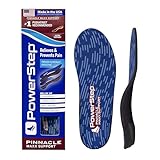
- PowerStep Pinnacle Arch Support Insoles — #1 clinic recommendation for arch support and heel pain relief
- Doctor Hoy’s Natural Pain Relief Gel — Fast-acting topical relief used and trusted by podiatrists
- CURREX RunPro Insoles — Dynamic arch profile for active patients and runners
As an Amazon Associate, Balance Foot & Ankle earns from qualifying purchases. These recommendations reflect genuine clinical use.
In-Office Treatment at Balance Foot & Ankle
If home treatment isn’t providing relief for your foot pain from deadlifts, our podiatry team at Balance Foot & Ankle can help with expert evaluations and advanced in-office care.
APMA: Foot Pain Relief and Activity-Related Causes
Ready to Get Relief?
Book online 24/7 in Howell & Bloomfield Township, MI
4.9★ | 1,200+ Reviews | 3,000+ Surgeries
Or call: (810) 206-1402

Dr. Tom Biernacki, DPM is a board-certified foot & ankle surgeon (ABFAS & ABPM) at Balance Foot & Ankle Specialists in Southeast Michigan. With over a decade of clinical experience, he specializes in heel pain, bunions, diabetic foot care, sports injuries, and minimally invasive surgery. Dr. Biernacki is a member of the APMA and ACFAS, and his patient education content on MichiganFootDoctors.com and YouTube has made him one of the most-followed foot & ankle educators on YouTube.