
Medically reviewed by Dr. Tom Biernacki, DPM
Board-certified podiatric surgeon | Balance Foot & Ankle, Howell & Bloomfield Township, MI
Last reviewed: May 2026
| Squat Foot Problem | Cause | Diagnosis Clue | Fix |
|---|---|---|---|
| Heel pain (plantar) | Heel drive loading + plantar fascia | Pain at heel bottom, worse next morning | OL shoe or heel cup; stretch post-squat |
| Ball of foot pain | Forward lean — shifts load to forefoot | Pain at metatarsal heads during squat | Heel elevation; improve ankle mobility |
| Arch cramping | Intrinsic muscle fatigue under load | Arch cramping during set | Foot strengthening; wider stance |
| Big toe joint pain | Forced dorsiflexion at bottom | Big toe MTP pain at depth | Heel elevation; reduce depth temporarily |
| Outer ankle pain | Supination or lateral ankle stress | Lateral ankle tenderness post-squat | Stance adjustment; lateral hip strengthening |
| Squat Footwear Option | Heel Height | Best For | Plantar Fasciitis |
|---|---|---|---|
| Olympic lifting shoe | 0.75–1.0 inch raised | Front squat, upright torso, limited ankle mobility | Good — reduces fascia tension |
| Powerlifting flat shoe | Zero drop | Low-bar back squat, wide stance | Moderate — needs orthotic inside |
| Cross-trainer | Low (0.2–0.5 inch) | Moderate weights, general training | Moderate — add heel cup |
| Heel plates under feet | 0.5–1.0 inch | Testing heel elevation without buying OL shoe | Good — cheap trial modification |
| Barefoot | Zero drop | Light goblet squat; bodyweight squat | Poor — not recommended with PF |
Squat foot pain is usually from collapsing arches, big-toe overload during heel-elevated squats, or shoe instability. The right squat shoe and arch-engagement cue prevent most of it.
You’re in the right place. Dr. Tom Biernacki, DPM, FACFAS — board-certified foot & ankle surgeon with 3,000+ surgeries — explains exactly what foot pain from squats means and what works. Call (810) 206-1402 to book at Howell or Bloomfield Township.
Quick answer: Foot Pain From Squats has multiple potential causes including mechanical, neurological, vascular, and inflammatory. The most common causes we identify are overuse, ill-fitting shoes, and biomechanical imbalance. Red flags requiring urgent evaluation: warmth/redness (infection), inability to bear weight (fracture), and unilateral swelling without injury (DVT). Call (810) 206-1402.

Watch: How to Cure Plantar Fasciitis in One Week? [FAST Heel Pain Relief!] — MichiganFootDoctors YouTube
Foot Pain From Squats: Quick Answer
Squats can cause significant foot pain – the heavy loading, ankle mobility demands, and balance challenges create unique foot stresses. We help dozens of strength athletes yearly at Balance Foot and Ankle. Here is the comprehensive squat foot pain guide.
Why Squats Cause Foot Pain
Squat demands: Heavy loading through feet (often 1.5-3x bodyweight); deep ankle dorsiflexion required; foot positioning critical; sustained loading at bottom; balance demands; foot stability essential. Different from deadlifts: More dynamic; deeper ROM; ankle mobility critical; sometimes requires elevated heel.
Most Common Squat Foot Issues
1. Foot fatigue: From heavy loading. 2. Plantar fasciitis flare: From compressive stress. 3. Ankle stiffness/impingement: Common with squats. 4. Achilles issues: Sometimes from squat depth. 5. Bunion irritation: Pressure points. 6. Foot/arch fatigue: Common. 7. Heel pain: Sometimes from loading. 8. Knee/back pain: Often related to foot mechanics. 9. Ankle dorsiflexion limitation issues: Cant achieve depth. 10. Foot drop sensation: Sometimes after heavy session.
Ankle Mobility for Squats
Ankle dorsiflexion critical for squats: Limited dorsiflexion = poor squat depth. Causes of limited mobility: Tight calves; old ankle injuries; bony anterior impingement; sometimes joint restriction. Improvements: Calf stretching; ankle mobility exercises; foam rolling; sometimes specific PT; address underlying issues. Test: Knee-to-wall test commonly used.
Best Footwear for Squats
Squat shoe options: Olympic weightlifting shoes: Raised heel (0.5-1 inch); rigid sole; allows greater squat depth; popular for back squats. Brands: Adidas Adipower; Nike Romaleos; Reebok Legacy Lifter. Flat-soled shoes: Used by some; better for box squats; deadlifts. Athletic shoes: Generally NOT ideal for heavy squats; cushion compresses; unstable. For chronic squatters: Olympic shoes worth investment.
Olympic Weightlifting Shoes
Olympic weightlifting shoes: Designed for squats and Olympic lifts. Features: Raised heel (changes effective ankle angle); rigid sole (no compression); secure fit; specific design. Benefits for squats: Greater depth possible; more stable platform; reduced ankle mobility demands; sometimes reduced foot/ankle pain. Investment: $130-220 typical; lasts years; worth investment for serious squatters.
Foot Positioning for Squats
Squat foot position: Feet shoulder-width or slightly wider; toes slightly out (10-30 degrees); weight midfoot; even tripod (heel + ball of foot + outside edge). Common errors: Heels rising (knees collapsing); weight shifts (asymmetric loading); foot collapsing (arch falls); knees caving in. Address with: Mobility work; proper shoes; sometimes coaching; address foot mechanics.
High-Bar vs Low-Bar Squats
Bar position affects foot demands: High-bar squat: More upright torso; more knee flexion; more ankle dorsiflexion needed. Low-bar squat: More forward lean; more hip flexion; less ankle dorsiflexion. For limited ankle mobility: Low-bar squat sometimes easier; or use Olympic shoes for high-bar.
Custom Orthotics for Squats
Orthotics for squats: Controversial. Some lifters use: Especially with foot conditions; sometimes in everyday shoes only; not in lifting shoes typically. Olympic shoes: Generally not used with orthotics (changes specific design). For chronic foot conditions: Custom orthotics in everyday shoes; modified approach for lifting; sometimes orthotics in flat-soled lifting shoes only.
Squat Variations and Foot Demands
Box squats: Set position; less ankle mobility needed; flat shoes adequate. Front squats: More upright; more ankle dorsiflexion; Olympic shoes especially helpful. Pause squats: Sustained loading at bottom; foot fatigue increases. Tempo squats: Slow eccentric; more time under tension; foot stress increases. Choose variation: Based on goals and foot tolerance.
When to See a Podiatrist
See us if: squat-related foot pain persists; pre-existing foot conditions affecting lifting; need orthotic evaluation; recurring foot pain affecting training; chronic conditions limiting squatting; need ankle mobility evaluation; need shoe recommendations for lifting; suspected foot/ankle injury. Book online 24/7 at Balance Foot and Ankle. Schedule online.
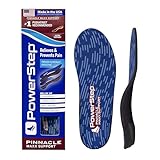
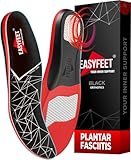
Podiatrist-Recommended Products


Frequently Asked Questions About Foot Pain From Squats
Why do my feet hurt from squats?
Heavy loading through feet (often 1.5-3x bodyweight); deep ankle dorsiflexion required; foot positioning critical; sustained loading at bottom; balance demands; foot stability essential. Different from deadlifts – more dynamic; deeper ROM; ankle mobility critical.
What shoes are best for squats?
Olympic weightlifting shoes (raised heel, rigid sole, allows greater squat depth): Adidas Adipower; Nike Romaleos; Reebok Legacy Lifter. Flat-soled shoes: better for box squats. Avoid: cushioned running shoes (cushion compresses, unstable).
Why do I need ankle mobility for squats?
Limited dorsiflexion = poor squat depth. Causes: tight calves; old ankle injuries; bony anterior impingement; sometimes joint restriction. Improvements: calf stretching; ankle mobility exercises; foam rolling; sometimes specific PT.
Should I wear Olympic shoes for squats?
OFTEN BENEFICIAL – especially for serious squatters. Features: raised heel changes effective ankle angle; rigid sole no compression; secure fit. Benefits: greater depth possible; more stable platform; reduced ankle mobility demands. Investment $130-220.
Should I wear orthotics for squats?
CONTROVERSIAL. Some lifters use, especially with foot conditions; sometimes in everyday shoes only; not in lifting shoes typically. Olympic shoes: generally not used with orthotics. For chronic foot conditions: orthotics in everyday shoes.
Why do my heels rise during squats?
Often limited ankle dorsiflexion (tight calves). Causes: tight calves; ankle stiffness; sometimes anterior ankle impingement. Solutions: ankle mobility work; calf stretching; Olympic shoes (raised heel); sometimes box squats; address mobility issues.
When should I see a podiatrist about squat foot pain?
Squat-related foot pain persists; pre-existing foot conditions affecting lifting; need orthotic evaluation; recurring foot pain affecting training; chronic conditions limiting squatting; need ankle mobility evaluation; need shoe recommendations for lifting.
Related Resources from Balance Foot & Ankle
Still Dealing With Foot Pain From Squats?
Appointments at Balance Foot & Ankle in Howell & Bloomfield Township, MI.
Book Your Appointment⚕ Doctor Recommended
VitaMedica Arnica GelFragrance-free, non-greasy relief for foot & ankle soreness
View Product →In-Office Treatment at Balance Foot & Ankle
If home treatment isn’t providing relief for your foot pain from squats, our podiatry team at Balance Foot & Ankle can help with expert evaluations and advanced in-office care.
APMA: Foot Pain Relief and Activity-Related Causes
Ready to Get Relief?
Book online 24/7 in Howell & Bloomfield Township, MI
4.9★ | 1,200+ Reviews | 3,000+ Surgeries
Or call: (810) 206-1402

Dr. Tom Biernacki, DPM is a board-certified foot & ankle surgeon (ABFAS & ABPM) at Balance Foot & Ankle Specialists in Southeast Michigan. With over a decade of clinical experience, he specializes in heel pain, bunions, diabetic foot care, sports injuries, and minimally invasive surgery. Dr. Biernacki is a member of the APMA and ACFAS, and his patient education content on MichiganFootDoctors.com and YouTube has made him one of the most-followed foot & ankle educators on YouTube.