
Medically reviewed by Dr. Tom Biernacki, DPM
Board-certified podiatric surgeon | Balance Foot & Ankle, Howell & Bloomfield Township, MI
Last reviewed: May 2026

| Shoe Type | Replace Every | Mileage Guide | Key Warning Sign |
|---|---|---|---|
| Running shoes (daily runner) | 4–6 months | 300–400 miles | Foot pain returning after pain-free period; heel foam flattening |
| Running shoes (occasional runner) | 6–12 months | 400–500 miles | Heel compress test fails; aching after runs |
| Walking shoes (daily use) | 12 months | 300–500 miles | Bottom of foot fatigue; outsole worn through in spots |
| Cross-training / gym shoes | 6–12 months | Per activity frequency | Ankle instability during lateral moves; lateral wear |
| Work shoes (standing 6+ hours) | 6–12 months | Not mileage-based | Arch pain returning; heel slippage; visible heel counter collapse |
| Dress shoes (occasional wear) | 2–3 years | Not mileage-based | Heel tap worn; sole separation; insole deformed |
| Outsole Wear Pattern | Biomechanical Meaning | Foot Condition Risk | Shoe Recommendation |
|---|---|---|---|
| Lateral heel only | Normal heel strike | Low risk if moderate | Standard cushioned shoe |
| Medial heel + inner arch | Overpronation | Plantar fasciitis; PTT; shin splints | Stability or motion control shoe + orthotics |
| Lateral forefoot + outer edge | Supination / underpronation | Lateral ankle sprains; stress fractures | Neutral cushioned shoe; soft flexible sole |
| Ball of foot (metatarsal area) worn flat | Forefoot striker; tight calves | Metatarsalgia; sesamoiditis | Extra forefoot cushion; calf stretching |
| Asymmetric wear (right ≠ left) | Gait asymmetry; leg length difference | Varies — overuse on loaded side | Podiatry evaluation for gait and leg length |
Quick answer: Foot Pain From Old Shoes has multiple potential causes including mechanical, neurological, vascular, and inflammatory. The most common causes we identify are overuse, ill-fitting shoes, and biomechanical imbalance. Red flags requiring urgent evaluation: warmth/redness (infection), inability to bear weight (fracture), and unilateral swelling without injury (DVT). Call (810) 206-1402.
Medically Reviewed | Dr. Tom Biernacki, DPM | Board-Certified Podiatrist | Balance Foot & Ankle, Michigan

Watch: How to Cure Plantar Fasciitis in One Week? [FAST Heel Pain Relief!] — MichiganFootDoctors YouTube
Foot Pain From Old Shoes: Quick Answer
Old shoes are a major cause of foot pain – the support degrades dramatically over time even when shoes look fine externally. We help dozens of patients yearly at Balance Foot and Ankle who underestimated their old shoes. Here is the comprehensive shoe replacement guide.
Why Old Shoes Cause Foot Pain
Shoe degradation: Cushioning compresses permanently; midsole materials break down; outsole wears unevenly; arch support reduces; structural integrity fades; smell/bacteria accumulation. Hidden degradation: Most degradation invisible; shoes look fine but provide minimal support; people often wear shoes far past useful life.
Most Common Old Shoe Foot Issues
1. Plantar fasciitis flare: From lost arch support. 2. Achilles tendinitis: From altered mechanics. 3. Heel pain: Lost cushioning. 4. Knee/hip/back pain: Compensatory from foot mechanics. 5. Ankle sprains: From outsole wear/instability. 6. Foot fatigue: Daily soreness. 7. Stress fractures: From lost shock absorption. 8. Specific overuse injuries: Pattern depends on shoe and activity. 9. Falls: From worn outsole. 10. Foot fungus: From bacterial accumulation.
When to Replace Athletic Shoes
Running shoes: 300-500 miles typical; sometimes shorter for heavy runners; replace every 4-6 months for daily runners. Walking shoes: 500-700 miles; visual inspection for compression. Cross-training shoes: Variable – 6-12 months typical for daily wear. Tennis/court shoes: 3-6 months for serious players (outsole wear). Basketball shoes: 6-12 months daily wear. Cycling shoes: 1-3 years; less wear from less impact.
When to Replace Casual Shoes
Sneakers/casual: 1-2 years typical for daily wear; less for high-mileage walkers. Dress shoes: Variable – quality leather lasts decades; cheap shoes 1-2 years. Boots: Quality boots 3-5+ years; resole when needed. Slippers: 1-2 years; wear out fast. Sandals: 1-3 years; replace when sole wears or strap breaks. Specialty shoes: Variable.
Signs Shoes Need Replacing
Visual inspection: Outsole worn down/asymmetrically; midsole compressed (shoe sits lower); creases in midsole; visible damage; smell despite cleaning. Functional signs: Foot pain returning despite previous comfort; reduced cushion feel; less stable feeling; new aches in feet/legs/back; specific patterns of foot fatigue. Hidden signs: Most degradation invisible; trust mileage/time guidelines.
Mileage Tracking for Athletic Shoes
For runners/walkers: Track mileage on shoes. Methods: Apps (Strava tracks gear); spreadsheet; estimate based on training. Replace at: Mileage threshold for shoe type; or when foot pain develops; whichever first. Multiple shoe rotation: Extends total mileage; allows shoes to recover; reduces overuse injury risk; common practice for serious athletes.
Shoe Storage and Lifespan
Shoe care extends life: Allow to dry between wears (alternate pairs); shoe trees for dress shoes; clean regularly; address minor damage. Storage: Cool, dry place; avoid extreme temperatures; not in plastic bags; not in damp areas. Common issues: Garage storage damages shoes (heat/cold); humid basements grow mold.
Cost vs Value of Replacement
Cost-benefit analysis: Quality shoes cost $80-200; foot pain costs healthcare visits, lost productivity, chronic conditions. Investment: Quality shoes replaced regularly cheaper than chronic foot conditions. For runners: Sport-specific running stores often have shoe replacement programs; some bulk discount options. Saving money: by skipping replacement often costs more long-term.
Heel Wear Patterns
Outsole wear patterns reveal: Foot mechanics; gait issues; specific to user. Inside (medial) heel wear: Suggests overpronation; consider stability shoes; possible orthotic need. Outside (lateral) heel wear: Suggests supination; consider neutral cushioned shoes. Symmetric wear: Normal pattern; replace when worn down.
When to See a Podiatrist
See us if: foot pain persists despite new shoes; need shoe recommendation; specific wear patterns concerning; foot pain develops with old shoes you assumed were fine; need help establishing shoe replacement schedule; chronic conditions affecting shoe wear; need orthotic evaluation. Book online 24/7 at Balance Foot and Ankle. Schedule online.
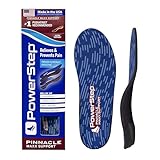
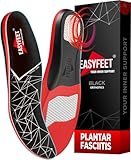
Podiatrist-Recommended Products


Frequently Asked Questions About Foot Pain From Old Shoes
Why do old shoes hurt my feet?
Cushioning compresses permanently; midsole materials break down; outsole wears unevenly; arch support reduces; structural integrity fades. Hidden degradation: most degradation invisible; shoes look fine but provide minimal support.
How often should I replace running shoes?
300-500 miles typical; sometimes shorter for heavy runners; replace every 4-6 months for daily runners. Track mileage with apps (Strava tracks gear) or estimate. Multiple shoe rotation extends total mileage.
How do I know when to replace my shoes?
Visual: outsole worn down/asymmetrically; midsole compressed; creases in midsole; smell despite cleaning. Functional: foot pain returning; reduced cushion feel; less stable feeling; new aches. Hidden signs: trust mileage/time guidelines.
How long do walking shoes last?
500-700 miles; visual inspection for compression. For daily walkers: replace every 6-12 months typically. For serious walking workouts: more frequently. Quality matters – cheap walking shoes wear faster.
How do I make shoes last longer?
Allow to dry between wears (alternate pairs); shoe trees for dress shoes; clean regularly; address minor damage. Storage: cool, dry place; avoid extreme temperatures; not in plastic bags; not in damp areas. Avoid garage storage.
What does my heel wear pattern mean?
Inside (medial) heel wear: suggests overpronation; consider stability shoes; possible orthotic need. Outside (lateral) heel wear: suggests supination; consider neutral cushioned shoes. Symmetric wear: normal pattern; replace when worn down.
When should I see a podiatrist about old shoe foot pain?
Pain persists despite new shoes; need shoe recommendation; specific wear patterns concerning; foot pain develops with old shoes; need help establishing shoe replacement schedule; chronic conditions affecting shoe wear; need orthotic evaluation.
Related Resources from Balance Foot & Ankle
Still Dealing With Foot Pain From Old Shoes?
Appointments at Balance Foot & Ankle in Howell & Bloomfield Township, MI.
Book Your Appointment⚠️ Most Common Mistake: Ignoring persistent foot pain and continuing normal activity without evaluation. Early podiatric care prevents minor foot issues from becoming chronic, difficult-to-treat conditions.
Frequently Asked Questions
🏥 Recommended by Dr. Biernacki — Foundation Wellness Products
These are the same products Dr. Biernacki recommends to his patients at Balance Foot & Ankle in Michigan. Available through our trusted partners.
APMA: Foot Pain Relief and Activity-Related Causes
Ready to Get Relief?
Book online 24/7 in Howell & Bloomfield Township, MI
4.9★ | 1,200+ Reviews | 3,000+ Surgeries
Or call: (810) 206-1402

Dr. Tom Biernacki, DPM is a board-certified foot & ankle surgeon (ABFAS & ABPM) at Balance Foot & Ankle Specialists in Southeast Michigan. With over a decade of clinical experience, he specializes in heel pain, bunions, diabetic foot care, sports injuries, and minimally invasive surgery. Dr. Biernacki is a member of the APMA and ACFAS, and his patient education content on MichiganFootDoctors.com and YouTube has made him one of the most-followed foot & ankle educators on YouTube.