
Medically reviewed by Dr. Tom Biernacki, DPM
Board-certified podiatric surgeon | Balance Foot & Ankle, Howell & Bloomfield Township, MI
Last reviewed: May 2026

| Truck Driver Foot Condition | Mechanism | Affected Foot | Prevention | Treatment |
|---|---|---|---|---|
| Plantar fasciitis | Sustained heel-on-floor pedal position; arch loading | Right (primarily) | Arch support insole; calf stretching at stops | Orthotics; injection; stretching program |
| Achilles tendinopathy | Sustained partial plantar flexion + vibration | Right (primarily) | Heel lift insole; eccentric calf exercises | Alfredson protocol; boot; injection if refractory |
| Tarsal tunnel syndrome | Prolonged heel pressure + nerve compression | Bilateral or right | Change foot position frequently; orthotic with met dome | Orthotics; injection; surgical decompression |
| Dependent edema | Prolonged sitting; calf pump inactivity | Bilateral | Compression socks; stop every 2 hrs; calf pumps | Elevation at stops; compression; diuretic if refractory |
| DVT | Immobility; vibration; dehydration | Bilateral (often left calf) | Walk every 2 hrs; hydration; compression; aspirin if high-risk | URGENT — anticoagulation; emergency evaluation |
| Dorsal extensor tendonitis | Shoe tongue pressure; pedal dorsiflexion force | Right (primarily) | Window lacing; pad shoe tongue; lace looser | NSAIDs; ice; shoe modification; orthotics |
| DVT Risk Factor in Truck Drivers | Risk Level | Mitigation |
|---|---|---|
| Haul duration >4 hours continuous | High | Mandatory stop every 2 hrs; walk 5–10 min |
| Dehydration (insufficient fluid intake) | Moderate–High | 8+ glasses water/day; limit caffeine |
| Age >60 | Moderate | Compression socks; physician discussion re: aspirin |
| Obesity (BMI >30) | High | Compression socks 20–30 mmHg; mandatory movement breaks |
| Prior DVT or clotting disorder | Very High | Physician-supervised anticoagulation; compression 30–40 mmHg |
| Recent surgery or injury | Very High | Clear with physician before returning to long-haul driving |
You are in the right place. Dr. Tom Biernacki, DPM, FACFAS — board-certified foot & ankle surgeon with 3,000+ surgeries — explains exactly what foot pain from truck driving means and what works. Call (810) 206-1402 for same-day appointment at Howell or Bloomfield Township.
Quick answer: Foot Pain From Truck Driving has multiple potential causes including mechanical, neurological, vascular, and inflammatory. The most common causes we identify are overuse, ill-fitting shoes, and biomechanical imbalance. Red flags requiring urgent evaluation: warmth/redness (infection), inability to bear weight (fracture), and unilateral swelling without injury (DVT). Call (810) 206-1402.
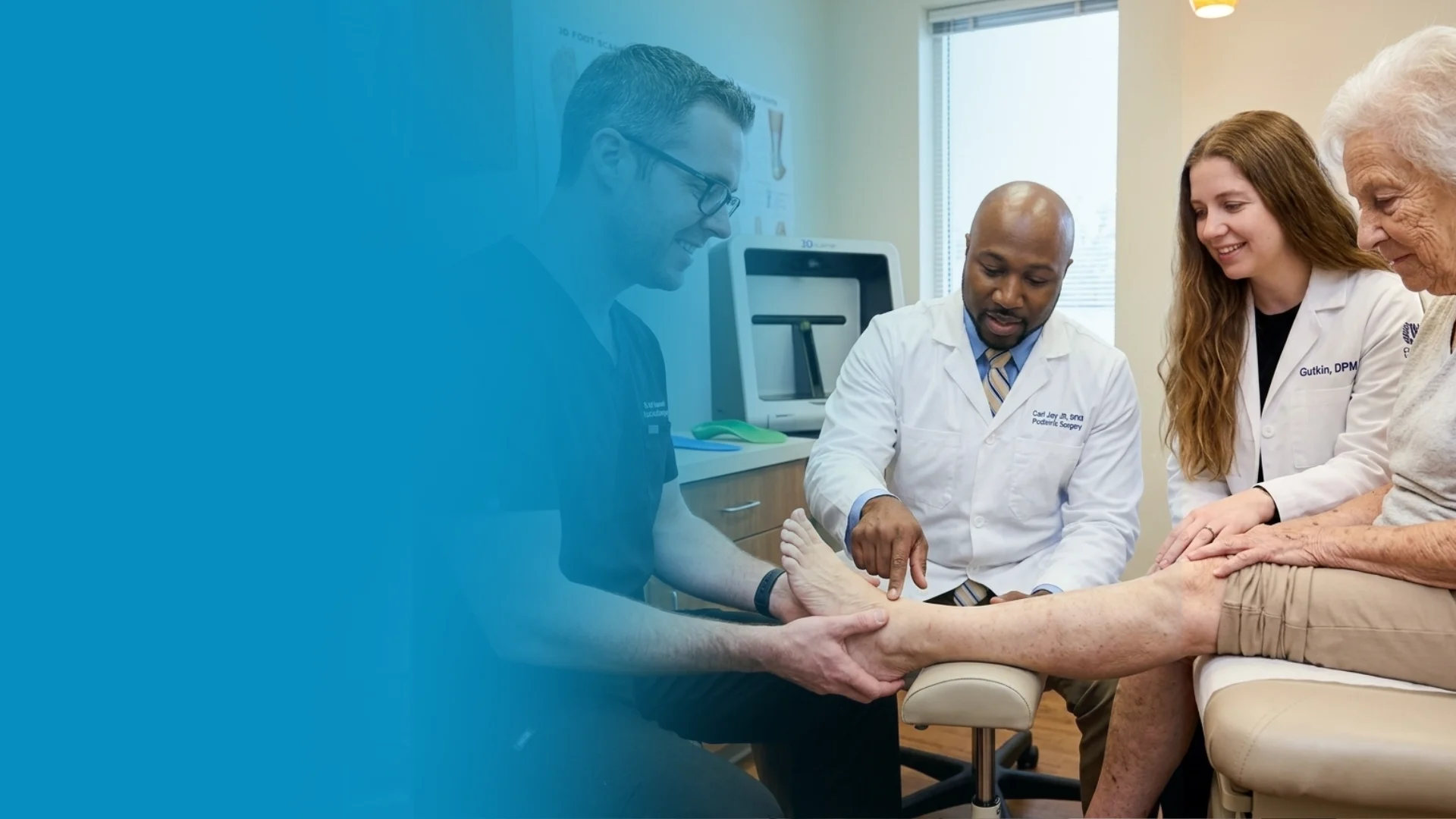
Watch: How to Cure Plantar Fasciitis in One Week? [FAST Heel Pain Relief!] — MichiganFootDoctors YouTube
The most important clinical decision with Foot Pain From Truck Driving isn’t which treatment to start with — it’s identifying the correct subtype. That changes everything. Call (810) 206-1402.
Foot Pain From Truck Driving: Quick Answer
Truck drivers experience unique foot pain – the prolonged pedal pressure, sustained sitting, limited movement, and lifting at delivery create challenging foot demands. We help dozens of truckers yearly at Balance Foot and Ankle. Here is the comprehensive truck driving foot care guide.
Why Truck Driving Causes Foot Pain
Trucking demands: Long sitting hours (10+ hour shifts); pedal pressure (especially with manual transmission); limited foot movement; sometimes loading/unloading; long-distance driving; cramped cab spaces; weather extremes; over-the-road overnight; minimal exercise opportunities; sleep apnea common (affects circulation). Different from many occupations: combination of stationary sitting plus pedal work creates unique stress.
Most Common Trucker Foot Issues
1. DVT (deep vein thrombosis): Higher risk than general population – serious concern. 2. Plantar fasciitis: From standing/walking at delivery sites with hard shoes. 3. Pedal foot pain: From sustained pedal pressure. 4. Achilles issues: From cramped cab footwell. 5. Foot/ankle swelling: Very common from prolonged sitting. 6. Calf cramps: From inactivity. 7. Back/knee pain: From foot mechanics. 8. Diabetic foot complications: Common in trucker demographic. 9. Bunion irritation: Boot pressure. 10. Heel pain: Hard work boots.
DVT Risk in Truckers
DVT (blood clots): Significant risk in long-haul truckers. RED FLAGS: Calf pain (often unilateral); calf swelling; warmth; redness; sometimes shortness of breath (pulmonary embolism). Risk factors: Prolonged sitting; obesity; smoking; family history; older age; diabetes; sleep apnea. Prevention: Frequent stops (every 2 hours); calf raises in cab; ankle pumps; hydration; compression socks (significant benefit); aspirin for high-risk (consult PCP); maintain healthy weight; treat sleep apnea.
Best Trucker Footwear
Ideal trucker shoes: Comfortable for driving; quick on/off (frequent in/out); supportive for delivery walking; sometimes safety toe required (loading docks). Top picks: Skechers Work series (slip-on options); KEEN Utility; Vionic Walker; Hoka work-style; Crocs Bistro Pro (some prefer for driving). Driving-specific: Some prefer minimal heel for pedal feel; others prefer cushion. Multiple shoe options: driving shoe + delivery boot.
Pedal Pressure Solutions
Foot fatigue from pedals: Especially with manual transmission. Solutions: Quality cushioned shoes for driving; orthotics in driving shoes; alternate foot positioning when possible; adjust seat for less tension; cruise control when appropriate; rest when developing pain. Modern automatic transmissions: significantly reduce foot stress for many.
Cab-Based Foot Exercises
Driving-cab foot exercises: Critical for trucker foot health. While driving: Subtle ankle pumps; toe flexion; calf flexes (when safe). At stops: Walk laps around truck (5+ minutes per stop); calf stretches against truck; ankle circles; foot rolls (lacrosse ball); standing breaks at every fuel stop. Most truckers: dont do these; significantly reduces foot/leg issues if regular.
Compression Socks for Truckers
Compression socks: Essential for truckers. Benefits: Reduce DVT risk; reduce swelling; improve circulation; reduce foot fatigue. Recommended: 15-20 mmHg general use; 20-30 mmHg for those with prior DVT or significant risk factors. Brands: Sigvaris (medical-grade); Jobst; Sockwell; CEP. Daily wear during driving: recommended; many truckers continue off-duty too.
Diabetic Foot Care for Truckers
Diabetes common in trucker demographic: Increased risk for foot complications. Truckers especially vulnerable: Long sitting reduces circulation; difficult to manage diabetes on the road; cant easily inspect feet daily; sometimes shoes/boots cause pressure points. Management: Optimize blood sugar; quality diabetic shoes; daily foot inspection (use mirror); regular podiatry care; address minor issues immediately; emergency care if foot ulcer develops.
Long-Term Trucker Foot Health
Career trucker considerations: Many develop chronic conditions over time; weight gain common; diabetes development; cardiovascular concerns; varicose veins; chronic foot pain. Preventive strategies: Address conditions early; regular medical care; lifestyle modifications when possible; quality footwear from start; compression socks; cab exercises; address sleep apnea.
When to See a Podiatrist
See us if: trucker foot pain affecting driving ability; suspected DVT (urgent – emergency room); suspected plantar fasciitis; need orthotic evaluation for driving and delivery shoes; chronic foot conditions; diabetic foot management; persistent foot/ankle swelling; recurring conditions affecting work; need driving foot care strategy. Same-week appointments at Balance Foot and Ankle. Schedule online.
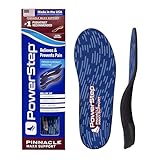
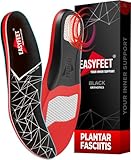
Podiatrist-Recommended Products


Frequently Asked Questions About Foot Pain From Truck Driving
Why does truck driving hurt my feet?
Long sitting hours; pedal pressure; limited foot movement; sometimes loading/unloading; long-distance driving; cramped cab spaces; weather extremes; over-the-road overnight; minimal exercise opportunities; sleep apnea common. Combination of sitting plus pedal work creates unique stress.
Are truckers at risk for blood clots?
YES – DVT significant risk in long-haul truckers. RED FLAGS: calf pain (often unilateral); calf swelling; warmth; redness; sometimes shortness of breath. Risk factors: prolonged sitting; obesity; smoking; older age; diabetes; sleep apnea. Same-day evaluation if suspected.
How do I prevent foot swelling while truck driving?
Frequent stops (every 2 hours); calf raises in cab; ankle pumps; hydration; compression socks (significant benefit); maintain healthy weight; treat sleep apnea if present; aspirin for high-risk (consult PCP).
What shoes are best for truck driving?
Comfortable for driving; quick on/off; supportive for delivery walking; sometimes safety toe required. Top picks: Skechers Work (slip-on); KEEN Utility; Vionic Walker; Hoka work-style. Multiple shoe options often best (driving shoe + delivery boot).
Should truckers wear compression socks?
YES – essential for truckers. Benefits: reduce DVT risk; reduce swelling; improve circulation; reduce foot fatigue. 15-20 mmHg general use; 20-30 mmHg for those with prior DVT or significant risk factors. Brands: Sigvaris, Jobst, Sockwell, CEP.
What foot exercises can I do in the cab?
While driving (when safe): subtle ankle pumps; toe flexion; calf flexes. At stops: walk laps around truck (5+ minutes per stop); calf stretches against truck; ankle circles; foot rolls (lacrosse ball); standing breaks at every fuel stop. Significantly reduces issues if regular.
When should I see a podiatrist about trucker foot pain?
Pain affecting driving ability; suspected DVT (urgent – emergency room); suspected plantar fasciitis; need orthotic evaluation for driving and delivery shoes; chronic foot conditions; diabetic foot management; persistent swelling; recurring conditions affecting work.
Related Resources from Balance Foot & Ankle
Still Dealing With Foot Pain From Truck Driving?
Same-week appointments at Balance Foot & Ankle in Howell & Bloomfield Township, MI.
Book Your AppointmentFrequently Asked Questions
When should I see a doctor?
See a podiatrist if pain persists past 2 weeks, prevents normal activity, or is accompanied by red-flag symptoms (warmth, swelling, numbness, inability to bear weight).
Can I treat this at home?
Mild cases respond to RICE protocol (rest, ice, compression, elevation), supportive shoes, and OTC anti-inflammatories. Persistent symptoms need professional evaluation.
How long does it take to heal?
Most soft tissue injuries resolve in 2-6 weeks with appropriate care. Bone injuries take 6-12 weeks. Chronic conditions need longer-term management.
Ready to fix this for good?
Reading goes so far. The fastest path is a 30-minute office visit. Same-day Howell or Bloomfield Township. Call (810) 206-1402.
APMA: Foot Pain Relief and Activity-Related Causes
Ready to Get Relief?
Same-day appointments available in Howell & Bloomfield Township, MI
4.9★ | 1,123 Reviews | 3,000+ Surgeries
Or call: (810) 206-1402

Dr. Tom Biernacki, DPM is a board-certified foot & ankle surgeon (ABFAS & ABPM) at Balance Foot & Ankle Specialists in Southeast Michigan. With over a decade of clinical experience, he specializes in heel pain, bunions, diabetic foot care, sports injuries, and minimally invasive surgery. Dr. Biernacki is a member of the APMA and ACFAS, and his patient education content on MichiganFootDoctors.com and YouTube has made him one of the most-followed foot & ankle educators on YouTube.