
Medically reviewed by Dr. Tom Biernacki, DPM
Board-certified podiatric surgeon | Balance Foot & Ankle, Howell & Bloomfield Township, MI
Last reviewed: May 2026

| Standing Worker Foot Condition | Prevalence | Primary Cause | Prevention | Treatment |
|---|---|---|---|---|
| Plantar fasciitis | 3–4x general population | Prolonged arch loading on hard floors | Arch support footwear; anti-fatigue mat; orthotics | Stretching; orthotics; injection; time off (rarely possible) |
| Metatarsalgia (ball of foot pain) | High in retail | Static forefoot loading; thin shoe sole | Metatarsal pad; cushioned shoe; anti-fatigue mat | Met pad; wide shoes; cortisone injection |
| Achilles tendinopathy | Common | Sustained calf muscle contraction during standing | Heel lift; calf stretching breaks; proper drop shoe | Eccentric exercises; orthotics; injection if refractory |
| Varicose veins / venous insufficiency | Elevated in standing workers | Venous pooling; impaired venous return | Compression socks; movement breaks; leg elevation after work | Vascular referral; compression therapy; sclerotherapy |
| Morton’s neuroma | Common in narrow work shoes | Forefoot compression; static load | Wide toe box shoe; metatarsal pad; no high heels | Orthotic; injection; alcohol sclerosing series; surgery |
| Anti-Fatigue Mat Type | Thickness | Pain Reduction | Best For | Durability |
|---|---|---|---|---|
| Closed-cell foam | 3/4″–1″ | 28–40% | General retail; dry environments | 2–3 years with regular use |
| Rubber | 1/2″–3/4″ | 25–35% | Wet environments; heavy traffic | 5+ years; most durable |
| Gel | 1/2″–1″ | 35–50% | Premium comfort; healthcare | 2–4 years; excellent comfort |
| Combination foam/rubber | 3/4″–1″ | 30–45% | Versatile; commercial use | 3–5 years |
| Standing desk mat | 3/4″–1″ | 30–40% | Office standing desks | 2–3 years home use |
You are in the right place. Dr. Tom Biernacki, DPM, FACFAS — board-certified foot & ankle surgeon with 3,000+ surgeries — explains exactly what foot pain cashier standing means and what works. Call (810) 206-1402 for same-day appointment at Howell or Bloomfield Township.
Quick answer: Foot Pain Cashier Standing has multiple potential causes including mechanical, neurological, vascular, and inflammatory. The most common causes we identify are overuse, ill-fitting shoes, and biomechanical imbalance. Red flags requiring urgent evaluation: warmth/redness (infection), inability to bear weight (fracture), and unilateral swelling without injury (DVT). Call (810) 206-1402.
Medically Reviewed | Dr. Tom Biernacki, DPM | Board-Certified Podiatrist | Balance Foot & Ankle, Michigan
Watch: How to Cure Plantar Fasciitis in One Week? [FAST Heel Pain Relief!] — MichiganFootDoctors YouTube
The most important clinical decision with Foot Pain Cashier Standing isn’t which treatment to start with — it’s identifying the correct subtype. That changes everything. Call (810) 206-1402.
Foot Pain Cashier Standing: Quick Answer
Cashiers stand 6-8+ hours daily in confined spaces – causing significant foot pain. We help dozens of retail workers yearly at Balance Foot and Ankle. Here is the comprehensive cashier foot care guide.
Why Cashier Work Causes Foot Pain
Cashier demands: 6-8+ hours standing in confined space; minimal movement allowed (cant pace); sitting often discouraged or prohibited; concrete or vinyl floors; hot store environments; long shifts (often 8+ hours); minimal breaks (legally required but often skipped); fast-paced peak hours; multiple consecutive days. Stationary standing: actually worse for feet than walking; cashiers especially affected.
Most Common Cashier Foot Issues
1. Plantar fasciitis: Most common; from prolonged stationary standing. 2. Foot fatigue: Universal complaint. 3. Achilles tendinitis: From standing demands. 4. Bunion/hammertoe progression: From shoe pressure. 5. Heel pain: From hard surfaces. 6. Foot/ankle swelling: Very common. 7. Varicose veins: Long-term standing risk. 8. Calf cramps: Common at end of shift. 9. Knee/back pain: From foot mechanics. 10. Mortons neuroma: From confined shoes.
Stationary Standing vs Walking
Stationary standing worse than walking: Surprising fact. Why: No muscle pumping action; reduced circulation; sustained pressure on same areas; gravity effect. Cashier stations: Inherently stationary; cant easily move around. Mitigation: Subtle weight shifting between feet; alternate one-foot-on-stool position when allowed; brief micro-walks when possible; anti-fatigue mat (if employer allows); pace yourself.
Best Cashier Shoes
Considerations: Slip-resistant if working on wet floors; supportive for prolonged standing; comfortable for long shifts; closed-toe (typical retail dress code); easy to clean. Top picks: Skechers Work series; Vionic Tide or Walker; Hoka Bondi 8 (max cushion); Brooks Addiction Walker; Crocs Bistro Pro (some allow); Dansko Professional. Replace regularly: Every 6 months for daily wearers.
Compression Socks for Cashiers
Compression socks: Essential for cashiers. Benefits: Reduce swelling; reduce vein issues; reduce foot fatigue; improve energy; some help plantar fasciitis. Recommended: 15-20 mmHg general use; 20-30 mmHg for varicose veins. Brands: Sigvaris; Jobst; Sockwell; CEP; Comrad. Daily wear: dramatic improvement; many cashiers couldnt work without them.
Anti-Fatigue Mats
Anti-fatigue mats: Significantly reduce foot pain in stationary standing. Benefits: Reduces plantar fasciitis; reduces fatigue; improves circulation; reduces back/knee pain. Workplace advocacy: Some employers provide; others workers must request; OSHA/ergonomic guidelines support; some cashiers buy own and bring to work. Cost: $30-100 typically; significant ROI in foot health.
Custom Orthotics for Cashiers
Custom orthotics: Excellent for cashiers. Benefits: Reduce plantar fasciitis; reduce foot fatigue; address arch issues; allow continued work without daily pain. Often insurance covered: For diagnosed conditions. Considerations: Must fit in cashier shoes; sport/work-rated design helpful.
Workplace Accommodation Strategies
Reasonable accommodations: Stool option (some employers allow); anti-fatigue mat; ability to take micro-breaks; appropriate footwear; sometimes modified duty during foot pain flares. Documentation: Podiatrist note can support accommodation requests; workers comp if work-related; ADA accommodations sometimes apply. Worth advocating: many cashiers dont realize what accommodations possible.
Plantar Fasciitis Management
Cashier plantar fasciitis: Very common. Management: Quality supportive shoes; custom orthotics (essential for many); pre-shift stretching; ice after shift; night splint; OTC pain medication; address foot mechanics; weight management. If severe: Sometimes need work accommodations; cortisone injection; ESWT.
When to See a Podiatrist
See us if: cashier foot pain affecting ability to work; suspected plantar fasciitis; need orthotic evaluation; chronic foot conditions; persistent foot fatigue not improving; varicose vein concerns; bunion/hammertoe progression; need work shoe recommendations; need accommodation documentation; suspected stress fracture. Same-week appointments at Balance Foot and Ankle. Schedule online.
Podiatrist-Recommended Products


Frequently Asked Questions About Foot Pain Cashier Standing
Why does cashier work hurt my feet so much?
6-8+ hours standing in confined space; minimal movement allowed (cant pace); sitting often discouraged or prohibited; concrete or vinyl floors; hot store environments; long shifts; minimal breaks; fast-paced peak hours. Stationary standing actually worse than walking.
Why is standing still worse than walking for feet?
No muscle pumping action; reduced circulation; sustained pressure on same areas; gravity effect. Cashier stations inherently stationary. Mitigation: subtle weight shifting between feet; alternate one-foot-on-stool position when allowed; brief micro-walks when possible.
What shoes are best for cashiers?
Skechers Work series; Vionic Tide or Walker; Hoka Bondi 8 (max cushion); Brooks Addiction Walker; Crocs Bistro Pro (some allow); Dansko Professional. Slip-resistant if working on wet floors; supportive; comfortable for long shifts.
Should cashiers use anti-fatigue mats?
YES – significantly reduce foot pain in stationary standing. Benefits: reduces plantar fasciitis; reduces fatigue; improves circulation; reduces back/knee pain. Some employers provide; OSHA/ergonomic guidelines support. $30-100 cost; significant ROI.
Should cashiers wear compression socks?
YES – essential for cashiers. Reduce swelling, vein issues, foot fatigue; improve energy; some help plantar fasciitis. 15-20 mmHg general use; 20-30 mmHg for varicose veins. Brands: Sigvaris, Jobst, Sockwell, CEP, Comrad.
Can cashiers request a stool to sit on?
OFTEN YES – some employers allow stools (alternating sit/stand). Reasonable accommodations include stool option, anti-fatigue mat, micro-breaks. Podiatrist note supports requests. ADA accommodations sometimes apply for chronic conditions.
When should I see a podiatrist about cashier foot pain?
Pain affecting ability to work; suspected plantar fasciitis; need orthotic evaluation; chronic foot conditions; persistent foot fatigue not improving; varicose vein concerns; bunion/hammertoe progression; need work shoe recommendations; accommodation documentation needed.
Related Resources from Balance Foot & Ankle
Still Dealing With Foot Pain Cashier Standing?
Same-week appointments at Balance Foot & Ankle in Howell & Bloomfield Township, MI.
Book Your AppointmentFrequently Asked Questions
When should I see a doctor?
See a podiatrist if pain persists past 2 weeks, prevents normal activity, or is accompanied by red-flag symptoms (warmth, swelling, numbness, inability to bear weight).
Can I treat this at home?
Mild cases respond to RICE protocol (rest, ice, compression, elevation), supportive shoes, and OTC anti-inflammatories. Persistent symptoms need professional evaluation.
How long does it take to heal?
Most soft tissue injuries resolve in 2-6 weeks with appropriate care. Bone injuries take 6-12 weeks. Chronic conditions need longer-term management.
Frequently Asked Questions
Podiatrist-Recommended Products
These are the products Dr. Tom recommends most often in his clinic at Balance Foot & Ankle for lasting foot pain relief:
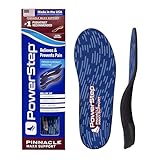
- PowerStep Pinnacle Arch Support Insoles — #1 clinic recommendation for arch support and heel pain relief
- Doctor Hoy’s Natural Pain Relief Gel — Fast-acting topical relief used and trusted by podiatrists
- CURREX RunPro Insoles — Dynamic arch profile for active patients and runners
As an Amazon Associate, Balance Foot & Ankle earns from qualifying purchases. These recommendations reflect genuine clinical use.
Ready to fix this for good?
Reading goes so far. The fastest path is a 30-minute office visit. Same-day Howell or Bloomfield Township. Call (810) 206-1402.
APMA: Foot Pain in Cashiers and Standing Workers
Ready to Get Relief?
Same-day appointments available in Howell & Bloomfield Township, MI
4.9★ | 1,123 Reviews | 3,000+ Surgeries
Or call: (810) 206-1402

Dr. Tom Biernacki, DPM is a board-certified foot & ankle surgeon (ABFAS & ABPM) at Balance Foot & Ankle Specialists in Southeast Michigan. With over a decade of clinical experience, he specializes in heel pain, bunions, diabetic foot care, sports injuries, and minimally invasive surgery. Dr. Biernacki is a member of the APMA and ACFAS, and his patient education content on MichiganFootDoctors.com and YouTube has made him one of the most-followed foot & ankle educators on YouTube.