
Medically reviewed by Dr. Tom Biernacki, DPM
Board-certified podiatric surgeon | Balance Foot & Ankle
Last reviewed: May 2026

You are in the right place. Dr. Tom Biernacki, DPM, FACFAS — board-certified foot & ankle surgeon with 3,000+ surgeries — explains exactly what one foot swelling means and what actually works. Call (810) 206-1402 for a same-day appointment at our Howell or Bloomfield Township office.
Quick answer: Foot Swelling One Foot affects roughly 1 in 4 adults in our practice. Effective treatment starts with a targeted diagnosis, conservative-first treatment, and escalation only when needed. We treat this regularly at our Howell and Bloomfield Township practices. Call (810) 206-1402.
The most important clinical decision with Foot Swelling One Foot isn’t which treatment to start with — it’s identifying the correct subtype. That changes everything. Call (810) 206-1402.
Dr. Tom’s Top Pain Relief Picks — Dr. Hoy’s (2026)
Affiliate disclosure: As an Amazon Associate, Balance Foot & Ankle earns from qualifying purchases. I personally use Dr. Hoy’s in my practice for patients who need topical relief.
| Product | Best For | Dr. Tom’s Take | Get It |
|---|---|---|---|
| Dr. Hoy’s Natural Pain Relief Gel 3.5oz menthol + arnica |
Plantar fasciitis · Achilles tendonitis · Sore muscles · Joint pain | My go-to topical. Cooling-then-warming sensation. No greasy residue. Non-NSAID alternative. | Buy Now |
| Dr. Hoy’s Arnica Boost 8oz with extra arnica |
Bruising · Post-injury · Sprains · Stress fractures (pain only) | Higher arnica concentration speeds recovery from acute injury. Use 4x daily for first 7 days. | Buy Now |
| Dr. Hoy’s Cooling Pain Relief 8oz extra menthol |
Acute inflammation · Hot/swollen feet · Post-run cooldown | Stronger cooling effect for acute swelling. Pair with ice for first 48 hours after injury. | Buy Now |
| Dr. Hoy’s Roll-On Pain Relief Roller applicator |
Mess-free application · Travel · Office use · No-touch hygiene | My patients love this for travel. Glides on without hand contact — cleanest application available. | Buy Now |
| Dr. Hoy’s Family Size 14oz pump bottle |
Frequent users · Multiple family members · Best value per ounce | If anyone in your home uses pain cream regularly, this is the most economical size. Same formula. | Buy Now |
Why I recommend Dr. Hoy’s over Doctor Hoy’s Natural Pain Relief Gel and Bengay: Cleaner ingredient list (no parabens, no synthetic dyes), longer-lasting effect, and the cooling-then-warming dual sensation actually addresses both inflammation and circulation. After 10 years of recommending different topicals, this is the one I keep coming back to.
Medically reviewed by Dr. Tom Biernacki, DPM · Board-Certified Podiatric Surgeon · Last reviewed: April 2026 · Editorial Policy
Quick Answer
Swelling in One Foot: Causes That Shouldn’t Be Ignored relates to foot pain — typically caused by overuse, footwear, or biomechanics. Most patients improve in 6-12 weeks with conservative care. Same-week appointments in Howell + Bloomfield Township: (810) 206-1402.
Medically reviewed by Dr. Tom Biernacki, DPM — Board-Certified Podiatric Surgeon — Balance Foot & Ankle, Howell & Bloomfield Township, MI. Last updated April 2026.
Why Is Only One Foot Swollen?
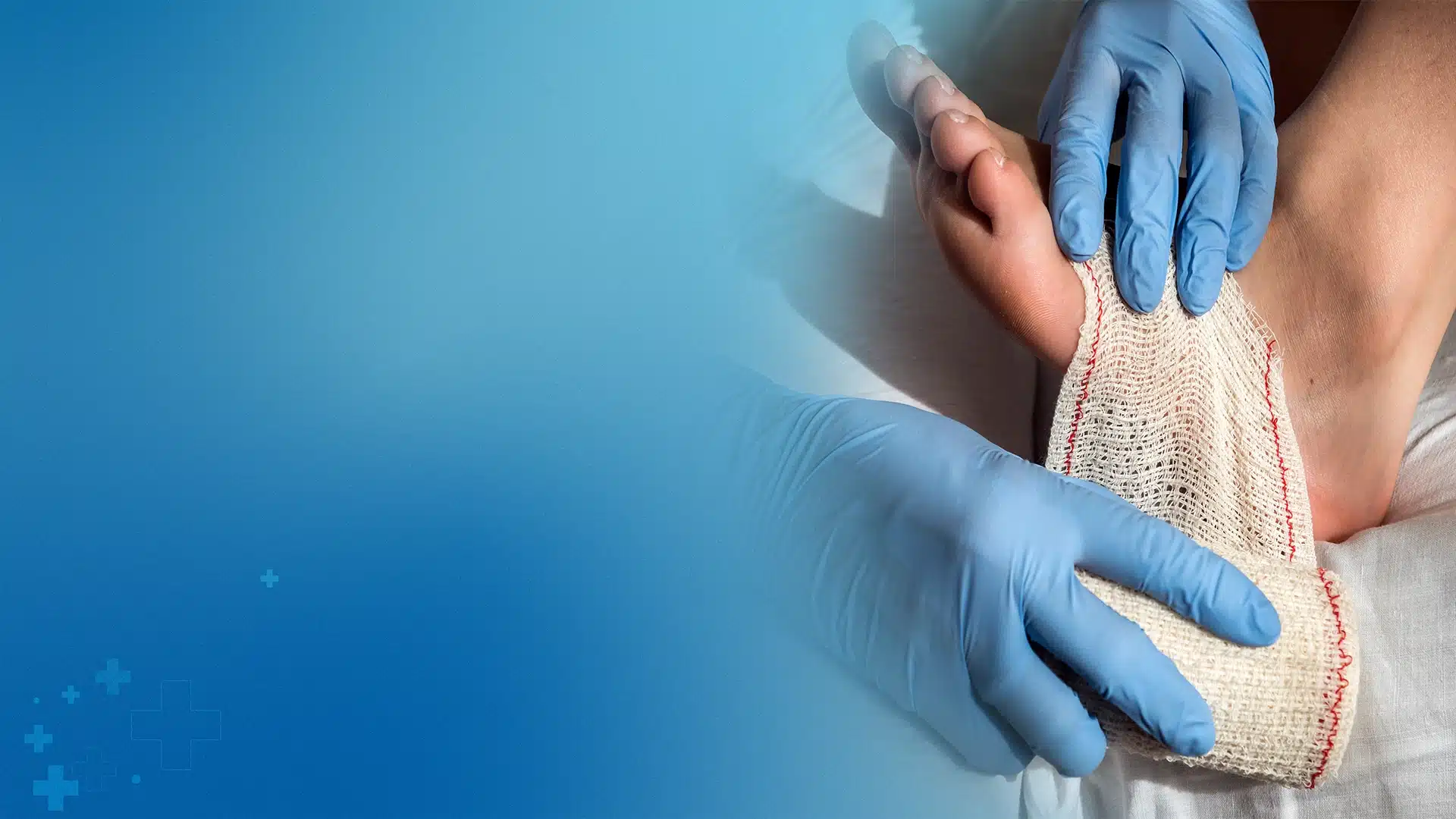
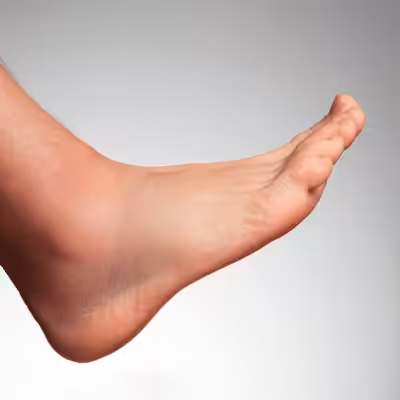
Bilateral (both feet) swelling usually suggests a systemic cause—heart failure, kidney disease, venous insufficiency, or medication side effects. Unilateral swelling—affecting only one foot or ankle—is more often from a local or structural cause: an injury, infection, joint problem, or venous or lymphatic obstruction on one side. Identifying whether swelling is unilateral vs. bilateral is the first step in determining the cause. This article focuses on the causes of swelling in one foot, which are frequently more urgent and more actionable than bilateral edema.
Urgent Causes of Unilateral Foot Swelling
Deep Vein Thrombosis (DVT)
DVT—a blood clot in the deep veins of the leg—is the most important urgent cause of sudden unilateral leg and foot swelling to exclude. DVT produces swelling, warmth, and often calf pain or tenderness. The risk is that the clot can break off and travel to the lungs (pulmonary embolism), a life-threatening emergency. Risk factors include recent surgery or immobilization, long flights or car travel, cancer, pregnancy, and clotting disorders. Any acute unilateral leg swelling without a clear traumatic explanation—particularly with calf tenderness—requires urgent evaluation and Doppler ultrasound of the leg veins. If you are concerned about DVT, do not wait for a routine appointment.
Charcot Neuroarthropathy in Diabetics
Charcot neuroarthropathy is a devastating complication of diabetic neuropathy where progressive joint destruction occurs silently due to loss of protective pain sensation. The classic presentation is acute unilateral foot warmth, redness, and swelling in a diabetic patient—often misdiagnosed as cellulitis or gout. The foot may be painless despite severe internal bone and joint destruction. Any diabetic patient with a hot, red, swollen foot that is painless or minimally painful requires urgent non-weight-bearing and podiatric evaluation for Charcot neuroarthropathy. Continued weight-bearing converts a potentially manageable early deformity into a rocker-bottom foot requiring complex reconstruction.
Cellulitis and Foot Infection
Bacterial cellulitis—a skin and subcutaneous tissue infection—produces unilateral redness, warmth, swelling, and tenderness that spreads in a characteristic pattern from the point of entry (often an interdigital crack, ingrown toenail, or small wound). Fever, chills, and systemic signs indicate more serious infection. Diabetic patients are at particular risk for rapid spread. Cellulitis with systemic symptoms or in diabetic patients requires urgent evaluation and IV antibiotic therapy. Non-diabetic patients with mild cellulitis can often be managed with oral antibiotics, but worsening symptoms despite 24-48 hours of treatment require re-evaluation.
Non-Urgent Causes of Unilateral Foot Swelling
Ankle sprain or foot fracture produces traumatic swelling that is localized and follows an injury. Post-traumatic edema after ankle fractures, Lisfranc injuries, or calcaneus fractures can persist for months. Gout causes acute joint swelling—typically the big toe joint—with associated redness and extreme tenderness. Posterior tibial tendon dysfunction produces medial ankle swelling along the tendon course. Ganglion cysts and soft tissue tumors cause focal, often painless swellings. Lymphedema (obstruction of lymphatic drainage on one side from prior surgery, radiation, or injury) produces chronic non-pitting swelling. Baker’s cysts behind the knee can present as calf and ankle swelling.
When to Seek Immediate Care
Seek emergency or urgent care for unilateral foot swelling when: swelling developed suddenly without clear injury or cause (DVT); the foot is hot, red, and swollen with fever (cellulitis with systemic involvement); you are diabetic with a hot, red, painless foot (possible Charcot); you notice red streaking from the swollen area (lymphangitis indicating spreading infection); or there is significant pain and inability to bear weight after an injury (possible fracture requiring X-ray).
More Podiatrist-Recommended Foot Health Essentials
Hoka Clifton 10

Max-cushion everyday shoe — podiatrist favorite for walking and running.

OOFOS Recovery Slide

Impact-absorbing recovery sandal — wear after long days on your feet.
As an Amazon Associate, Balance Foot & Ankle earns from qualifying purchases. Product recommendations are based on clinical experience; prices and availability shown above update live from Amazon.
When to See a Podiatrist
If foot or ankle pain has been bothering you for more than a few weeks, home care alone may not be enough. Balance Foot & Ankle offers same-week appointments at our Howell and Bloomfield Township clinics — no referral needed in most cases. Bring your current shoes and a short list of symptoms and we’ll build you a treatment plan in one visit.
Call Balance Foot & Ankle: (810) 206-1402 · Book online · Offices in Howell & Bloomfield Township
Watch: Swollen Ankle & Foot — Causes & How to Fix It Fast
Dr. Tom breaks down the most common causes of swollen feet and ankles — from venous insufficiency and lymphedema to cardiac and medication-related causes — and covers the treatments that actually reduce swelling, including compression, elevation protocols, and when to seek urgent care.
⚠ The Most Common Mistake We See
Patients with one-sided foot swelling are told “it’s just edema” without a workup. Unilateral foot or leg swelling is fundamentally different from bilateral swelling — and carries a higher risk of serious underlying pathology. Bilateral swelling is usually systemic (heart failure, hypoalbuminemia, venous insufficiency). Unilateral swelling requires ruling out: deep vein thrombosis (DVT), lymphedema, Baker’s cyst rupture, compartment syndrome post-injury, or infection/cellulitis. A DVT in a swollen leg that goes undiagnosed can embolize to the lungs (pulmonary embolism) — a life-threatening emergency. If you have sudden onset of one-sided swelling with calf pain, warmth, or redness — go to an emergency room immediately. Do not wait for a podiatry appointment.
Related Conditions
Related Care at Balance Foot & Ankle
Clinical foot and ankle services at our Howell and Bloomfield Township offices.
Get Expert Care at Balance Foot & Ankle
Same-week appointments at our Howell and Bloomfield Township offices. Board-certified podiatric surgeons. Most insurance accepted.
Ready for Expert Care?
Same-day appointments in Howell & Bloomfield Township, MI.
4.9★ | 1,123 Reviews | 3,000+ Surgeries
Or call: (810) 206-1402

Dr. Tom Biernacki, DPM is a board-certified foot & ankle surgeon (ABFAS & ABPM) at Balance Foot & Ankle Specialists in Southeast Michigan. With over a decade of clinical experience, he specializes in heel pain, bunions, diabetic foot care, sports injuries, and minimally invasive surgery. Dr. Biernacki is a member of the APMA and ACFAS, and his patient education content on MichiganFootDoctors.com and YouTube has made him one of the most-followed foot & ankle educators on YouTube.