
Quick answer: How to use a gait belt chair to wheelchair transfer technique the right way: 1) prepare the area properly, 2) use the correct technique demonstrated by a podiatrist, 3) avoid the common mistakes that worsen the problem. We see complications in clinic from improper home care. The full step-by-step guide below shows the right method. Call (810) 206-1402.
Medically reviewed by Dr. Tom Biernacki, DPM · Board-Certified Podiatric Surgeon · Last reviewed: April 2026 · Editorial Policy
Quick Answer
How to Use a Gait Belt [Chair to Wheelchair Transfer Techniq relates to plantar fasciitis — typically caused by tight calves and arch overload. Most patients improve in 6-12 weeks with conservative care. Appointments in Howell + Bloomfield Township: (810) 206-1402.
✅ Medically reviewed by Dr. Tom Biernacki, DPM — Board-Certified Podiatrist · Last updated April 6, 2026
How to Use a Gait Belt (Chair to Wheelchair Transfer Technique)
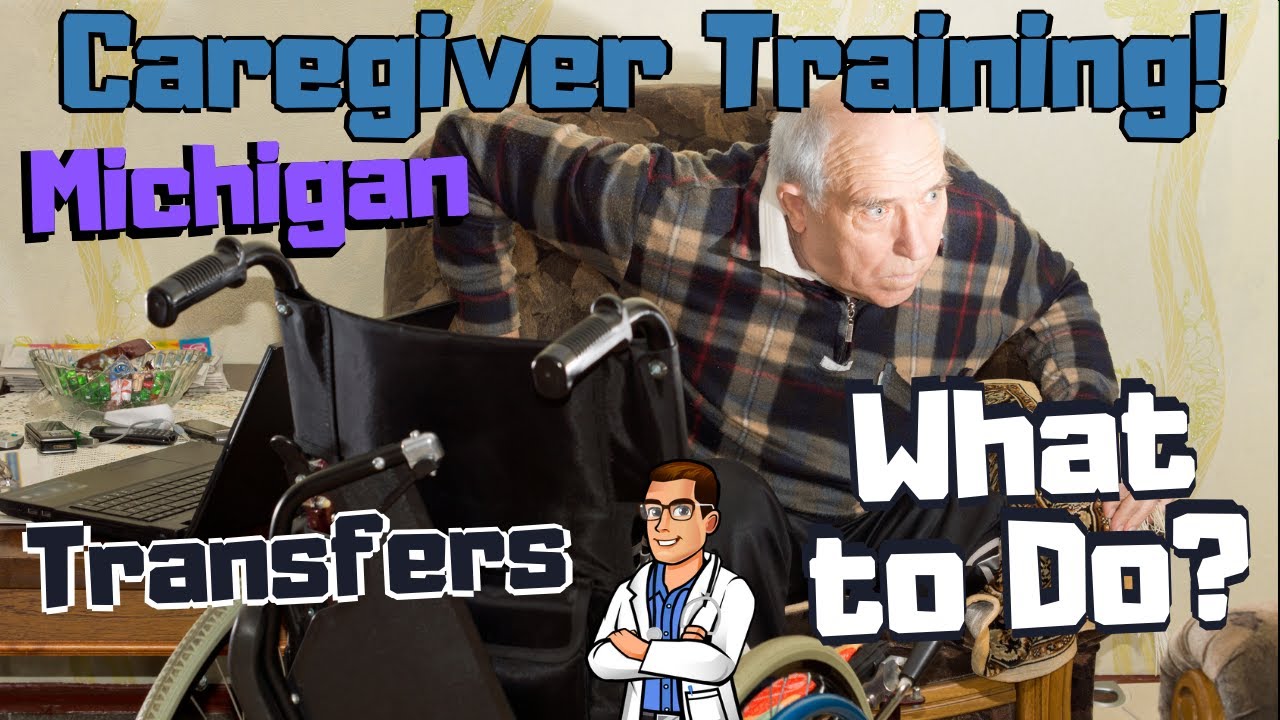
👉Do you need to know how to use a gait belt? How to transfer from a wheelchair to a chair? A Walker to a wheelchair? A bed to a wheelchair transfer? We can help!👈
This Assisting Hands Home Care Michigan Caregiver Training video reviews:
Gait belt technique
walker transfer technique
wheelchair transfer technique
How to move a patient from the bed to the wheelchair
Transfer from bed to a wheelchair
Pivot transfer
Wheelchair to bed transfer
Bed to chair transfer
How to transfer the patient from bed to wheelchair
Transfer Patient from bed to wheelchair
bed to wheelchair transfer
Bed to wheelchair transfer techniques
Transfer from wheelchair to bed
Wheelchair to a bed transfer device
Bed transfer
Wheelchair bed transfer
Transfer from wheelchair to a chair
Wheelchair transfer techniques
how to use a gait belt
transfer belt
gait belt use
transfer belt vs gait belt
what is a gait belt
how to use the gait belt
lift belt for elderly
how to use a gate belt
gait belt for transfers
how to put on a gait belt
belt to help lift elderly
Get Home Care Assistance in Michigan with Assisting Hands Home Care:
https://michiganpersonalcare.com/
👉– Shoes –👈
Our Recommended Shoes:
https://www.michiganfootdoctors.com/podiatrist-recommended-shoes/
Our Recommended Products: https://www.michiganfootdoctors.com/recommended-foot-doctor-products///
📢See a Physician!📢
See a Physician if you have a health issue. This information is NOT specific to your medical problem.
If in Michigan, consider seeing us:
https://michiganpersonalcare.com/
Directions:
https://g.page/r/Ca4Dg-JS_3XPEAE
👉– LINKS –👈
(With some links, we use affiliate links and may earn a commission. Check with your doctor before using any product!)
📢Disclaimer:📢 This video and description contain affiliate links, which means we may receive a commission if you click on one of the product links. Thank you for your support of this channel!
This is opinion only:
Do not consider this video as a substitute for professional medical advice, diagnosis, or treatment for the viewer or reader. We strongly urge you to contact your own physician with any questions regarding your medical condition. If you have an emergency, call 911 immediately or see your physician. Do not allow this information to let you disregard your professional’s medical advice or delay seeking information from this content. Do not rely on information provided by this general education video.
Healthcare practitioners: The content here is for education purposes only. The authors have done their best to provide the most up-to-date evidence-based information, but this content should definitely not be considered any type of medical standard. It does not reflect individual practices in other geographic areas.
This is strictly for medical education purposes only, and it is not intended for diagnosis or treatment. The information in these videos is the author’s opinion and is not an official opinion of any organizations that the authors may be a part of. The authors or speakers are not associated with any of the above products.
Getting Expert Foot and Ankle Care in Michigan: Balance Foot & Ankle
Michigan patients with any foot or ankle concern — from chronic pain and structural deformity to wound care, nail problems, and sports injuries — can receive expert podiatric evaluation at Balance Foot & Ankle. Our fellowship-trained podiatric surgeons provide the full spectrum of podiatric care, combining conservative and surgical options tailored to each patient’s specific diagnosis, activity level, and treatment goals. We are in-network with major Michigan insurance plans including Blue Cross Blue Shield of Michigan, Aetna, UnitedHealthcare, Cigna, Medicare, and most Medicare Advantage plans. Both of our Michigan offices — Howell at 4330 E Grand River (serving Livingston County) and Bloomfield Township at 43494 Woodward Ave #208 (serving Oakland County and northern Metro Detroit) — offer new patient appointments, in-office digital X-ray, and dedicated parking. Michigan patients ready to address their foot or ankle problem can call (810) 206-1402 to schedule with Balance Foot & Ankle.
Michigan Podiatry: Connecting Whole-Body Health to Foot and Ankle Outcomes
Related Treatment Guides
- Plantar Fasciitis & Heel Pain Treatment
- Custom 3D Orthotics
- Sports Foot & Ankle Injury Treatment
- Bunion Treatment
Foot and ankle health does not exist in isolation from the rest of the body — conditions including diabetes, peripheral arterial disease, obesity, rheumatoid arthritis, and gout have significant and direct effects on the foot. At Balance Foot & Ankle, we understand the intersection between systemic health and podiatric outcomes and coordinate with our patients’ primary care physicians, endocrinologists, rheumatologists, and vascular surgeons when managing complex conditions. Michigan patients managing chronic systemic conditions who have developed foot complications — neuropathy, circulatory insufficiency, inflammatory arthritis of the foot joints, or gout attacks — can receive coordinated podiatric care that integrates with their existing medical management. Our goal is to optimize foot function and prevent complications within the context of the patient’s overall health picture. Michigan patients with complex health histories affecting their foot and ankle health can call Balance Foot & Ankle at (810) 206-1402 to schedule at our Howell or Bloomfield Township office.

Insurance Accepted
BCBS · Medicare · Aetna · Cigna · United Healthcare · HAP · Priority Health · Humana · View All →
Howell Office
4330 E Grand River Ave
Howell, MI 48843
Get Directions →
Bloomfield Township Office
43494 Woodward Ave, #208
Bloomfield Township, MI 48302
Get Directions →
More Podiatrist-Recommended Foot Health Essentials
Hoka Clifton 10

Max-cushion everyday shoe — podiatrist favorite for walking and running.

OOFOS Recovery Slide

Impact-absorbing recovery sandal — wear after long days on your feet.
As an Amazon Associate, Balance Foot & Ankle earns from qualifying purchases. Product recommendations are based on clinical experience; prices and availability shown above update live from Amazon.

When to See a Podiatrist
If foot or ankle pain has been bothering you for more than a few weeks, home care alone may not be enough. Balance Foot & Ankle offers online booking 24/7 at our Howell and Bloomfield Township clinics — no referral needed in most cases. Bring your current shoes and a short list of symptoms and we’ll build you a treatment plan in one visit.
Call Balance Foot & Ankle: (810) 206-1402 · Book online · Offices in Howell & Bloomfield Township
Pros & Cons of Conservative Care for foot care
Advantages
- ✓ Conservative care first
- ✓ Book online 24/7
- ✓ Multiple insurance accepted
Considerations
- ✗ Self-treatment can mask issues
- ✗ See a podiatrist if pain >2 weeks
Dr. Tom’s Recommended Products for foot care
Affiliate disclosure: As an Amazon Associate, Balance Foot & Ankle earns from qualifying purchases. We only recommend products we use with patients.


Footnanny Heel Cream Dr. Tom’s Pick
Best for: Daily moisturizer for cracked heels
Ready to Get Back on Your Feet?
Appointments in Howell + Bloomfield Township. Most insurance accepted. Dr. Tom Biernacki, DPM & team.
Call Now: (810) 206-1402
How to Choose the Right Shoe — Dr. Tom’s Quick Checklist
- Heel-to-toe drop: 8-12mm for plantar fasciitis, 4-6mm for runners, 0-4mm for forefoot strikers
- Midsole firmness: firm enough that the shoe doesn’t fold in half when bent at the toe — soft midsoles cause more pain than they prevent
- Toe box width: wide enough that you can splay your toes naturally — narrow toe boxes are the #1 cause of bunions, neuromas, and hammer toes
- Arch support: built-in OR via a quality removable insole — Foundation Wellness PowerStep Pinnacle is what we recommend most
- Replacement schedule: every 300-500 miles for runners, every 6-12 months for daily walkers
⚕ Doctor Recommended
Doctor Hoy’s Natural Pain ReliefTopical relief for foot & ankle pain
View Product →In-Office Treatment at Balance Foot & Ankle
If home treatment isn’t providing relief for your foot and ankle conditions, our podiatry team at Balance Foot & Ankle can help with expert evaluations and advanced in-office care.
Book online 24/7. (810) 206-1402

Dr. Tom Biernacki, DPM is a board-certified foot & ankle surgeon (ABFAS & ABPM) at Balance Foot & Ankle Specialists in Southeast Michigan. With over a decade of clinical experience, he specializes in heel pain, bunions, diabetic foot care, sports injuries, and minimally invasive surgery. Dr. Biernacki is a member of the APMA and ACFAS, and his patient education content on MichiganFootDoctors.com and YouTube has made him one of the most-followed foot & ankle educators on YouTube.
More questions patients ask
What is a gait belt and when should it be used for patient transfers?
A gait belt is a sturdy canvas, nylon, or leather belt worn around a patient's waist that provides caregivers with a secure grip during ambulation assistance and transfers. It should be used when: the patient has weakness, poor balance, or fall risk during walking or transfers; performing chair-to-wheelchair, wheelchair-to-bed, or toilet transfers; assisting with gait training during rehabilitation; and any time a patient cannot safely transfer independently. Gait belts reduce caregiver injury (back strain) and improve patient safety. They should NOT be used over open wounds, pacemakers, ostomy appliances, or in patients with severe osteoporosis or abdominal surgeries. Balance Foot & Ankle in Howell and Bloomfield Township, MI coordinates with home care and rehab providers — call (810) 206-1402.
How do you apply a gait belt correctly?
Proper gait belt application: apply over clothing (never directly on skin) around the patient's waist at or above the hips (not over the ribs or abdomen), thread the belt through the buckle and tighten so that only 3–4 fingers fit beneath the belt — snug but not restricting breathing, and check that the buckle is at the front or side (not behind the patient). Ensure the patient is wearing supportive footwear — never transfer a patient barefoot or in socks on smooth floors. Tell the patient what you're doing before each movement. Instruct the patient to push up using armrests or stable surfaces, not to grab the caregiver. Balance Foot & Ankle addresses foot conditions that affect safe ambulation and transfer — call (810) 206-1402.
What is the proper technique for a chair-to-wheelchair transfer?
Chair-to-wheelchair transfer technique: position the wheelchair at a 45-degree angle to the chair (or bed) and lock the brakes, fold foot rests out of the way, apply the gait belt, have the patient scoot to the edge of the seat with feet flat on the floor shoulder-width apart, ask them to lean slightly forward, count '1-2-3' and have them push up from the armrests while you guide at the gait belt (never lift from shoulders or arms), pivot the patient toward the wheelchair, lower them into the seat, and position foot rests. Ensure the patient is wearing proper footwear — bare feet or socks increase fall risk during transfers. Balance Foot & Ankle treats foot conditions that limit safe mobility — call (810) 206-1402.
What footwear is safest for patients during transfers and ambulation?
Optimal footwear for patients during assisted transfers and ambulation: closed-toe shoes with non-slip rubber soles (sneakers or supportive walking shoes are ideal), secure closure (velcro closures are easiest for patients with dexterity issues), low heel (under 1 inch), adequate toe box, and proper fit (no slipping). Avoid: bare feet, socks alone on smooth floors (extremely high slip risk), high heels, loose slippers, flip-flops, and any footwear that doesn't securely grip the foot. For patients with foot edema, ensure shoes still fit properly — overly tight shoes with swollen feet are also a fall risk. Balance Foot & Ankle in Howell (4330 E Grand River) and Bloomfield Township (43494 Woodward Ave #208) prescribes appropriate therapeutic footwear — call (810) 206-1402.
When is mechanical lifting equipment needed instead of a gait belt?
Mechanical lifting equipment (Hoyer lift, ceiling track lift, sit-to-stand lift) is indicated when: the patient cannot bear any weight and is a total assist, the patient has extreme obesity that makes manual transfer unsafe for caregivers, there is severe cognitive impairment with inability to cooperate, upper extremity strength is insufficient to push up from a surface, or caregiver back injury risk is unacceptable with manual transfers. OSHA and most healthcare agencies are moving toward zero-lift or minimal-lift policies to prevent caregiver injuries. Patients with foot injuries, post-surgical non-weight-bearing status, or severe neuropathy may temporarily require full mechanical lift assistance. Balance Foot & Ankle coordinates mobility planning with home care agencies — call (810) 206-1402.
Still have a question about coverage or cost? Book online and we will check your benefits before your visit: Book in Howell · Book in Bloomfield Township. Prefer to talk it through first? Call (810) 206-1402.