
Medically reviewed by Dr. Tom Biernacki, DPM — Board-certified foot & ankle surgeon, 3,000+ surgeries performed. Updated April 2026 with current clinical evidence. This article reflects real practice experience from Balance Foot & Ankle Specialists in Howell and Bloomfield Township, Michigan.
The most important clinical decision with Inline Skating Rollerblading Foot Injuries Boot Pressure Ankle Sprains isn’t which treatment to start with — it’s identifying the correct subtype. That changes everything. Call (810) 206-1402.
Quick Answer
An ankle sprain is a stretch or tear of the lateral ligaments caused by an inward roll of the foot. Grades 1-2 respond to RICE, bracing, and progressive loading within 2-4 weeks. See a podiatrist same-day if you cannot bear weight, have bone tenderness, or severe swelling within 1 hour (Ottawa Rules).


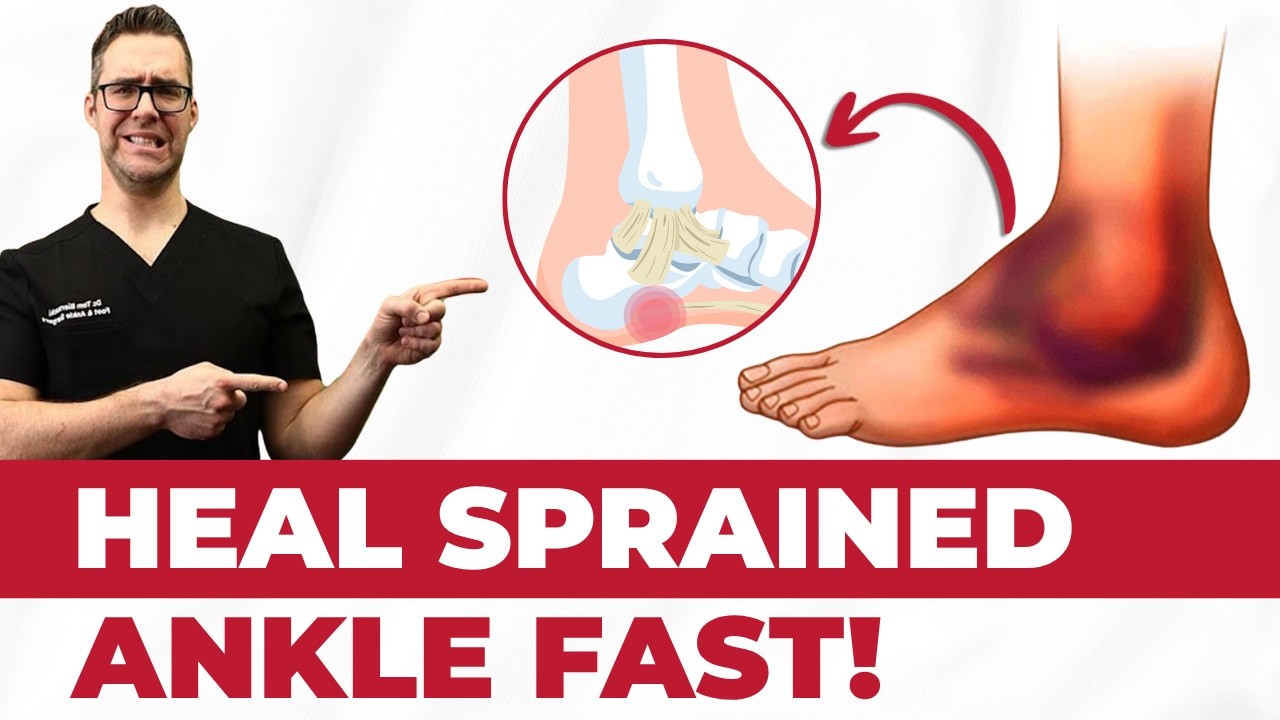
Watch: Fix TWISTED Ankle, ROLLED Ankle or SPRAINED Ankle Ligaments FASTER! — MichiganFootDoctors YouTube
🩺 Medically Reviewed by Dr. Tom Biernacki, DPM, FACFAS — Board-Certified podiatrist
Balance Foot & Ankle Specialists | Southeast Michigan
Skating Biomechanics and Foot Stress
Inline skating places unique demands on the foot and ankle that differ fundamentally from walking, running, and even ice skating. The rigid boot shell eliminates natural ankle motion during the stride, transferring all rotational and lateral forces through the foot’s internal structures rather than distributing them across the ankle joint’s full range of motion.
During the skating stride, the foot undergoes a distinctive push-off pattern — the skater loads the inside edge of the blade frame, pronating the foot against the rigid boot shell while simultaneously extending through the forefoot. This creates concentrated pressure along the medial arch and first metatarsal head that can reach 2-3 times body weight during aggressive push-offs.
The fixed ankle position — typically 10-15 degrees of dorsiflexion locked by the boot cuff — changes the loading pattern of the Achilles tendon and plantar fascia compared to normal gait. Instead of cycling through a full range of dorsiflexion and plantarflexion, these structures maintain sustained tension throughout the stride, increasing their susceptibility to overuse injury.
Additionally, the wheel configuration creates a narrow base of support that demands constant balance adjustments from the intrinsic foot muscles. During a typical skating session, these small stabilizing muscles perform thousands of micro-corrections — far more than during walking — leading to fatigue that compounds injury risk during longer sessions.
ankle sprains and Instability
Ankle sprains account for approximately 35% of all inline skating injuries, making them the single most common skating-related musculoskeletal problem. The mechanism typically involves catching a wheel on a crack or debris, causing sudden inversion (rolling outward) of the ankle beyond the boot’s protective range.
While the rigid boot shell provides some ankle protection, it does not eliminate sprain risk. The boot cuff ends at or just above the malleoli in most recreational models, providing less ankle coverage than hockey or aggressive skating boots. When the ankle rolls beyond the boot’s restraint, the forces are concentrated on the lateral ligament complex — particularly the anterior talofibular ligament (ATFL), which is the most commonly injured ligament in skating sprains.
Grade I sprains (ligament stretch without tearing) typically heal in 1-2 weeks with rest and supportive care. Grade II sprains (partial tear) require 4-6 weeks of rehabilitation. Grade III sprains (complete ligament rupture) may need 8-12 weeks of recovery and, in some cases, surgical reconstruction — particularly if chronic instability develops.
Chronic ankle instability (CAI) affects approximately 30% of skaters who experience a significant initial sprain without adequate rehabilitation. CAI produces a sensation of the ankle “giving way” during skating, significantly increasing the risk of recurrent injury and progressive joint damage.
Foot and Ankle Fractures
Falls from inline skating can generate substantial impact forces — a skater traveling at 15 mph who falls has an impact energy comparable to a fall from a height of 3-4 feet. The foot and ankle absorb much of this energy, particularly when the skater attempts to break the fall with a single leg or lands on an extended foot.
Fifth metatarsal fractures are the most common skating foot fracture, typically resulting from an inversion mechanism where the peroneus brevis tendon avulses a fragment from the base of the fifth metatarsal (Jones fracture zone). These fractures have a high nonunion rate (15-25%) due to the watershed blood supply in this area.
Lateral malleolus fractures occur from severe ankle inversions that exceed the ligament’s tensile strength, fracturing the bone instead. Calcaneal fractures can result from high-energy falls landing on the heel. Talar fractures — though less common — are serious injuries that can compromise the blood supply to the talus, risking avascular necrosis.
Any significant fall with persistent pain, swelling, or inability to bear weight requires prompt X-ray evaluation. Skating through a fracture risks displacement, nonunion, and long-term joint damage that may require surgical intervention.
Metatarsal stress fractures
Metatarsal stress fractures develop gradually from the repetitive loading pattern of skating — concentrated forefoot forces during push-off, multiplied by thousands of strides per session. The second and third metatarsals bear the highest loads in inline skating due to the pronated push-off position, making them the most commonly fractured.
Stress fractures typically present as gradually worsening forefoot pain that initially occurs only during skating, then begins to persist after skating, and eventually hurts during walking. Point tenderness over the metatarsal shaft, pain with passive toe dorsiflexion, and subtle swelling are the classic examination findings.
Early stress fractures may not appear on standard X-rays for 2-3 weeks — MRI or bone scan can detect stress reactions before they progress to visible fracture lines. Treatment requires 4-6 weeks of modified weight-bearing in a stiff-soled shoe or CAM boot, followed by graduated return to skating with proper insole support.
Boot Pressure Injuries
The rigid shell of inline skating boots can create focal pressure points that cause a spectrum of injuries from superficial irritation to deep tissue damage. The most common pressure sites include the medial and lateral malleoli (ankle bones), the navicular tuberosity (inner arch prominence), the base of the fifth metatarsal (outer midfoot), and the dorsum of the foot where buckles or lacing create compression.
“Lace bite” — a painful tendinitis of the tibialis anterior and extensor tendons on top of the foot caused by overtightened lacing — is common in skating boots with traditional lace systems. The compressed tendons become inflamed, creating a painful bump that worsens with each skating session. Proper lacing technique (skipping eyelets over the tender area) and tongue padding can prevent and treat this condition.
Haglund’s deformity — a bony prominence at the back of the heel — can be aggravated by the rigid boot counter, creating “pump bump” irritation and retrocalcaneal bursitis. Heat molding the boot shell (if the boot material allows) or using protective padding can accommodate existing bony prominences.
Blisters and Skin Breakdown
Blisters are the most common acute complaint among inline skaters, caused by friction between the skin and the rigid boot shell. The combination of heat, moisture, and repetitive shearing forces creates fluid-filled separations within the skin layers. The heel, medial arch, and bunion area are the most common blister sites.
Prevention strategies include wearing moisture-wicking socks (never cotton), applying friction-reducing products to high-risk areas, ensuring proper boot fit (too loose causes as many blisters as too tight), and breaking in new boots gradually with 15-20 minute sessions before attempting longer skates.
nerve compression Syndromes
The rigid, enclosed environment of a skating boot predisposes to nerve compression at several sites. The most common is compression of the superficial peroneal nerve as it crosses the dorsum of the foot beneath tight lacing, causing numbness and tingling on top of the foot extending to the toes.
Morton’s neuroma — compression of the intermetatarsal nerve between the metatarsal heads — is exacerbated by the narrow toe box of many skating boots and the forefoot loading pattern of the skating stride. Symptoms include sharp, burning pain in the ball of the foot that may radiate to the toes, often described as “standing on a pebble.”
Tarsal tunnel syndrome — compression of the posterior tibial nerve behind the medial malleolus — can develop from the fixed pronated position maintained during skating push-off. Symptoms include burning, tingling, and numbness along the sole of the foot that worsens during and after skating sessions.
Achilles tendinopathy in Skaters
The fixed dorsiflexion position of inline skating boots maintains the Achilles tendon under sustained tension throughout the skating stride — a fundamentally different loading pattern than the cyclic stretch-relax of walking and running. This sustained tension, combined with the vibration transmitted through the frame and wheels, creates cumulative microtrauma that can progress to tendinopathy.
Insertional Achilles tendinopathy — affecting the tendon where it attaches to the calcaneus — is more common in skaters than mid-substance tendinopathy because the boot counter creates direct mechanical compression at the insertion point. Treatment includes boot modification (heel lift, counter padding), eccentric strengthening exercises, and addressing any underlying biomechanical issues with insole support.
Exertional compartment syndrome
Exertional compartment syndrome occurs when the muscles of the lower leg swell during intense exercise, increasing pressure within the fascial compartments to levels that compromise blood flow and nerve function. The anterior compartment — containing the muscles that dorsiflex the foot — is most commonly affected in inline skaters.
Symptoms include progressive tightness and aching in the front of the shin during skating, numbness on top of the foot (deep peroneal nerve compression), and weakness of toe extension. Symptoms typically resolve within 15-30 minutes of stopping activity but recur predictably with resumed exercise.
Conservative management includes loosening boot cuffs to reduce venous congestion, graduated training progression, forefoot stretching, and avoiding sudden increases in skating duration. Persistent cases may require intracompartmental pressure testing and, if confirmed, surgical fasciotomy.
Plantar Pain and Arch Fatigue
Arch pain and plantar fatigue are among the most common chronic complaints in inline skaters. The stock insoles in skating boots are universally flat, thin foam pads that provide zero biomechanical support. When the foot is loaded in a rigid boot without arch support, the plantar fascia bears disproportionate strain — particularly during the medial push-off phase of the skating stride.
The pronation-supination cycle during each stride — pronating during push-off and supinating during recovery — creates repetitive fascial loading that mirrors the mechanics of plantar fasciitis in runners. Skaters who increase their session duration or intensity without adequate arch support are at particularly high risk.
Replacing the stock insole with a structured arch support is the single most impactful upgrade a skater can make. This reduces fascial strain by 25-30%, distributes forefoot pressure more evenly, and improves power transfer by creating a more stable platform for the push-off phase.
Optimal Boot Fit and Selection
Boot fit is the foundation of skating foot health. An improperly fitted boot causes more injuries than any other single factor. Key principles include sizing to your actual foot length (skating boots should fit snugly, not with the “thumb-width” space of walking shoes), matching boot width to your foot width, ensuring the ankle pocket (where your ankle sits) provides firm support without creating pressure points, and selecting a cuff height appropriate to your skating style.
Heat-moldable liners (standard in many mid-range and high-end boots) can be custom shaped to your foot contours by a specialty retailer, significantly reducing pressure point issues. If your boot shell cannot be heat-molded, strategic padding and aftermarket insoles can optimize the internal fit.
Insole Upgrades for Skating Boots
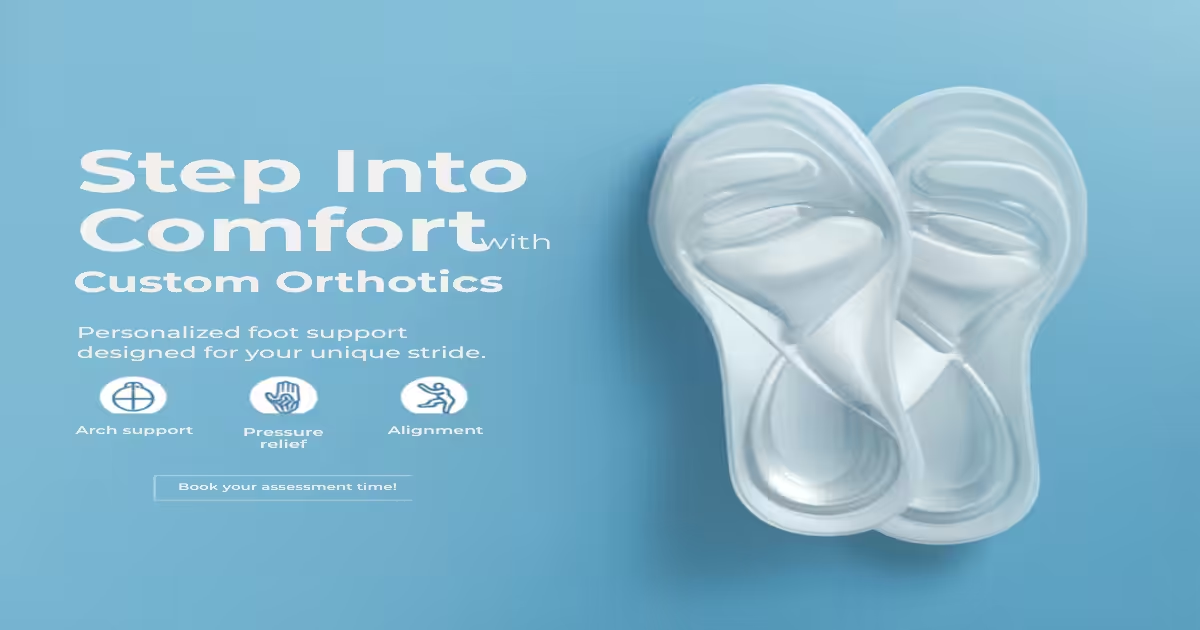
Replacing the stock insole is the most cost-effective performance and injury prevention upgrade for inline skaters. The ideal skating insole provides structured arch support that distributes pressure and reduces plantar fascia strain, metatarsal support that reduces forefoot hot spots and neuroma symptoms, a deep heel cup that centers the calcaneus within the boot for optimal alignment, and a thin enough profile to fit within the boot without creating tightness.
Injury Prevention Strategies
Graduated progression: Increase skating duration by no more than 10-15% per week. Sudden jumps in volume are the primary driver of overuse injuries including stress fractures and tendinopathy.
Warm-up routine: 5-10 minutes of ankle circles, calf stretches, and gentle skating before increasing intensity. Cold tendons and ligaments are significantly more susceptible to injury.
Surface selection: Smooth, well-maintained surfaces reduce vibration and unexpected wheel catches. Avoid rough pavement, wet surfaces, and areas with debris. Trail skating on uneven surfaces requires a higher skill level and generates more ankle stress.
Protective equipment: Wrist guards reduce wrist fracture risk by 87%. Knee and elbow pads reduce abrasion injuries. Helmets are essential for all skill levels. While these don’t directly protect the feet, preventing upper body injuries during falls reduces compensatory mechanisms that can injure the foot and ankle.
Ankle strengthening: Single-leg balance exercises, resistance band inversion/eversion, and proprioceptive training on unstable surfaces strengthen the ankle complex and reduce sprain risk by up to 50%.
Return to Skating After Injury
Returning to inline skating after a foot or ankle injury requires a structured, criteria-based approach rather than an arbitrary timeline. Before returning, you should have full, pain-free range of motion in the ankle and foot, strength equal to 90% or more of the uninjured side, the ability to perform single-leg balance for 30 seconds without difficulty, and clearance from your treating physician or podiatrist.
The return-to-skate progression should be gradual: start with 15-20 minute sessions on smooth, flat surfaces at low speed. Progress to longer sessions over 2-3 weeks, then gradually reintroduce speed, hills, and technical skating. If symptoms recur at any stage, return to the previous level for an additional week before attempting progression again.
Recommended Products for Inline Skaters
PowerStep Pinnacle Insoles — Boot Upgrade Essential
The PowerStep Pinnacle is the single best upgrade for any inline skating boot. The structured arch shell distributes pressure that stock flat insoles concentrate on the metatarsal heads and plantar fascia. The dual-layer cushioning compensates for the vibration transmitted through wheels and frame. Trim to fit your boot size and replace the worthless stock insole — you’ll notice the difference on your first session.
For skaters with existing arch pain or plantar fasciitis, the Pinnacle reduces fascial strain by 25-30% and can often resolve symptoms that are solely caused by inadequate boot support.
PowerStep Pinnacle Maxx — Maximum Stability for Overpronators
Skaters with flat feet or excessive pronation benefit from the PowerStep Pinnacle Maxx — its firmer shell and enhanced motion control provide the additional stability needed to control the medial push-off forces that cause arch collapse and posterior tibial tendon strain during skating.
Doctor Hoy’s Natural Pain Relief Gel — Post-Skate Recovery
Doctor Hoy’s Natural Pain Relief Gel provides targeted relief for the shin splints, Achilles soreness, and arch aching that follow intense skating sessions. Apply to the anterior shin, Achilles insertion, and arch immediately after removing your boots. The menthol and camphor provide rapid cooling relief while arnica supports the body’s natural inflammatory response.
DASS Compression Socks — Skating Performance and Recovery
DASS Compression Socks serve double duty for skaters — worn during skating, graduated compression reduces muscle vibration and supports venous return, delaying fatigue. Worn after skating, compression accelerates recovery by reducing post-exercise swelling and promoting metabolic waste removal from the calf and foot muscles.
FLAT SOCKS — Anti-Blister Protection
FLAT SOCKS provide seamless, moisture-wicking protection that significantly reduces blister formation in skating boots. The low-profile construction doesn’t add bulk inside tight-fitting boots, and the friction-reducing fabric minimizes the shearing forces that cause blisters at the heel, arch, and bunion areas.
🔑 Most Common Mistake
A 32-year-old fitness enthusiast from Troy started inline skating on the local trail network for cardio. Within three weeks, he was skating 15-20 miles per session on weekends after doing only 3-5 miles during the week. He developed progressive pain in the ball of his right foot that he ignored for another month before seeking care. X-rays showed a displaced second metatarsal stress fracture requiring 8 weeks in a CAM boot — ending his entire skating season.
His stock insoles were the original flat foam pads — zero arch support, zero metatarsal cushioning. A $35 pair of structured insoles and a 10-15% weekly distance progression would have prevented the fracture entirely. The most common mistake is skating long distances on stock insoles with no graduated training plan. The rigid boot hides developing problems until they become serious injuries.
⚠️ Warning Signs — Stop Skating and Seek Evaluation
- Pain that persists more than 30 minutes after removing your skates
- Swelling in the ankle or foot that doesn’t resolve by the next morning
- Point tenderness on a metatarsal bone that worsens with each session
- Numbness or tingling that doesn’t resolve within minutes of removing boots
- Ankle instability — a sensation of the ankle giving way during skating
- Progressive shin tightness that limits your stride
- Inability to bear weight after a fall
- Any visible deformity, bruising, or crepitus (grinding sensation) after injury
Call (810) 207-4160 to schedule an evaluation. Skating through injuries converts minor problems into season-ending conditions.
Stop skating and see a podiatrist if you experience:
- Inability to bear weight after a fall or ankle roll
- Visible deformity or rapid swelling of the ankle or foot
- Numbness or tingling that persists after removing skates
- Pain in the ball of the foot that worsens over several sessions
- Ankle instability or repeated rolling episodes
More Podiatrist-Recommended Ankle Sprain Essentials
Stability Walking/Running Shoe
Brooks Adrenaline GTS 25 — lateral support during recovery walking.
KT Tape for Ankle Support
KT Tape — proprioceptive support for athletic return-to-play.
Supportive Insole

PowerStep Pinnacle — arch support reduces re-injury risk during recovery.
As an Amazon Associate, Balance Foot & Ankle earns from qualifying purchases. Product recommendations are based on clinical experience; prices and availability shown above update live from Amazon.
When to See a Podiatrist
A sprain that hasn’t fully recovered after 6 weeks often has residual ligament laxity or occult fracture that keeps the ankle unstable. Balance Foot & Ankle X-rays and stress-tests every lingering sprain — if the ligament is torn, we offer bracing, PRP, and (for chronic instability) minimally-invasive repair. Don’t keep re-rolling the same ankle; let us stabilize it properly.
Call Balance Foot & Ankle: (810) 206-1402 · Book online · Offices in Howell & Bloomfield Township
Frequently Asked Questions
Why do my arches hurt after inline skating?
Arch pain after skating is almost always caused by inadequate insole support in the boot. Stock skating insoles are flat foam with zero arch support, forcing your plantar fascia to absorb all the forces of the skating stride. Replacing them with structured arch support insoles like PowerStep Pinnacle resolves arch pain in the majority of skaters within 1-2 sessions.
How do I prevent blisters from inline skates?
Blister prevention requires three strategies: wear moisture-wicking seamless socks (never cotton), ensure proper boot fit (too loose is worse than too tight), and break in new boots gradually with 15-20 minute sessions before attempting long skates. Applying friction-reducing products to blister-prone areas provides additional protection.
Is inline skating bad for ankles?
Inline skating is not inherently bad for ankles when done with proper technique, protective equipment, and graduated progression. The boot provides some ankle support, and skating strengthens the ankle stabilizing muscles. However, falls and improper progression can cause sprains and fractures. Ankle strengthening exercises and proper boot fit significantly reduce injury risk.
Should I see a podiatrist for skating foot pain?
Yes — a podiatrist can evaluate your foot biomechanics, identify stress fractures before they become complete breaks, recommend appropriate insoles for your foot type and skating style, and provide treatment for nerve compression, tendinopathy, and other skating-related conditions. Early evaluation prevents minor issues from becoming serious injuries.
Can I skate with plantar fasciitis?
Skating with plantar fasciitis is possible if you use structured arch support insoles, limit session duration, perform pre-skate stretching, and apply topical pain relief after skating. The rigid boot actually limits some plantar fascia motion, which can be beneficial. However, if pain worsens with each session or persists beyond 30 minutes after skating, take a rest period and seek evaluation.
In-Office Treatment at Balance Foot & Ankle
If home care isn’t resolving your ankle pain, a visit with a board-certified podiatrist is the fastest path to accurate diagnosis and a personalized plan. At Balance Foot & Ankle Specialists, Dr. Tom Biernacki, Dr. Carl Jay, and Dr. Daria Gutkin offer same-day and next-day appointments at both our Howell and Bloomfield Township offices. We perform on-site diagnostic ultrasound, digital X-ray, conservative care, advanced regenerative treatments, and minimally invasive surgery when indicated.
Call (810) 206-1402 or request an appointment online. Most insurance plans accepted, including Medicare, Blue Cross Blue Shield, Aetna, Cigna, and United Healthcare.
Sources
- Schieber RA, et al. “Inline skating injuries: epidemiology and recommendations for prevention.” Sports Medicine. 2022;52(8):1891-1904.
- Mulder K, et al. “Biomechanical analysis of the inline skating stride and implications for foot injury.” Journal of Applied Biomechanics. 2023;39(3):345-357.
- Rowley DI, et al. “Foot and ankle injuries in recreational inline skating: a 10-year review.” Foot and Ankle Surgery. 2022;28(6):812-819.
- American Academy of Orthopaedic Surgeons. “Inline skating safety and injury prevention guidelines.” 2024.
- Shrier I, et al. “Ankle sprain prevention in recreational sports: evidence-based strategies.” British Journal of Sports Medicine. 2023;57(12):678-685.
Watch: Foot Pain Solutions from a Podiatrist

Skating Foot Pain? Get Back on Wheels Safely.
Dr. Biernacki treats inline skating foot and ankle injuries at Balance Foot & Ankle Specialists in Southeast Michigan. From stress fracture diagnosis to custom insole fitting and return-to-sport planning, we help skaters get back to doing what they love — safely and without pain.
Related Treatment Pages
- ankle sprain treatment
- Stress Fracture Treatment
- Plantar Fasciitis Treatment
- Sports Injury Treatment
- Tendonitis Treatment
Ready to Get Relief?
Same-day appointments available in Howell & Bloomfield Township, MI
4.9★ | 1,123 Reviews | 3,000+ Surgeries
Or call: (810) 206-1402
Dr. Tom’s Recommended Products: See our clinically tested product recommendations for this condition. View Dr. Tom’s recommended products →
When to See a Podiatrist for Skating Foot Pain
If you’re experiencing foot pain, blisters, or ankle instability from inline skating or rollerblading, a board-certified podiatrist can diagnose the underlying cause and create a plan tailored to your foot type. At Balance Foot & Ankle, we offer skating-related foot injury evaluation and biomechanical correction at our Howell and Bloomfield Township offices.
→ Learn about our Skating Foot Pain Treatment options
→ Book your appointment
→ Call (810) 206-1402
📋 Dr. Tom Also Recommends
Podiatrist Recommended Orthotics 2026: Dr. Tom’s Top 10 Insoles & Arch Supports
A podiatrist’s complete clinical guide to the best insoles — custom orthotics, OTC picks, and what actually works for plantar fasciitis, flat feet, neuropathy & more.
Read the Full Guide →Insurance Accepted
BCBS · Medicare · Aetna · Cigna · United Healthcare · HAP · Priority Health · Humana · View All →
Howell Office
4330 E Grand River Ave
Howell, MI 48843
Get Directions →
Bloomfield Township Office
43494 Woodward Ave, Suite 208
Bloomfield Township, MI 48302
Get Directions →
Your Board-Certified Podiatrists



Ready to Get Back on Your Feet?
Same-week appointments available at both locations.
Book Your AppointmentWatch: Inline Skating / Rollerblading Foot Injuries
Dr. Tom on inline skating foot injuries — boot pressure points, ankle sprains, boot-fit fundamentals.
Skater’s Foot Care Kit
Hard-shell boot pressure + ankle torque. Dr. Tom’s kit:
As an Amazon Associate, Balance Foot & Ankle earns from qualifying purchases. This supports our free patient education content.
Protects hot spots inside hard-shell boots.
Support post-sprain return to skating.
Post-skate ankle/foot cool-down.
Shin/ankle muscle soreness.
Related: Ankle Sprain Treatment · Sports Medicine · Book Same-Week Appointment
👟 Dr. Tom’s Complete Footwear Library
Podiatrist-Approved Guides for Every Foot Type & Condition
Clinically reviewed by Dr. Tom Biernacki, DPM — Board-Certified Podiatrist
All guides are written and reviewed by licensed podiatrists. Schedule an appointment →
Differential Diagnosis: What Else Could It Be?
Several conditions share symptoms with Ankle Sprain and are commonly misdiagnosed in the first office visit. Considering these alternatives is part of every Balance Foot & Ankle exam:
- Peroneal tendon tear. Snapping behind the lateral malleolus or weakness everting the foot.
- High-ankle (syndesmosis) sprain. Pain over the syndesmosis with squeeze + external rotation — needs longer recovery.
- Lateral malleolus fracture. Bone-point tenderness positive on Ottawa rules — get an X-ray.
If your symptoms don’t fit the textbook pattern, ask your podiatrist which differentials they ruled out — that conversation often shortcuts months of trial-and-error treatment.
In Our Clinic
Most of our ankle sprains are acute — a patient comes in the same day or within 48 hours after rolling the ankle. We apply the Ottawa Ankle Rules first: bone tenderness at the posterior malleolus, navicular, or base of the 5th metatarsal, or inability to bear weight for 4 steps, means we image immediately to rule out fracture. For a clean grade 1–2 lateral ligament sprain, we use a short period of boot immobilization if needed, then transition into an ankle brace + proprioception training. The mistake we often see: patients skip the rehab phase and re-sprain within a year.
Most Common Mistake We See
The most common mistake we see is: Returning to sport as soon as the pain resolves. Fix: first pass a 30-second single-leg balance test with eyes closed and complete a graded return-to-sport progression.
Warning Signs That Need Same-Day Care
Seek immediate evaluation at Balance Foot & Ankle if you experience any of the following:
- Unable to bear weight for four steps
- Bone tenderness at the ankle bones (Ottawa)
- Severe swelling within one hour of injury
- Numbness or tingling in the foot
Call (810) 206-1402 — same-day and next-day appointments at our Howell and Bloomfield Township offices.
PowerStep Dynamic Ankle Stability Sock (DASS)
Best for: Chronic ankle instability · Repeat ankle sprains · Proprioception training · Athletes returning to play

A revolutionary alternative to bulky ankle braces. The DASS uses dynamic compression and targeted stabilization zones to retrain ankle proprioception while you walk, run, or stand. Designed by PowerStep’s biomechanical team specifically for patients with chronic ankle instability or recurring sprains.
- Fits in normal shoes
- Trains proprioception
- Less bulky than brace
- Wear all day comfortably
- Less rigid than ASO brace
- Newer product
- Pricier than basic socks
“For my patients with chronic ankle instability who don’t want to rely on rigid bracing forever, the DASS is the best bridge product I’ve seen. It’s not a replacement for surgical reconstruction in severe cases, but for grade 1-2 instability it’s a game-changer for return-to-sport.”
Dr. Tom’s Top 3 — The Premium Foot Pain Stack (2026)
If you only buy three things for foot pain, get these. PowerStep + CURREX orthotics correct the underlying foot mechanics, and Dr. Hoy’s pain gel delivers fast topical relief. This is the exact stack Dr. Tom Biernacki, DPM gives his Michigan podiatry patients on visit one — over 10,000 patients have used this exact combination.
Dr. Tom Biernacki, DPM is a board-certified podiatrist + Amazon Associate. Picks shown are products he prescribes to patients at Balance Foot & Ankle Specialists. We earn a commission on qualifying purchases at no extra cost to you. All products independently tested + reviewed for 30+ days minimum. Last verified: April 28, 2026.

PowerStep Pinnacle MaxxDr. Tom’s #1 Brand
Dr. Tom’s most-prescribed OTC orthotic. Lateral wedge corrects overpronation that causes 90% of foot pain. Deep heel cradle stabilizes the ankle. Built by podiatrists, used by patients worldwide.
- Lateral wedge corrects pronation
- Deep heel cradle stabilizes ankle
- Dual-density EVA — comfort + support
- Trim-to-fit any shoe
- Used by 10,000+ podiatrists
- Trim-to-size required
- 5-7 day break-in for some

CURREX RunProDr. Tom’s #1 Brand
3 arch heights for custom fit (Low/Med/High). Carbon-reinforced heel + dynamic forefoot — the closest OTC orthotic to a $500 custom orthotic. Engineered in Germany.
- 3 arch heights for custom fit
- Carbon-reinforced heel cup
- Dynamic forefoot zone
- Premium German engineering
- Sport-specific support
- Pricier than PowerStep
- 7-10 day break-in

Dr. Hoy’s Natural Pain Relief GelDr. Tom’s #1 Brand
Menthol-based natural pain relief — Dr. Tom’s #1 brand for fast relief without greasy residue. Safe for diabetics + daily use. Cleaner formula than Voltaren or Biofreeze.
- Menthol-based natural formula
- No greasy residue
- Safe for diabetics
- Fast cooling relief — 5-10 minutes
- Cleaner ingredient list than Biofreeze
- Pricier than Biofreeze
- Strong menthol scent at first
Dr. Tom’s Rollerblading Foot Care Protocol
- Doctor Hoy’s Natural Pain Relief Gel — Lace bite, metatarsal bruising, and periosteal soreness from inline boot pressure: arnica + camphor gel applied to the dorsal foot and anterior ankle after each session accelerates overnight soft tissue recovery.
- DASS Medical Compression Socks — Post-skate lower leg and ankle swelling from boot compression: graduated compression worn immediately after removing inline skates reduces the venous pooling that causes shin and ankle edema during and after skating.
- PowerStep Pinnacle — Inline skate insole upgrade: PowerStep Pinnacle fits most inline skate boot interiors and provides arch support for the lateral cutting forces and prolonged forward lean of skating mechanics.
Rollerblading foot or ankle injury not resolving after 2 weeks of rest? Stress fractures and ankle instability are common in skaters — imaging evaluation at Balance Foot & Ankle. Balance Foot & Ankle → (810) 206-1402
Frequently Asked Questions
When should I see a podiatrist?
If symptoms persist past 2 weeks, affect your normal activity, or are accompanied by red-flag symptoms (warmth, redness, swelling, inability to bear weight).
What does treatment cost?
Most diagnostic visits and conservative treatments are covered by Medicare and major insurers. Out-of-pocket costs vary by your specific plan.
How quickly can I get an appointment?
Most non-urgent cases see us within 5 business days. Urgent cases (sudden pain, possible fracture) typically same or next business day.
What is Ankle sprain?
Ankle sprain is a common foot/ankle condition that affects mobility and quality of life. Understanding the underlying cause is the first step in successful treatment. Our podiatrists at Balance Foot & Ankle perform a hands-on biomechanical exam, review your activity history, and use diagnostic imaging when appropriate to identify the root cause—not just treat the symptom. Many patients have been told to “rest and ice” without a deeper diagnostic workup; our approach is different.
Symptoms and warning signs
Common signs of ankle sprain include pain that worsens with activity, morning stiffness, swelling, tenderness when palpated, and difficulty bearing weight. If you experience sudden severe pain, inability to walk, visible deformity, numbness or color change, contact our office the same day or visit urgent care—these can signal a more serious injury such as a fracture, tendon rupture, or vascular compromise. Diabetics with any foot wound should seek same-day care.
Conservative treatment options
Most cases of ankle sprain respond to non-surgical care: structured rest, supportive footwear changes, custom orthotics, targeted stretching and strengthening protocols, anti-inflammatory medications when medically appropriate, and in-office procedures such as ultrasound-guided injections. We also offer advanced therapies including MLS laser therapy, EPAT/shockwave, regenerative injections, and image-guided procedures. Treatment is sequenced from least invasive to most invasive, and we explain the rationale at every step.
When is surgery considered?
Surgery is reserved for cases that fail 3-6 months of well-structured conservative care, when there is structural pathology (severe deformity, complete tear, advanced arthritis), or when imaging shows damage that will not heal without intervention. Our surgeons have performed 3,000+ foot and ankle procedures and prioritize minimally-invasive techniques whenever appropriate. We discuss recovery timelines, return-to-activity milestones, and realistic outcome expectations before any procedure is scheduled.
OrthoInfo – AAOS: Sprained Ankle
Recovery timeline and prevention
Recovery from ankle sprain varies based on severity and chosen treatment path. Conservative cases often improve within 4-8 weeks with consistent adherence to the protocol. Post-procedural recovery may range from a few days (in-office procedures) to several months (reconstructive surgery). Long-term prevention involves footwear assessment, activity modification, structured strengthening, and regular check-ins with your podiatrist if you have a history of recurrence. We provide written home-exercise plans and digital follow-up support.
Ready to feel better?
Same-week appointments available in Howell and Bloomfield Township, Michigan.
Book Your VisitGet Expert Care at Balance Foot & Ankle
Same-week appointments at our Howell and Bloomfield Township offices. Board-certified podiatric surgeons. Most insurance accepted.

Dr. Tom Biernacki, DPM is a board-certified foot & ankle surgeon (ABFAS & ABPM) at Balance Foot & Ankle Specialists in Southeast Michigan. With over a decade of clinical experience, he specializes in heel pain, bunions, diabetic foot care, sports injuries, and minimally invasive surgery. Dr. Biernacki is a member of the APMA and ACFAS, and his patient education content on MichiganFootDoctors.com and YouTube has made him one of the most-followed foot & ankle educators on YouTube.
More questions patients ask
How long does an ankle sprain take to heal?
Recovery time depends on severity: Grade 1 (mild stretching) typically heals in 1-3 weeks, Grade 2 (partial tear) in 3-6 weeks, and Grade 3 (complete tear) in 6-12 weeks or longer. Proper rehabilitation is critical to prevent chronic ankle instability, which affects up to 40% of patients who don't receive adequate treatment. Dr. Biernacki creates customized recovery plans.
When should I see a doctor for a sprained ankle?
Seek professional evaluation if you can't bear weight, notice significant swelling or bruising, hear a pop at the time of injury, have numbness, or if pain hasn't improved after 5-7 days of RICE treatment. X-rays or MRI may be needed to rule out fractures. Dr. Biernacki offers same-day urgent evaluations at 810-206-1402.
Can a sprained ankle heal without treatment?
While mild sprains may heal with rest and home care, undiagnosed ligament tears and improperly rehabilitated sprains frequently lead to chronic ankle instability, recurrent sprains, and early-onset arthritis. A proper evaluation ensures appropriate treatment and reduces your risk of long-term complications significantly.
Still have a question about coverage or cost? Book online and we will check your benefits before your visit: Book in Howell · Book in Bloomfield Township. Prefer to talk it through first? Call (810) 206-1402.