
The most important clinical decision with Lesser Toe Deformity Conservative Treatment Orthotics Splinting isn't which treatment to start with — it's which subtype or underlying cause you actually have. Our podiatrists regularly see patients who've been treated for months for the wrong diagnosis. The correct identification changes the entire treatment path. Call (810) 206-1402 — Dr. Tom evaluates this condition at both Howell and Bloomfield Township locations.

Lesser toe deformities (hammer, claw, mallet) respond to conservative treatment when caught flexible — toe splints, custom orthotics, and exercises preserve function while delaying surgery.
You’ve come to the right podiatry team. Dr. Tom Biernacki, DPM, FACFAS — board-certified foot & ankle surgeon with 3,000+ surgeries — explains exactly what lesser toe deformity means and what works. Call (810) 206-1402 to book at Howell or Bloomfield Township.
Medically reviewed by Dr. Tom Biernacki, DPM · Board-Certified Podiatric Surgeon · Last reviewed: April 2026 · Editorial Policy
Quick Answer
Medically reviewed by Dr. Tom Biernacki, DPM
Board-certified podiatric surgeon | Balance Foot & Ankle
Last reviewed: May 2026
Conservative Treatment of Hammertoe, Claw Toe, and Mallet To relates to orthotic fitting — typically caused by biomechanical foot needs. Most patients improve in 2 weeks to break in with conservative care. Appointments in Howell + Bloomfield Township: (810) 206-1402.
Medically reviewed by Dr. Tom Biernacki, DPM — Board-certified foot & ankle surgeon, 3,000+ surgeries performed. Updated April 2026 with current clinical evidence. This article reflects real practice experience from Balance Foot & Ankle Specialists in Howell and Bloomfield Township, Michigan.
Quick Answer
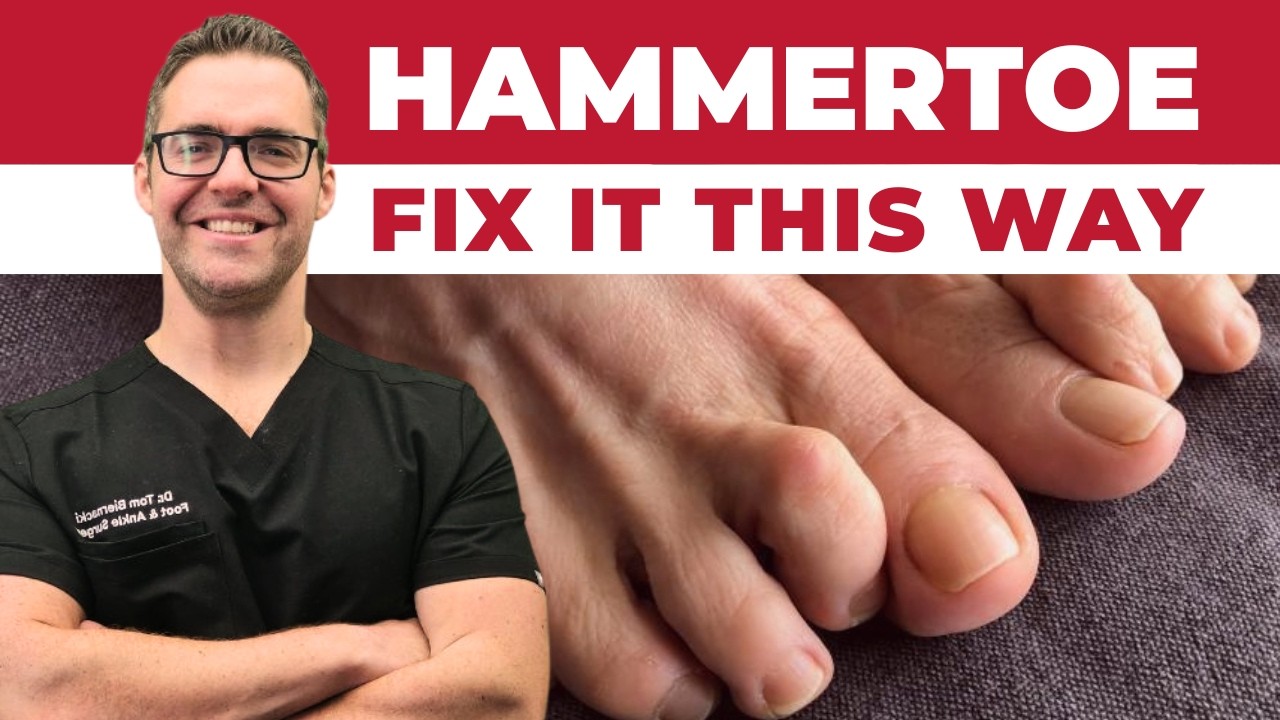
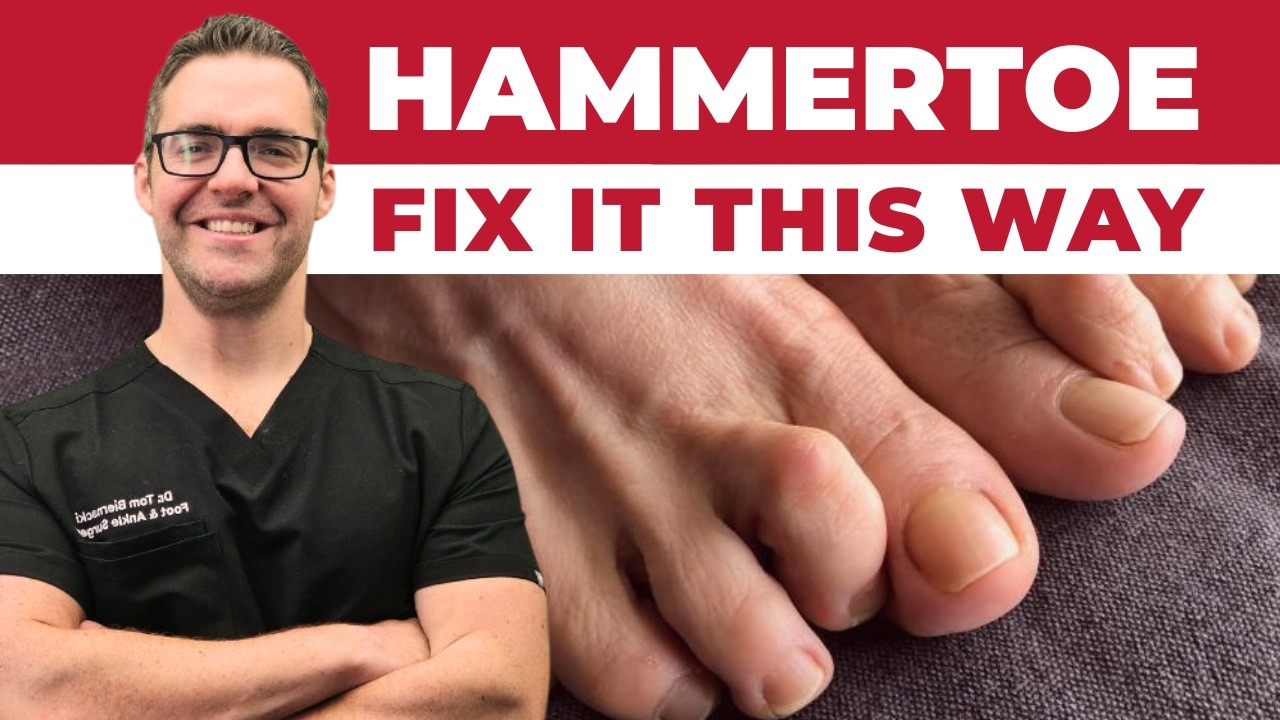
Hammertoe is an abnormal bend at the middle joint of the toe that can become fixed over time. Flexible hammertoes respond to toe pads, splints, and roomier shoes. Rigid hammertoes that are causing corns or pain often require surgical straightening.
Watch: Dr. Tom Biernacki, DPM
▶ Watch
📋 Dr. Tom Also Recommends
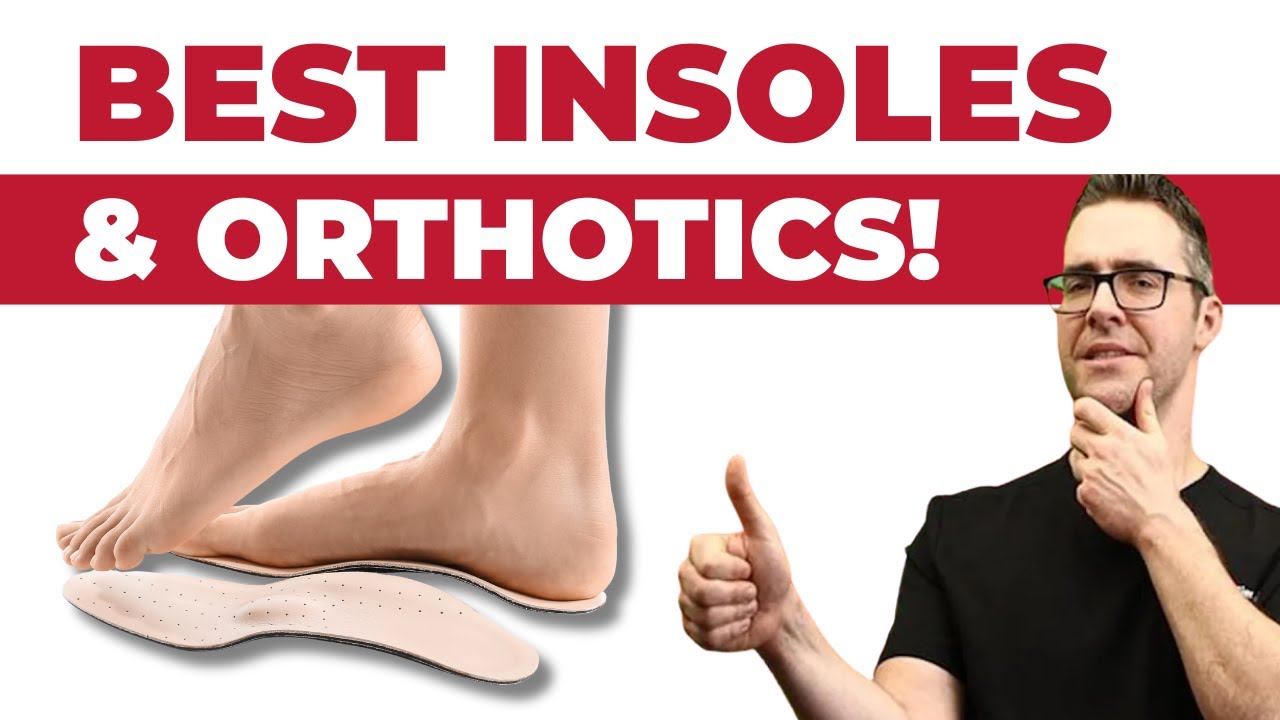
Podiatrist Recommended Orthotics 2026: Dr. Tom’s Top 10 Insoles & Arch Supports
A podiatrist’s complete clinical guide to the best insoles — custom orthotics, OTC picks, and what actually works for plantar fasciitis, flat feet, neuropathy & more.
Medically Reviewed by Dr. Tom Biernacki, DPM — Board-Certified Podiatrist, Balance Foot & Ankle Specialists, Michigan. Last updated April 2026.
Lesser toe deformities — hammertoe, claw toe, and mallet toe — affect millions of Americans, causing pain from shoe pressure, corns, and nail problems that progressively worsen without intervention. Conservative management can effectively slow progression, relieve symptoms, and in flexible deformities, partially correct alignment without surgery.
Understanding the Three Deformity Types
Hammertoe involves flexion contracture at the proximal interphalangeal joint (PIPJ), causing the characteristic bent-middle-knuckle appearance. The dorsal PIPJ is exposed to shoe pressure, causing painful corns, while the toe tip experiences plantar pressure. Claw toe involves hyperextension at the metatarsophalangeal joint (MTPJ) combined with flexion at both the PIPJ and DIPJ, creating a more severe Z-shaped deformity. Mallet toe involves isolated flexion at the distal interphalangeal joint (DIPJ), with the toe tip curling downward causing tip pain and nail problems.
All three deformities can be classified as flexible (toe corrects with passive manual pressure) or rigid (fixed contracture that cannot be manually corrected). Flexible deformities respond better to conservative treatment; rigid deformities generally require surgical correction for definitive relief.
Footwear Modification: The Foundation of Conservative Treatment
Shoe selection is the single most impactful conservative intervention. A toe box deep enough to accommodate the toe without pressure on the dorsal PIPJ eliminates the friction that causes corns. Toe box width sufficient to prevent mediolateral compression reduces corn formation at the sides of deformed toes. Shoes with a low heel height reduce toe extension force at the MTPJ, decreasing claw toe progression. Patients with fixed deformities often require extra-depth shoes with a custom insole to accommodate the toe without modifying footwear daily.
Digital Orthotics: Splints, Sleeves, and Pads
Toe splints for flexible hammertoe deformities apply a plantar force at the PIPJ base and a dorsal force at the PIPJ tip, maintaining the toe in a straighter position during walking. Gel toe sleeves protect the dorsal PIPJ corn site from shoe friction while providing mild corrective force. Mallet toe alignment splints hold the DIPJ in extension, protecting the toe tip from plantar pressure and allowing corn resolution.
Metatarsal pads placed 1 cm proximal to the metatarsal heads redistribute plantar pressure away from the prominent metatarsal heads associated with claw toe MTPJ dorsiflexion. Plantar toe pads cushion the toe tips affected by mallet toe or hammertoe tip pressure. These devices are most effective when combined with appropriate footwear and maintained consistently.
Corn and Callus Management
Heloma dura (hard corns) over the dorsal PIPJ and heloma molles (soft corns) in the fourth interdigital space require regular professional debridement. Salicylic acid preparations are available OTC but should be used with caution — they cannot distinguish normal from hyperkeratotic tissue and can cause chemical burns in patients with neuropathy or ischemia. Professional sharp debridement removes the corn nucleus, provides immediate pain relief, and when combined with padding and footwear modification, allows prolonged intervals between treatments.
Physical Therapy: Intrinsic Muscle Strengthening
Intrinsic foot muscle weakness — particularly of the lumbricals and interossei — is a key driver of lesser toe deformity. These muscles plantarflex the MTPJ and extend the PIPJ and DIPJ; when weak, the long extrinsic muscles (EDL, FDL) dominate, producing the deformity pattern. Intrinsic strengthening exercises — towel scrunches, marble pickups, toe yoga (isolating MTPJ from PIPJ motion), and short foot exercises — slow deformity progression and reduce dynamic loading on the deformed joints.
Injection Therapy for Associated Synovitis
MTPJ synovitis — common with claw toe deformity — produces a swollen, painful, erythematous toe that is warm to palpation. Corticosteroid injection into the MTPJ under ultrasound guidance provides significant anti-inflammatory relief for acute flares, improving the tolerance of conservative measures and sometimes reducing MTPJ dorsiflexion contracture in early flexible deformities.
At Balance Foot & Ankle, Dr. Biernacki evaluates lesser toe deformities and provides comprehensive conservative management at both Bloomfield Township and Howell offices. When conservative measures fail, surgical correction is discussed based on deformity type, flexibility, and patient goals. Call (810) 206-1402 for a toe evaluation.
Schedule Your Appointment at Balance Foot & Ankle
Board-certified podiatric physician and surgeon serving Southeast Michigan from Bloomfield Township and Howell.
📞 (810) 206-1402 |
📍 Located in Michigan?
Our board-certified podiatrists treat this condition at two convenient locations. Book online 24/7 at either office.
In-Office Treatment at Balance Foot & Ankle
If home care isn’t resolving your hammertoe, a visit with a board-certified podiatrist is the fastest path to accurate diagnosis and a personalized plan. At Balance Foot & Ankle Specialists, Dr. Tom Biernacki, Dr. Carl Jay, and Dr. Daria Gutkin offer appointments at both our Howell and Bloomfield Township offices. We perform on-site diagnostic ultrasound, digital X-ray, conservative care, advanced regenerative treatments, and minimally invasive surgery when indicated.
Call (810) 206-1402 or request an appointment online. Most insurance plans accepted, including Medicare, Blue Cross Blue Shield, Aetna, Cigna, and United Healthcare.
Differential Diagnosis: What Else Could It Be?
Several conditions share symptoms with Hammertoe and are commonly misdiagnosed in the first office visit. Considering these alternatives is part of every Balance Foot & Ankle exam:
- Mallet toe. Bend at the distal joint only (DIP), not the middle joint.
- Claw toe. Both joints (PIP + DIP) bent — usually multiple toes, often diabetic.
- Crossover toe (2nd MTP). Drift across the big toe — often plantar plate tear underneath.
If your symptoms don’t fit the textbook pattern, ask your podiatrist which differentials they ruled out — that conversation often shortcuts months of trial-and-error treatment.
In Our Clinic
Hammertoes come to our clinic in two flavors: flexible (the toe still passively straightens) and rigid (it doesn’t). For flexible hammertoes we use gel toe crests, roomier toe boxes, custom orthotics to address the underlying instability, and sometimes night splints. Rigid hammertoes with a corn on top of the PIP joint, or a callus under the metatarsal head, usually need a minor outpatient procedure (PIP arthroplasty or fusion) to straighten the toe. The patients who wait too long develop fixed deformities and skin breakdown — we would much rather address a flexible hammertoe early.
Most Common Mistake We See
The most common mistake we see is: Cutting corns at home with scissors or razors. Fix: professional podiatric enucleation with sterile instruments prevents infection and recurrence.
Warning Signs That Need Same-Day Care
Seek immediate evaluation at Balance Foot & Ankle if you experience any of the following:
- Open wound under the bent toe
- Inability to straighten the toe even passively
- Diabetic skin breakdown at the toe joint
- Cold or blue discolouration of the toe
Call (810) 206-1402 — appointments at our Howell and Bloomfield Township offices.
More Podiatrist-Recommended Orthotics Essentials
PowerStep Pinnacle

![Best Insoles & Orthotics 2026 [Flat Feet, Plantar Fasciitis, Bunions]](https://www.michiganfootdoctors.com/wp-content/cache/flying-press/c8bafcb9b179f8abb63d894b334fd14e.jpg)
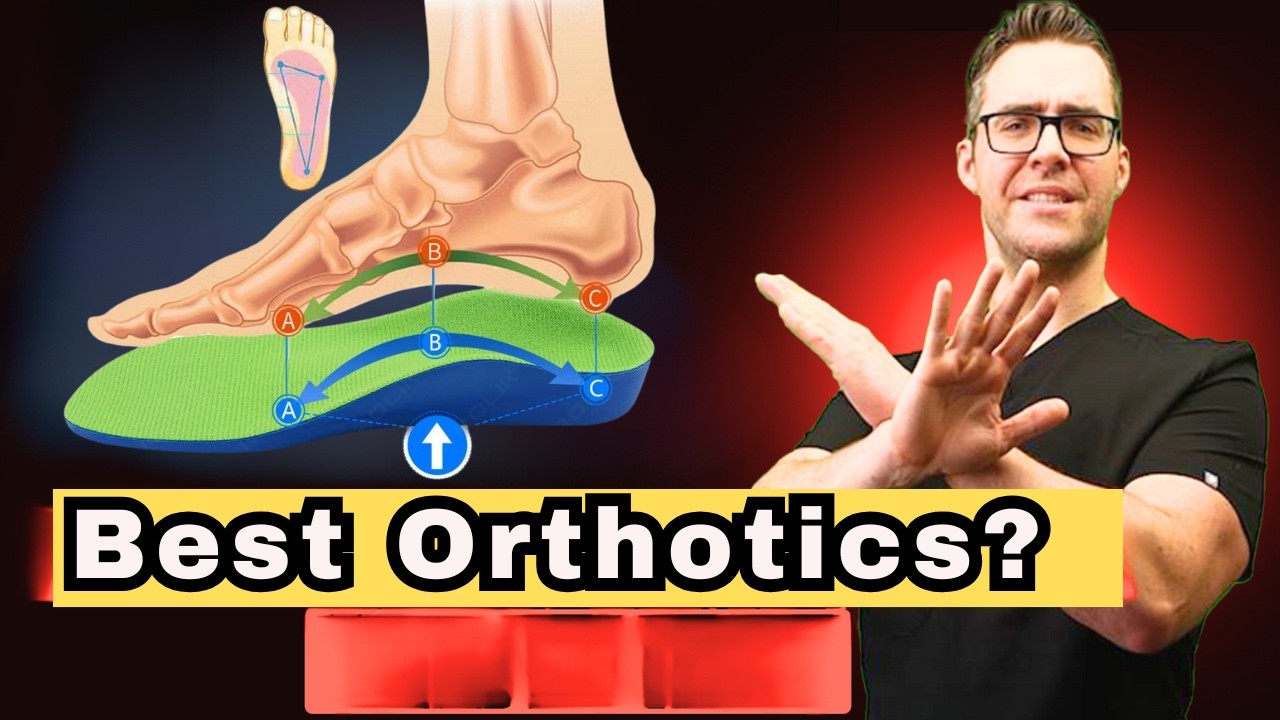
Watch: Best Insoles & Orthotics 2026 [Flat Feet, Plantar Fasciitis, Bunions] — MichiganFootDoctors YouTube
The podiatrist-recommended OTC orthotic — arch support + heel cup.
CURREX RunPro Insole
Performance insole for runners — reduces fatigue and prevents injuries.
Tuli’s Heel Cups

Shock-absorbing heel cushion — adds lift and relief under painful heels.
As an Amazon Associate, Balance Foot & Ankle earns from qualifying purchases. Product recommendations are based on clinical experience; prices and availability shown above update live from Amazon.
When to See a Podiatrist
Off-the-shelf inserts help 70% of patients — but if you’ve tried several without relief, custom orthotics molded to your specific foot mechanics are usually the next step. Balance Foot & Ankle makes custom orthotics in-office and most major insurance plans cover them. We’ll cast or scan your feet and have them ready in about 2 weeks.
Call Balance Foot & Ankle: (810) 206-1402 · Book online · Offices in Howell & Bloomfield Township
Pros & Cons of Conservative Care for orthotics
Advantages
- ✓ Custom orthotics 80%+ improvement
- ✓ Most insurance covers
- ✓ Lasts 3-5 years
Considerations
- ✗ 2-week break-in
- ✗ Custom can be $400-700
- ✗ OTC limits effectiveness
Dr. Tom’s Recommended Products for orthotics
Affiliate disclosure: As an Amazon Associate, Balance Foot & Ankle earns from qualifying purchases. We only recommend products we use with patients.
Ready to Get Back on Your Feet?
Appointments in Howell + Bloomfield Township. Most insurance accepted. Dr. Tom Biernacki, DPM & team.
Call Now: (810) 206-1402
Frequently Asked Questions
How long does treatment take to work?
Most patients see improvement in 4-8 weeks with consistent conservative care. Persistent symptoms after 8 weeks need imaging and escalation.
When is surgery needed?
Surgery is reserved for cases that fail 3-6 months of conservative care, structural deformities, or fractures requiring stabilization.
Is this covered by insurance?
Most diagnostic visits and conservative treatments are covered by Medicare and major insurers. Custom orthotics often require diabetic or post-surgical justification.
Ready to Get Relief?
Book online 24/7 in Howell & Bloomfield Township, MI
4.9★ | 1,200+ Reviews | 3,000+ Surgeries
Or call: (810) 206-1402

Dr. Tom Biernacki, DPM is a board-certified foot & ankle surgeon (ABFAS & ABPM) at Balance Foot & Ankle Specialists in Southeast Michigan. With over a decade of clinical experience, he specializes in heel pain, bunions, diabetic foot care, sports injuries, and minimally invasive surgery. Dr. Biernacki is a member of the APMA and ACFAS, and his patient education content on MichiganFootDoctors.com and YouTube has made him one of the most-followed foot & ankle educators on YouTube.