
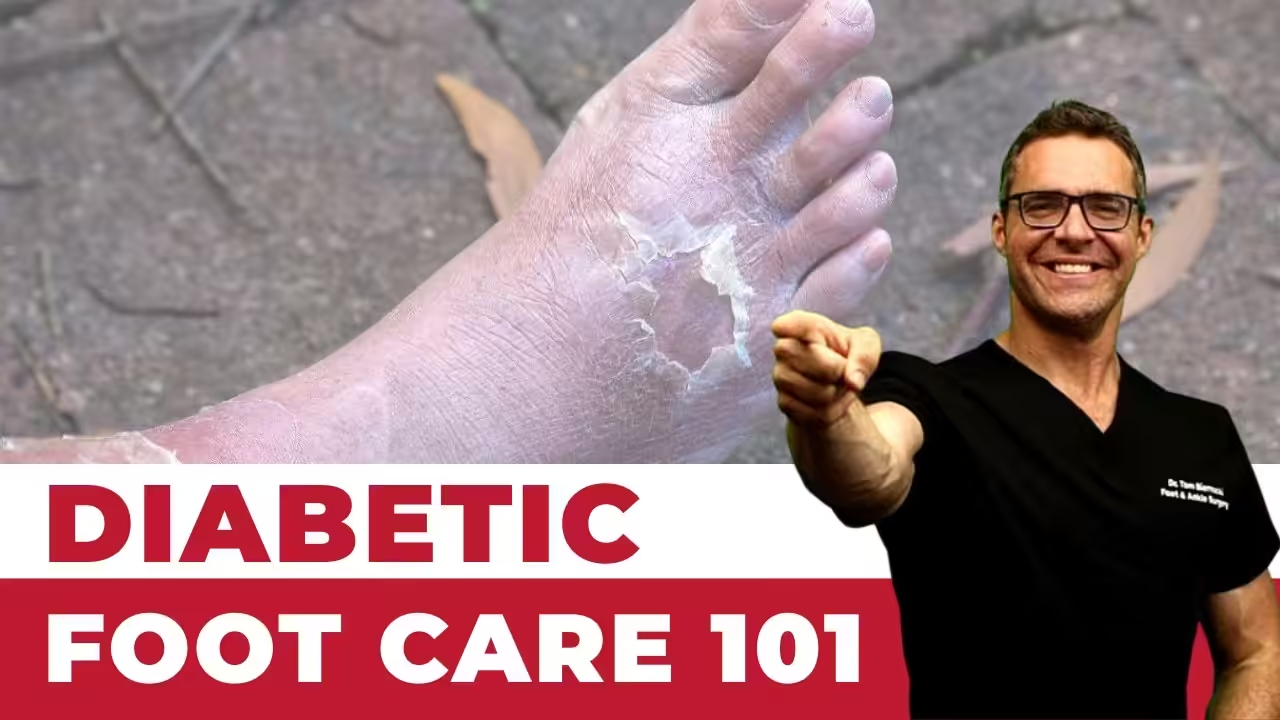
Quick answer: Living Diabetic Neuropathy Michigan Winter affects roughly 1 in 4 adults in our practice. Effective treatment starts with a targeted diagnosis, conservative-first treatment, and escalation only when needed. We treat this regularly at our Howell and Bloomfield Township practices. Book online or call (810) 206-1402.
Medically reviewed by Dr. Tom Biernacki, DPM · Board-Certified Podiatric Surgeon · Last reviewed: April 2026 · Editorial Policy
In This Article
Related Conditions
Quick Answer
Cold weather worsens diabetic neuropathy symptoms and raises injury risk, because numb feet do not register cold or friction. Insulated protective footwear and daily checks matter more in winter. Same-week appointments in Howell + Bloomfield Township: (810) 206-1402.
Living with Diabetic Neuropathy in Michigan — Cold Weather Tips & Daily Management
peripheral artery disease foot care Michigan.– /wp:heading –>Michigan Winter Makes Diabetic Neuropathy More Dangerous
Michigan’s winters create specific challenges for patients with diabetic neuropathy. Cold temperatures reduce peripheral circulation, worsen nerve conduction velocity, and — critically — neuropathic patients can’t feel frostbite developing. At Balance Foot & Ankle in Howell and Bloomfield Township, we provide Michigan-specific neuropathy management guidance for every season. Call (810) 206-1402. Our Bloomfield Township office shares a building with the Grunberger Diabetes Institute for coordinated diabetic care.
Cold Weather Risks for Neuropathic Feet
Frostbite risk — neuropathic patients can’t feel the cold-related tissue damage developing. Skin can freeze while the patient feels nothing. Cold-induced vasoconstriction reduces already-compromised peripheral circulation. Icy sidewalks and parking lots dramatically increase fall risk for patients with neuropathic balance impairment. Cold stiffens footwear, changing the fit and potentially creating new pressure points. Increased time indoors → more barefoot moments → higher risk of undetected foot injuries.
Winter Management Tips
Insulated, waterproof diabetic footwear throughout the entire winter — never go outdoors in thin shoes. Heated socks or heated insoles for cold sensitivity (use with caution — set a timer, check temperature, never sleep in them). Daily foot inspection is even more critical in winter. Ice traction devices on boots (Yaktrax-style) significantly reduce fall risk. Keep indoor temperatures comfortable — cold floors increase circulation problems. Nutricost Vitamin D supplementation — Michigan winter means minimal sun exposure and accelerated D deficiency.
✅ MLS Laser for Neuropathy | ✅ Medicare Shoe Program
✅ 3D Orthotics | ✅ Home Visits Available
📞 (810) 206-1402 | Howell & Bloomfield Township
Winter Neuropathy Check — Schedule Before Cold Season
Call (810) 206-1402 before Michigan winter hits to review your footwear, check your neuropathy severity, and update your management plan. Home visits available for patients who can’t travel safely in winter.
Comprehensive Diabetic Foot Care in Michigan: Balance Foot & Ankle’s Diabetic Program
At Balance Foot & Ankle, Michigan diabetic patients receive a structured foot care program that addresses the full range of diabetes-related foot risks: neuropathy surveillance, vascular assessment, skin and nail care, ulcer prevention and treatment, therapeutic footwear prescription, and patient education on daily foot care habits. Our diabetic foot care program follows the clinical guidelines established by the American Diabetes Association and the American College of Foot and Ankle Surgeons — incorporating annual comprehensive foot examinations for all diabetic patients, more frequent visits for patients with active neuropathy, vascular compromise, or prior ulceration history, and urgent same-day evaluation for diabetic foot wounds that cannot safely wait for a routine appointment.
The statistics supporting intensive podiatric co-management for diabetic patients are compelling: regular podiatric care reduces the risk of diabetic foot amputation by up to 85% compared to diabetic patients without podiatric surveillance. For the 37 million Americans living with diabetes — including the substantial diabetic population in Livingston and Oakland counties — this preventive impact is the strongest argument for establishing podiatric care before a problem develops. Michigan diabetic patients who have not yet established podiatric care should call Balance Foot & Ankle at (810) 206-1402 to schedule their first comprehensive diabetic foot examination at our Howell or Bloomfield Township office. We accept Medicare and most Michigan private insurance plans for diabetic foot care services.
Diabetic Foot Care Insurance Coverage in Michigan: What Medicare and Private Plans Cover
Related Treatment Guides
- Diabetic Foot Care & Neuropathy
- Plantar Fasciitis & Heel Pain Treatment
- Custom 3D Orthotics
- Sports Foot & Ankle Injury Treatment
Michigan diabetic patients often have more insurance coverage for podiatric care than they realize. Medicare covers the annual comprehensive diabetic foot examination for all Medicare beneficiaries with diabetes, therapeutic shoe fitting and inserts for qualifying diabetic patients, nail debridement for patients with qualifying systemic conditions (diabetes, peripheral arterial disease, peripheral neuropathy), and treatment of diabetic foot wounds including ulcer care. Most Michigan private insurance plans follow similar coverage patterns for diabetic foot care, though specific coverage details vary by plan. At Balance Foot & Ankle, our insurance verification team confirms your specific coverage before your appointment and explains exactly what will be covered and what your out-of-pocket responsibility will be. There are no insurance surprises at check-in. Michigan diabetic patients who want to understand their coverage before scheduling can call Balance Foot & Ankle at (810) 206-1402 and speak with our insurance team — we’ll verify your benefits and answer your coverage questions before you decide whether to schedule.
Medical References & Sources
- American Diabetes Association — Foot Complications
- PubMed Research — Diabetic Foot Care
- American Podiatric Medical Association — Diabetic Foot
👟 Dr. Tom Also Recommends
Podiatrist Recommended Shoes 2026: Dr. Tom’s Top Picks for Every Condition
The right footwear can make or break your recovery. Dr. Tom’s complete guide to the best shoes for plantar fasciitis, flat feet, neuropathy, bunions & more — with clinical picks for every foot type.
See Dr. Tom’s Top Shoe Picks →Dr. Tom’s Recommended Products for Diabetic Foot Care
📍 Located in Michigan?
Our board-certified podiatrists treat this condition at two convenient locations. Most new patients are seen the same week.
These are products I personally use and recommend to my patients at Balance Foot & Ankle.
- Dr. Comfort Men’s Paradise Diabetic Shoe — Medicare-covered diabetic shoe with seamless interior — eliminates pressure points that cause diabetic ulcers
- Foundation Wellness DASS Diabetic Socks (Levanta) — non-binding, seamless toe, moisture-wicking diabetic socks protecting neuropathic feet
- Derma Sciences Bordered Gauze Dressings — Non-adherent wound dressing ideal for diabetic foot wound management between podiatry visits
Affiliate disclosure: As an Amazon Associate, Balance Foot & Ankle earns from qualifying purchases. We only recommend products we trust for our own patients.
Join 950,000+ Learning About Foot Health
Dr. Tom shares honest medical advice, supplement reviews, and treatment guides you won’t find anywhere else.
Subscribe on YouTube →Insurance Accepted
BCBS · Medicare · Aetna · Cigna · United Healthcare · HAP · Priority Health · Humana · View All →
Howell Office
4330 E Grand River Ave
Howell, MI 48843
Get Directions →
Bloomfield Township Office
43494 Woodward Ave, #208
Bloomfield Township, MI 48302
Get Directions →
Your Board-Certified Podiatrists



Ready to Get Back on Your Feet?
Same-week appointments available at both locations.
Book Your AppointmentWhen to See a Podiatrist
One unnoticed blister on a neuropathic foot can become a limb-threatening ulcer in under 14 days. Medicare covers diabetic shoes (A5500) and comprehensive foot exams annually for most diabetic patients with neuropathy or circulation concerns. Balance Foot & Ankle runs a dedicated diabetic limb-preservation program — vascular screening, offloading, ulcer care, and shoe fitting — all in one visit. Schedule your annual diabetic foot exam today.
Call Balance Foot & Ankle: (810) 206-1402 · Book online · Offices in Howell & Bloomfield Township
In-Office Treatment at Balance Foot & Ankle
When conservative care isn’t enough, Dr. Tom Biernacki and the team at Balance Foot & Ankle offer advanced, same-day options — including Diabetic Foot Care Michigan at our Howell and Bloomfield Township clinics.
Same-week appointments available. Book online or call (810) 206-1402 or book online.
Pros & Cons of Conservative Care for diabetic foot care
Advantages
- ✓ Daily inspection prevents amputation
- ✓ Most insurance covers DME
- ✓ Custom orthotics help
Considerations
- ✗ Daily commitment required
- ✗ Slow wound healing
- ✗ Charcot risk if neuropathy
Dr. Tom’s Recommended Products for diabetic foot care
Affiliate disclosure: As an Amazon Associate, Balance Foot & Ankle earns from qualifying purchases. We only recommend products we use with patients.
Drew Moonwalker Diabetic Shoe Dr. Tom’s Pick
Best for: Medicare-covered diabetic footwear
Diabetic Compression Socks Dr. Tom’s Pick
Best for: Daily protection + circulation
Ready to Get Back on Your Feet?
Same-week appointments in Howell + Bloomfield Township. Most insurance accepted. Dr. Tom Biernacki, DPM & team.
Book Today — Same-Week Appointments Available
Call Now: (810) 206-1402
About Your Care Team at Balance Foot & Ankle
Dr. Tom Biernacki, DPM · Board-Certified Foot & Ankle Surgeon. Specializes in conservative-first care, minimally invasive bunion surgery, and complex reconstruction.
Dr. Carl Jay, DPM · Accepting new patients. Specializes in sports medicine, athletic injuries, and routine podiatric care.
Dr. Daria Gutkin, DPM, AACFAS · Accepting new patients. Specializes in surgical reconstruction and pediatric podiatry.
Locations: 4330 E Grand River Ave, Howell, MI 48843 · 43494 Woodward Ave Suite 208, Bloomfield Township, MI 48302
Hours: Mon–Fri 8:00 AM – 5:00 PM · (810) 206-1402
In-Office Treatment at Balance Foot & Ankle
If home treatment isn’t providing relief for your neuropathy, our podiatry team at Balance Foot & Ankle can help with same-week evaluations and advanced in-office care.
Same-week appointments available. (810) 206-1402
Frequently Asked Questions
Why is diabetic foot care so important?
Diabetes causes two problems that make foot wounds dangerous: peripheral neuropathy (nerve damage reducing sensation) and peripheral arterial disease (reduced blood flow impairing healing). A small blister or cut that a non-diabetic person would notice and treat can go undetected in a diabetic patient for days, become infected, and progress to osteomyelitis. Diabetic foot ulcers are the leading cause of non-traumatic lower limb amputations. A consistent foot care routine and regular podiatry visits prevent most amputations.
How often should diabetic patients see a podiatrist?
Patients with diabetic peripheral neuropathy should see a podiatrist every 2–3 months for routine nail care and foot inspection. Patients with active foot complications (ulcers, Charcot foot, severe PAD) need more frequent visits — often every 2–4 weeks until stable. Even well-controlled diabetics without neuropathy benefit from annual foot exams. Many amputations we see in consultation could have been prevented with earlier, consistent podiatric care.
What is diabetic peripheral neuropathy?
Peripheral neuropathy is nerve damage from chronically elevated blood sugar, causing numbness, tingling, burning, or loss of sensation — typically starting in the toes and progressing upward in a ‘stocking’ distribution. The dangerous aspect isn’t the pain — it’s the absence of pain. Patients with severe neuropathy don’t feel blisters, cuts, pressure sores, or early infections. A wound can reach bone before it’s noticed. Neuropathy screening with a 10-gram monofilament is part of every diabetic foot exam.
What are the warning signs of a diabetic foot problem?
Seek same-day evaluation for: any open wound or blister that isn’t healing within 1–2 weeks, redness, warmth, or swelling in any part of the foot (possible Charcot fracture or infection), a new blister or callus, any red streaking or warmth spreading up the leg (cellulitis), foot or ankle pain in a diabetic patient with neuropathy (could be Charcot without pain). Don’t wait to see if it improves — diabetic foot infections are medical emergencies.
What is the best foot cream for diabetic feet?
The goal of diabetic foot cream is restoring the skin’s moisture barrier to prevent fissuring and cracking — the entry points for infection. Look for urea-based creams (10–25% urea) or lactic acid formulations that actually penetrate thickened skin rather than sitting on the surface. AmLactin 12%, Eucerin Diabetics’ Dry Skin Relief, and Gold Bond Diabetics’ Dry Skin Relief are clinical-grade options. Avoid cream between the toes — moisture retention between toes promotes maceration and fungal infection.
Can diabetic patients get foot massages?
Light massage is generally safe for diabetic patients without active wounds, severe edema, or PAD. However, deep tissue massage or vigorous rubbing should be avoided — with neuropathy, patients can’t feel if tissue is being damaged. Foot massagers with rollers or intense vibration should be avoided entirely. If you enjoy foot massage, use gentle, light strokes with a diabetic-appropriate foot cream. Let your podiatrist know if you’re incorporating massage into your routine — we can advise based on your circulation status.
What type of socks should diabetic patients wear?
Diabetic socks: seamless (seams can create pressure sores over a neuropathic foot), non-binding at the top (circulation-restrictive socks worsen PAD), moisture-wicking (polyester/wool blend reduces bacterial environment), padded sole (cushions bony prominences). Avoid cotton socks for active patients — cotton retains moisture. Never wear socks with elastic bands that leave marks on the leg. Brands specifically designed for diabetic feet: Thorlos, Wigwam, and most major medical supply brands.
Should diabetic patients cut their own toenails?
It depends on neuropathy severity and vision. Patients with mild neuropathy and good vision can safely trim nails straight across without cutting the corners. Patients with moderate-to-severe neuropathy, poor vision, or thick nails should not self-trim — the risk of cutting the surrounding skin (which they may not feel) is too high. This is exactly what podiatry nail care visits are for. Medicare and most insurance plans cover routine foot care for diabetic patients with documented neuropathy.
What is Charcot foot and how serious is it?
Charcot neuroarthropathy is a serious diabetic complication where neuropathy allows repeated micro-fractures to occur without pain, leading to progressive bone and joint destruction and foot deformity. The classic presentation: a warm, swollen, red foot in a diabetic patient — often mistaken for cellulitis. Early Charcot (caught within weeks of onset) can be managed with a total contact cast to prevent further collapse. Late Charcot with significant arch destruction often requires reconstructive surgery. Missing the diagnosis is catastrophic — a single patient with missed Charcot can progress to a rocker-bottom deformity requiring amputation.
Does insurance cover diabetic foot care?
Medicare Part B covers routine foot care (nail trimming, callus debridement) for diabetic patients with documented peripheral neuropathy — one visit every 2 months. Most PPO and HMO plans follow similar coverage rules. Diabetic shoes and insoles are covered under Medicare’s Therapeutic Shoe Bill (one pair of shoes plus three pairs of custom insoles per year). Call us at (810) 206-1402 and we’ll verify your specific coverage before your first appointment.
Ready for Expert Care?
Same-week appointments in Howell & Bloomfield Township, MI.
4.9★ | 1,123 Reviews | 3,000+ Surgeries
Or call: (810) 206-1402
Can’t get to the office? We make house calls across Michigan → — in-home podiatry for homebound and mobility-limited patients, including nail care, wound care and diabetic foot checks.

Dr. Tom Biernacki, DPM is a board-certified foot & ankle surgeon (ABFAS & ABPM) at Balance Foot & Ankle Specialists in Southeast Michigan. With over a decade of clinical experience, he specializes in heel pain, bunions, diabetic foot care, sports injuries, and minimally invasive surgery. Dr. Biernacki is a member of the APMA and ACFAS, and his patient education content on MichiganFootDoctors.com and YouTube has made him one of the most-followed foot & ankle educators on YouTube.
More questions patients ask
How should Michigan diabetics with neuropathy protect their feet during winter?
Balance Foot & Ankle advises Michigan diabetics with neuropathy to: wear warm wool or thermal diabetic socks, use insulated waterproof boots with removable insoles, never use heating pads or hot water bottles (can't feel burns), inspect feet more frequently in winter (cold and dry skin increase risk), keep feet dry after snow exposure, and apply moisturizer regularly. Call (810) 206-1402.
Why is winter particularly dangerous for Michigan diabetics with neuropathy?
Michigan winters create multiple hazards for neuropathic diabetics: cold and ice increase fall risk, neuropathic feet can't detect frostbite or cold injury, winter boots may be constrictive causing pressure injuries, indoor heating causes dry skin that cracks and becomes infected, and reduced activity impairs circulation. Balance Foot & Ankle helps Michigan patients navigate these risks. Call (810) 206-1402.
What winter boots does Balance Foot & Ankle recommend for Michigan diabetics with neuropathy?
Balance Foot & Ankle recommends Michigan diabetics with neuropathy choose winter boots with: insulated waterproof uppers, wide toe box (not constrictive in cold when feet swell), non-slip soles, adequate cushioning, and removable insoles for custom diabetic orthotics. Brands like Baffin, Sorel, and specialized diabetic winter footwear are options. Call (810) 206-1402.
How does cold weather worsen neuropathy symptoms for Michigan diabetics?
Cold temperatures cause vasoconstriction that further reduces blood flow to already compromised neuropathic extremities in Michigan diabetics. This can intensify burning and pain, increase numbness, and exacerbate the circulation deficit underlying neuropathy. Balance Foot & Ankle provides year-round monitoring and seasonal care guidance. Call (810) 206-1402.
Does Balance Foot & Ankle offer winter-specific foot care advice for Michigan neuropathy patients?
Yes, Balance Foot & Ankle provides Michigan neuropathy patients with seasonal care guidance including winter footwear assessment, dry skin management during heating season, increased monitoring frequency during cold months, and vitamin D3 supplementation (critical in Michigan winters). Call (810) 206-1402 for a winter foot care consultation in Howell or Bloomfield Township.
How often should diabetics check their feet?
Daily self-exams plus professional exams annually (or every 3-6 months for neuropathy/PAD patients). Dr. Biernacki provides comprehensive diabetic foot care programs.
Why do diabetics have foot problems?
Diabetes causes nerve damage, reduced blood flow, and impaired immunity. Injuries go unnoticed and heal slowly. ~15% of diabetics develop ulcers. Prevention through regular podiatric care is essential.
What are signs of diabetic neuropathy?
Tingling, burning, numbness starting in toes, sensitivity to touch, muscle weakness, balance problems. Schedule evaluation at 810-206-1402 for nerve testing and management.
Still have a question about coverage or cost? Book online and we will check your benefits before your visit: Book in Howell · Book in Bloomfield Township. Prefer to talk it through first? Call (810) 206-1402.