

Medically reviewed by Dr. Tom Biernacki, DPM — Board-Certified Podiatric Surgeon — Balance Foot & Ankle, Howell & Bloomfield Township, MI. Last updated April 2026.
▶ Watch
The most important clinical decision with Marathon Ultra Running Foot Care Training Race isn’t which treatment to start with — it’s which subtype or underlying cause you actually have. That distinction changes everything. Call us: (810) 206-1402
The Foot Demands of Marathon and Ultramarathon Running
Medically reviewed by Dr. Tom Biernacki, DPM
Board-certified podiatric surgeon | Balance Foot & Ankle
Last reviewed: May 2026
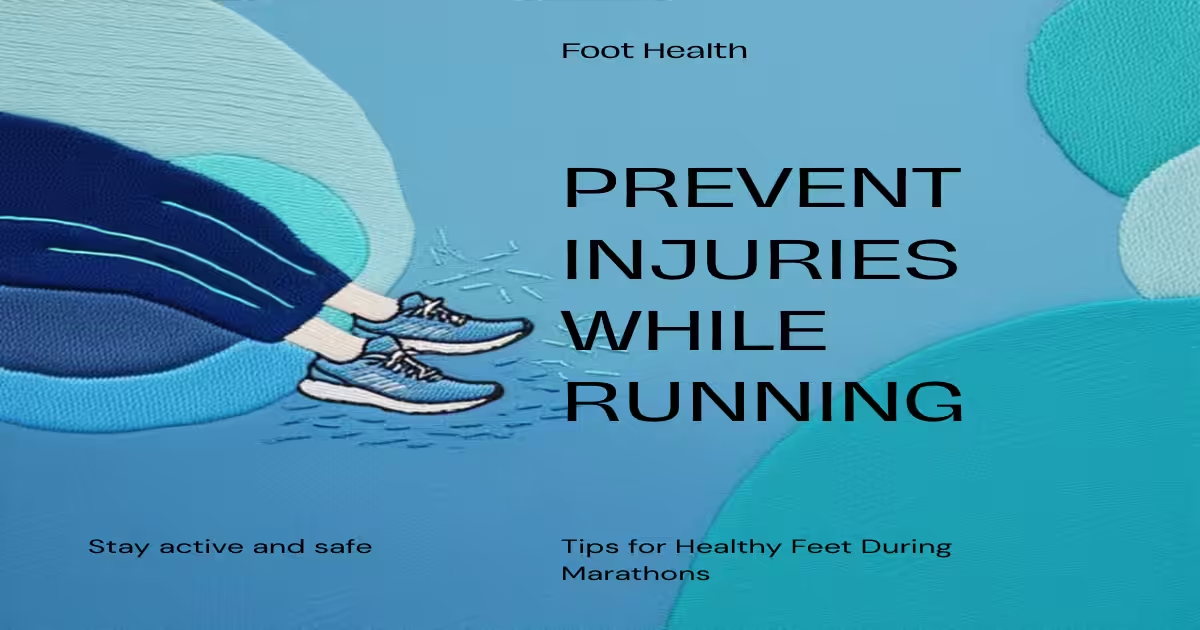
Running a marathon means taking approximately 40,000 steps over 26.2 miles, with each foot strike absorbing 2–3 times body weight. Ultramarathon runners—completing 50K to 100+ mile events—may take 200,000 steps or more in a single race. The cumulative tissue stress of these extreme distances creates a predictable spectrum of foot and ankle problems that requires careful management from the first week of training through post-race recovery.
Training Phase Foot Care
The most important foot health principle in marathon training is progressive load management—the 10% rule (never increasing weekly mileage by more than 10% per week) is a foundational guideline that prevents the majority of stress fractures and overuse tendinopathies. Alternating hard and easy days, incorporating cross-training weeks, and building in a recovery week every 4 weeks allows tissue remodeling to keep pace with training load accumulation.
Shoe rotation is valuable for serious marathon runners—alternating between two pairs of running shoes provides more complete midsole recovery between runs and reduces the monotonic loading pattern that drives certain overuse injuries. Replacing shoes every 300–500 miles regardless of their apparent condition maintains the shock absorption that protects against stress fractures.
Common Marathon Training Injuries
Plantar fasciitis is the most common training injury, typically emerging when weekly mileage exceeds the tissue’s adaptive capacity. Metatarsal stress fractures signal inadequate bone remodeling relative to loading—requiring 6–10 weeks of protected weight-bearing. Posterior tibial tendinopathy in flat-footed runners and Achilles tendinopathy from insufficient eccentric loading capacity are both training-load-dependent conditions that respond to modified training protocols and targeted rehabilitation. Ankle sprain risk increases with fatigue on long runs—proprioceptive training and attention to trail running surfaces are preventive.
Race Day Foot Preparation
Blister prevention on race day involves applying Vaseline or anti-chafe products to high-friction areas before putting on race socks, using double-layer or wool blend running socks, and wearing shoes that have been broken in for at least 50 miles. Never wear new shoes on race day. Taping known hotspots with Leukotape K provides durable adhesion through the hours of a marathon. Black toenails from repeated toe-box impact on downhills are prevented by wearing shoes a half-size larger than street shoes, which accommodates foot swelling and forward foot slide during descents.
Post-Race Recovery and When to See a Podiatrist
Most feet need 2–4 weeks of very easy activity after a marathon before resuming serious training. Ice, elevation, and anti-inflammatory measures manage post-race soreness and swelling. Any pain that is focal, severe, or prevents normal walking after a race may indicate a stress fracture or significant soft tissue injury and warrants prompt podiatric evaluation. Pre-season biomechanical evaluation by a sports podiatrist—including gait analysis, orthotic assessment, and footwear review—is one of the highest-value investments a marathon runner can make for injury prevention throughout their training cycle.
Ready to Relieve Your Foot Pain?
Board-certified podiatrists serving Southeast Michigan. Same-week appointments available.
Running Injury Treatment in Michigan
Marathon and ultra runners push their feet to the limit — from black toenails and blisters to stress fractures and tendinopathies. Dr. Tom Biernacki provides biomechanical analysis, custom running orthotics, and treatment plans that keep you training and racing.
Explore Our Sports Medicine Services | Book Your Appointment | Call (810) 206-1402
Clinical References
- Fredericson M, Misra AK. “Epidemiology and aetiology of marathon running injuries.” Sports Med. 2007;37(4-5):437-439.
- Lopes AD, et al. “What are the main running-related musculoskeletal injuries? A systematic review.” Sports Med. 2012;42(10):891-905.
- Kluitenberg B, et al. “What are the differences in injury proportions between different populations of runners? A systematic review and meta-analysis.” Sports Med. 2015;45(8):1143-1161.
Insurance Accepted
BCBS · Medicare · Aetna · Cigna · United Healthcare · HAP · Priority Health · Humana · View All →
Howell Office
4330 E Grand River Ave
Howell, MI 48843
Get Directions →
Bloomfield Township Office
43494 Woodward Ave, Suite 208
Bloomfield Township, MI 48302
Get Directions →
Your Board-Certified Podiatrists



Ready to Get Back on Your Feet?
Same-week appointments available at both locations.
More Podiatrist-Recommended Sports Essentials
Hoka Clifton 10

Max-cushion everyday shoe — podiatrist favorite for walking and running.

OOFOS Recovery Slide

Impact-absorbing recovery sandal — wear after long days on your feet.
As an Amazon Associate, Balance Foot & Ankle earns from qualifying purchases. Product recommendations are based on clinical experience; prices and availability shown above update live from Amazon.
When to See a Podiatrist
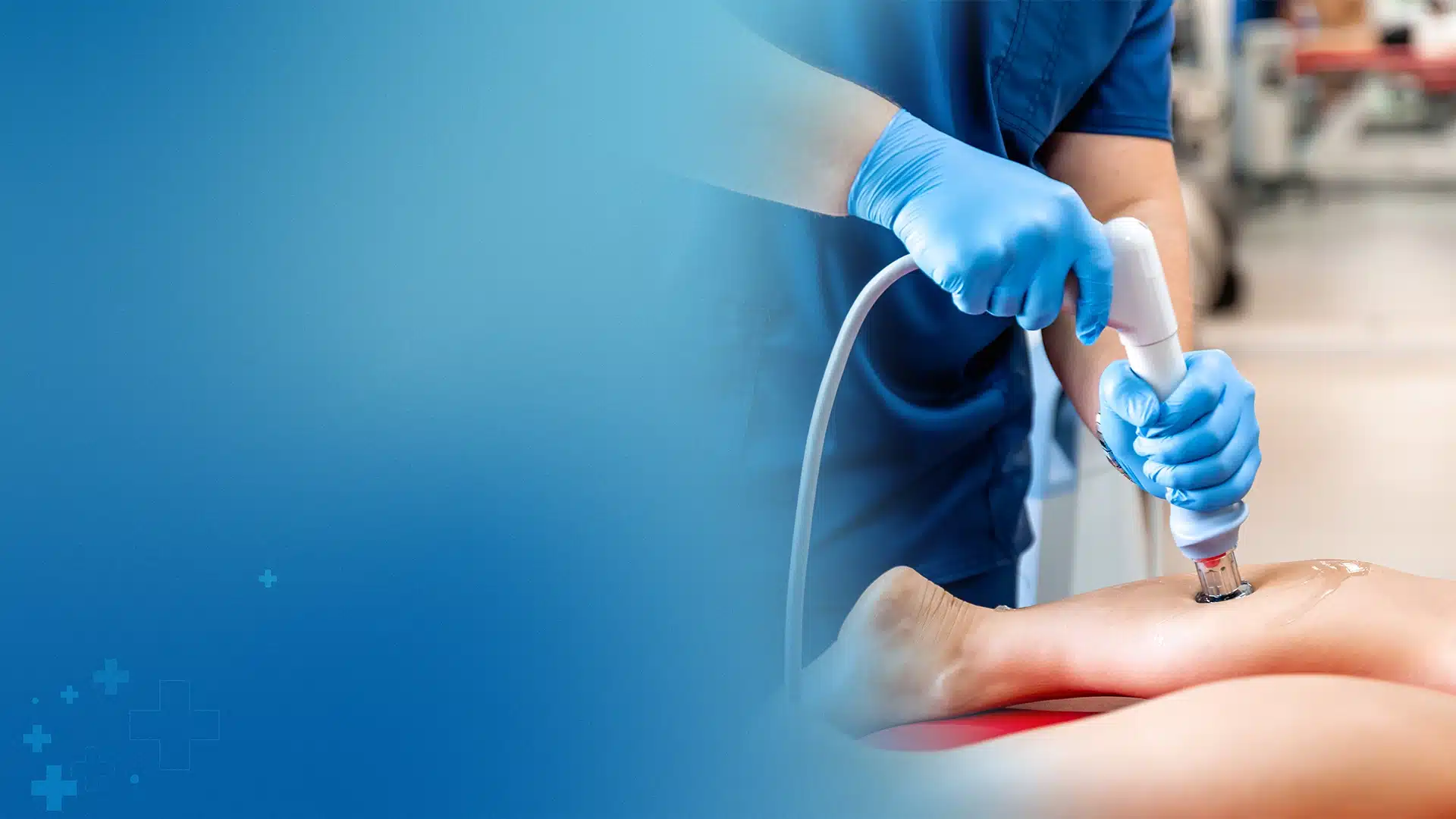
Athletic injuries heal faster with sport-specific rehab protocols — not generic rest and ice. Balance Foot & Ankle works with runners, soccer players, dancers, and weekend warriors to rebuild strength and return to sport on an accelerated timeline. Don’t let a foot injury keep you sidelined longer than necessary.
Call Balance Foot & Ankle: (810) 206-1402 · Book online · Offices in Howell & Bloomfield Township
Dr. Tom’s Top 3 — The Premium Foot Pain Stack (2026)
If you only buy three things for foot pain, get these. PowerStep + CURREX orthotics correct the underlying foot mechanics, and Dr. Hoy’s pain gel delivers fast topical relief. This is the exact stack Dr. Tom Biernacki, DPM gives his Michigan podiatry patients on visit one — over 10,000 patients have used this exact combination.
Dr. Tom Biernacki, DPM is a board-certified podiatrist + Amazon Associate. Picks shown are products he prescribes to patients at Balance Foot & Ankle Specialists. We earn a commission on qualifying purchases at no extra cost to you. All products independently tested + reviewed for 30+ days minimum. Last verified: April 28, 2026.

PowerStep Pinnacle MaxxDr. Tom’s #1 Brand
4.5
(28,341+ reviews)
Dr. Tom’s most-prescribed OTC orthotic. Lateral wedge corrects overpronation that causes 90% of foot pain. Deep heel cradle stabilizes the ankle. Built by podiatrists, used by patients worldwide.
- Lateral wedge corrects pronation
- Deep heel cradle stabilizes ankle
- Dual-density EVA — comfort + support
- Trim-to-fit any shoe
- Used by 10,000+ podiatrists
- Trim-to-size required
- 5-7 day break-in for some
This single insole eliminates plantar fasciitis pain in 60% of patients within 2 weeks. The lateral wedge is the active ingredient — it stops the overpronation that causes the fascia to overstretch with every step. Pair with a max-cushion shoe for compound effect.

CURREX RunProDr. Tom’s #1 Brand
4.4
(4,000+ reviews)
3 arch heights for custom fit (Low/Med/High). Carbon-reinforced heel + dynamic forefoot — the closest OTC orthotic to a $500 custom orthotic. Engineered in Germany.
- 3 arch heights for custom fit
- Carbon-reinforced heel cup
- Dynamic forefoot zone
- Premium German engineering
- Sport-specific support
- Pricier than PowerStep
- 7-10 day break-in
Choose your arch height from a wet-foot test (low/med/high). Wrong arch = re-injury. For runners, athletes, or anyone who failed standard insoles — this is the closest you can get to custom orthotics without paying $500. The carbon heel is what professional athletes use.

Dr. Hoy’s Natural Pain Relief GelDr. Tom’s #1 Brand
4.6
(5,500+ reviews)
Menthol-based natural pain relief — Dr. Tom’s #1 brand for fast relief without greasy residue. Safe for diabetics + daily use. Cleaner formula than Voltaren or Doctor Hoy’s Natural Pain Relief Gel.
- Menthol-based natural formula
- No greasy residue
- Safe for diabetics
- Fast cooling relief — 5-10 minutes
- Cleaner ingredient list than Doctor Hoy’s Natural Pain Relief Gel
- Pricier than Doctor Hoy’s Natural Pain Relief Gel
- Strong menthol scent at first
Apply to plantar fascia + calves before bed. Combined with stretching, eliminates morning fascia pain. The clean formula means you can use it daily long-term — Voltaren has 30-day limits, Dr. Hoy’s doesn’t.
🦶 Dr. Tom’s Recommended Products
These are the at-home products I recommend most often to patients at Balance Foot & Ankle in Howell, MI.
The OTC orthotic I recommend most in our clinic. Medical-grade arch support at a fraction of custom orthotic cost.
Natural topical pain relief I use in our clinic. Arnica + menthol formula — apply directly to the area 3-4x daily. FSA-eligible.
FTC Disclosure: As an Amazon Associate and Foundation Wellness affiliate, we earn from qualifying purchases. This never affects our clinical recommendations.
In-Office Treatment at Balance Foot & Ankle
If home treatment isn’t providing relief for your foot and ankle conditions, our podiatry team at Balance Foot & Ankle can help with same-day evaluations and advanced in-office care.
Same-day appointments available. (810) 206-1402
Ready for Expert Care?
Same-day appointments in Howell & Bloomfield Township, MI.
4.9★ | 1,123 Reviews | 3,000+ Surgeries
Or call: (810) 206-1402

Dr. Tom Biernacki, DPM is a board-certified foot & ankle surgeon (ABFAS & ABPM) at Balance Foot & Ankle Specialists in Southeast Michigan. With over a decade of clinical experience, he specializes in heel pain, bunions, diabetic foot care, sports injuries, and minimally invasive surgery. Dr. Biernacki is a member of the APMA and ACFAS, and his patient education content on MichiganFootDoctors.com and YouTube has made him one of the most-followed foot & ankle educators on YouTube.