
Quick answer: Medial Ankle Pain Posterior Tibial Tendon Deltoid Spring Ligament has multiple potential causes including mechanical, neurological, vascular, and inflammatory. The most common causes we identify are overuse, ill-fitting shoes, and biomechanical imbalance. Red flags requiring urgent evaluation: warmth/redness (infection), inability to bear weight (fracture), and unilateral swelling without injury (DVT). Call (810) 206-1402.
Medically reviewed by Dr. Tom Biernacki, DPM — Board-Certified Podiatric Surgeon — Balance Foot & Ankle, Howell & Bloomfield Township, MI. Last updated April 2026.
Medically Reviewed by Dr. Tom Biernacki, DPM — Board-Certified Podiatrist, Balance Foot & Ankle Specialists, Michigan. Last updated April 2026.
Medical Review
Medically Reviewed by: Dr. Tom Biernacki, DPM — Board-Certified Podiatrist
Last Updated: April 2026 | Reading Time: 17 min
This article is for informational purposes only and does not replace professional medical advice. Schedule an appointment for personalized care.
Quick Answer: Medial Ankle Pain
Medial ankle pain — pain on the inner side of the ankle — most commonly results from posterior tibial tendon dysfunction (PTTD), deltoid ligament sprains, spring ligament tears, or tarsal tunnel syndrome.
Accurate diagnosis requires a thorough clinical examination because these structures are closely adjacent and can produce overlapping symptoms. Left untreated, medial ankle conditions — particularly posterior tibial tendon dysfunction — can progress to adult-acquired flatfoot deformity that may eventually require complex reconstructive surgery. Early intervention with arch support, targeted exercises, and podiatric evaluation produces significantly better outcomes than delayed treatment.
Affiliate Disclosure
This article contains affiliate links. If you purchase through our links, we may earn a small commission at no extra cost to you. We only recommend products we genuinely use and trust in our clinical practice. Our recommendations are never influenced by affiliate partnerships.
Table of Contents
- → Medial Ankle Anatomy
- → Posterior Tibial Tendon Dysfunction
- → PTTD Stages & Progression
- → Deltoid Ligament Sprains
- → Spring Ligament Tears
- → Tarsal Tunnel Syndrome
- → Medial Malleolus Stress Fractures
- → Diagnostic Approach
- → Conservative Treatment Options
- → Strengthening Exercises
- → When Surgery Is Needed
- → PowerStep for Medial Support
- → Doctor Hoy’s for Pain Relief
- → DASS Compression for Swelling
- → Complete Medial Ankle Kit
- → Most Common Mistake
- → Warning Signs
- → FAQs
- → Sources
- → Video Guide
- → Schedule Appointment
Understanding Medial Ankle Anatomy: Why Inner Ankle Pain Is Diagnostically Complex
The medial (inner) side of the ankle contains a remarkably dense concentration of critical structures packed into a small anatomical space. Within just a few centimeters, the posterior tibial tendon, deltoid ligament complex, spring (calcaneonavicular) ligament, tibial nerve with its branches, posterior tibial artery, and flexor tendons all pass behind and beneath the medial malleolus — the bony prominence you can feel on the inside of your ankle. When any of these structures becomes injured or dysfunctional, pain localizes to the medial ankle, making accurate diagnosis dependent on careful clinical examination rather than pain location alone.
The posterior tibial tendon is the primary dynamic stabilizer of the medial longitudinal arch, working continuously during every step to support the arch against the flattening forces of body weight. This tendon passes directly behind the medial malleolus through a fibrous tunnel called the tendon sheath, and its constant high-demand function makes it vulnerable to progressive degeneration that can ultimately lead to complete tendon failure and adult-acquired flatfoot deformity.
The deltoid ligament is the strongest ligament complex in the ankle, consisting of deep and superficial components that resist eversion (outward rolling) of the ankle and provide primary medial stability during weight-bearing. While deltoid ligament injuries are less common than lateral ankle sprains, they carry more significant consequences for long-term ankle stability and often require more aggressive treatment to prevent chronic instability and progressive joint damage.
The spring ligament connects the calcaneus (heel bone) to the navicular bone on the medial side of the foot, forming a critical part of the arch support system that works in concert with the posterior tibial tendon. Spring ligament tears frequently accompany PTTD and accelerate the progression from early tendon dysfunction to severe flatfoot deformity. The tibial nerve passes through the tarsal tunnel — a fibro-osseous channel behind the medial malleolus — where compression can produce the burning, tingling, and shooting pain of tarsal tunnel syndrome.
Posterior Tibial Tendon Dysfunction: The Most Common Cause of Medial Ankle Pain
Posterior tibial tendon dysfunction (PTTD) is the single most common cause of persistent medial ankle pain in adults over 40, affecting women approximately 3 times more frequently than men. This condition represents a progressive failure of the posterior tibial tendon — beginning with inflammation and microscopic tearing, advancing to significant tendon elongation and weakness, and potentially culminating in complete tendon rupture with rigid flatfoot deformity if left untreated through its natural progression.
The posterior tibial tendon is uniquely vulnerable to degeneration because of its anatomy and biomechanical role. The tendon makes a sharp turn around the medial malleolus, creating a zone of mechanical stress and reduced blood supply (a “watershed zone”) approximately 2-6 centimeters above its insertion point. This region of compromised vascularity heals poorly when microtrauma accumulates, allowing progressive degeneration that outpaces the tendon’s repair capacity. Factors that increase PTTD risk include obesity, diabetes, hypertension, flat feet, and occupations or activities requiring prolonged standing or walking.
The clinical presentation of early PTTD is subtle enough that many patients and providers initially underestimate its significance. Pain and mild swelling along the inner ankle, difficulty with prolonged walking or standing, and a vague sense that the arch is “collapsing” are common initial complaints. The critical physical examination finding is weakness or inability to perform a single-leg heel raise on the affected side — a test that isolates posterior tibial tendon function. If you cannot rise up on the ball of one foot while standing on the affected leg alone, PTTD should be strongly suspected.
PTTD Stages: Understanding How the Condition Progresses
PTTD is classified into four stages that represent a continuum from early tendon inflammation to end-stage arthritis. Recognizing which stage you are in determines both the urgency of treatment and the range of treatment options available. The critical message is that earlier stages respond well to conservative treatment, while advanced stages may require surgical reconstruction — making early diagnosis and intervention the most important factor in preserving foot function.
Stage I PTTD involves tendon inflammation (tenosynovitis) without significant structural changes. The tendon is painful and mildly swollen but retains its normal length and strength. The foot maintains its normal arch shape, and single-leg heel raises are possible though painful. This stage responds very well to conservative treatment including arch support insoles, physical therapy, activity modification, and anti-inflammatory management. The majority of Stage I patients achieve excellent outcomes without surgery when treatment is initiated promptly.
Stage II represents tendon elongation and early flatfoot deformity. The tendon has stretched beyond its normal length, losing its ability to maintain the arch during weight-bearing. The foot appears flatter on the affected side compared to the unaffected side, and the “too many toes” sign becomes visible when viewing the patient from behind — more toes are visible lateral to the heel on the affected side because the forefoot has abducted. Single-leg heel raise becomes difficult or impossible. Stage II patients may still respond to aggressive conservative treatment with custom orthotics and physical therapy, but the window for nonsurgical management is narrowing.
Stage III involves rigid flatfoot deformity with arthritis developing in the rearfoot joints. The foot has lost its flexibility and cannot be manually corrected to a normal arch position. Arthritis in the subtalar and talonavicular joints causes stiffness and pain beyond what the tendon itself produces. At this stage, conservative treatment can manage symptoms but cannot reverse the structural changes. Surgical options at Stage III typically involve joint fusion (arthrodesis) procedures rather than tendon repair, as the degenerative changes are too advanced for soft tissue reconstruction alone.
Stage IV adds ankle joint involvement to the rigid flatfoot of Stage III. The progressive tilting of the talus within the ankle mortise eventually damages the ankle joint itself, producing combined rearfoot and ankle arthritis. This is the most severe presentation and often requires pantalar fusion or staged reconstruction involving both ankle and rearfoot procedures. Stage IV PTTD represents the natural endpoint of untreated progressive disease and underscores why we intervention at earlier stages when simpler treatments can prevent this outcome.
Deltoid Ligament Sprains: The Underdiagnosed Medial Ankle Injury
Deltoid ligament injuries account for approximately 5-10% of all ankle sprains but are significantly underdiagnosed because medical attention and imaging protocols typically focus on the lateral (outer) ankle structures. The deltoid ligament complex is the strongest ligament in the ankle, consisting of superficial and deep components that resist eversion and rotational forces. When the deltoid is damaged, the consequences for ankle stability are typically more severe than lateral ligament injuries of comparable grade.
Isolated deltoid sprains most commonly occur during high-energy eversion injuries — the ankle rolling inward (medially) while the foot is planted. This mechanism is less common than the inversion injuries that cause lateral sprains, but when it occurs, the forces involved are typically greater because the deltoid’s inherent strength requires more energy to overcome. Sports involving cutting movements on uneven surfaces, falls from height with a twisting component, and motor vehicle accidents are the most common contexts for deltoid ligament injuries.
The deep component of the deltoid ligament is the primary restraint against lateral talar shift — the talus sliding outward within the ankle mortise. Damage to this deep component is the most clinically significant deltoid injury because it allows abnormal ankle mechanics during weight-bearing that accelerates cartilage wear and can lead to premature ankle arthritis if not properly treated. MRI is essential for evaluating deep deltoid integrity, as physical examination alone cannot reliably distinguish deep from superficial component involvement.
Spring Ligament Tears: The Silent Partner in Flatfoot Deformity
The spring ligament (plantar calcaneonavicular ligament) connects the sustentaculum tali of the calcaneus to the navicular bone, forming a hammock-like structure that supports the head of the talus and maintains the longitudinal arch of the foot. Spring ligament tears frequently accompany PTTD but can also occur as isolated injuries, particularly after severe ankle sprains or in patients with chronic flatfoot deformity.
The clinical significance of spring ligament pathology has been increasingly recognized in recent years as imaging studies — particularly MRI and ultrasound — have revealed that spring ligament tears are present in a high percentage of patients with progressive PTTD and adult-acquired flatfoot. When the spring ligament fails, it removes a critical static support for the arch that the posterior tibial tendon alone cannot compensate for, accelerating the progression from flexible to rigid flatfoot deformity.
Treatment of spring ligament tears depends on whether the injury is isolated or combined with PTTD. Isolated spring ligament injuries may respond to aggressive immobilization with a walking boot for 6-8 weeks followed by transition to supportive footwear with arch support insoles. Combined spring ligament and posterior tibial tendon pathology often requires surgical reconstruction, as the loss of both dynamic (tendon) and static (ligament) arch support creates a biomechanical deficit that conservative measures alone cannot adequately control.
Tarsal Tunnel Syndrome: Nerve Compression Behind the Medial Ankle
Tarsal tunnel syndrome occurs when the tibial nerve is compressed as it passes through the tarsal tunnel — a fibro-osseous channel formed by the medial malleolus, talus, and calcaneus above and the flexor retinaculum (laciniate ligament) below. This condition is the foot and ankle equivalent of carpal tunnel syndrome in the wrist, producing burning pain, tingling, numbness, and electrical sensations that radiate from the inner ankle into the sole of the foot and toes.
The causes of tarsal tunnel syndrome range from identifiable space-occupying lesions within the tunnel (ganglion cysts, varicose veins, accessory muscles, bony prominences) to biomechanical factors that increase tension on the nerve (flatfoot deformity, which stretches the nerve over a collapsed arch; ankle valgus, which narrows the tunnel). In many cases, the cause is multifactorial, with underlying flatfoot creating chronic low-grade nerve tension that becomes symptomatic after a triggering event such as an ankle injury or increase in activity level.
Diagnosis of tarsal tunnel syndrome combines clinical examination (Tinel’s sign — reproduction of tingling with tapping over the tarsal tunnel — and the dorsiflexion-eversion test that maximally stretches the nerve) with electrodiagnostic studies (nerve conduction velocity and electromyography) that objectively measure nerve function. MRI or ultrasound can identify structural causes of compression within the tunnel. Treatment begins conservatively with orthotic correction of any underlying flatfoot deformity, anti-inflammatory measures, and activity modification. Surgical tarsal tunnel release — dividing the flexor retinaculum to decompress the nerve — is reserved for patients who fail 3-6 months of conservative management or have identified structural lesions requiring excision.
Medial Malleolus Stress Fractures: A Frequently Missed Diagnosis
Stress fractures of the medial malleolus — the bony prominence on the inner side of the ankle — occur in athletes and active individuals who subject the ankle to repetitive high-impact loading. Runners, basketball players, and military personnel are the most commonly affected populations. These fractures are frequently missed on initial evaluation because standard ankle X-rays may not reveal the fracture line in its early stages, and the pain presentation closely mimics soft tissue conditions like PTTD and deltoid ligament sprains.
The key clinical clue to medial malleolus stress fracture is point tenderness directly over the bone itself rather than over the soft tissue structures that pass behind and below the malleolus. Pain that worsens with hopping or impact loading and improves with complete rest is more consistent with bone stress than tendon or ligament pathology. When clinical suspicion is high but X-rays are negative, MRI is the imaging study of choice, revealing bone marrow edema and early fracture lines that precede visible X-ray changes by 2-4 weeks.
Treatment of medial malleolus stress fractures depends on fracture completeness and location. Incomplete stress reactions and early stress fractures typically heal with 6-8 weeks of protected weight-bearing in a walking boot, with progressive return to activity guided by symptom resolution and follow-up imaging. Complete medial malleolus stress fractures, particularly those involving the junction of the malleolus with the tibial plafond, may require surgical fixation with screws to prevent displacement and ensure anatomic healing — making early accurate diagnosis even more important for avoiding complications.
Diagnostic Approach: How Your Podiatrist Identifies the Source of Medial Ankle Pain
Because multiple structures in the medial ankle can produce overlapping pain patterns, a systematic clinical examination is essential for accurate diagnosis. Your podiatrist will evaluate the medial ankle through a combination of inspection, palpation, functional testing, and imaging that systematically identifies which structures are involved and guides appropriate treatment decisions.
The examination begins with visual assessment of both feet while standing, looking for arch collapse, forefoot abduction (“too many toes” sign), and medial ankle swelling. Comparison between the affected and unaffected sides is particularly informative for detecting subtle asymmetries that indicate early structural changes. Palpation then localizes tenderness to specific anatomical structures — tenderness directly behind the medial malleolus suggests posterior tibial tendon pathology, tenderness below the malleolus at the deltoid attachment suggests ligament injury, and tenderness over the bone itself suggests stress fracture.
Functional testing includes the single-leg heel raise (testing posterior tibial tendon strength), manual muscle testing of ankle inversion against resistance, assessment of passive ankle range of motion (checking for joint stiffness that suggests arthritis), and Tinel’s percussion test over the tarsal tunnel (checking for nerve compression). X-rays evaluate bone alignment, joint spacing, and fracture. MRI provides detailed evaluation of soft tissue structures including the posterior tibial tendon, deltoid and spring ligaments, and contents of the tarsal tunnel. In some cases, diagnostic ultrasound offers real-time visualization of tendon function during movement that static MRI images cannot provide.
Conservative Treatment: Managing Medial Ankle Pain Without Surgery
The majority of medial ankle conditions — including early-stage PTTD, mild to moderate deltoid sprains, and tarsal tunnel syndrome — respond well to conservative treatment when addressed promptly. The foundation of conservative management for medial ankle pain is biomechanical correction through arch support, combined with targeted strengthening, anti-inflammatory treatment, and activity modification that allows healing while maintaining as much function as possible.
Arch support is the cornerstone of conservative management because the most common medial ankle conditions involve failure of the arch support system — either the dynamic support (posterior tibial tendon) or the static support (spring ligament) or both. By providing external arch support through insoles or custom orthotics, the mechanical demand on injured medial structures is reduced, allowing healing and preventing further progression. For early PTTD, studies demonstrate that consistent use of arch support devices can halt disease progression in the majority of Stage I and many Stage II patients.
Immobilization with a walking boot may be necessary for acute phases of medial ankle conditions — the initial weeks following a deltoid ligament sprain, acute flares of PTTD with significant swelling, or during healing of medial malleolus stress fractures. Boot immobilization is typically limited to 4-8 weeks, after which transition to supportive footwear with arch support insoles begins. Extended immobilization beyond what is clinically necessary can cause secondary weakness and stiffness that slow overall recovery.
Strengthening Exercises for Medial Ankle Stability
Targeted strengthening of the posterior tibial tendon and surrounding medial ankle musculature is a critical component of conservative treatment for PTTD and medial ankle instability. These exercises rebuild the dynamic support system that protects the arch and medial ankle during weight-bearing activities. Consistency is key — performing these exercises 5-7 days per week for a minimum of 8-12 weeks produces measurable improvement in posterior tibial tendon function and medial ankle stability.
Resisted ankle inversion is the primary exercise for directly strengthening the posterior tibial tendon. Using a resistance band anchored to a stable object, position the band around the inside of the forefoot and slowly turn the foot inward against the resistance, hold for 3 seconds, then slowly release. Perform 3 sets of 15 repetitions daily, progressing to higher resistance bands as strength improves. This exercise isolates the posterior tibial muscle — the primary invertor of the foot — and progressively increases its capacity to support the arch during dynamic activities.
Single-leg balance exercises develop the proprioceptive awareness and reflexive muscle activation that protect the medial ankle during walking and standing on uneven surfaces. Begin by standing on the affected foot for 30 seconds at a time with eyes open, progressing to eyes closed, then to standing on an unstable surface such as a folded towel or balance board. The small constant corrections your body makes to maintain balance on one foot train the posterior tibial tendon and peroneal muscles to respond quickly to ankle perturbations, reducing the risk of acute injury and progressive instability.
Eccentric heel raises address both the posterior tibial tendon and the Achilles tendon — both important for medial ankle function. Stand on a step with your heels hanging off the edge, rise up on both feet (concentric phase), then slowly lower on the affected foot only over a count of 5 seconds (eccentric phase). Eccentric exercises produce greater tendon adaptation than concentric exercises because they load the tendon at its maximum capacity while it is lengthening, stimulating the cellular repair processes that strengthen damaged tendon tissue. Perform 3 sets of 10 repetitions twice daily.
When Surgery Is Needed: Surgical Options for Medial Ankle Conditions
Surgical intervention for medial ankle conditions is reserved for patients who fail adequate conservative treatment (typically 3-6 months of consistent orthotic use, physical therapy, and activity modification) or who present with advanced structural changes that cannot be managed nonoperatively. The specific surgical procedure depends on the diagnosis, the stage of disease progression, and the patient’s activity demands and overall health.
For Stage II PTTD that has not responded to conservative management, the flexor digitorum longus (FDL) tendon transfer is the most commonly performed procedure. This surgery transfers a nearby tendon to replace the function of the failed posterior tibial tendon while simultaneously correcting the flatfoot alignment through a medializing calcaneal osteotomy (shifting the heel bone inward to improve the mechanical axis). Most patients who undergo FDL transfer with calcaneal osteotomy achieve significant pain reduction and functional improvement, though permanent use of arch support insoles is typically recommended to protect the reconstruction long-term.
Advanced-stage PTTD (Stages III and IV) with rigid flatfoot deformity and rearfoot arthritis generally requires arthrodesis (joint fusion) procedures. Triple arthrodesis — fusion of the subtalar, talonavicular, and calcaneocuboid joints — corrects the deformity and eliminates the arthritic pain sources, though it sacrifices rearfoot motion. For Stage IV disease involving the ankle joint, staged reconstruction with ankle fusion or total ankle replacement may be necessary in addition to rearfoot correction. These complex reconstructions underscore why we treating PTTD in its early stages before irreversible structural damage occurs.
PowerStep Arch Support: Protecting the Medial Ankle
The biomechanical mechanism is straightforward: the arch support shell in PowerStep insoles positions the midfoot in a more neutral alignment, reducing the distance the posterior tibial tendon must work to maintain the arch during the stance phase of gait. Studies measuring tendon loading during walking demonstrate that semi-rigid arch support reduces posterior tibial tendon strain by 25-40% compared to flat insoles, directly addressing the mechanical overload that drives tendon degeneration.
Doctor Hoy’s Natural Pain Relief: Targeted Medial Ankle Pain Management
Medial ankle pain from PTTD, ligament injuries, and tarsal tunnel syndrome often intensifies during activity and persists as a deep ache after prolonged standing or walking. Doctor Hoy’s Natural Pain Relief Gel provides targeted topical analgesic and anti-inflammatory effects using arnica, menthol, and camphor — delivering meaningful pain relief directly to the affected area without the systemic side effects of oral medications.
Apply Doctor Hoy’s gel along the course of the posterior tibial tendon (behind and below the inner ankle bone), over the medial ankle joint line for deltoid ligament pain, and along the sole of the foot for tarsal tunnel-related symptoms. The cooling menthol provides immediate sensory pain relief while the arnica component works as a natural anti-inflammatory agent over the following hours. Consistent application 2-3 times daily during active treatment phases helps manage pain between physical therapy sessions and supports the rehabilitation process by allowing more comfortable participation in strengthening exercises.
Doctor Hoy’s is particularly well-suited as a complementary pain management strategy for medial ankle conditions because it avoids the potential healing interference associated with chronic oral NSAID use. While short-term oral NSAID use is appropriate for acute inflammatory flares, long-term daily use during tendon and ligament healing may impair the repair process. Topical application of Doctor Hoy’s provides localized pain control through different pharmacological pathways, allowing patients to reduce their reliance on oral anti-inflammatory medications during the weeks to months of conservative treatment that medial ankle conditions typically require.
DASS Compression Socks: Controlling Medial Ankle Swelling
Swelling is a persistent companion to most medial ankle conditions — PTTD causes chronic peritendinous edema, deltoid ligament sprains produce acute and subacute swelling, and tarsal tunnel syndrome is worsened by fluid accumulation that increases pressure within the already-crowded tarsal tunnel. DASS graduated compression socks mechanically assist fluid drainage from the ankle and foot, reducing swelling that both causes discomfort and impedes healing.
For medial ankle conditions, compression serves dual purposes: reducing visible swelling that causes pain and tightness, and improving the biomechanical environment around healing structures by eliminating the fluid buffer that allows excessive tendon and ligament movement within swollen soft tissues. Reduced swelling also improves the effectiveness of arch support insoles by allowing them to contact the foot more intimately, providing more precise biomechanical correction of the pronation that drives medial ankle pathology.
Wear DASS compression socks throughout the day during active treatment phases, particularly when transitioning from a walking boot back to regular footwear when post-immobilization swelling is typically at its worst. The graduated compression design applies the highest pressure at the ankle where medial ankle swelling concentrates, progressively decreasing up the calf to avoid any tourniquet effect. Combined with elevation during rest periods, compression therapy significantly accelerates the resolution of medial ankle edema and creates a more favorable environment for soft tissue healing.
Complete Medial Ankle Recovery Kit
🎯 The Complete Medial Ankle Support System
For medial ankle conditions including PTTD, deltoid ligament injuries, and tarsal tunnel syndrome, we recommend combining these three Foundation Wellness products for comprehensive recovery support:
- PowerStep Pinnacle Maxx Insoles — Enhanced medial arch support that directly reduces posterior tibial tendon strain
- Doctor Hoy’s Natural Pain Relief Gel — Topical pain management targeting the medial ankle without systemic side effects
- DASS Compression Socks — Graduated compression for chronic medial ankle swelling reduction
This combination addresses the three pillars of medial ankle recovery: biomechanical correction through arch support, targeted pain management, and swelling control through compression therapy.
Most Common Mistake With Medial Ankle Pain
🔑 Key Takeaway: Do Not Ignore Gradual Arch Collapse
The most damaging mistake patients make with medial ankle pain is dismissing it as a “minor sprain” or accepting gradual arch collapse as normal aging. Posterior tibial tendon dysfunction is a progressive condition — it does not stabilize on its own and it does not improve without treatment. Every month of untreated progression allows further tendon elongation, additional arch collapse, and increasing damage to the spring and deltoid ligaments that makes eventual treatment more complex and less predictable.
If you notice that one foot is becoming flatter than the other, that you have persistent pain along the inner ankle, or that you can no longer perform a single-leg heel raise on one side, seek podiatric evaluation promptly. Stage I and early Stage II PTTD can be effectively managed with arch support and physical therapy. Stage III and IV PTTD may require complex reconstructive surgery that could have been prevented with earlier intervention.
Warning Signs: When Medial Ankle Pain Requires Urgent Evaluation
⚠️ Seek Prompt Podiatric Evaluation If You Experience:
- Sudden inability to stand on your toes on one foot (suggests acute posterior tibial tendon rupture)
- Visible arch collapse that has progressed over weeks to months
- Medial ankle pain with significant swelling after a twisting injury (possible deltoid ligament tear)
- Burning, tingling, or electrical sensations radiating from the inner ankle into the sole of the foot
- Point tenderness directly on the medial malleolus bone (possible stress fracture)
- Medial ankle pain that does not improve after 2-3 weeks of rest and home treatment
- Asymmetric foot appearance — one foot noticeably flatter or more turned out than the other
More Podiatrist-Recommended Foot Health Essentials
Hoka Clifton 10


![Inside of the Ankle Pain [Posterior Tibial Tendonitis Treatment]](https://www.michiganfootdoctors.com/wp-content/cache/flying-press/283e21b8b9b909701c3ee6f622a2c989.jpg)
Watch: Inside of the Ankle Pain [Posterior Tibial Tendonitis Treatment] — MichiganFootDoctors YouTube
Max-cushion everyday shoe — podiatrist favorite for walking and running.

OOFOS Recovery Slide

Impact-absorbing recovery sandal — wear after long days on your feet.
As an Amazon Associate, Balance Foot & Ankle earns from qualifying purchases. Product recommendations are based on clinical experience; prices and availability shown above update live from Amazon.
When to See a Podiatrist
If foot or ankle pain has been bothering you for more than a few weeks, home care alone may not be enough. Balance Foot & Ankle offers same-week appointments at our Howell and Bloomfield Township clinics — no referral needed in most cases. Bring your current shoes and a short list of symptoms and we’ll build you a treatment plan in one visit.
Call Balance Foot & Ankle: (810) 206-1402 · Book online · Offices in Howell & Bloomfield Township
Frequently Asked Questions: Medial Ankle Pain
What causes pain on the inside of the ankle?
The most common causes of medial (inner) ankle pain are posterior tibial tendon dysfunction, deltoid ligament sprains, spring ligament tears, tarsal tunnel syndrome, and medial malleolus stress fractures. These structures are closely adjacent in the medial ankle, making accurate diagnosis dependent on thorough clinical examination and often imaging studies.
Can posterior tibial tendon dysfunction be treated without surgery?
Yes, early-stage PTTD (Stages I and early II) responds well to conservative treatment including arch support insoles or custom orthotics, physical therapy focused on posterior tibial tendon strengthening, and activity modification. The key is starting treatment early before significant structural changes develop. Most patients diagnosed at Stage I achieve excellent outcomes without surgery.
How do I know if my flat foot is getting worse?
Signs of progressive flatfoot include one foot becoming noticeably flatter than the other, increasing difficulty with single-leg heel raises, the “too many toes” sign visible from behind, shoe wear patterns showing excessive medial sole breakdown, and progressive inner ankle pain or swelling. Compare photos of your feet over time or ask someone to photograph your feet from behind while standing.
What is the best arch support for posterior tibial tendon dysfunction?
Semi-rigid arch support insoles with enhanced medial posting, such as PowerStep Pinnacle Maxx, provide the most effective over-the-counter support for PTTD by controlling pronation and reducing posterior tibial tendon strain. Patients with more advanced PTTD may benefit from custom orthotics prescribed by a podiatrist for more precise biomechanical correction.
How long does a deltoid ligament sprain take to heal?
Deltoid ligament sprains typically require 6-12 weeks for healing depending on severity. Grade I sprains with stretching but no tearing may resolve in 4-6 weeks with boot immobilization and physical therapy. Grade II and III sprains involving partial or complete tearing may require 8-12 weeks of immobilization followed by progressive rehabilitation, and some complete tears require surgical repair.
Differential Diagnosis: What Else Could It Be?
Not every case of posterior tibial tendon dysfunction (pttd) is straightforward. In our clinic we routinely rule out three look-alike conditions before confirming the diagnosis. If your symptoms don’t match the classic presentation, one of these may explain the pain — which is why physical exam matters more than self-diagnosis.
| Condition | How It Differs |
|---|---|
| Congenital flat foot | Lifelong, usually bilateral, no pain, normal single-leg heel-rise test. |
| Tarsal coalition | Rigid flat foot, adolescent/young adult onset, peroneal spastic flat foot, coalition visible on CT. |
| Charcot arthropathy | Diabetic with neuropathy, warm swollen midfoot, progressive collapse, temperature differential >2°C — URGENT. |
Red Flags — When to See a Podiatrist Now
Seek same-day evaluation at Balance Foot & Ankle if you notice any of the following:
- Sudden collapse of the arch in an adult
- Inability to perform a single-leg heel-rise
- Warm red swollen midfoot (rule out Charcot)
- Progressive deformity over weeks-months
Call (810) 206-1402 or request an appointment. Our Howell and Bloomfield Township offices reserve same-day slots for urgent foot and ankle issues.
In Our Clinic: What We See
Clinical perspective from Dr. Tom Biernacki, DPM — Balance Foot & Ankle, Howell & Bloomfield Township, MI:
In our clinic, adult acquired flatfoot from PTTD typically presents in women over 40, often with recent weight gain or a period of increased standing. They describe medial ankle pain and progressive “collapse” of the arch on one side. The gold-standard exam finding is an inability to perform a single-leg heel-rise on the affected side — the tendon can no longer invert the heel into a rigid lever. Early PTTD is staged and treated with custom orthoses and bracing, but progressive disease (Stage III-IV) typically requires surgical reconstruction to prevent rigid deformity.
Sources
- Myerson MS, Corrigan J. Treatment of posterior tibial tendon dysfunction with flexor digitorum longus tendon transfer and calcaneal osteotomy. Orthopedics. 1996;19(5):383-388.
- Bluman EM, Title CI, Myerson MS. Posterior tibial tendon rupture: a refined classification system. Foot and Ankle Clinics. 2007;12(2):233-249.
- Hintermann B, Valderrabano V, Boss A, et al. Medial ankle instability: an exploratory, prospective study. American Journal of Sports Medicine. 2004;32(1):183-190.
- Ahmad J, Tremont-Lukats I. Tarsal tunnel syndrome: a comprehensive review. Foot and Ankle Specialist. 2023;16(3):289-299.
- Deland JT, de Asla RJ, Sung IH, et al. Posterior tibial tendon insufficiency: which ligaments are involved? Foot and Ankle International. 2005;26(6):427-435.
Video: Arch Support and Foot Pain Relief

Schedule Your Medial Ankle Evaluation
Inner Ankle Pain That Won’t Go Away?
Dr. Biernacki specializes in diagnosing and treating complex medial ankle conditions including posterior tibial tendon dysfunction, deltoid ligament injuries, and tarsal tunnel syndrome. Early evaluation and treatment prevents progression to more complex conditions requiring surgery.
Book Your Appointment →Balance Foot & Ankle Specialists — Southeast Michigan
Related Ankle & Foot Resources
Explore our comprehensive library for more information on ankle and foot conditions:
- Flat Feet & Adult-Acquired Flatfoot Deformity
- Ankle Sprain Treatment & Recovery Guide
- Plantar Fasciitis: Complete Treatment Guide
- Custom Orthotics for Arch Support
- Ankle Surgery Options & Recovery
- Podiatrist-Recommended Foot Care Products
Dr. Tom’s Recommended Products: See our clinically tested product recommendations for this condition. View Dr. Tom’s recommended products →
When to See a Podiatrist for Inside Ankle Pain
If you’re experiencing pain on the inside of your ankle, especially with activity or when climbing stairs, it may indicate posterior tibial tendon dysfunction or a deltoid ligament injury. At Balance Foot & Ankle, we diagnose and treat medial ankle conditions at our Howell and Bloomfield Township offices.
Learn About Our Flatfoot & Ankle Treatment | Book Your Appointment | Call (810) 206-1402
Clinical References
- Kohls-Gatzoulis J, Angel JC, Singh D, Haddad F, Livingstone J, Berry G. “Tibialis posterior dysfunction: a common and treatable cause of adult acquired flatfoot.” BMJ. 2004;329(7478):1328-1333.
- Hintermann B, Valderrabano V, Boss A, Trouillier HH, Dick W. “Medial ankle instability: an exploratory, prospective study of fifty-two cases.” American Journal of Sports Medicine. 2004;32(1):183-190.
- Bare AA, Haddad SL. “Tenosynovitis of the posterior tibial tendon.” Foot and Ankle Clinics. 2003;8(3):459-473.
Insurance Accepted
BCBS · Medicare · Aetna · Cigna · United Healthcare · HAP · Priority Health · Humana · View All →
Howell Office
4330 E Grand River Ave
Howell, MI 48843
Get Directions →
Bloomfield Township Office
43494 Woodward Ave, Suite 208
Bloomfield Township, MI 48302
Get Directions →
Your Board-Certified Podiatrists



Ready to Get Back on Your Feet?
Same-week appointments available at both locations.
Book Your AppointmentWatch: Medial Ankle Pain Diagnosis
Dr. Tom breaks down medial ankle pain — posterior tibial tendon, deltoid, spring ligament, and more.
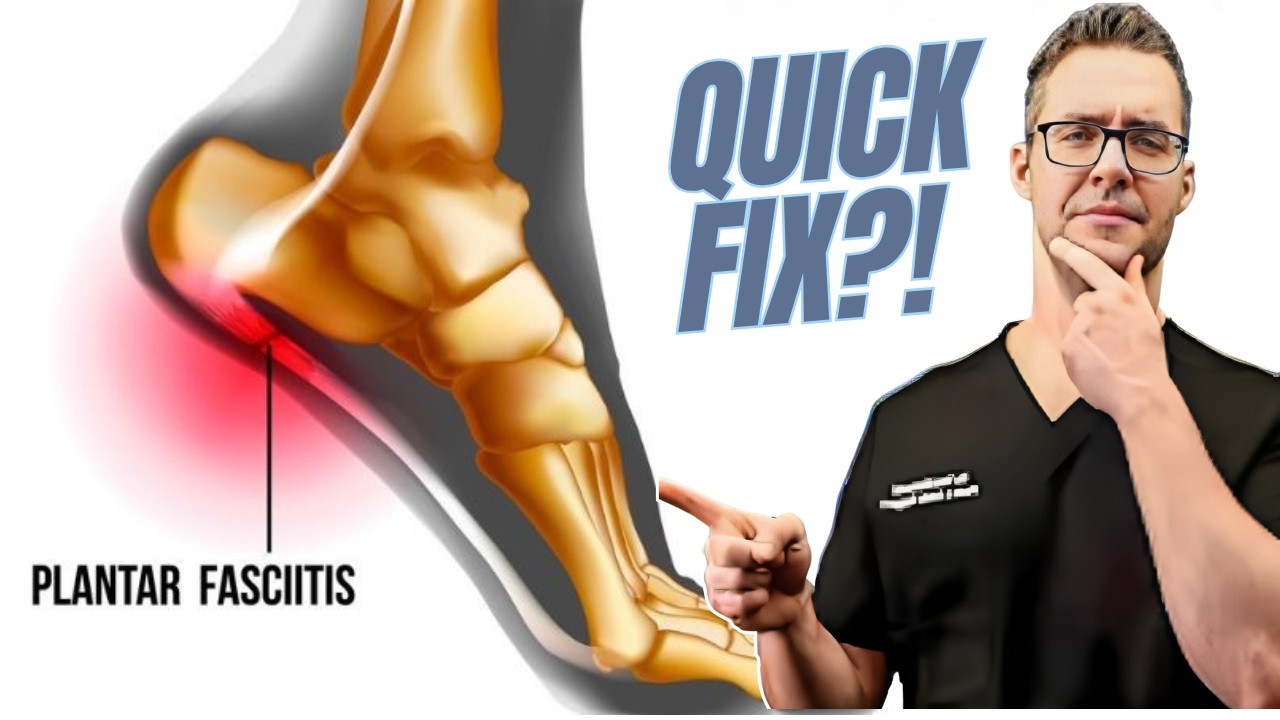
Medial Ankle Pain Kit
Medial ankle pain is more than just a sprain — PTT, deltoid, and spring ligament all deserve eval. Dr. Tom’s kit:
As an Amazon Associate, Balance Foot & Ankle earns from qualifying purchases. This supports our free patient education content.
Stabilizes posterior tibial + deltoid during healing.
Medial arch offload reduces tendon strain.
Inflammation control at medial malleolus.
Topical over the medial ankle complex.
Related: Ankle Pain Treatment · Tendonitis · Book Same-Week Appointment
In-Office Treatment at Balance Foot & Ankle
When conservative care isn’t enough, Dr. Tom Biernacki and the team at Balance Foot & Ankle offer advanced, same-day options — including Flat Feet Treatment Michigan at our Howell and Bloomfield Township clinics.
Same-day appointments available. Call (810) 206-1402 or book online.
In-Office Treatment at Balance Foot & Ankle
If home treatment isn’t providing relief for your Achilles tendon conditions, our podiatry team at Balance Foot & Ankle can help with same-day evaluations and advanced in-office care.
Same-day appointments available. (810) 206-1402
Learn about our Achilles tendonitis treatment → | Book online →
Frequently Asked Questions
When should I see a doctor?
See a podiatrist if pain persists past 2 weeks, prevents normal activity, or is accompanied by red-flag symptoms (warmth, swelling, numbness, inability to bear weight).
Can I treat this at home?
Mild cases respond to RICE protocol (rest, ice, compression, elevation), supportive shoes, and OTC anti-inflammatories. Persistent symptoms need professional evaluation.
How long does it take to heal?
Most soft tissue injuries resolve in 2-6 weeks with appropriate care. Bone injuries take 6-12 weeks. Chronic conditions need longer-term management.

Dr. Tom Biernacki, DPM is a board-certified foot & ankle surgeon (ABFAS & ABPM) at Balance Foot & Ankle Specialists in Southeast Michigan. With over a decade of clinical experience, he specializes in heel pain, bunions, diabetic foot care, sports injuries, and minimally invasive surgery. Dr. Biernacki is a member of the APMA and ACFAS, and his patient education content on MichiganFootDoctors.com and YouTube has made him one of the most-followed foot & ankle educators on YouTube.