
Medically reviewed by Dr. Tom Biernacki, DPM
Board-certified podiatric surgeon | Balance Foot & Ankle, Howell & Bloomfield Township, MI
Last reviewed: May 2026

Quick answer: Plantar Fasciitis Tape is a common foot/ankle topic that affects many patients. The 2026 evidence-based approach combines proper diagnosis, conservative-first treatment, and escalation only when needed. We treat this regularly at our Howell and Bloomfield Township practices. Call (810) 206-1402.
Board-Certified Podiatric Foot & Ankle Surgeon · Last reviewed: May 5, 2026
If you have plantar fasciitis, chances are you’ve heard about taping — either from a physical therapist, a running buddy, or a 3 a.m. YouTube rabbit hole while your heel was aching. Plantar fasciitis tape is one of those treatments that sounds almost too simple to be real, yet has solid clinical evidence behind it. Done correctly, it can provide near-immediate pain relief and let you return to walking or training while the underlying condition heals.
In our clinic, I use two main taping techniques: the low-dye taping method (a rigid athletic tape approach) and kinesiology tape (KT Tape). Each has different indications, different application techniques, and different longevity. This guide covers both, with step-by-step instructions and the clinical evidence behind them.
The most important clinical decision with Plantar Fasciitis Tape isn’t which treatment to start with — it’s identifying the correct subtype. That changes everything. Call (810) 206-1402.
How Taping Helps Plantar Fasciitis
The plantar fascia is under greatest stress during weight-bearing when the arch flattens and the fascia is elongated. The tension peaks at the medial calcaneal tubercle — exactly where plantar fasciitis causes pain. Taping works through two primary mechanisms:
- Mechanical support — the tape creates a physical sling under the arch, limiting arch collapse and reducing the elongation stress on the fascia with each step. Studies have measured up to a 30% reduction in plantar fascia strain with proper low-dye taping
- Proprioceptive facilitation — kinesiology tape provides tactile feedback to the skin and underlying fascia, altering neuromuscular activation patterns in the intrinsic foot muscles that support the arch
A 2012 meta-analysis in the Journal of Orthopaedic & Sports Physical Therapy found that both rigid low-dye taping and kinesiology tape significantly reduced plantar fasciitis pain, with rigid taping producing larger immediate effects and kinesiotape maintaining effects for longer periods. In our practice, we use rigid taping for immediate acute pain relief and KT Tape for ongoing daily management during activity.
Key takeaway: Taping is most useful as a bridge — providing pain relief while you heal — rather than as a standalone cure. Combine it with stretching, footwear changes, and orthotics for best long-term outcomes.
Method 1: Low-Dye Taping for Plantar Fasciitis
Low-dye taping is a rigid athletic tape technique named after Dr. Ralph Dye, who developed it in the 1920s. It uses white athletic tape (1.5-inch pre-cut strips) to create a supportive sling under the heel and arch, effectively restricting subtalar pronation and arch collapse. It’s the most mechanically effective short-term option.
What you need:
- 1.5-inch white athletic/medical tape (Leukoplast, Johnson & Johnson Coach tape, or similar)
- Pre-wrap foam (optional, for sensitive skin)
- Skin adherent spray or wipe (Cramer Tuf Skin or similar) for better adhesion
- Scissors
Low-Dye Application Steps
Step 1 — Position the foot: Sit with your foot resting on your opposite knee, ankle at 90°. If taping your own foot, place it on a stool at a comfortable height. Do not tape a pronated (flattened) foot — start with the foot in a neutral or slightly supinated position.
Step 2 — Apply heel anchors: Place two anchor strips of tape around the back of the heel, overlapping slightly. These anchor strips should sit just below where a shoe’s heel counter would contact the skin. Apply without tension — they’re anchors, not compressive.
Step 3 — Apply arch slings: Cut 6–8 strips of tape, each about 8–10 inches long. Starting at the medial (inner) anchor at the heel, pull each strip diagonally across the bottom of the foot toward the outer (lateral) edge, applying firm tension to pull the arch upward. Each successive strip should overlap the previous one by about half its width, working from heel to ball of foot.
Step 4 — Lock-down strips: Apply 3–4 strips horizontally across the arch (from medial to lateral), starting at the heel and working toward the toes. These lock the sling strips in place. Do not wrap completely around the foot — this creates a tourniquet effect.
Step 5 — Check and test: Stand up. The foot should feel supported and the first step should be noticeably less painful. If you feel tingling, the tape is too tight — remove immediately and re-apply with less tension.
Duration: Rigid athletic tape typically stays effective for 24–48 hours of activity before losing its supportive tension. Remove before showering when possible (wet tape loosens rapidly) and replace before the next significant walking or running session.
Method 2: Kinesiology Tape (KT Tape) for Plantar Fasciitis
Kinesiology tape (KT Tape, RockTape, Kinesio Tex) is an elastic, porous therapeutic tape that stretches to approximately 140% of its resting length. Unlike rigid athletic tape, it doesn’t restrict joint motion — instead, it lifts the skin microscopically, improving blood and lymph flow beneath, providing proprioceptive stimulation, and creating a gentle supportive tension through the elastic recoil.
KT Tape lasts 3–5 days (and is water-resistant, so you can shower with it) and is far easier for most patients to apply themselves at home. It’s my preferred recommendation for ongoing daily management between stretching and orthotic therapy.
KT Tape Application for Plantar Fasciitis
What you need: 1 full-length strip of KT Tape (about 10 inches) and one additional shorter strip (4–6 inches).
Step 1 — Prepare the skin: Clean the bottom of the foot thoroughly and allow to dry completely. Avoid lotion or sunscreen on the area — oils prevent adhesion. Round the ends of each strip with scissors to prevent corners from peeling.
Step 2 — Apply the anchor: Sit with your toes pulled back toward your shin (dorsiflexion). Tear the backing at the center of the full-length strip. Without stretching the tape, apply the center of the strip directly to the heel with zero tension. This is the anchor point.
Step 3 — Apply arch support: From the heel anchor, pull each end of the strip down the foot with 75–80% stretch. One end goes along the lateral (outer) arch edge toward the fifth toe base; the other goes along the medial (inner) arch toward the big toe base. Press each end down without tension at the last inch.
Step 4 — Add a cross strip (optional): Apply the shorter strip horizontally across the arch perpendicular to the first strip, with moderate tension, to reinforce the support.
Step 5 — Activate the adhesive: Rub briskly over the entire applied tape for 30 seconds. The friction generates heat that activates the acrylic adhesive. Do not peel the tape off and reapply — the adhesive is single-use.
Key takeaway: KT Tape can remain in place for 3–5 days with normal showering and activity. When removing, always peel slowly in the direction of hair growth — pulling against it causes skin irritation. Apply oil (baby oil, coconut oil) to the edge if it’s sticking too firmly.
Rigid Tape vs. KT Tape: Which Should You Use?
The choice between rigid low-dye taping and kinesiology tape depends on your goals and situation:
- For acute, severe pain relief (first 1–2 days) → low-dye rigid tape provides larger immediate mechanical support and pain reduction
- For ongoing daily management during activity → KT Tape is more practical, lasts 3–5 days, can be worn through showering, and is easier to self-apply
- For diagnostic purposes → both taping methods can be used as a test: if taping provides significant relief, that confirms arch support (custom orthotics) will be beneficial for long-term management
- For runners and athletes → KT Tape during training; add rigid tape for races or high-demand events
- For swimmers or water athletes → KT Tape; rigid tape does not tolerate immersion well
Common Taping Mistakes That Reduce Effectiveness
In my experience, the most common reason taping ‘doesn’t work’ is improper technique rather than ineffectiveness of the method itself. The most frequent errors include:
- Taping a pronated foot — apply tape with the foot in neutral position (slight supination); taping a pronated foot locks the arch in a collapsed position
- Applying low-dye tape around the whole foot — wrapping completely around the foot creates a tourniquet. Strips go only across the bottom
- Using too little tension on arch sling strips — the arch support comes from the tension on the sling strips; no tension = no benefit
- Poor skin preparation for KT Tape — any oil, lotion, or moisture dramatically reduces KT Tape adherence and longevity
- Applying KT Tape with too much stretch at the anchor ends — this causes skin blistering and rapid peeling; anchor ends always go on with zero tension
- Using low-quality tape — cheap rigid tape (some office supply tapes, for example) lacks the appropriate elasticity/rigidity for therapeutic use
Products We Recommend
Johnson & Johnson Coach Athletic Tape (1.5-inch) is the clinical-grade rigid athletic tape we use for low-dye applications in our clinic. Its firm structure provides the mechanical support the technique requires, unlike stretchy first-aid tapes that deform under weight.
RockTape Kinesiology Tape is a premium KT tape option with superior adhesive longevity compared to standard KT Tape brands. In our experience with athletic patients, RockTape holds 5–7 days even with daily activity and showering — 1–2 days longer than most competitors.
⚠️ When Taping Is Not the Right Answer
- Open wounds, blisters, or broken skin in the taping area — tape over wounds increases infection risk
- Tape allergy or contact dermatitis from previous taping experiences
- Severe vascular disease (diabetes with poor circulation, peripheral arterial disease) — consult your doctor before taping
- Lymphedema — taping can alter lymph flow in unpredictable ways for lymphedema patients; requires specialist guidance
- Plantar fasciitis persisting beyond 3 months despite taping and other conservative care — surgical or procedural options should be evaluated
Taping as Part of a Complete Treatment Plan
Taping works best as one component of a comprehensive plantar fasciitis treatment plan, not as a standalone solution. In our clinic, I typically combine taping with:
- Daily stretching protocol — plantar fascia-specific stretch and calf stretches before and after activity
- Night splints — to prevent overnight fascial shortening that causes morning pain
- Footwear upgrade — maximalist cushion shoes with firm heel counters
- Custom or semi-custom orthotics — 3D-scanned insoles that control the specific biomechanical drivers of each patient’s plantar fasciitis; taping is often used to confirm that orthotics will be beneficial before the investment is made
- Activity modification — reducing impact loading during the acute phase while maintaining fitness through cycling or swimming
When Shoes Aren’t Enough — Dr. Tom’s Top 9 Orthotics
About 30% of patients I see for foot pain need MORE than a great shoe — they need a structured insole. Below: my complete 2026 orthotic ranking with pros, cons, and the specific patient I’d give each one to.
In-Office Treatment at Balance Foot & Ankle
If home treatment isn’t providing relief for your plantar fasciitis tape, our podiatry team at Balance Foot & Ankle can help with same-day evaluations and advanced in-office care.
Frequently Asked Questions About Plantar Fasciitis Taping
How long does plantar fasciitis taping last?
Rigid athletic tape (low-dye technique) typically lasts 24–48 hours before losing therapeutic tension. Kinesiology tape (KT Tape, RockTape) is water-resistant and lasts 3–5 days with normal activity and showering. Replace whenever you notice the tape beginning to peel or losing its tension.
Can I sleep with plantar fasciitis tape on?
Yes for KT Tape — it can remain overnight. For rigid athletic tape, removing before sleep is recommended to allow skin to breathe, as overnight accumulation of sweat under rigid tape can cause skin breakdown. The night splint is more effective than tape for addressing the overnight fascial shortening that causes morning pain.
Does KT Tape actually work for plantar fasciitis?
Multiple studies have confirmed that kinesiology tape provides statistically significant pain reduction in plantar fasciitis compared to no treatment, with effects comparable to orthotics in some short-term studies. The mechanisms include arch support via elastic recoil and proprioceptive skin stimulation. Best used alongside stretching and footwear modification rather than as a standalone treatment.
Can I apply plantar fasciitis tape myself?
Yes — KT Tape is designed for self-application and comes with instructions for plantar fasciitis. The low-dye technique is more challenging to self-apply but can be learned with practice (easier with a mirror and good lighting). Having a physical therapist or podiatrist demonstrate the technique the first time significantly improves self-application accuracy.
How often should I tape my foot for plantar fasciitis?
During the acute phase, applying tape before any significant weight-bearing activity is appropriate — essentially whenever you expect to do significant walking or exercise. As pain improves (typically 4–6 weeks into treatment), you can taper taping to high-demand activities only. Continue until custom orthotics are fully broken in and providing reliable support on their own.
The bottom line: Taping is one of the most underused and immediately effective tools for plantar fasciitis pain management. The low-dye technique provides superior immediate mechanical support; KT Tape offers longer-lasting, water-resistant daily management. Both have solid clinical evidence behind them. Used correctly and combined with stretching, footwear support, and night splints, taping can accelerate your recovery timeline significantly. If your plantar fasciitis is not responding to conservative care after 3 months, see a podiatrist to discuss advanced options like PRP, shockwave therapy, or custom orthotics.
Sources
- Radford JA, et al. Effectiveness of low-Dye taping for the short-term treatment of plantar heel pain. BMC Musculoskelet Disord. 2006;7:64.
- Tsai CT, Chang WD, Lee JP. Effects of short-term treatment with kinesiotaping for plantar fasciitis. J Musculoskel Pain. 2010;18(1):71-80.
- Franettovich M, Chapman AR, Blanch P, Vicenzino B. Augmented low-dye tape alters foot mobility and neuromotor control of gait. Clin Biomech. 2010;25(1):45-50.
- Osborne HR, Allison GT. Treatment of plantar fasciitis by LowDye taping and iontophoresis. Br J Sports Med. 2006;40(6):529-533.
- Whittaker GA, Munteanu SE, Menz HB, Bonanno DR, Gerrard JM, Landorf KB. Foot orthoses for plantar heel pain. Cochrane Database Syst Rev. 2018;4:CD006382.
⚕ Doctor Recommended
Doctor Hoy’s Natural Pain ReliefTopical relief for foot & ankle pain
View Product →Ready to Get Relief?
Same-day appointments available in Howell & Bloomfield Township, MI
4.9★ | 1,123 Reviews | 3,000+ Surgeries
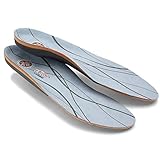
- PODIATRIST DESIGNED! An effective alternative to expensive custom-made orthotics. Innovative biomechanical THREE-ZONE COMFORT technology delivers deep heel cup stability, forefoot cushioning, and ultimate arch support to prevent excessive pronation caused by flat feet. These essential contact points help to realign positioning of feet, aiding to re-establish your body's natural alignment, from the ground up.
- VIONIC ORTHOTIC INSOLES! These women's and men's shoe inserts offer a convenient, pain-free natural healing solution for many of the common aches and pains associated with poor lower-limb alignment, plantar fasciitis, and arch pain. EVA orthotic with re-enforced, hardened plastic (PE) shell for added motion control and stability. Cushioned shock dot in the heel for added shock absorption. Can be trimmed in forefoot if necessary.
- DESIGNED FOR EVERYDAY USE! Designed to provide greater control in faster paced activities such as running and fast walking. 4 degree rear foot wedge to provide support and control which helps prevent excess pronation. Odor absorbing cover. Contoured around the heel and arch areas to achieve 100% foot contact. Podiatrist Designed, APMA Seal of Acceptance.
- COMFORTABLE TO WEAR! Shoe inserts for women and men contoured around the heel and arch areas to achieve perfect foot contact.
- SIZES AVAILABLE: XS: Women's 4.5 – 6 / Men's 3.5 – 5 S: Women's 6.5 – 8 / Men's 5.5 – 7 M: Women's 8.5 – 10 / Men's 7.5 – 9 L: Women's 10.5 – 12 / Men's 9.5 – 11 XL: Men's 11.5 – 13

- Signature waffle-inspired rubber outsole for traction and flexibility

- Provides continuous support of the Plantar Fascia by gently stretching the fascia tissue.
- Compression zones promote circulation, reduce impact vibration, boost recovery and strengthen feet.
- Lightweight, seamless design with extra cushioning provides support while still being comfortable.
- Supports the heel/arch and overall foot structure while stabilizing the tendon for better performance
- Made from high quality materials, the socks are moisture wicking and breathable.
As an Amazon Associate, Balance Foot and Ankle earns from qualifying purchases. Product links are affiliate links and we may earn a commission at no extra cost to you. This does not influence our clinical recommendations. Last update on 2026-09-22 / Images from Amazon Product Advertising API
Or call: (810) 206-1402

Dr. Tom Biernacki, DPM is a board-certified foot & ankle surgeon (ABFAS & ABPM) at Balance Foot & Ankle Specialists in Southeast Michigan. With over a decade of clinical experience, he specializes in heel pain, bunions, diabetic foot care, sports injuries, and minimally invasive surgery. Dr. Biernacki is a member of the APMA and ACFAS, and his patient education content on MichiganFootDoctors.com and YouTube has made him one of the most-followed foot & ankle educators on YouTube.