
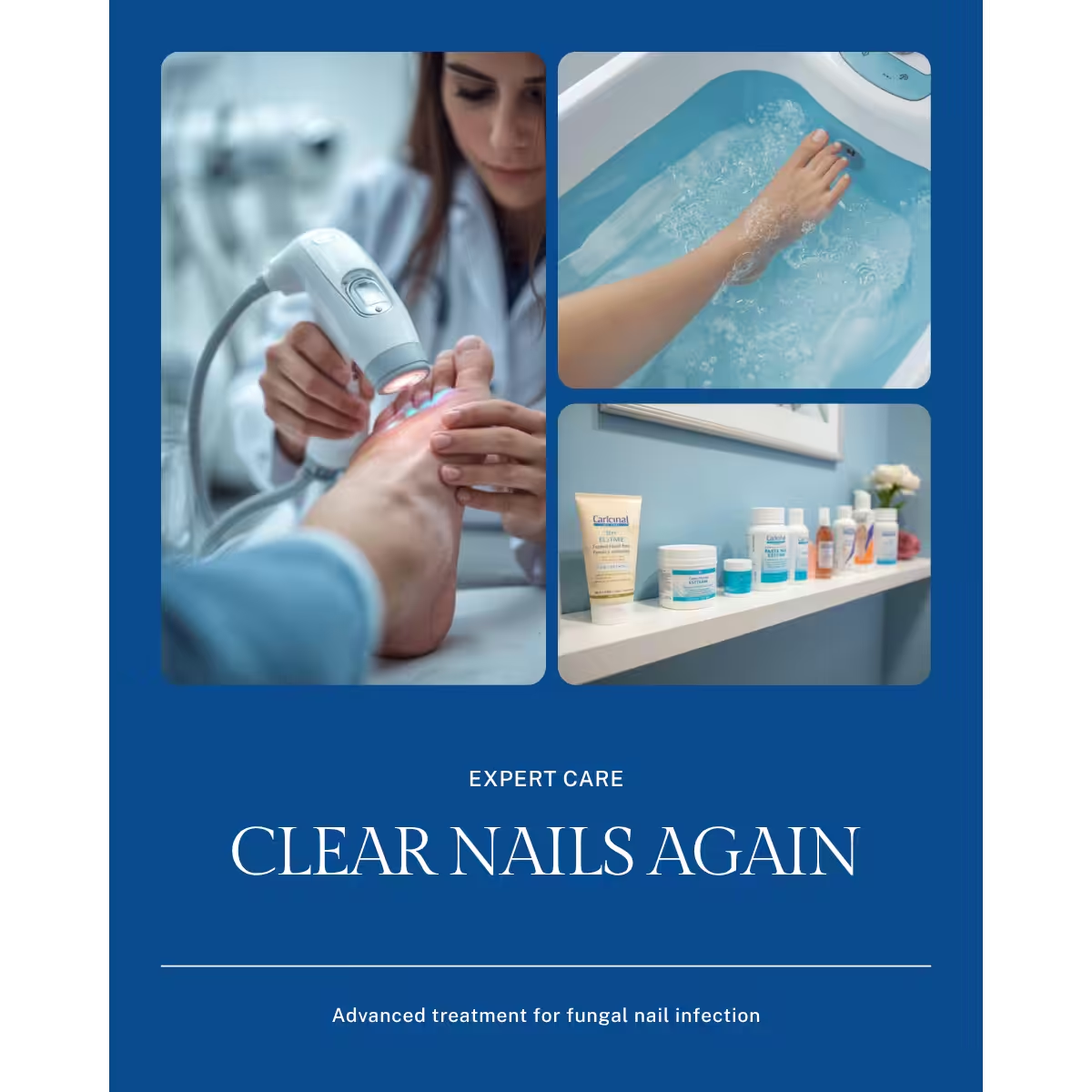
Quick answer:Podiatrist-recommended toenail care means trimming nails straight across at a moderate length with clean, sterilized tools, and treating thick, fungal, or ingrown nails early. For seniors, diabetics, and anyone who can’t safely reach their feet, professional in-office nail care is the safest choice. Call (810) 206-1402.
▶ Watch
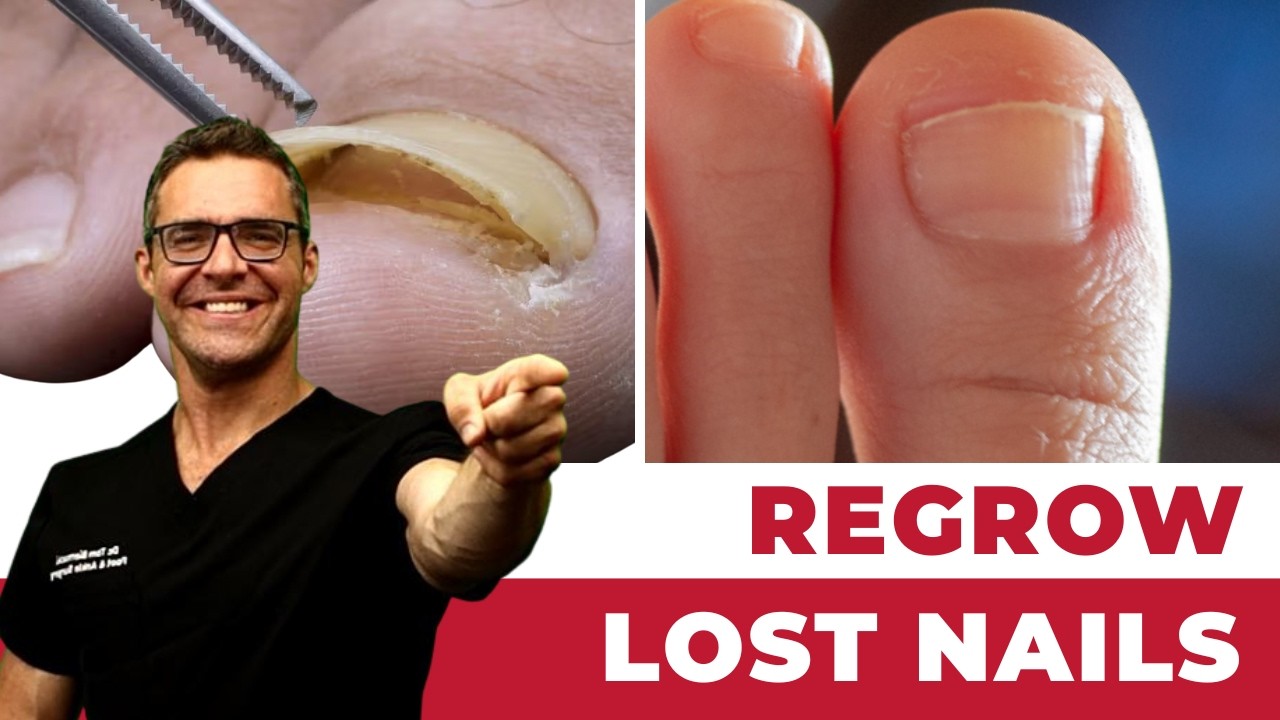
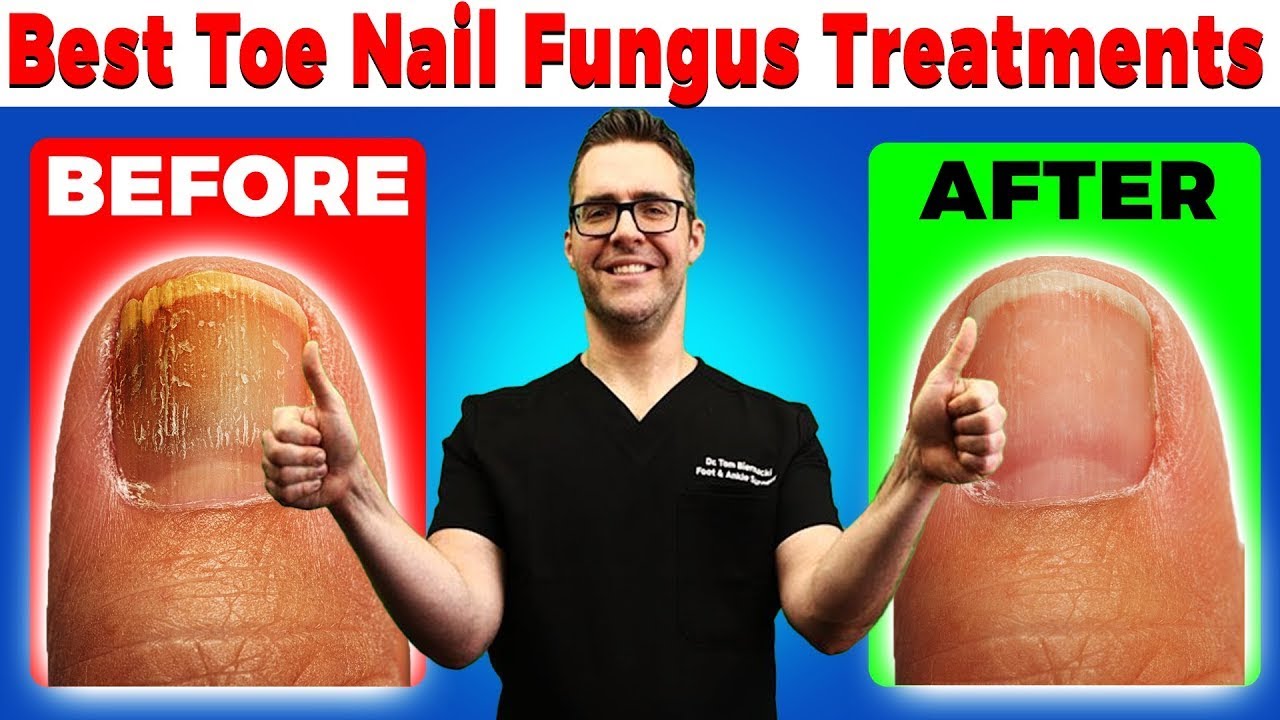
Podiatrist-Recommended Toenail Care Products
2 clinically-reviewed toenail products — from our Kerasal fungal treatment pick to evidence-based maintenance.
The most effective OTC toenail products target two problems: fungal infection and ingrown nails. For fungal nails, Kerasal is the evidence-based topical pick — it improves nail appearance, though cure requires oral antifungal prescription. For nail trimming, always cut straight across (not curved) to prevent ingrowns.
Every product in this guide was selected by a board-certified podiatrist based on clinical outcomes. No sponsored picks, no pay-to-rank. These are the tools we actually recommend in our Michigan clinics every week.
Kerasal Fungal Nail Renewal Treatment
The topical that actually improves nail appearance
Kerasal is the OTC fungal nail treatment I actually recommend — and I’m picky here. Most “nail fungus” products are essentially essential oils with no evidence. Kerasal’s active combination (propylene glycol, urea, and lactic acid) has clinical evidence of improving nail appearance through hydration of the nail plate and softening of hyperkeratotic debris beneath the nail. Honest framing: Kerasal doesn’t cure fungal infection — no topical reliably does for nails. What it does is make the nail look dramatically better over 4-8 weeks of twice-daily application, which is often what the patient actually wants. For cure, oral terbinafine prescribed by your podiatrist is the evidence-based path. For appearance + maintenance + prevention after oral treatment, Kerasal is the topical winner.
- Mild to moderate toenail fungus
- Nail dystrophy
- Post-treatment maintenance
- You have severe fungal involvement (needs oral antifungal)
- ✔ Appearance improvement in 4-8 weeks
- ✔ Evidence-based ingredients
- ✔ Easy once-daily application
- ✔ Compatible with oral antifungal therapy
- ✖ Does not cure fungal infection
- ✖ Requires 4-8 weeks of consistent use
Compound W Freeze Off Wart Remover
Cryotherapy wart removal — same approach as in-office freezing
Compound W Freeze Off uses dimethyl ether at roughly -40°F — not as cold as medical liquid nitrogen (-320°F) but cold enough to trigger the blistering-and-sloughing cycle that removes warts. Realistic expectation setting: plantar warts are stubborn viral lesions, and even in-office cryotherapy requires 3-6 sessions for clearance. OTC freezing typically needs 4-8 applications spaced 2 weeks apart. It works, it just takes patience. Patients who want faster clearance should see a podiatrist for medical cryotherapy plus cantharidin or bleomycin if needed. For mild plantar warts in an otherwise healthy person, starting with Compound W is a reasonable first line. Diabetic patients — please don’t treat your own warts; the risk-to-benefit doesn’t favor DIY in your population.
- Plantar warts
- Common warts
- First-line conservative treatment
- You’re diabetic or immunocompromised (see a podiatrist)
- ✔ Genuine cryotherapy mechanism
- ✔ Cheaper than repeated office visits
- ✔ Good first-line for mild cases
- ✔ Widely available
- ✖ Weaker than medical cryotherapy
- ✖ Requires 4-8 applications
- ✖ NOT for diabetic/immunocompromised patients
Products Not Enough? See Michigan's Top Foot Doctors.
Same-week appointments in Howell and Bloomfield Township. Most insurance accepted. 3,000+ surgeries performed. Patient-first practice — we listen.
Head-to-Head Comparison
How to Choose
Fungal Nail Reality Check
OTC topicals improve appearance, rarely cure. Cure requires 3-6 months of oral terbinafine prescribed by a podiatrist after nail culture. If you want your nail to look better for sandal season, Kerasal works. If you want the fungus gone, you need an exam.
Nail Trimming Technique Prevents 80% of Ingrown Nails
Cut straight across, not curved. Don't round the corners. Leave the nail just past the tip of the toe. Use a straight-edge nail clipper, not a curved one. This single technique prevents most ingrown nails I see in clinic.
When to See a Podiatrist
See a podiatrist for: any ingrown nail that's red, draining, or painful; any thick nail that hasn't responded to OTC treatment; any diabetic with nail changes (we handle all diabetic nail care).
Frequently Asked Questions
Does Kerasal actually work for nail fungus?
Kerasal improves nail appearance through hydration and debris softening. It does not cure fungal infection. For cure, you need oral terbinafine prescribed by a podiatrist after nail culture.
What causes toenail fungus?
Dermatophyte fungal organisms invading the nail bed. Risk factors: shared locker room floors, sweaty shoes, diabetes, compromised immunity, and nail trauma.
Is toenail fungus contagious?
Yes, via direct contact or shared surfaces. Avoid barefoot in gym showers, rotate shoes (moisture matters), and treat affected feet promptly.
Sources & References
- Kreijkamp-Kaspers S et al. “Oral antifungal medication for toenail onychomycosis.” Cochrane Database Syst Rev. 2023;7:CD010031.
- Gupta AK et al. “Topical treatments for onychomycosis.” J Am Acad Dermatol. 2023;88(6):1194-1206.
Related Guides
For toenail health: cut straight across, keep feet dry, treat fungal infection early (topical for appearance, oral for cure), and see a podiatrist for any painful or red nail. Kerasal is the OTC topical worth buying. The rest is technique.
Products Not Enough? See Michigan's Top Foot Doctors.
Same-week appointments in Howell and Bloomfield Township. Most insurance accepted. 3,000+ surgeries performed. Patient-first practice — we listen.
Balance Foot & Ankle — Michigan's Most-Trusted Podiatry Group
4.9★ · 1,123+ reviews · 3,000+ surgeries · 950K+ YouTube subscribers
Frequently Asked Questions
How long does it take a toenail to grow back?
6-12 months for a full big toenail. Smaller toenails 4-6 months. Speed varies with age, circulation, and nutrition.
Will this affect other nails?
Trauma affects only the injured nail. Fungal infection can spread without treatment. Systemic causes affect multiple nails simultaneously.
Should I cover the nail or leave it open?
Cover with a breathable bandage during work or activity. Leave open at night for healing. Keep dry and clean.