
Sesamoiditis: Symptoms, Causes & Treatment for Big Toe Joint Pain
Sesamoiditis is inflammation of the two small sesamoid bones located beneath the big toe joint. These pea-sized bones act as pulleys for the tendons controlling your big toe and absorb significant impact with every step. When irritated, they cause persistent pain at the ball of the foot under the big toe — a condition common in dancers, runners, and anyone spending long hours on their feet.
What Are Sesamoid Bones?
The sesamoids are unique: they are the only bones in the body completely surrounded by tendon rather than connected to other bones via joints. Located in the flexor hallucis brevis tendon beneath the first metatarsal head, they:
- Absorb weight-bearing forces during push-off (up to 3x body weight during running)
- Act as a pulley to increase mechanical advantage of the big toe flexor tendon
- Protect the flexor hallucis longus tendon from friction against bone
Sesamoiditis Symptoms
| Symptom | Characteristics |
|---|---|
| Pain under big toe joint | Gradual onset, worsens with activity; sharp with direct pressure |
| Swelling & bruising | Mild swelling at the ball of foot; bruising if acute fracture |
| Pain with push-off | Especially when bending the big toe upward (dorsiflexion) |
| Difficulty with footwear | Dress shoes and heels dramatically worsen pain |
| Pain with barefoot walking | Walking on hard surfaces without cushioning is very painful |
Key diagnostic clue: Pain that is precisely localized to the plantar surface of the first metatarsal head (the bump behind your big toe on the bottom of the foot) and is reproduced by pressing on that exact spot is highly suggestive of sesamoiditis or sesamoid fracture.
Sesamoiditis vs. Sesamoid Fracture: What’s the Difference?
| Feature | Sesamoiditis | Sesamoid Fracture |
|---|---|---|
| Onset | Gradual (weeks-months) | Acute (sudden injury) or stress fracture (gradual) |
| Pain quality | Aching, worse with activity | Sharp, often severe initially |
| X-ray findings | Normal or minor sclerosis | Visible fracture line (may resemble bipartite sesamoid) |
| Bone scan/MRI | Increased uptake, bone marrow edema | Clear fracture, possible avascular necrosis |
| Treatment duration | 6-12 weeks typical | 6-8 weeks immobilization; surgery if displaced |
Important note: About 10-30% of people have a naturally bipartite (two-piece) medial sesamoid — this is a normal anatomical variant, not a fracture. An experienced podiatrist can distinguish this from a true fracture using X-ray characteristics, bone scans, and MRI.
Common Causes and Risk Factors
- High-impact activities — ballet dancing, running, basketball, football — repetitive load on the forefoot
- Cavus foot (high arch) — concentrates weight-bearing under the metatarsal heads
- Prominent first metatarsal head — bone anatomy that places more pressure on the sesamoids
- Sudden increase in training — too much, too fast in athletic programs
- Hard surfaces — concrete, tile without adequate footwear cushioning
- High heels — shifts body weight forward, dramatically increasing sesamoid loading
- Thin soles — minimalist or unsupportive footwear
Treatment: Conservative First
Most sesamoiditis cases resolve with conservative care over 6-12 weeks. The key is reducing load on the sesamoids while maintaining fitness.
1. Activity Modification & Offloading
Reduce or eliminate activities that load the forefoot (running, jumping, ballet). Swimming and cycling typically allow exercise without sesamoid stress. This is the single most critical step — continuing high-impact activities while treating sesamoiditis prevents healing.
2. Custom Orthotics with Sesamoid Cutout
Custom orthotics for sesamoiditis incorporate a cutout or depression beneath the affected sesamoid, combined with a metatarsal bar to redistribute load. This offloads the sesamoid during every step.
- Sesamoid cutout eliminates direct pressure on the inflamed bone
- Metatarsal bar transfers load from first metatarsal head to metatarsal shafts
- Arch support reduces pronation that increases sesamoid stress
- Studies show significant pain reduction with properly designed orthotic offloading
3. Footwear Changes
- Switch to shoes with thick, cushioned soles and stiff toe box
- Avoid high heels, thin-soled flats, flip-flops, and barefoot walking
- Rocker-sole shoes (e.g., MBT, Hoka) reduce dorsiflexion forces through the big toe joint
4. Padding & Taping
- J-shaped felt pad placed around (not over) the sesamoid provides immediate cushioning
- Athletic taping to restrict big toe dorsiflexion reduces sesamoid loading during push-off
- Dancer’s pad (commercially available) for temporary relief between appointments
5. MLS Laser Therapy
MLS laser therapy accelerates healing in bone and soft tissue, reducing inflammation around the sesamoids. It’s particularly valuable for athletes who need faster return to activity and for cases where injection-based treatment is not appropriate.
6. Corticosteroid Injection
A carefully placed cortisone injection can reduce acute inflammation when conservative measures aren’t providing adequate relief. Use is limited — repeated cortisone injections near the sesamoids can accelerate avascular necrosis (bone death from disrupted blood supply).
7. Immobilization (for Fractures)
True sesamoid fractures may require non-weight-bearing casting or a walking boot for 6-8 weeks. Stress fractures detected early have good healing potential; delayed treatment risks progression to avascular necrosis.
When Does Sesamoiditis Require Surgery?
Surgical sesamoidectomy (removal of one sesamoid) is reserved for:
- Avascular necrosis confirmed on MRI (bone has lost blood supply)
- Complete sesamoid fracture with displacement that won’t heal conservatively
- Recurrent sesamoiditis unresponsive to 6+ months of dedicated conservative treatment
- Chronic osteomyelitis of the sesamoid
Removing one sesamoid typically preserves good function. Removing both sesamoids significantly weakens the big toe flexor mechanism and is rarely indicated.
Recovery Timeline
| Week | What to Expect |
|---|---|
| 1-2 | Significant pain reduction with offloading + padding; begin gentle range-of-motion |
| 3-6 | Custom orthotics fitted; return to low-impact activity (swimming, cycling) |
| 6-10 | Progressive return to normal activities with orthotic protection |
| 10-12 | Most patients symptom-free; gradual return to sport with appropriate footwear |
| 12+ weeks | If still symptomatic, re-evaluate for stress fracture, avascular necrosis, or need for injection |
Sesamoiditis has a strong tendency to become chronic when undertreated. If you have persistent big toe joint pain lasting more than 2-3 weeks, see a podiatrist specializing in sesamoid conditions before the problem escalates.
Related Patient Guides
- Sesamoiditis Treatment Michigan
- The Complete Guide to Custom Orthotics
- MLS Laser Therapy for Foot Pain
- Morton’s Neuroma: Symptoms & Treatment
- 12 Signs You Need to See a Podiatrist
Medical References & Sources
- American Podiatric Medical Association — Patient Education
- American Orthopaedic Foot & Ankle Society — Foot Conditions
Dr. Tom’s Recommended Products for Bunions
📍 Located in Michigan?
Our board-certified podiatrists treat this condition at two convenient locations. Same-day appointments often available.
These are products I personally use and recommend to my patients at Balance Foot & Ankle.
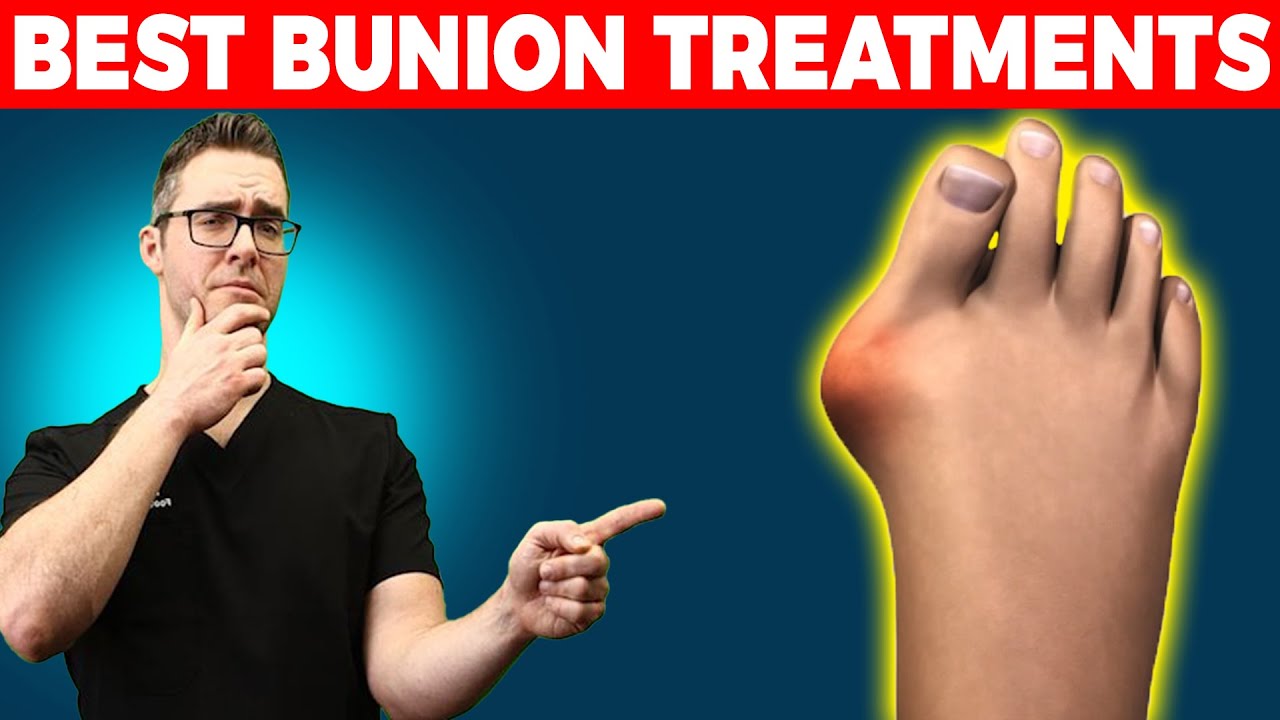
- Correct Toes Toe Spacers — Silicone spacers realign toes to natural position — reduces bunion pain and slows deformity progression
- NatraCure Gel Toe Separator and Bunion Guard — Gel cushion with integrated spacer — immediate pain relief for bunion friction against shoe box
- New Balance 928v3 Walking Shoe — Wide toe box with ROLLBAR stability — gives the bunion room while controlling overpronation that worsens deviation
Affiliate disclosure: As an Amazon Associate, Balance Foot & Ankle earns from qualifying purchases. We only recommend products we trust for our own patients.
Dr. Tom’s Recommended Insoles
PowerStep is the brand I prescribe most — medical-grade OTC support without the custom orthotic price tag.
- PowerStep Pinnacle Insoles — The OTC orthotic I recommend most — medical-grade arch support at a fraction of custom orthotic cost. Works in most shoes.
- PowerStep Maxx Insoles — For severe arch pain or flat feet — maximum correction and support when Pinnacle isn’t enough.
Affiliate disclosure: As an Amazon Associate, Balance Foot & Ankle earns from qualifying purchases. We only recommend products we trust for our own patients.
👟 Dr. Tom’s Pick: FLAT SOCKS for Minimalist & Zero-Drop Shoes
Ultra-thin flat-knit socks designed specifically for zero-drop, barefoot, and minimalist shoes. No bunching, no seams — just foot-contact-the-ground feel with moisture control.
View FLAT SOCKS on Amazon →📧 Get Dr. Tom’s Free Lab Test Guide
Discover the 5 lab tests every person over 35 should ask their doctor about — explained in plain English by a board-certified physician.
Affiliate disclosure: As an Amazon Associate, Balance Foot & Ankle earns from qualifying purchases.
Join 950,000+ Learning About Foot Health
Dr. Tom shares honest medical advice, supplement reviews, and treatment guides you won’t find anywhere else.
Subscribe on YouTube →