
Quick answer: Swimming Swim Team Foot Health Plantar Warts Fungal Ankle Flexibility is a common foot/ankle topic that affects many patients. The 2026 evidence-based approach combines proper diagnosis, conservative-first treatment, and escalation only when needed. We treat this regularly at our Howell and Bloomfield Township practices. Call (810) 206-1402.
The most important clinical decision with Swimming Swim Team Foot Health Plantar Warts Fungal Ankle Flexibility isn’t which treatment to start with — it’s which subtype or underlying cause you actually have. That distinction changes everything. Call us: (810) 206-1402
Swim Team Foot Health: Plantar Warts, Fungal Infections & Pool-Deck Injuries
A podiatrist's guide for competitive swimmers and parents — the pool-deck conditions that sideline swim seasons and the prevention kit every swim bag needs.
Every product in this guide was selected by a board-certified podiatrist based on clinical outcomes in real patients — not based on affiliate commission rates. We've ranked them based on biomechanical design, durability, patient compliance, and cost-to-benefit ratio. All picks are personally recommended in our Michigan clinics every week.
Lamisil AT Cream (terbinafine 1%)
The only OTC fungicide — kills fungus rather than inhibiting it
Lamisil AT (terbinafine 1% cream) is the single most important OTC product for treating athlete’s foot because it’s fungicidal — it kills fungal cells outright by disrupting ergosterol synthesis — rather than merely fungistatic (inhibiting growth). Most other OTC antifungals (miconazole, clotrimazole, tolnaftate) are fungistatic and require 4 weeks of treatment; terbinafine typically clears interdigital athlete’s foot in 7 days. Apply a thin layer to affected area and 1cm of surrounding healthy skin twice daily. Continue for 7 days even if symptoms resolve at day 3 — stopping early is the #1 cause of relapse. If you don’t see clear improvement in 7 days, the diagnosis might be wrong (bacterial intertrigo, dyshidrotic eczema, contact dermatitis all mimic athlete’s foot).
- Athlete’s foot (tinea pedis)
- Ringworm
- Jock itch
- Children under 12
- Skin that’s broken or weeping
- ✔ Fungicidal (kills) vs. fungistatic (inhibits)
- ✔ 7-day cure vs. 4-week for competitors
- ✔ One tube per flare-up
- ✔ Kills common and uncommon dermatophytes
- ✖ Higher cost than generic antifungals
- ✖ Not for pregnant women without MD approval
Tinactin Antifungal Powder Spray
Best for moisture-control prevention
Tinactin Antifungal Powder Spray (tolnaftate 1%) is the daily-prevention tool once an active infection has cleared. The powder absorbs moisture — fungi require a wet environment to grow — and the tolnaftate provides low-grade fungistatic coverage. Apply morning and night to feet, between toes, and inside shoes (let shoes air 12 hours after spraying). This is how you prevent the relapse that hits 60% of athlete’s foot patients within 12 months. Especially valuable for runners, gym-goers, and anyone with hyperhidrosis (sweaty feet).
- Sweaty feet
- Shoe decontamination
- Recurrence prevention
- Active severe infection (use cream first)
- ✔ Moisture control = fungus prevention
- ✔ Decontaminates shoes
- ✔ Daily use post-treatment
- ✔ Good value (2-3 month supply)
- ✖ Not strong enough for active infection
- ✖ Powder can track in the house
Zeasorb Antifungal Super Absorbent Powder
Podiatrist go-to for very sweaty feet
Zeasorb Antifungal (miconazole nitrate 2%) is the heavy-duty moisture-control option we reach for with patients whose feet sweat through socks by 2pm. The corn starch-based powder absorbs 6x its weight in moisture, while the miconazole prevents fungal colonization of the wet environment. I recommend applying to the foot, between toes, and dusting the sock before putting shoes on. For nurses and other long-shift workers whose feet stay wet, this is the single cheapest intervention that prevents recurrent athlete’s foot.
- Severe hyperhidrosis
- Shoes without ventilation
- Long shift work (nurses, retail)
- Skin sensitivity to miconazole
- ✔ 6x moisture absorption of talc
- ✔ Miconazole antifungal included
- ✔ Ideal for hyperhidrosis patients
- ✔ One bottle lasts 3+ months
- ✖ Corn starch base = clumps if very wet
- ✖ Not fungicidal (use Lamisil for active)
Products Not Enough? See Michigan's Top Foot Doctors.
Same-week appointments in Howell and Bloomfield Township. Most insurance accepted. 3,000+ surgeries performed. Patient-first practice — we listen.
Head-to-Head Comparison
Quick reference across all picks. Click any product name to jump to its full review above.
More Podiatrist-Recommended Fungus Essentials
Breathable Diabetic Shoe
Orthofeet Sprint — deep, breathable design reduces fungal growth.
Moisture-Wicking Sock


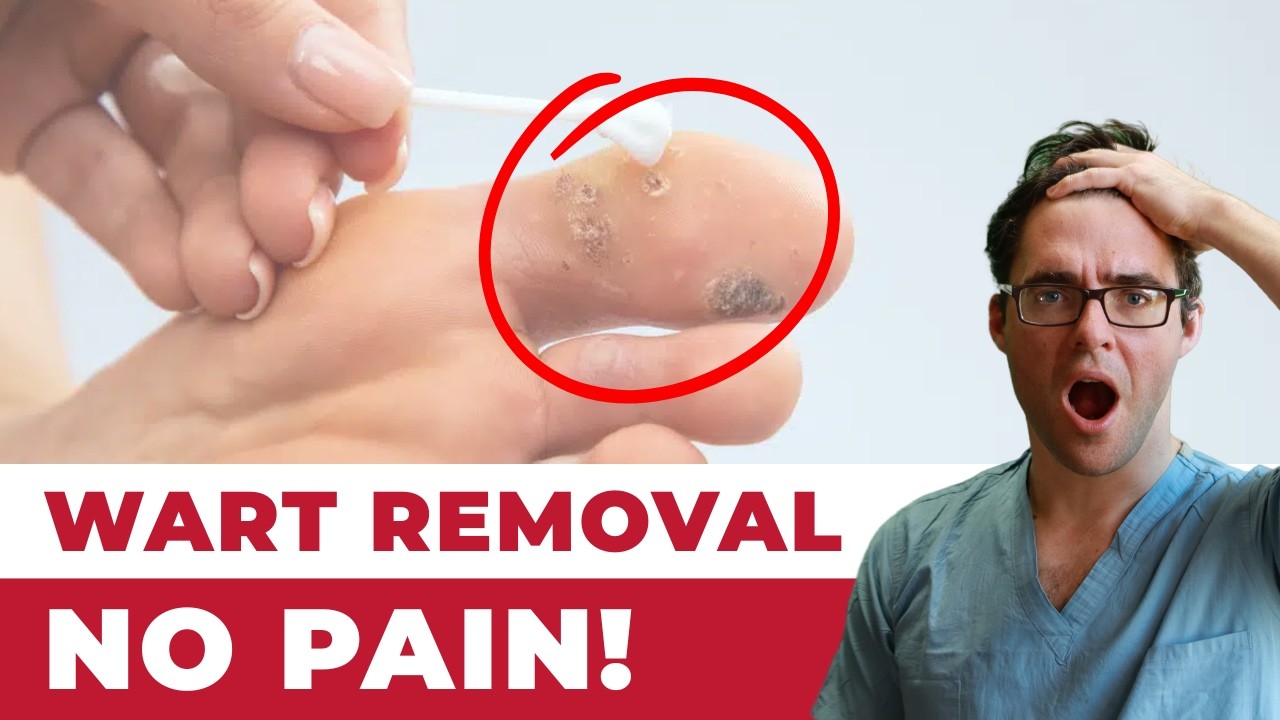
Watch: Plantar Wart Removal — MichiganFootDoctors YouTube
OS1st FS4 — keeps feet dry, eliminating the warm-wet environment fungus needs.
Breathable Recovery Slide
HOKA Ora 3 — lets feet air out after closed-shoe exposure.
As an Amazon Associate, Balance Foot & Ankle earns from qualifying purchases. Product recommendations are based on clinical experience; prices and availability shown above update live from Amazon.
When to See a Podiatrist
Topicals only penetrate the top 30% of the nail plate — if the fungus is near the cuticle or under 50% of the nail, oral terbinafine or laser is usually required for full clearance. Balance Foot & Ankle offers in-office fungal nail diagnostics and laser treatment that reaches the nail matrix where topicals can’t. We’ll examine the nail and recommend the fastest path to clear, healthy regrowth.
Call Balance Foot & Ankle: (810) 206-1402 · Book online · Offices in Howell & Bloomfield Township
Frequently Asked Questions
Why do swimmers get so many plantar warts?
Pool decks are warm, wet, and HPV-friendly. A single swimmer with an active wart can seed the deck over a season. Children and teens are especially susceptible — their immune systems haven't seen most HPV strains. Prevention is 10x easier than treatment: wear pool sandals on deck, dry feet thoroughly, and address any suspicious lesion within the first 2 weeks.
Are the over-the-counter wart treatments enough?
For early lesions (under 4 weeks, under 5mm) yes — salicylic acid patches + diligent filing resolves most. For larger, older, or multiple warts, office-based treatment is 3-5x more effective: cryotherapy, cantharidin, or laser. Left untreated, plantar warts can cluster (mosaic pattern) and require more aggressive intervention.
What about athlete's foot?
Near-universal in swim teams by late season. Prevention: antifungal powder in swim shoes after every practice, alternating two pairs, fully drying between toes before sockless shoe wear. Treat active infection with terbinafine cream twice daily for 4 weeks (not OTC cream durations — those are too short for pool-exposed feet).
My child twisted an ankle on a flip-turn — when to worry?
Any ankle pain lasting over 72 hours post-practice needs evaluation — swimmers hide injuries to stay on relay. X-ray any ankle that can't bear weight for 4+ steps in-office (Ottawa Ankle Rules). We see competitive swimmers same-week and coordinate with Michigan swim coaches.
In Our Clinic
Plantar warts in our clinic most often show up in active teenagers and adults who share locker-room showers. They hurt with lateral pinching (unlike calluses, which hurt with direct pressure), and on debridement we see the telltale black dots (thrombosed capillaries). For stubborn warts we use a layered approach: in-office cantharidin or liquid nitrogen, home 40 % salicylic acid nightly, occlusion with duct tape, and occasionally pulsed-dye laser for resistant lesions. Most clear within 3–6 months; the immune system does most of the work. We do NOT aggressively cut or burn — scars on the weight-bearing foot cause more pain than the wart.
Sources & References
Related Guides
Swim team foot health is mostly about pool-deck hygiene. Sandals on deck, dry socks rotated, antifungal powder weekly. Treat warts early and aggressively — they spread. Balance Foot & Ankle sees swim-team athletes same-week. (810) 206-1402.
Products Not Enough? See Michigan's Top Foot Doctors.
Same-week appointments in Howell and Bloomfield Township. Most insurance accepted. 3,000+ surgeries performed. Patient-first practice — we listen.
Balance Foot & Ankle — Michigan's Most-Trusted Podiatry Group
4.9★ · 1,123+ patient reviews · 3,000+ surgeries · 950K+ YouTube subscribers
In-Office Treatment at Balance Foot & Ankle
If home treatment isn’t providing relief for your plantar warts, our podiatry team at Balance Foot & Ankle can help with same-day evaluations and advanced in-office care.
Same-day appointments available. (810) 206-1402
Doctor Hoy’s Natural Pain Relief Gel
Natural topical pain relief I use in our clinic. Arnica + camphor formula — apply directly to the area 3–4x daily. ($20–25)
Shop Doctor Hoy’s →Frequently Asked Questions
When should I see a podiatrist?
If symptoms persist past 2 weeks, affect your normal activity, or are accompanied by red-flag symptoms (warmth, redness, swelling, inability to bear weight).
What does treatment cost?
Most diagnostic visits and conservative treatments are covered by Medicare and major insurers. Out-of-pocket costs vary by your specific plan.
How quickly can I get an appointment?
Most non-urgent cases see us within 5 business days. Urgent cases (sudden pain, possible fracture) typically same or next business day.
What is Plantar wart?
Plantar wart is a common foot/ankle condition that affects mobility and quality of life. Understanding the underlying cause is the first step in successful treatment. Our podiatrists at Balance Foot & Ankle perform a hands-on biomechanical exam, review your activity history, and use diagnostic imaging when appropriate to identify the root cause—not just treat the symptom. Many patients have been told to “rest and ice” without a deeper diagnostic workup; our approach is different.
Symptoms and warning signs
Common signs of plantar wart include pain that worsens with activity, morning stiffness, swelling, tenderness when palpated, and difficulty bearing weight. If you experience sudden severe pain, inability to walk, visible deformity, numbness or color change, contact our office the same day or visit urgent care—these can signal a more serious injury such as a fracture, tendon rupture, or vascular compromise. Diabetics with any foot wound should seek same-day care.
Conservative treatment options
Most cases of plantar wart respond to non-surgical care: structured rest, supportive footwear changes, custom orthotics, targeted stretching and strengthening protocols, anti-inflammatory medications when medically appropriate, and in-office procedures such as ultrasound-guided injections. We also offer advanced therapies including MLS laser therapy, EPAT/shockwave, regenerative injections, and image-guided procedures. Treatment is sequenced from least invasive to most invasive, and we explain the rationale at every step.
When is surgery considered?
Surgery is reserved for cases that fail 3-6 months of well-structured conservative care, when there is structural pathology (severe deformity, complete tear, advanced arthritis), or when imaging shows damage that will not heal without intervention. Our surgeons have performed 3,000+ foot and ankle procedures and prioritize minimally-invasive techniques whenever appropriate. We discuss recovery timelines, return-to-activity milestones, and realistic outcome expectations before any procedure is scheduled.
Recovery timeline and prevention
Recovery from plantar wart varies based on severity and chosen treatment path. Conservative cases often improve within 4-8 weeks with consistent adherence to the protocol. Post-procedural recovery may range from a few days (in-office procedures) to several months (reconstructive surgery). Long-term prevention involves footwear assessment, activity modification, structured strengthening, and regular check-ins with your podiatrist if you have a history of recurrence. We provide written home-exercise plans and digital follow-up support.
Ready to feel better?
Same-week appointments available in Howell and Bloomfield Township, Michigan.
Book Your VisitGet Expert Care at Balance Foot & Ankle
Same-week appointments at our Howell and Bloomfield Township offices. Board-certified podiatric surgeons. Most insurance accepted.
Same-Week Appointments in Howell & Bloomfield Township
Three board-certified podiatric surgeons. 1,123+ five-star reviews. Most insurance accepted.

Dr. Tom Biernacki, DPM is a board-certified foot & ankle surgeon (ABFAS & ABPM) at Balance Foot & Ankle Specialists in Southeast Michigan. With over a decade of clinical experience, he specializes in heel pain, bunions, diabetic foot care, sports injuries, and minimally invasive surgery. Dr. Biernacki is a member of the APMA and ACFAS, and his patient education content on MichiganFootDoctors.com and YouTube has made him one of the most-followed foot & ankle educators on YouTube.
More questions patients ask
Can I swim with a plantar wart?
Yes, but cover it with waterproof tape to reduce viral shedding. See a podiatrist if the wart is painful during push-offs, spreading despite treatment, or not responding to 4–6 weeks of OTC treatment.
Does chlorine kill athlete's foot fungus?
No — chlorine at pool concentrations does not reliably kill dermatophyte fungi. Fungal organisms survive on pool decks and in locker rooms. Pool deck footwear and thorough foot hygiene remain essential.
Why do my ankles hurt after dryland training but not after swimming?
Swimming develops extreme ankle flexibility that creates instability on land. Wear supportive shoes with PowerStep orthotic insoles during dryland training and do ankle strengthening exercises.
How do I know if my foot pain is a stress fracture?
Stress fractures cause gradually worsening pain in the ball of the foot during push-offs, point tenderness over a specific metatarsal, and possible swelling. Unlike muscle soreness, pain worsens as practice progresses.
Should swimmers wear compression socks?
Yes — compression socks benefit swimmers during dryland training, between practices, and during recovery. They promote blood flow, reduce leg fatigue, manage swelling, and keep feet drier to reduce fungal risk.
How do you get rid of plantar warts?
Professional treatments include cryotherapy (freezing), salicylic acid, laser therapy, and surgical excision. Dr. Biernacki typically uses a combination approach tailored to wart size and location. Over-the-counter treatments have limited effectiveness for plantar warts due to the thick skin on the foot sole. Most warts resolve within 2-4 treatments spaced 2-3 weeks apart. Call 810-206-1402 for treatment.
Are plantar warts contagious?
Yes, plantar warts are caused by HPV (human papillomavirus) and spread through direct contact with the virus, often in moist environments like pool decks, gym showers, and locker rooms. The virus enters through tiny cuts or breaks in the skin. Prevention includes wearing shoes in public areas and avoiding contact with visible warts.
What does a plantar wart look like?
Plantar warts appear as small, rough, grainy growths on the bottom of the foot, often with small black dots (thrombosed capillaries). They may cause pain when walking, especially with direct pressure. Unlike calluses, warts interrupt natural skin lines and are painful when squeezed from the sides. Multiple warts clustered together are called mosaic warts.
Still have a question about coverage or cost? Book online and we will check your benefits before your visit: Book in Howell · Book in Bloomfield Township. Prefer to talk it through first? Call (810) 206-1402.