
Medically reviewed by Dr. Tom Biernacki, DPM
Board-certified podiatric surgeon | Balance Foot & Ankle, Howell & Bloomfield Township, MI
Last reviewed: May 2026

| Structure | Role | Compression Sign | Nerve Branch Affected |
|---|---|---|---|
| Flexor Retinaculum (Laciniate Ligament) | Roof of tarsal tunnel; primary compressive structure | Tinel’s sign over medial ankle | Tibial nerve (main trunk) |
| Medial Plantar Nerve | Innervates medial 3.5 toes, medial sole | Burning pain medial plantar foot | Medial plantar nerve branch |
| Lateral Plantar Nerve | Innervates lateral 1.5 toes, lateral sole | Burning pain lateral plantar foot | Lateral plantar nerve branch |
| Medial Calcaneal Nerve | Innervates medial heel | Medial heel numbness/burning | Calcaneal branch |
| Inferior Calcaneal Nerve (Baxter’s) | Innervates abductor digiti minimi; lateral heel | Deep lateral heel pain; heel strike pain | First branch of lateral plantar nerve |
| Surgical Outcome Factor | Favorable Prognosis | Unfavorable Prognosis | Impact on Success |
|---|---|---|---|
| Duration of symptoms | <12 months | >24 months (chronic changes) | Early surgery = 85–90% success |
| Tinel’s sign positive | Yes — localizable compression | Absent or diffuse | Positive Tinel’s = strongest predictor of success |
| NCS/EMG findings | Abnormal — objective nerve dysfunction | Normal studies (non-specific) | Objective findings improve surgical selection |
| Space-occupying lesion | Identifiable mass (ganglion, lipoma, varicosity) | Idiopathic compression | Lesion removal = highest success rate (>90%) |
| Flat foot deformity | Corrected simultaneously | Uncorrected valgus deformity | Addressing flatfoot prevents recurrence |
| Bilateral symptoms | Unilateral | Bilateral (systemic cause?) | Bilateral = lower success; evaluate for DM, hypothyroid |
Foot pain isn't resolving?
Same-week appointments at Howell & Bloomfield Township
Medically Reviewed | Dr. Tom Biernacki, DPM | Board-Certified Podiatric Surgeon | Balance Foot & Ankle, Michigan
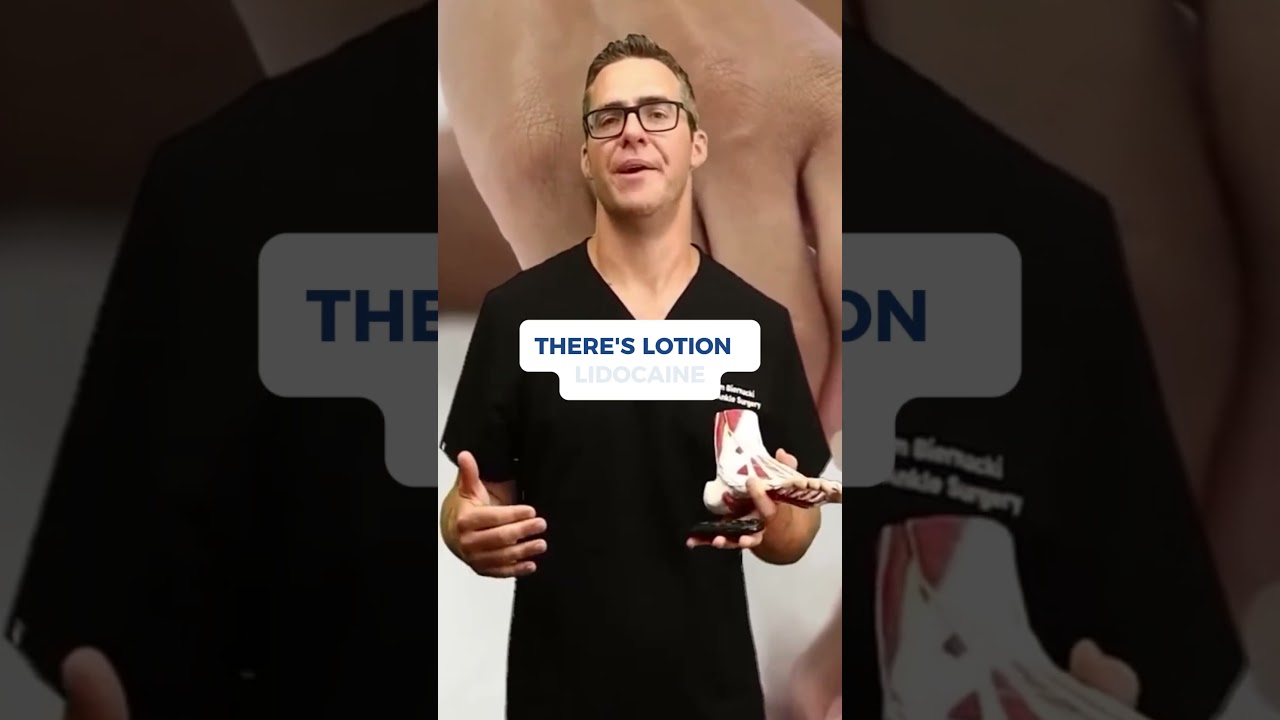

Tarsal tunnel syndrome — the foot’s equivalent of carpal tunnel syndrome in the wrist — results from compression of the posterior tibial nerve as it travels through the tarsal tunnel behind the inner ankle. Patients experience burning, tingling, electric shock-like pain, and numbness radiating into the sole and toes that worsens with standing and walking but may also disturb sleep. When conservative management has been genuinely exhausted, tarsal tunnel release surgery offers definitive decompression of the nerve with favorable long-term outcomes. At Balance Foot & Ankle, Dr. Tom Biernacki diagnoses tarsal tunnel syndrome precisely and performs surgical release with meticulous technique to maximize nerve recovery.
Anatomy of the Tarsal Tunnel
The tarsal tunnel is a fibro-osseous canal formed by the medial malleolus (inner ankle bone), the bones of the medial foot, and the overlying flexor retinaculum — a thick band of connective tissue that forms the tunnel’s roof. Passing through this tunnel are the posterior tibial nerve, the posterior tibial artery and veins, and the tendons of the tibialis posterior, flexor digitorum longus, and flexor hallucis longus muscles. The posterior tibial nerve, sandwiched between these structures, is vulnerable to compression when tunnel volume decreases or contents expand.
As it passes through the tarsal tunnel, the posterior tibial nerve divides into its terminal branches: the medial plantar nerve (supplying the medial three-and-a-half toes and medial plantar sole), the lateral plantar nerve (supplying the lateral one-and-a-half toes and lateral sole), and the medial calcaneal nerve (supplying heel skin sensation). Depending on which branch or branches are most compressed, symptoms localize accordingly — diffuse plantar burning suggests main trunk compression, while more isolated symptoms may indicate terminal branch entrapment.
Causes of Tarsal Tunnel Compression
Space-occupying lesions within the tunnel are the most identifiable cause: ganglia, lipomas, varicosities, accessory muscles (flexor digitorum accessorius longus), and bone spurs. Ankle trauma — including fractures and severe sprains — can cause scarring and fibrosis that tightens the tunnel. Posterior tibial tendon tenosynovitis increases the volume of the tendon sheath contents within the tunnel. Severe flat foot deformity changes the geometry of the tarsal tunnel, placing the posterior tibial nerve under traction. Systemic conditions including hypothyroidism, diabetes, and rheumatoid arthritis predispose to nerve entrapment through various mechanisms. Idiopathic compression — without identifiable structural cause — also occurs, particularly in patients with intrinsically tight tunnels.
Recognizing Tarsal Tunnel Syndrome
The classic symptom is a burning, aching, or electric pain in the sole of the foot — often described as “stepping on hot coals” or “electrical shocks.” Tingling and numbness in the toes and sole accompany the pain. Symptoms worsen with prolonged standing and walking and may improve with rest, only to return after continued activity. Night pain — disturbing sleep even without weight-bearing — occurs when nerve edema accumulates after a day of activity. The Tinel sign — reproduction of tingling by percussion over the tibial nerve behind the medial malleolus — is the key clinical finding, though its sensitivity is variable. Valleix phenomenon (pain radiating proximally up the leg with nerve percussion) confirms the nerve origin of symptoms.
Diagnostic Evaluation
Dr. Biernacki’s diagnostic workup for suspected tarsal tunnel syndrome is systematic and thorough. Weight-bearing foot and ankle X-rays evaluate for bony spurs, calcaneal fracture malunion, and flat arch deformity. MRI of the ankle provides the most important diagnostic information — identifying space-occupying lesions, ganglia, varicosities, and nerve signal abnormalities while excluding competing diagnoses. Ultrasound complements MRI by dynamically evaluating the tunnel contents and identifying compressive lesions in real time. Electrodiagnostic studies — nerve conduction velocity and electromyography — provide objective evidence of posterior tibial nerve dysfunction, help localize the level of entrapment, and establish a quantified baseline for monitoring recovery after surgical decompression. Surgical success is significantly higher in patients with confirmed electrodiagnostic abnormalities compared to those with purely clinical diagnoses.
Conservative Treatment Before Surgery
Conservative management provides adequate relief for a meaningful subset of tarsal tunnel patients, particularly those with mild-to-moderate symptoms. Custom orthotics addressing flat arch deformity reduce traction on the posterior tibial nerve. Activity modification limits provocative loading. NSAIDs reduce perineural inflammation. Physical therapy and soft tissue mobilization around the tarsal tunnel can improve nerve mobility. Corticosteroid injection into the tarsal tunnel — guided by ultrasound for accuracy — provides diagnostic confirmation and therapeutic benefit when it reduces symptoms. Night splinting reduces nerve edema from the day’s activities.
A 3–6 month trial of conservative care is typically recommended before surgical consideration. Patients with identifiable space-occupying lesions (ganglia, lipomas) may be offered earlier surgical intervention since the compressive cause is known and resolvable only by excision. Patients with severe, progressive neurological symptoms — significant motor weakness, dense numbness, objective nerve conduction slowing — may also be considered for earlier decompression to prevent permanent nerve damage.
Tarsal Tunnel Release: The Surgical Procedure
Dr. Biernacki performs tarsal tunnel release through a curved incision posterior and inferior to the medial malleolus, following the course of the posterior tibial nerve. After careful skin and subcutaneous tissue dissection, the flexor retinaculum is identified and divided under direct visualization from proximal to distal along its full extent. The posterior tibial nerve and its branches are meticulously traced and freed from any adhesions, fibrotic bands, or compressive structures. Space-occupying lesions — ganglia, lipomas, varicosities — are excised simultaneously. The medial and lateral plantar nerve branches are followed distally through their respective tunnels to ensure complete decompression at all levels. When the medial calcaneal branch courses through a separate fibrous tunnel, that structure is released independently.
Attention to surgical detail is paramount — incomplete release (leaving a distal point of constriction) is the most common cause of surgical failure. Excessive nerve manipulation produces postoperative dysesthesia. Tourniquet use provides a bloodless field during nerve dissection. The procedure is performed outpatient under ankle block or general anesthesia. A compressive dressing and splint are applied. Weight-bearing status depends on concurrent procedures — isolated release typically allows protected weight-bearing within a few days.
Recovery and Outcomes After Tarsal Tunnel Release
Nerve recovery after surgical decompression follows a predictable but individual timeline. Burning pain is often the first symptom to improve — frequently reported within the first 1–2 weeks. Tingling and numbness resolve more gradually as the nerve remodels — expect months rather than weeks for full sensory normalization. Motor recovery (when present preoperatively) is slowest. The final outcome is typically not fully apparent until 6–12 months post-surgery.
Success rates in the literature range from 75–90% when patients are properly selected based on objective diagnostic criteria. Factors predicting better outcomes include shorter symptom duration before surgery, confirmed electrodiagnostic abnormalities, identifiable space-occupying lesion as the cause, and absence of systemic neuropathy contributing to symptoms. Patients with severe or long-standing nerve compression may experience incomplete recovery even after technically successful decompression — realistic preoperative counseling is essential.
Dr. Tom's Product Recommendations
Orthofeet Coral Stretch Knit Shoes
⭐ Highly Rated
Extra-wide toe box, zero-drop footbed, and orthopedic insoles designed for neuropathic and sensitive feet. Ideal for tarsal tunnel patients who need maximal pressure relief and accommodative fit during conservative management or post-surgical recovery.
Dr. Tom says: “”My podiatrist recommended these for my nerve pain — the wide fit and cushioning finally let me walk without electric shocks.””
Tarsal tunnel syndrome, peripheral neuropathy, sensitive feet, post-surgical foot comfort
Style is functional rather than fashionable — not for patients prioritizing shoe aesthetics
Disclosure: We earn a commission at no extra cost to you.
Icy Hot Medicated Patch — Large
⭐ Highly Rated
Counter-irritant topical patch for symptomatic management of nerve-mediated foot burning during conservative tarsal tunnel treatment. Provides temporary peripheral pain modulation — useful adjunct for managing nighttime discomfort.
Dr. Tom says: “”Helped take the edge off the burning at night while I waited for my surgical evaluation — simple but surprisingly effective.””
Symptomatic nerve pain relief, tarsal tunnel conservative management, nighttime burning
Temporary symptomatic relief only — does not address nerve compression; use under physician guidance
Disclosure: We earn a commission at no extra cost to you.
✅ Pros / Benefits
- Tarsal tunnel release provides definitive decompression — 75–90% success in properly selected patients
- Outpatient procedure with manageable recovery — most patients return to normal footwear within 4–6 weeks
- Simultaneous excision of space-occupying lesions addresses root cause rather than just symptoms
- Burning pain often improves within the first 1–2 weeks — early post-surgical relief reassures patients
❌ Cons / Risks
- Nerve recovery takes 6–12 months — patients must maintain realistic expectations about recovery timeline
- Success rates are lower without objective electrodiagnostic confirmation — surgical selection requires rigorous criteria
- Incomplete release is the most common cause of failure — meticulous surgical technique is essential
- Systemic neuropathy (diabetic, hypothyroid) limits recovery even after technically successful decompression
Dr. Tom Biernacki’s Recommendation
Tarsal tunnel syndrome is one of the most frequently misdiagnosed conditions in foot and ankle medicine — patients go years being told it’s plantar fasciitis or neuropathy before someone finally examines the medial ankle carefully and finds the Tinel sign. Once we confirm the diagnosis with MRI and nerve conduction studies, the treatment path becomes much clearer. For patients who’ve failed conservative care, the release surgery is one of the most rewarding procedures I perform — watching someone who couldn’t walk through a grocery store without burning foot pain return to normal activity is exactly why I do this work.
— Dr. Tom Biernacki, DPM | Board-Certified Podiatric Surgeon | Balance Foot & Ankle
Frequently Asked Questions
How do I know if I have tarsal tunnel syndrome or plantar fasciitis?
The key distinction is symptom location and character. Plantar fasciitis produces sharp pain at the bottom of the heel, worst with the first few steps in the morning, that improves with continued walking. Tarsal tunnel syndrome produces burning, tingling, and numbness across the entire sole of the foot, often worsens with prolonged standing, may occur at rest or at night, and is often accompanied by electric shock sensations. Tapping behind the inner ankle (Tinel’s sign) reproduces tarsal tunnel symptoms. An MRI and nerve conduction study resolve any diagnostic uncertainty.
Is tarsal tunnel surgery risky?
Tarsal tunnel release is a well-established procedure with an excellent safety profile when performed by an experienced foot and ankle surgeon. The posterior tibial nerve and its branches are carefully identified and protected throughout the dissection. Risks include wound infection, scar sensitivity, transient worsening of nerve symptoms during early healing, and incomplete decompression requiring revision. Major neurovascular complications are rare with proper surgical technique. Dr. Biernacki discusses specific risks and mitigation strategies during preoperative consultation.
Can tarsal tunnel syndrome come back after surgery?
Recurrence or persistent symptoms can occur when the initial release was incomplete, when a compressive lesion was not fully excised, or when scar tissue forms around the nerve during healing. True recurrence after a complete, technically successful release is uncommon. When symptoms persist or recur, revision exploration with neurolysis (freeing the nerve from adhesions) and possible nerve wrapping can be considered. This is another reason why precise initial surgical technique and complete release are so critical.
How long until I can return to work after tarsal tunnel surgery?
Return-to-work timing depends on job demands. Desk workers can typically return within 1–2 weeks with a protective boot. Light-duty manual work is possible at 3–4 weeks. Full unrestricted physical work — including prolonged standing, climbing, and heavy lifting — typically requires 6–8 weeks minimum. Athletes return to running and sports at 3–4 months as nerve recovery progresses. Dr. Biernacki provides specific return-to-work documentation based on each patient’s occupation.
Michigan Foot Pain? See Dr. Biernacki In Person
4.9★ rated | 1,123 Reviews | 3,000+ Surgeries
Same-week appointments · Howell & Bloomfield Township
📞 (810) 206-1402 Book Online →Frequently Asked Questions
When should I see a podiatrist?
If symptoms persist past 2 weeks, affect your normal activity, or are accompanied by red-flag symptoms (warmth, redness, swelling, inability to bear weight).
What does treatment cost?
Most diagnostic visits and conservative treatments are covered by Medicare and major insurers. Out-of-pocket costs vary by your specific plan.
How quickly can I get an appointment?
Most non-urgent cases see us within 5 business days. Urgent cases (sudden pain, possible fracture) typically same or next business day.
Foot pain typically responds best to early podiatrist evaluation, conservative treatments such as supportive footwear and targeted physical therapy, and—when needed—custom orthotics or in-office procedures. Most patients see meaningful improvement within 4-6 weeks of starting a structured treatment plan. Schedule an evaluation at our Howell or Bloomfield Township office for a clinical assessment.
Visit Balance Foot & Ankle — Same-Day Appointments Available
Our podiatry team serves patients throughout Michigan including Howell, Brighton, and Bloomfield Township. If you’re dealing with heel pain, ingrown toenails, or a foot injury, we have same-day appointment availability.
OrthoInfo – AAOS: Tarsal Tunnel Syndrome
Ready to Get Relief?
Same-day appointments available in Howell & Bloomfield Township, MI
4.9★ | 1,123 Reviews | 3,000+ Surgeries
Or call: (810) 206-1402

Dr. Tom Biernacki, DPM is a board-certified foot & ankle surgeon (ABFAS & ABPM) at Balance Foot & Ankle Specialists in Southeast Michigan. With over a decade of clinical experience, he specializes in heel pain, bunions, diabetic foot care, sports injuries, and minimally invasive surgery. Dr. Biernacki is a member of the APMA and ACFAS, and his patient education content on MichiganFootDoctors.com and YouTube has made him one of the most-followed foot & ankle educators on YouTube.