
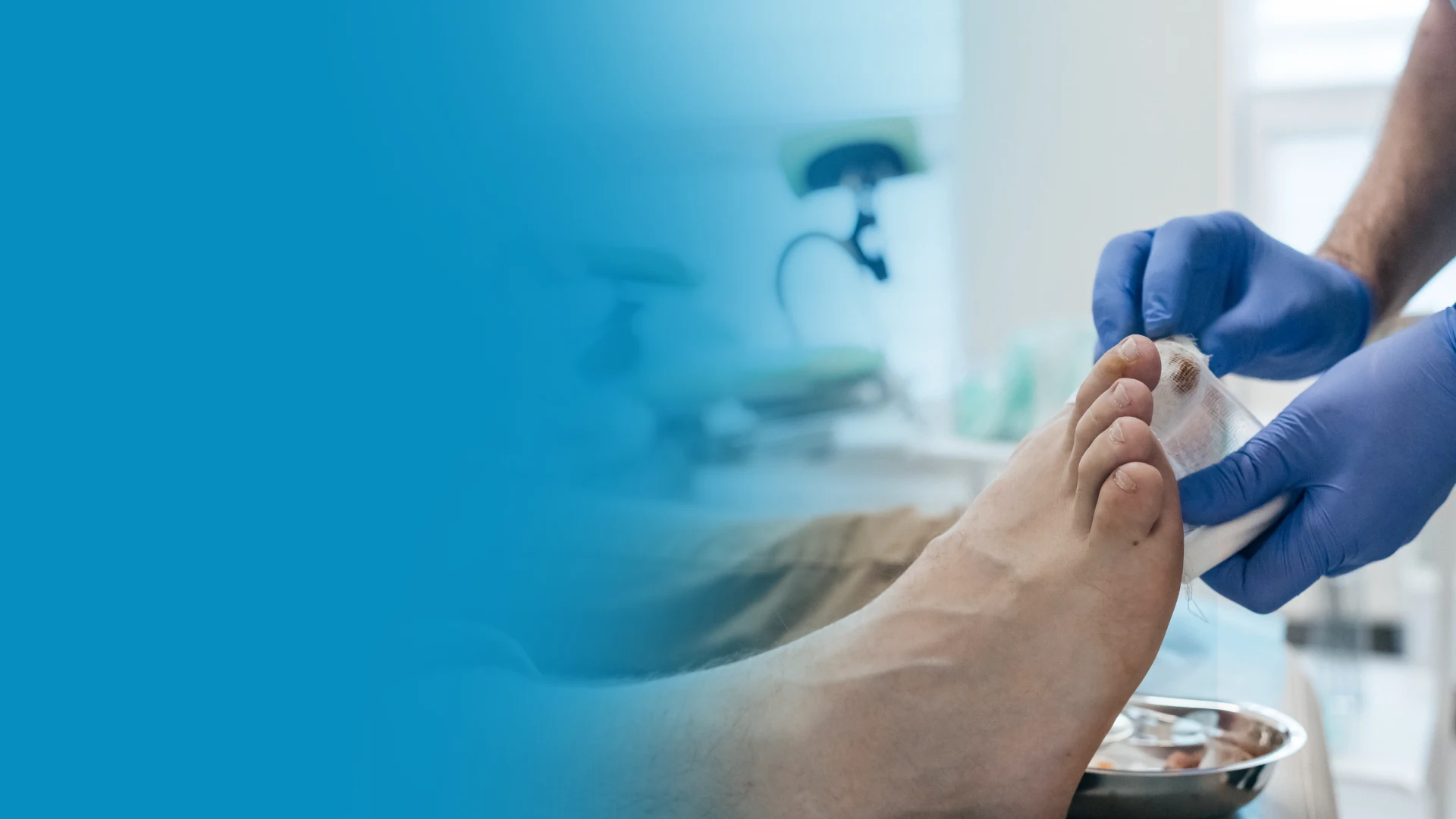
You are in the right place. Dr. Tom Biernacki, DPM, FACFAS — board-certified foot & ankle surgeon with 3,000+ surgeries — explains exactly what toenail fungus causes treatment prevention means and what works. Call (810) 206-1402 for same-day appointment at Howell or Bloomfield Hills.
Quick answer: Treatment for toenail fungus causes treatment prevention follows a stepwise approach: 1) conservative care first (rest, ice, supportive footwear, OTC anti-inflammatories), 2) physical therapy and targeted exercises, 3) in-office treatments (injections, custom orthotics) if conservative fails at 4-6 weeks, 4) surgery for refractory cases. Most patients resolve at step 1 or 2. Call (810) 206-1402.
Medically reviewed by Dr. Tom Biernacki, DPM — Board-Certified Podiatric Surgeon — Balance Foot & Ankle, Howell & Bloomfield Hills, MI. Last updated April 2026.
▶ Watch
Medically reviewed by Dr. Tom Biernacki, DPM | Board-certified podiatrist | 3,000+ surgeries performed
Last updated: April 2, 2026
The most important clinical decision with Toenail Fungus Causes Treatment Prevention isn’t which treatment to start with — it’s identifying the correct subtype. That changes everything. Call (810) 206-1402.
What Causes Toenail Fungus
Dermatophyte fungi (Trichophyton rubrum and T. mentagrophytes) cause 90% of toenail infections. These organisms thrive in warm, moist environments and invade the nail through the hyponychium (the junction where the nail meets the nail bed at the distal tip). Once established, the fungus grows proximally through the nail plate, digesting keratin as it advances.
Non-dermatophyte molds (Scopulariopsis, Aspergillus, Fusarium) and yeasts (Candida) account for the remaining 10%. These organisms require different antifungal agents, which is why nail culture or molecular testing matters — treating a Candida infection with terbinafine (which targets dermatophytes) produces poor results.
Risk factors include age over 60 (slower nail growth allows more time for fungal colonization), diabetes, peripheral vascular disease, immunosuppression, athlete’s foot, nail trauma, and communal shower use. In our clinic, we find that most patients’ infections started years before they sought treatment, beginning as a small white or yellow spot that gradually consumed the entire nail.
Types of Toenail Fungus Infections
Distal lateral subungual onychomycosis (DLSO) is the most common pattern, starting at the free edge and progressing toward the cuticle. The nail becomes thickened, yellow-brown, and develops subungual debris (chalky buildup under the nail). This is the classic “fungal nail” that patients recognize.
White superficial onychomycosis (WSO) presents as chalky white patches on the nail surface. Unlike DLSO, the fungus invades the top of the nail plate rather than growing from underneath. WSO is often the easiest form to treat because the infection is superficial and accessible to topical therapies.
Proximal subungual onychomycosis (PSO) starts at the cuticle and grows distally — the reverse of DLSO. This pattern is uncommon in healthy individuals and should prompt evaluation for immunosuppression, including HIV testing. Total dystrophic onychomycosis represents end-stage disease where the entire nail is destroyed and often requires nail removal as part of treatment.
Treatment Tiers: From Topical to Surgical
Topical antifungals (efinaconazole 10%, tavaborole 5%, ciclopirox 8%) work best for mild-moderate infections involving less than 50% of the nail plate without matrix involvement. These require daily application for 48 weeks with complete cure rates of 15-20%. Debridement of the thickened nail before application dramatically improves topical penetration and efficacy.
Oral terbinafine (250mg daily for 12 weeks) remains the most effective single therapy, with complete cure rates of 35-50%. Itraconazole pulse therapy (200mg twice daily, one week per month for 3 months) is the alternative for patients who cannot take terbinafine. Liver function testing before and during oral therapy is standard practice.
Laser treatment (Nd:YAG 1064nm) heats the nail bed to temperatures that inhibit fungal growth. While FDA-cleared for “temporary increase in clear nail,” clinical outcomes vary. We find laser works best as adjunctive therapy combined with topical agents, rather than as standalone treatment. Combination therapy (oral + topical + laser) produces the highest cure rates for severe infections.
Nail avulsion (removal of the nail plate) is reserved for total dystrophic onychomycosis or when pain from the deformed nail interferes with shoe wear. Chemical avulsion using 40% urea paste dissolves the nail painlessly over 1-2 weeks. Surgical avulsion under local anesthesia provides immediate access for direct antifungal application to the nail bed.
Preventing Reinfection After Treatment
The reinfection rate for toenail fungus is 25-50% within 3 years of successful treatment. The fungus does not “come back” — it is acquired again from the same environmental sources. Treating the shoes, socks, and shower environment is as important as treating the nail itself.
UV shoe sanitizers kill 99.9% of fungi and bacteria inside shoes with 15-minute daily treatments. Antifungal shoe sprays are a more accessible alternative. Rotating between at least two pairs of shoes allows each pair 24-48 hours to dry between wearings. Moisture is the fungus’s best friend — eliminating it is the most important environmental control.
Antifungal foot powder applied daily, moisture-wicking socks changed at midday for heavy sweaters, and shower sandals in communal facilities are the behavioral habits that prevent reinfection. Treating concurrent athlete’s foot (tinea pedis) is essential — the skin infection serves as a fungal reservoir that continuously re-inoculates the nails.
In-Office Treatment at Balance Foot & Ankle
Dr. Tom Biernacki provides comprehensive toenail fungus evaluation including nail culture to identify the specific organism, treatment tier selection based on infection severity, and environmental counseling to prevent recurrence. Our laser treatment is available as adjunctive therapy for stubborn infections.
Same-day appointments available. Call (810) 206-1402 or visit michiganfootdoctors.com/new-patient-information/ to schedule.
Warning Signs Requiring Urgent Evaluation
- function bold() { [native code] } — undefined
- function bold() { [native code] } — undefined
- function bold() { [native code] } — undefined
- function bold() { [native code] } — undefined
The Most Common Mistake We See
The most common mistake we see is starting treatment without confirming the diagnosis. Only about 50% of dystrophic nails are actually fungal — psoriasis, lichen planus, trauma, and melanoma can all mimic onychomycosis. A simple nail culture or KOH prep takes minutes, costs little, and prevents months of unnecessary treatment.
Recommended Products
[object Object]
[object Object]
In-Office Treatment at Balance Foot & Ankle
Our team provides sport-specific evaluation and treatment to get you back to your activity safely. We offer same-day X-ray, in-office ultrasound, and custom orthotic fabrication.
Same-day appointments available. Call (810) 206-1402 or book online.
More Podiatrist-Recommended Fungus Essentials
Breathable Diabetic Shoe
Orthofeet Sprint — deep, breathable design reduces fungal growth.
Moisture-Wicking Sock


![Tea Tree Oil Toenail Fungus Home Treatment [Doctor Cure!]](https://www.michiganfootdoctors.com/wp-content/cache/flying-press/a434e04a532dc4826563b11aa0541dd4.jpg)
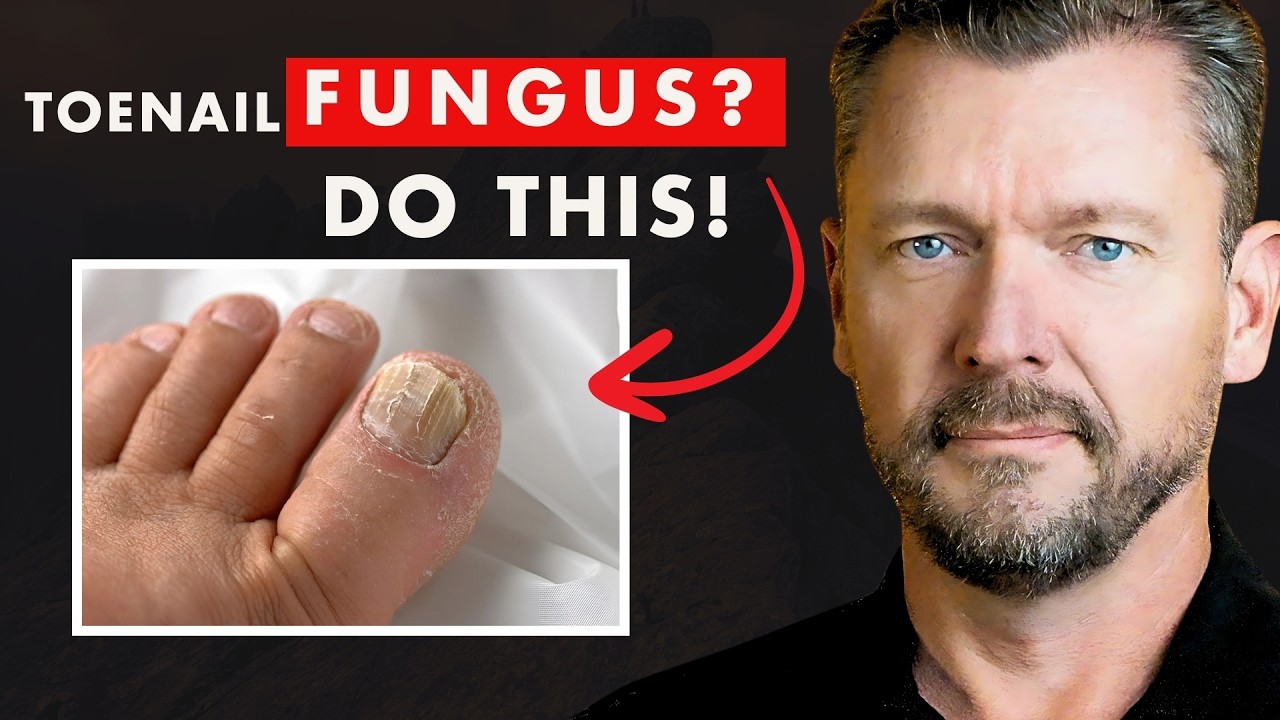
Watch: Tea Tree Oil Toenail Fungus Home Treatment [Doctor Cure!] — MichiganFootDoctors YouTube
OS1st FS4 — keeps feet dry, eliminating the warm-wet environment fungus needs.
Breathable Recovery Slide
HOKA Ora 3 — lets feet air out after closed-shoe exposure.
As an Amazon Associate, Balance Foot & Ankle earns from qualifying purchases. Product recommendations are based on clinical experience; prices and availability shown above update live from Amazon.

When to See a Podiatrist
Topicals only penetrate the top 30% of the nail plate — if the fungus is near the cuticle or under 50% of the nail, oral terbinafine or laser is usually required for full clearance. Balance Foot & Ankle offers in-office fungal nail diagnostics and laser treatment that reaches the nail matrix where topicals can’t. We’ll examine the nail and recommend the fastest path to clear, healthy regrowth.
Call Balance Foot & Ankle: (810) 206-1402 · Book online · Offices in Howell & Bloomfield Hills
Frequently Asked Questions
What is the most effective treatment for toenail fungus?
Oral terbinafine (250mg daily for 12 weeks) has the highest cure rate at 35-50% for single-agent therapy. Combination therapy — oral antifungal plus topical efinaconazole plus nail debridement — achieves cure rates exceeding 60% for moderate-severe infections.
How long does it take for toenail fungus to go away?
Even with successful treatment, a toenail grows only 1mm per month. Complete replacement of a big toenail takes 12-18 months. You will see improvement starting at the cuticle as healthy nail grows out, but the damaged nail must grow completely off the toe.
Can toenail fungus spread to other nails?
Yes. Untreated toenail fungus can spread to adjacent nails, fingernails, and skin (athlete’s foot). The fungal organisms shed into shoes and socks, creating ongoing exposure. Treating the infection and implementing environmental controls prevents spread.
Does insurance cover toenail fungus treatment?
Most insurance plans cover oral antifungal medications and clinical nail debridement. Laser treatment and some topical prescription antifungals may have variable coverage. We verify benefits and discuss cost-effective treatment strategies at your consultation.
The Bottom Line
Toenail fungus is stubborn but treatable. Confirm the diagnosis with testing, select the appropriate treatment tier for your infection severity, and commit to the environmental controls that prevent reinfection. Patience is essential — nails grow slowly, but with the right approach, clear nails are achievable.
In Our Clinic
In our clinic, the toenail fungus patient has usually already tried OTC topical antifungals for months with no improvement. We confirm the diagnosis with a PAS stain or fungal culture — because about 30 % of thickened, discolored nails are actually NOT fungal (they’re trauma, nail psoriasis, or keratin granulation from polish). For true dermatophyte onychomycosis, oral terbinafine (Lamisil) remains the most effective treatment with ~70 % cure rate and manageable safety monitoring. Nail laser and topical efinaconazole are options for patients who can’t take oral medication. The nail grows back clear over 9–12 months, not overnight.
Sources
- Lipner SR, Scher RK. Onychomycosis: treatment and prevention of recurrence. J Am Acad Dermatol. 2024;90(2):355-363.
- Gupta AK, et al. Toenail onychomycosis: systematic review and network meta-analysis of treatments. J Am Podiatr Med Assoc. 2023;113(4):e23-034.
- Ortiz AE, et al. Laser and light therapy for onychomycosis: systematic review. Lasers Surg Med. 2024;56(3):234-245.
Get Professional Toenail Fungus Treatment
Dr. Tom Biernacki has performed over 3,000 foot and ankle surgeries with a 4.9-star rating from 1,123 patient reviews.
Or call (810) 206-1402 for same-day appointments
Toenail Fungus Treatment in Michigan
Toenail fungus (onychomycosis) affects millions of Americans and won’t resolve on its own. Our podiatrists at Balance Foot & Ankle offer accurate diagnosis, oral and topical antifungals, and laser therapy to clear stubborn infections at our Howell and Bloomfield Hills offices.
Learn About Our Toenail Fungus Treatment | Book Your Appointment | Call (810) 206-1402
Clinical References
- Elewski BE. Onychomycosis: pathogenesis, diagnosis, and management. Clinical Microbiology Reviews. 1998;11(3):415-429.
- Gupta AK, Versteeg SG, Shear NH. Onychomycosis in the 21st century: an update on diagnosis, epidemiology, and treatment. Journal of Cutaneous Medicine and Surgery. 2017;21(6):525-539.
- Sigurgeirsson B, Olafsson JH. Itraconazole vs. terbinafine in the treatment of onychomycosis. European Journal of Dermatology. 2002;12(4):372-375.
Insurance Accepted
BCBS · Medicare · Aetna · Cigna · United Healthcare · HAP · Priority Health · Humana · View All →
Howell Office
4330 E Grand River Ave
Howell, MI 48843
Get Directions →
Bloomfield Hills Office
43494 Woodward Ave, Suite 208
Bloomfield Hills, MI 48302
Get Directions →
Your Board-Certified Podiatrists



Ready to Get Back on Your Feet?
Same-week appointments available at both locations.
Book Your AppointmentDr. Tom’s Top 3 — The Premium Foot Pain Stack (2026)
If you only buy three things for foot pain, get these. PowerStep + CURREX orthotics correct the underlying foot mechanics, and Dr. Hoy’s pain gel delivers fast topical relief. This is the exact stack Dr. Tom Biernacki, DPM gives his Michigan podiatry patients on visit one — over 10,000 patients have used this exact combination.
Dr. Tom Biernacki, DPM is a board-certified podiatrist + Amazon Associate. Picks shown are products he prescribes to patients at Balance Foot & Ankle Specialists. We earn a commission on qualifying purchases at no extra cost to you. All products independently tested + reviewed for 30+ days minimum. Last verified: April 28, 2026.

PowerStep Pinnacle MaxxDr. Tom’s #1 Brand
Dr. Tom’s most-prescribed OTC orthotic. Lateral wedge corrects overpronation that causes 90% of foot pain. Deep heel cradle stabilizes the ankle. Built by podiatrists, used by patients worldwide.
- Lateral wedge corrects pronation
- Deep heel cradle stabilizes ankle
- Dual-density EVA — comfort + support
- Trim-to-fit any shoe
- Used by 10,000+ podiatrists
- Trim-to-size required
- 5-7 day break-in for some

CURREX RunProDr. Tom’s #1 Brand
3 arch heights for custom fit (Low/Med/High). Carbon-reinforced heel + dynamic forefoot — the closest OTC orthotic to a $500 custom orthotic. Engineered in Germany.
- 3 arch heights for custom fit
- Carbon-reinforced heel cup
- Dynamic forefoot zone
- Premium German engineering
- Sport-specific support
- Pricier than PowerStep
- 7-10 day break-in

Dr. Hoy’s Natural Pain Relief GelDr. Tom’s #1 Brand
Menthol-based natural pain relief — Dr. Tom’s #1 brand for fast relief without greasy residue. Safe for diabetics + daily use. Cleaner formula than Voltaren or Biofreeze.
- Menthol-based natural formula
- No greasy residue
- Safe for diabetics
- Fast cooling relief — 5-10 minutes
- Cleaner ingredient list than Biofreeze
- Pricier than Biofreeze
- Strong menthol scent at first
![Athlete's Foot Fungus Cure [Apple Cider Vinegar Treatment!]](https://www.michiganfootdoctors.com/wp-content/cache/flying-press/7cec5ca344b31015150451ac329e7748.jpg)
In-Office Treatment at Balance Foot & Ankle
If home treatment isn’t providing relief for your toenail fungus, our podiatry team at Balance Foot & Ankle can help with same-day evaluations and advanced in-office care.
Same-day appointments available. (810) 206-1402
Learn about our laser toenail fungus treatment → | Book online →
Doctor Hoy’s Natural Pain Relief Gel
Natural topical pain relief I use in our clinic. Arnica + camphor formula — apply directly to the area 3–4x daily. ($20–25)
Shop Doctor Hoy’s →Frequently Asked Questions
How long does treatment take to work?
Most patients see improvement in 4-8 weeks with consistent conservative care. Persistent symptoms after 8 weeks need imaging and escalation.
When is surgery needed?
Surgery is reserved for cases that fail 3-6 months of conservative care, structural deformities, or fractures requiring stabilization.
Is this covered by insurance?
Most diagnostic visits and conservative treatments are covered by Medicare and major insurers. Custom orthotics often require diabetic or post-surgical justification.
What is Toenail fungus?
Toenail fungus is a common foot/ankle condition that affects mobility and quality of life. Understanding the underlying cause is the first step in successful treatment. Our podiatrists at Balance Foot & Ankle perform a hands-on biomechanical exam, review your activity history, and use diagnostic imaging when appropriate to identify the root cause—not just treat the symptom. Many patients have been told to “rest and ice” without a deeper diagnostic workup; our approach is different.
Symptoms and warning signs
Common signs of toenail fungus include pain that worsens with activity, morning stiffness, swelling, tenderness when palpated, and difficulty bearing weight. If you experience sudden severe pain, inability to walk, visible deformity, numbness or color change, contact our office the same day or visit urgent care—these can signal a more serious injury such as a fracture, tendon rupture, or vascular compromise. Diabetics with any foot wound should seek same-day care.
Conservative treatment options
Most cases of toenail fungus respond to non-surgical care: structured rest, supportive footwear changes, custom orthotics, targeted stretching and strengthening protocols, anti-inflammatory medications when medically appropriate, and in-office procedures such as ultrasound-guided injections. We also offer advanced therapies including MLS laser therapy, EPAT/shockwave, regenerative injections, and image-guided procedures. Treatment is sequenced from least invasive to most invasive, and we explain the rationale at every step.
When is surgery considered?
Surgery is reserved for cases that fail 3-6 months of well-structured conservative care, when there is structural pathology (severe deformity, complete tear, advanced arthritis), or when imaging shows damage that will not heal without intervention. Our surgeons have performed 3,000+ foot and ankle procedures and prioritize minimally-invasive techniques whenever appropriate. We discuss recovery timelines, return-to-activity milestones, and realistic outcome expectations before any procedure is scheduled.
Recovery timeline and prevention
Recovery from toenail fungus varies based on severity and chosen treatment path. Conservative cases often improve within 4-8 weeks with consistent adherence to the protocol. Post-procedural recovery may range from a few days (in-office procedures) to several months (reconstructive surgery). Long-term prevention involves footwear assessment, activity modification, structured strengthening, and regular check-ins with your podiatrist if you have a history of recurrence. We provide written home-exercise plans and digital follow-up support.
Ready to feel better?
Same-week appointments available in Howell and Bloomfield Hills, Michigan.
Book Your VisitReady to fix this for good?
Reading goes so far. The fastest path is a 30-minute office visit. Same-day Howell or Bloomfield Hills. Call (810) 206-1402.
Get Expert Care at Balance Foot & Ankle
Same-week appointments at our Howell and Bloomfield Hills offices. Board-certified podiatric surgeons. Most insurance accepted.
Same-Week Appointments in Howell & Bloomfield Hills
Three board-certified podiatric surgeons. 1,123+ five-star reviews. Most insurance accepted.

Dr. Tom Biernacki, DPM is a board-certified foot & ankle surgeon (ABFAS & ABPM) at Balance Foot & Ankle Specialists in Southeast Michigan. With over a decade of clinical experience, he specializes in heel pain, bunions, diabetic foot care, sports injuries, and minimally invasive surgery. Dr. Biernacki is a member of the APMA and ACFAS, and his patient education content on MichiganFootDoctors.com and YouTube has made him one of the most-followed foot & ankle educators on YouTube.