
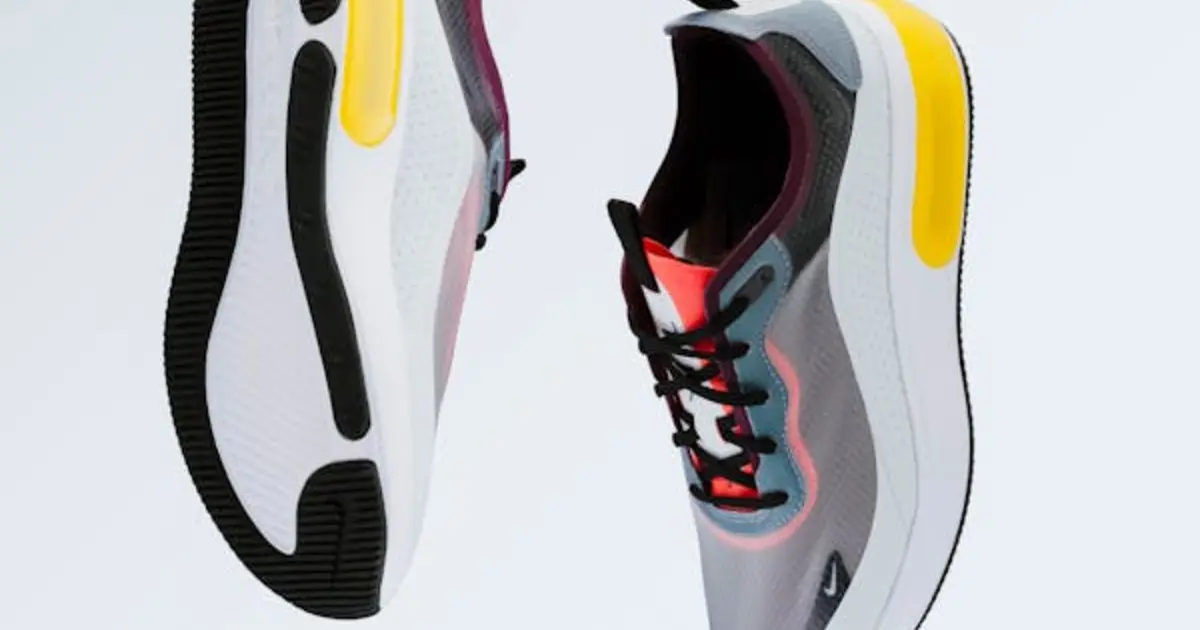
Zero drop shoes have no height difference between the heel and the forefoot — the foot sits in a flat, level position as it would barefoot. Traditional running shoes have 8-12mm of heel drop; maximalist trail shoes can reach 24mm. Zero drop shoes are promoted for natural gait mechanics, but they carry genuine injury risks during transition and are contraindicated for some populations. This review presents the evidence on both sides.
Zero Drop vs. Standard Drop Shoes: Biomechanical Comparison

| Feature | Zero Drop (0mm) | Moderate Drop (8-10mm) | High Drop (12mm+) |
|---|---|---|---|
| Foot strike pattern | Encourages midfoot or forefoot contact | Compatible with all strike patterns | Facilitates heel striking; reduces plantarflexor load |
| Achilles/calf load | High — significant eccentric load at push-off | Moderate | Lower — heel elevation reduces Achilles stretch |
| Plantar fascia load | Moderate — windlass mechanism engaged through full range | Moderate | Lower — heel elevation partially offloads fascia at insertion |
| Knee and hip load | Reduces patellofemoral and knee flexion load in midfoot strikers | Neutral | May increase knee load with heavy heel striking overstride |
| Tibial stress (transition) | Higher during transition phase (forefoot strike shifts load to tibia) | Baseline | Lower during transition from high-drop |
Who Benefits and Who Should Avoid Zero Drop Shoes
| Patient Profile | Zero Drop Appropriate? | Rationale | Recommended Drop |
|---|---|---|---|
| Experienced runner; no current injury; high mileage base | Yes — with gradual transition | Biomechanical adaptation is possible over 8-12 weeks | Transition from current drop by 4mm increments over months |
| Achilles tendinopathy (insertional) | Avoid | Zero drop increases Achilles stretch at insertional level — worsens insertional tendinopathy | 12mm+ heel drop; heel lift inside shoe |
| Achilles tendinopathy (mid-portion) | Cautious — may help | Loading the tendon through range with eccentric calf work is therapeutic for mid-portion | 4-8mm drop with supervised eccentric protocol |
| Plantar fasciitis (active) | Avoid during acute phase | Reduced heel cushioning increases calcaneal impact; full range fascia loading worsens acute pain | 10-12mm during acute phase; trial of lower drop in recovery |
| Flat feet (hyperpronation) | Only with motion control features | Zero drop without arch support increases pronation load | Zero drop WITH posted arch support; or standard drop with motion control |
| Older adults; deconditioned plantarflexors | Avoid | Insufficient Achilles/calf strength to handle increased eccentric demand | 8-10mm; focus on calf strengthening before any drop reduction |
At Balance Foot & Ankle in Howell and Bloomfield Township, we advise runners on footwear selection including heel drop considerations as part of injury evaluation and running gait assessment. Call (810) 206-1402.
PubMed: Zero-Drop Shoe Biomechanics
Our podiatrists treat the underlying cause, not just the symptom. Same-week appointments at our Howell and Bloomfield Township, Michigan offices.
Same-Week Appointments in Howell & Bloomfield Township
Three board-certified podiatric surgeons. 1,123+ five-star reviews. Most insurance accepted.
For a complete clinical overview: Podiatrist-Recommended Shoes Guide — shoe recommendations for every foot condition
What makes a shoe podiatrist-recommended?
Wide toe box, firm heel counter, adequate arch support, cushioned midsole, and at least a thumb-width of space past the longest toe.
How often should I replace my shoes?
Every 300-500 miles or 6-12 months — whichever comes first. Compressed midsole or worn outsole signals replacement time.
Doctor Answer
What are the benefits of zero drop shoes?
Zero drop shoes place the heel and forefoot at the same height, promoting a more natural forefoot or midfoot strike pattern. Benefits can include reduced knee loading and improved posture for experienced natural runners. However, transitioning too quickly dramatically increases Achilles tendinopathy and calf strain risk. I recommend a very gradual transition over 3-6 months with significant walking before running, and they are not appropriate for all foot types or those with pre-existing Achilles conditions.

Dr. Tom Biernacki, DPM is a board-certified foot & ankle surgeon (ABFAS & ABPM) at Balance Foot & Ankle Specialists in Southeast Michigan. With over a decade of clinical experience, he specializes in heel pain, bunions, diabetic foot care, sports injuries, and minimally invasive surgery. Dr. Biernacki is a member of the APMA and ACFAS, and his patient education content on MichiganFootDoctors.com and YouTube has made him one of the most-followed foot & ankle educators on YouTube.