
Medically reviewed by Dr. Tom Biernacki, DPM
Board-certified podiatric surgeon | Balance Foot & Ankle, Howell & Bloomfield Township, MI
Last reviewed: May 2026

Quick answer: Treatment for accessory navicular treatment follows a stepwise approach: 1) conservative care first (rest, ice, supportive footwear, OTC anti-inflammatories), 2) physical therapy and targeted exercises, 3) in-office treatments (injections, custom orthotics) if conservative fails at 4-6 weeks, 4) surgery for refractory cases. Most patients resolve at step 1 or 2. Call (810) 206-1402.
The most important clinical decision with Accessory Navicular Treatment isn’t which treatment to start with — it’s identifying the correct subtype. That changes everything. Call (810) 206-1402.
What Is an Accessory Navicular?
The navicular is the keystone of the medial arch. An accessory navicular is a secondary ossification center — an extra bone or bony process adjacent to the navicular — that fails to fuse with the main navicular bone during development. It is present in approximately 10% of the population, occurring equally in males and females. Most are asymptomatic and discovered incidentally on X-ray. Symptoms develop when mechanical stress causes inflammation at the synchondrosis (the fibrocartilaginous connection between the accessory bone and the main navicular).
Types and Symptoms
Type I (Os Tibiale Externum) — Small round ossicle in the posterior tibial tendon. Rarely symptomatic. Incidental finding.
Type II (True Accessory Navicular) — Larger accessory bone connected to the navicular by fibrocartilage. Most symptomatic type. The tibialis posterior tendon inserts on both bones — pulling on the accessory during activity causes pain at the medial arch. Classic presentation: inner arch pain, visible and palpable medial bony prominence, flat feet, pain with activity in adolescence.
Type III (Cornuate Navicular) — Fully fused accessory bone, forming an enlarged navicular. Typically asymptomatic or causing only shoe-fitting issues.
Treatment
Conservative treatment resolves symptoms in the majority of adolescent patients: activity modification and rest, medial arch orthotics (offloading the prominence), UCBL-type orthotic for significant flatfoot associated deformity, physical therapy for tibialis posterior strengthening, boot immobilization for acute flares. Surgery is indicated for cases failing 4–6 months of conservative care: the Kidner procedure involves excision of the accessory bone and advancement of the tibialis posterior tendon to improve its mechanical advantage. Success rates are high (~90%) for well-selected patients.
In-Office Treatment at Balance Foot & Ankle
If home treatment isn’t providing relief for your foot and ankle conditions, our podiatry team at Balance Foot & Ankle can help with same-day evaluations and advanced in-office care.
Frequently Asked Questions
Is an accessory navicular always painful? No. Approximately 10% of people have an accessory navicular, but only a fraction are symptomatic. Symptoms typically develop in adolescence during growth spurts when the synchondrosis is stressed by increased activity levels.
Can accessory navicular cause flat feet? Yes. The accessory navicular alters the mechanical insertion of the posterior tibial tendon, reducing its ability to support the medial arch. This is why flat feet are frequently associated with symptomatic accessory navicular.
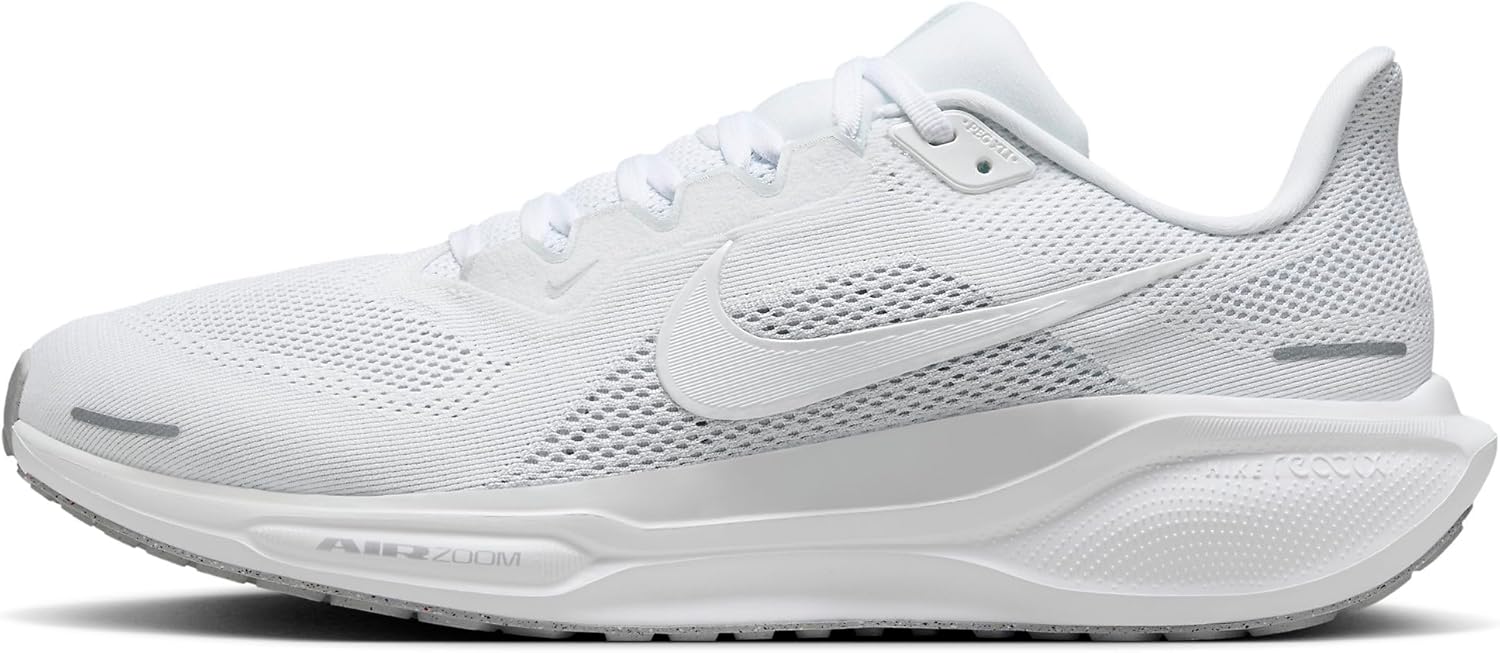
When Shoes Aren’t Enough — Dr. Tom’s Top 9 Orthotics
About 30% of patients I see for foot pain need MORE than a great shoe — they need a structured insole. Below: my complete 2026 orthotic ranking with pros, cons, and the specific patient I’d give each one to.




Frequently Asked Questions
How long does treatment take to work?
Most patients see improvement in 4-8 weeks with consistent conservative care. Persistent symptoms after 8 weeks need imaging and escalation.
When is surgery needed?
Surgery is reserved for cases that fail 3-6 months of conservative care, structural deformities, or fractures requiring stabilization.
Is this covered by insurance?
Most diagnostic visits and conservative treatments are covered by Medicare and major insurers. Custom orthotics often require diabetic or post-surgical justification.
OrthoInfo – AAOS: Accessory Navicular Syndrome
Ready to Get Relief?
Same-day appointments available in Howell & Bloomfield Township, MI
4.9★ | 1,123 Reviews | 3,000+ Surgeries
Or call: (810) 206-1402

Dr. Tom Biernacki, DPM is a board-certified foot & ankle surgeon (ABFAS & ABPM) at Balance Foot & Ankle Specialists in Southeast Michigan. With over a decade of clinical experience, he specializes in heel pain, bunions, diabetic foot care, sports injuries, and minimally invasive surgery. Dr. Biernacki is a member of the APMA and ACFAS, and his patient education content on MichiganFootDoctors.com and YouTube has made him one of the most-followed foot & ankle educators on YouTube.