

You are in the right place. Dr. Tom Biernacki, DPM, FACFAS — board-certified foot & ankle surgeon with 3,000+ surgeries — explains exactly what Achilles tendon rupture treatment means and what actually works. Call (810) 206-1402 for a same-day appointment at our Howell or Bloomfield Hills office.
Quick answer: Treatment for achilles tendon rupture treatment recovery michigan follows a stepwise approach: 1) conservative care first (rest, ice, supportive footwear, OTC anti-inflammatories), 2) physical therapy and targeted exercises, 3) in-office treatments (injections, custom orthotics) if conservative fails at 4-6 weeks, 4) surgery for refractory cases. Most patients resolve at step 1 or 2. Call (810) 206-1402.
Medically reviewed by Dr. Tom Biernacki, DPM · Board-Certified Podiatric Surgeon · Last reviewed: April 2026 · Editorial Policy
The most important clinical decision with Achilles Tendon Rupture Treatment Recovery Michigan isn’t which treatment to start with — it’s identifying the correct subtype. That changes everything. Call (810) 206-1402.
Quick Answer
Achilles Tendon Rupture: Surgical vs. Non-Surgical Treatment relates to Achilles tendonitis — typically caused by sudden activity increase. Most patients improve in 8-12 weeks with conservative care. Same-week appointments in Howell + Bloomfield Hills: (810) 206-1402.
Medically reviewed by Dr. Tom Biernacki, DPM — Board-Certified Podiatric Surgeon — Balance Foot & Ankle, Howell & Bloomfield Hills, MI. Last updated April 2026.
▶ Watch
👟 Dr. Tom Also Recommends
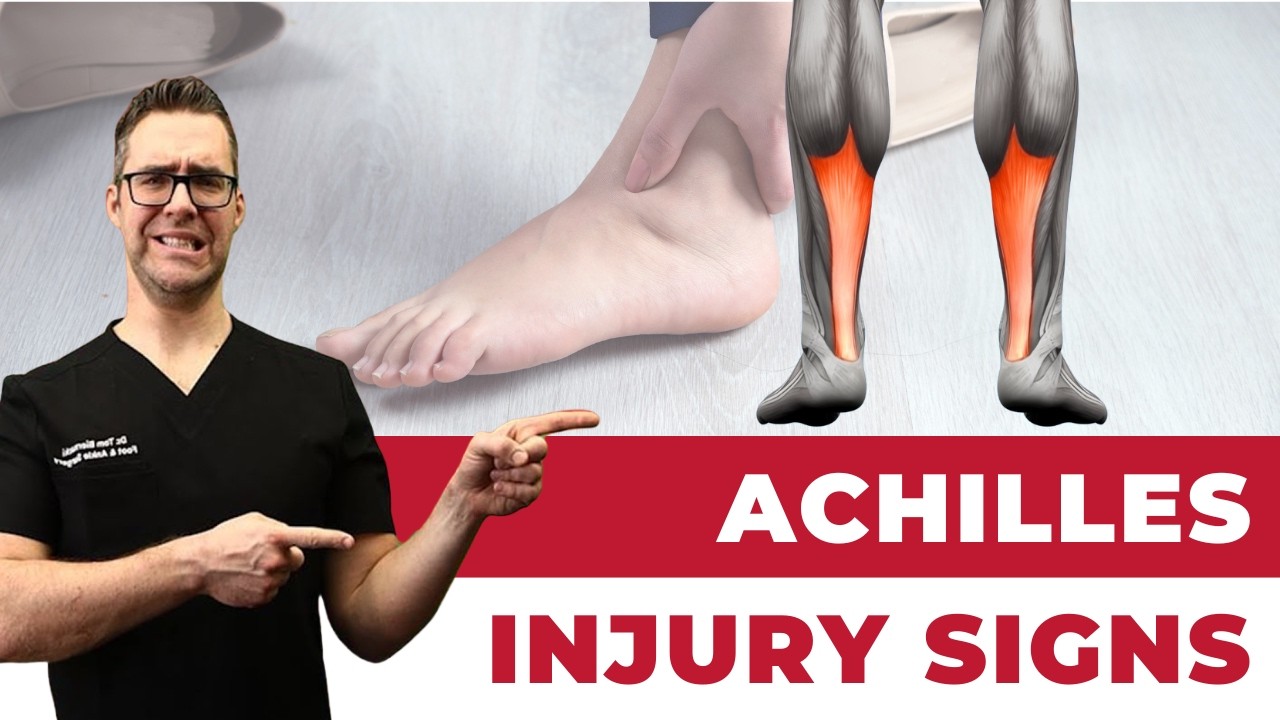
Podiatrist Recommended Shoes 2026: Dr. Tom’s Top Picks for Every Condition
The right footwear can make or break your recovery. Dr. Tom’s complete guide to the best shoes for plantar fasciitis, flat feet, neuropathy, bunions & more — with clinical picks for every foot type.
See Dr. Tom’s Top Shoe Picks →Medically Reviewed by Dr. Tom Biernacki, DPM — Board-Certified Podiatrist, Balance Foot & Ankle Specialists, Michigan. Last updated April 2026.
An Achilles tendon rupture is one of the most dramatic acute injuries in podiatry — typically occurring in recreational athletes aged 30–50 during a sudden eccentric loading event (basketball, tennis, sprinting). The classic presentation is unmistakable: a sudden “pop” felt or heard at the back of the heel, followed by the inability to push off normally, often with the patient mistakenly believing they were kicked or struck. The decision between surgical repair and functional rehabilitation significantly affects recovery timeline and re-rupture risk — and this decision is nuanced.
Mechanism and Who It Affects
Achilles tendon ruptures occur at the “critical zone” — the area 2–6 cm proximal to the calcaneal insertion, where blood supply is most tenuous. The typical patient is a 35–50 year old male (“weekend warrior”) engaging in recreational sport after a period of relative inactivity; the tendon has undergone chronic degenerative changes (tendinosis) that weaken it, even without prior symptomatic tendinopathy. Women rupture at lower rates (male:female ratio approximately 5:1) but with similar mechanism. Quinolone antibiotics (ciprofloxacin, levofloxacin) increase rupture risk 3–4 fold — a history of recent quinolone use should be noted.
Diagnosis: The Thompson Test
The Thompson (Simmonds) test is the definitive clinical test for complete Achilles rupture. The patient lies prone with feet hanging off the table; the examiner squeezes the calf muscle. Normal: the foot plantarflexes. Positive test (rupture): squeezing the calf produces no plantarflexion — the mechanical linkage between calf and foot is broken.
- Thompson test: The single most reliable clinical test; sensitivity ~96%, specificity ~93% for complete rupture
- Palpable gap: A palpable defect 2–6 cm above the heel in acute injuries before swelling fills in
- Inability to perform single-leg heel rise: Important — many patients with complete rupture can still walk because the flexor hallucis longus and flexor digitorum longus provide some plantarflexion
- MRI: Confirms rupture, determines gap length, and characterizes tendon quality; important for surgical planning and distinguishing complete from partial rupture
- Ultrasound: Dynamic imaging; can assess gap length under positioning; useful when MRI is not immediately available
Surgical vs. Non-Surgical: The Evidence
The surgical vs. non-surgical debate for Achilles rupture has shifted significantly in the past decade. Both approaches are legitimate options — the choice depends on patient age, activity demands, medical comorbidities, and time to presentation.
- Re-rupture rates: Early studies showed surgical repair had significantly lower re-rupture rates; recent functional rehabilitation protocols (early controlled motion, progressive loading) have reduced non-surgical re-rupture rates to approximately 3–4% — comparable to surgical rates of 2–3%
- Return to sport: Surgical repair provides earlier return to sport by approximately 4–8 weeks; at 12 months, functional outcomes are similar between well-managed surgical and non-surgical groups
- Complication differences: Surgical repair carries risk of wound complications (5–10%), sural nerve injury (2–5%), and deep infection (1–2%) — particularly significant in diabetic, obese, and smoker patients; non-surgical avoids these wound risks
- Current consensus: Surgical repair is preferred for: athletes with high return-to-sport demands, competitive athletes, patients with large gaps (>5mm on dynamic ultrasound in equinus), and delayed presentations. Non-surgical functional rehabilitation is appropriate for: older patients (>65), sedentary/low-demand patients, those with diabetes or wound healing risk factors, and those who present within 48–72 hours (gap can be closed by equinus positioning)
Surgical Repair: Procedure and Recovery
Open repair involves a medial posterior approach; the tendon ends are identified, debrided, and reapproximated with heavy non-absorbable suture (Krackow technique or variations). Minimally invasive techniques reduce wound complication risk by avoiding large incisions. An internal brace augmentation (FiberTape) increases construct strength and may allow earlier weight-bearing.
- Post-operative protocol: Non-weight-bearing splint × 2 weeks; transition to boot with heel wedges; progressive weight-bearing 4–6 weeks; physical therapy begins at 6–8 weeks; running at 4–6 months; full return to sport at 6–9 months
- Key milestone: Single-leg heel rise is the return-to-sport criterion; most patients achieve this at 4–6 months post-repair
Non-Surgical Functional Rehabilitation Protocol
The key to successful non-surgical management is early controlled loading — not prolonged immobilization. The HKCO (Hippocrates) protocol and ACL-style early weight-bearing protocols have demonstrated outcomes comparable to surgery in properly selected patients.
- Week 0–2: Equinus cast or boot at 20–30 degrees plantarflexion; NWB; Achilles gap closes in plantarflexion position
- Week 2–6: Progressive weight-bearing in boot with heel wedges (reducing by 5 degrees per week)
- Week 6–12: Walking boot neutral; physical therapy for range of motion and progressive calf loading
- Week 12+: Progressive return to running protocol; single-leg heel rise target
- Return to sport: Typically 9–12 months for non-surgical; slightly longer than surgical but comparable long-term outcomes
Most Common Mistake
The most common mistake: treating an Achilles rupture with prolonged cast immobilization in equinus without early weight-bearing. Traditional plaster cast management for 8–12 weeks produces worse outcomes than modern functional rehabilitation due to muscle atrophy, tendon creep (elongation under static tension), and significant deconditioning. Current evidence-based protocols introduce weight-bearing by week 2–4 regardless of whether surgery was performed. The goal is controlled, progressive loading — not immobilization.
Achilles Rupture Management at Balance Foot & Ankle
Dr. Biernacki evaluates Achilles ruptures with clinical examination (Thompson test), in-office ultrasound for gap assessment, and MRI ordering for surgical planning. The surgical vs. non-surgical decision is made collaboratively based on individual patient factors. Schedule a same-day evaluation or call (810) 206-1402. Same-day evaluation is essential — delayed rupture management within 48–72 hours allows conservative treatment options.
Dr. Tom’s Recommended Insoles
📍 Located in Michigan?
Our board-certified podiatrists treat this condition at two convenient locations. Same-day appointments often available.
PowerStep is the brand I prescribe most — medical-grade OTC support without the custom orthotic price tag.
- PowerStep Pinnacle Insoles — The OTC orthotic I recommend most — medical-grade arch support at a fraction of custom orthotic cost. Works in most shoes.
- PowerStep Maxx Insoles — For severe arch pain or flat feet — maximum correction and support when Pinnacle isn’t enough.
Affiliate disclosure: As an Amazon Associate, Balance Foot & Ankle earns from qualifying purchases. We only recommend products we trust for our own patients.
👟 Dr. Tom’s Pick: CURREX RunPro Insoles for Runners
CURREX RunPro are biomechanically tuned running insoles with 3 arch profiles (low, medium, high) to match your foot type. Unlike generic insoles, they’re engineered specifically for the high-impact demands of running — reducing pronation stress and metatarsal loading.
View CURREX RunPro on Amazon →📧 Get Dr. Tom’s Free Lab Test Guide
Discover the 5 lab tests every person over 35 should ask their doctor about — explained in plain English by a board-certified physician.
Affiliate disclosure: As an Amazon Associate, Balance Foot & Ankle earns from qualifying purchases.
Join 950,000+ Learning About Foot Health
Dr. Tom shares honest medical advice, supplement reviews, and treatment guides you won’t find anywhere else.
Subscribe on YouTube →
Insurance Accepted
BCBS · Medicare · Aetna · Cigna · United Healthcare · HAP · Priority Health · Humana · View All →
Howell Office
4330 E Grand River Ave
Howell, MI 48843
Get Directions →
Bloomfield Hills Office
43494 Woodward Ave, #208
Bloomfield Hills, MI 48302
Get Directions →
Your Board-Certified Podiatrists



Ready to Get Back on Your Feet?
Same-week appointments available at both locations.
Book Your AppointmentIn Our Clinic
Most Achilles tendonitis patients we see at Balance Foot & Ankle are recreational runners in their 40s or 50s who ramped up mileage too quickly, plus a second cohort of middle-aged women who recently switched from heels to flat shoes. The first question we ask is whether the pain is at the insertion on the heel bone versus 2–6 cm up the mid-substance — the treatment ladder is genuinely different. Eccentric heel-drops, heel lifts, and a soft-strike gait retraining pass resolve ~80 % of cases. The ones who aren’t improving by week 8 usually have an unrecognized Haglund’s deformity or insertional calcific tendinosis that needs imaging.
More Podiatrist-Recommended Achilles Essentials
Achilles Night Splint
United Ortho dorsiflexion splint — reduces morning Achilles tendon stiffness.
Cushioned Running Shoe


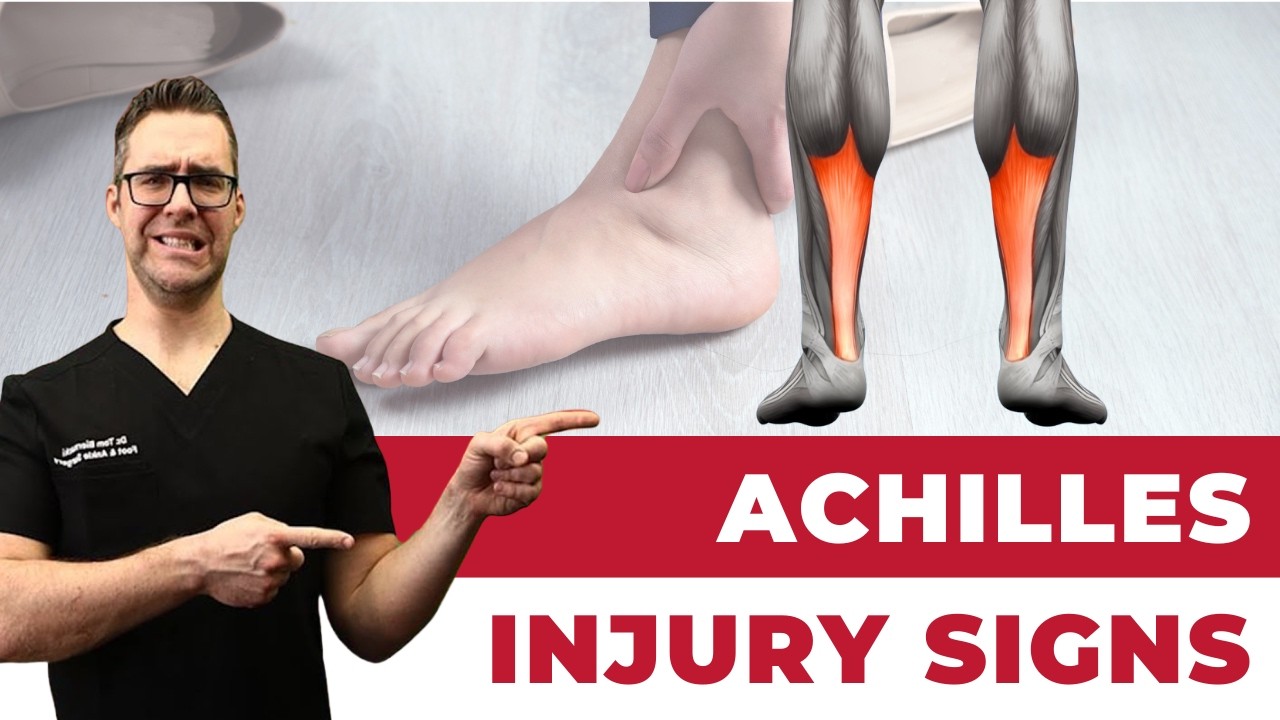
Watch: Torn Achilles Tendon Rupture — MichiganFootDoctors YouTube
Hoka Clifton 10 — max-heel-cushion offloads the Achilles with every step.
Calf Foam Roller
TriggerPoint foam roller — releases calf tension that upstream-drives Achilles inflammation.
As an Amazon Associate, Balance Foot & Ankle earns from qualifying purchases. Product recommendations are based on clinical experience; prices and availability shown above update live from Amazon.
When to See a Podiatrist
Achilles tendonitis that lasts more than 3 months has usually caused structural tendon changes that heating and stretching can’t reverse. Balance Foot & Ankle offers shockwave therapy and ultrasound-guided PRP for chronic Achilles pain — both treatments rebuild tendon tissue without surgery. If you’ve been icing, stretching, and modifying activity without improvement, it’s time for an in-office evaluation.
Call Balance Foot & Ankle: (810) 206-1402 · Book online · Offices in Howell & Bloomfield Hills
Pros & Cons of Conservative Care for Achilles tendonitis
Advantages
- ✓ Eccentric heel drops 80%+ effective
- ✓ Conservative treatment first
- ✓ Strong recovery prognosis
Considerations
- ✗ Recovery 8-12 weeks typical
- ✗ Risk of rupture if ignored
- ✗ Surgery required if rupture
Dr. Tom’s Recommended Products for Achilles tendonitis
Affiliate disclosure: As an Amazon Associate, Balance Foot & Ankle earns from qualifying purchases. We only recommend products we use with patients.
TriggerPoint Footballer Dr. Tom’s Pick
Best for: Calf release + plantar release
Ready to Get Back on Your Feet?
Same-day appointments in Howell + Bloomfield Hills. Most insurance accepted. Dr. Tom Biernacki, DPM & team.
Book Today — Same-Day Appointments Available
Call Now: (810) 206-1402
About Your Care Team at Balance Foot & Ankle
Dr. Tom Biernacki, DPM · Board-Certified Foot & Ankle Surgeon. Specializes in conservative-first care, minimally invasive bunion surgery, and complex reconstruction.
Dr. Carl Jay, DPM · Accepting new patients. Specializes in sports medicine, athletic injuries, and routine podiatric care.
Dr. Daria Gutkin, DPM, AACFAS · Accepting new patients. Specializes in surgical reconstruction and pediatric podiatry.
Locations: 4330 E Grand River Ave, Howell, MI 48843 · 43494 Woodward Ave Suite 208, Bloomfield Hills, MI 48302
Hours: Mon–Fri 8:00 AM – 5:00 PM · (810) 206-1402
In-Office Treatment at Balance Foot & Ankle
If home treatment isn’t providing relief for your Achilles tendon conditions, our podiatry team at Balance Foot & Ankle can help with same-day evaluations and advanced in-office care.
Same-day appointments available. (810) 206-1402
Learn about our Achilles tendonitis treatment → | Book online →
Doctor Hoy’s Natural Pain Relief Gel
Natural topical pain relief I use in our clinic. Arnica + camphor formula — apply directly to the area 3–4x daily. ($20–25)
Shop Doctor Hoy’s →Frequently Asked Questions
How long does treatment take to work?
Most patients see improvement in 4-8 weeks with consistent conservative care. Persistent symptoms after 8 weeks need imaging and escalation.
When is surgery needed?
Surgery is reserved for cases that fail 3-6 months of conservative care, structural deformities, or fractures requiring stabilization.
Is this covered by insurance?
Most diagnostic visits and conservative treatments are covered by Medicare and major insurers. Custom orthotics often require diabetic or post-surgical justification.
Ready to fix this for good?
Reading goes only so far. The fastest path to relief is a 30-minute office visit with Dr. Biernacki — same-day Howell or Bloomfield Hills. Call (810) 206-1402 or use our online booking.
Our podiatrists treat the underlying cause, not just the symptom. Same-week appointments at our Howell and Bloomfield Hills, Michigan offices.
Ready for Expert Care?
Same-day appointments in Howell & Bloomfield Hills, MI.
4.9★ | 1,123 Reviews | 3,000+ Surgeries
Or call: (810) 206-1402

Dr. Tom Biernacki, DPM is a board-certified foot & ankle surgeon (ABFAS & ABPM) at Balance Foot & Ankle Specialists in Southeast Michigan. With over a decade of clinical experience, he specializes in heel pain, bunions, diabetic foot care, sports injuries, and minimally invasive surgery. Dr. Biernacki is a member of the APMA and ACFAS, and his patient education content on MichiganFootDoctors.com and YouTube has made him one of the most-followed foot & ankle educators on YouTube.