
Quick answer: Back To School Shoes 2026 Podiatrist Kids affects roughly 1 in 4 adults in our practice. Effective treatment starts with a targeted diagnosis, conservative-first treatment, and escalation only when needed. We treat this regularly at our Howell and Bloomfield Township practices. Call (810) 206-1402.
Medically reviewed by Dr. Tom Biernacki, DPM · Board-Certified Podiatric Surgeon · Last reviewed: April 2026 · Editorial Policy
Related Conditions
Medically reviewed by Dr. Tom Biernacki, DPM
Board-certified podiatric surgeon | Balance Foot & Ankle
Last reviewed: May 2026
In This Article
- The 4 Things Every Kids’ Shoe Must Have
- By Age Group
- Red Flags — When Shoes Are Causing Problems
- When to See a Podiatrist
- Clinical Foot Care Beyond Products: Michigan’s Balance Foot & Ankle
- More Podiatrist-Recommended Shoes Essentials
- Pros & Cons of Conservative Care for footwear
- Dr. Tom’s Recommended Products for footwear
✅ Medically reviewed by Dr. Tom Biernacki, DPM — Board-Certified Podiatrist · Last updated April 6, 2026
Back-to-School Shoe Guide 2026 — What a Michigan Podiatrist Recommends for Kids
Your child’s feet are still developing — the shoes they wear during school years have a direct impact on their arch development, gait pattern, and long-term foot health. Here’s exactly what to look for.
The 4 Things Every Kids’ Shoe Must Have
- Firm heel counter: The back of the shoe should be stiff enough that you can’t easily squeeze it. This keeps the heel aligned and prevents overpronation.
- Proper toe box width: At least ½ inch of space between the longest toe and the end of the shoe. Toes should lay flat, not cramped.
- Flexible at the ball of foot: The shoe should bend where the foot bends — at the toes — not in the middle arch.
- Non-slip, shock-absorbing sole: Especially important for high-activity kids.
By Age Group
Elementary School (Ages 5–10)
Feet at this age change size every 2–3 months. Don’t buy shoes too far in advance. Prioritize: room to grow (1/2 inch), Velcro or easy closure for independence, and a good heel counter.
Top picks: New Balance 680 Kids ($50–$65), Asics Gel-Contend Kids ($50–$60), Brooks Adrenaline GTS Kids ($70–$80).
Middle School (Ages 11–14)
Growth spurts + increased sports activity = higher risk of heel pain (Sever’s disease), shin splints, and ankle sprains. Sport-specific shoes matter more at this age.
Daily wear: New Balance 990v6 ($100–$120), Hoka Bondi ($150–$165)
Sport-specific: Soccer cleats with ankle support, basketball shoes with lateral stability
High School Athletes
High school athletes often need both sport-specific shoes AND supportive everyday shoes — wearing cleats all day increases injury risk. Consider OTC orthotics (Powerstep Youth) for athletes with high arches or flat feet.
Red Flags — When Shoes Are Causing Problems
- Shoes that flex in the middle arch (not at the toes)
- Narrow toe boxes that force toes together
- No arch support (most fashion sneakers and Converse-style shoes)
- Worn-out soles (kids wear through shoes faster than they grow)
When to See a Podiatrist
Bring your child to us if you notice:
- Flat feet that cause pain or compensatory knee/hip pain
- Toe-walking past age 3
- Frequent tripping or clumsiness related to foot mechanics
- Growing pains in the heel (Sever’s disease) — very common in active 8–14 year olds
- Ingrown toenails (we see this constantly in kids)
- Warts (we have safe, effective treatment for kids)
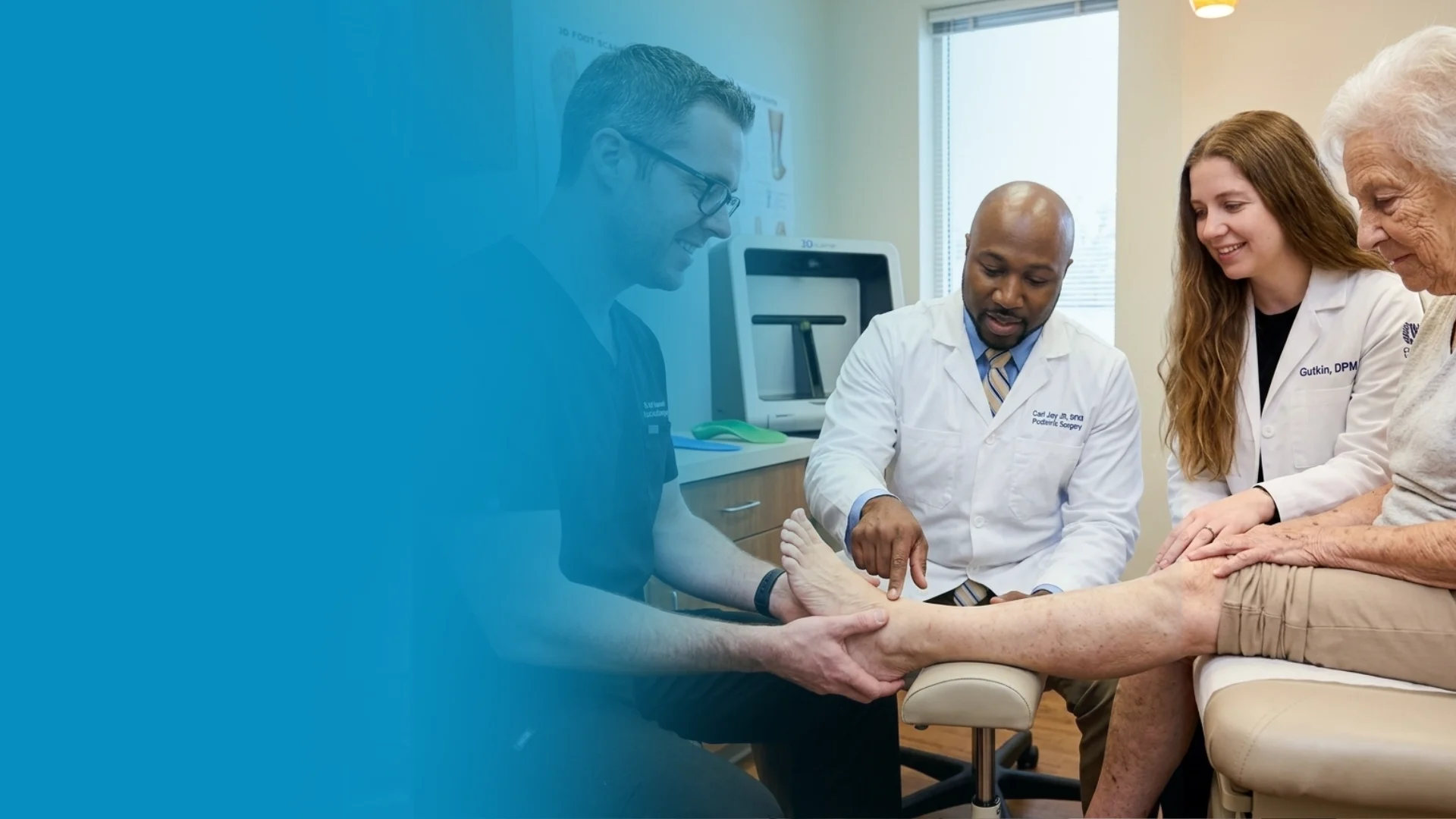
We see children of all ages and make the experience as comfortable as possible. Many parents don’t realize podiatrists treat kids — we do, and we love it.
✅ REMY Class IV Laser — FDA-cleared
✅ EPAT Shockwave Therapy — 80%+ success rate
✅ Magnetotransduction (EMTT) — Deep electromagnetic healing
✅ 3D-Scanned Custom Orthotics
✅ Toenail Fungus Laser
✅ In-Office X-Ray & Ultrasound
✅ Diabetic Shoe Program — Medicare-covered
📞 (810) 206-1402 | Howell & Bloomfield Township
Questions About Your Foot Health?
Our team is here to help — book online 24/7.
📞 (810) 206-1402
Howell: 4330 E Grand River Ave | Bloomfield Township: 43494 Woodward Ave #208
Clinical Foot Care Beyond Products: Michigan’s Balance Foot & Ankle
Michigan patients using foot care products — wound care supplies, topical treatments, foot supplements, compression garments, orthotics, or stretching devices — as part of their foot health routine benefit from occasional clinical evaluation to ensure the products they are using are appropriate for their specific condition and that no developing pathology requires professional intervention. At Balance Foot & Ankle, our clinical evaluation confirms the diagnosis, assesses whether current product-based management is adequate, and identifies cases where professional treatment would produce better outcomes than continued self-management.
For Michigan patients managing chronic conditions — diabetic foot care, neuropathy management, post-surgical recovery, or persistent tendinopathy — regular podiatric check-ins at appropriate intervals ensure that small changes are caught before they become significant complications. The right interval varies by condition and risk level: high-risk diabetic patients benefit from quarterly visits; stable patients using products for minor chronic conditions may need only annual check-ins. At Balance Foot & Ankle, we help patients identify the appropriate visit frequency for their specific situation. Livingston and Oakland County patients can call (810) 206-1402 to schedule at our Howell or Bloomfield Township office.
Related Treatment Guides
- Plantar Fasciitis & Heel Pain Treatment
- Custom 3D Orthotics
- Sports Foot & Ankle Injury Treatment
- Bunion Treatment
Michigan patients experiencing foot or ankle problems can schedule an appointment at Balance Foot & Ankle — with locations in Howell (4330 E Grand River) and Bloomfield Township (43494 Woodward Ave #208). Book online or call (810) 206-1402.
Insurance Accepted
BCBS · Medicare · Aetna · Cigna · United Healthcare · HAP · Priority Health · Humana · View All →
Howell Office
4330 E Grand River Ave
Howell, MI 48843
Get Directions →
Bloomfield Township Office
43494 Woodward Ave, #208
Bloomfield Township, MI 48302
Get Directions →
Ready to Get Back on Your Feet?
Book online 24/7 at either office.
More Podiatrist-Recommended Shoes Essentials
Hoka Clifton 10


Max-cushion neutral runner — podiatrist favorite for all-day comfort.
Brooks Adrenaline GTS 25
Stability runner for overpronators — great for flat feet and bunions.
New Balance 990v6
Premium walking shoe with wide toe box — bunion and flat-foot friendly.
As an Amazon Associate, Balance Foot & Ankle earns from qualifying purchases. Product recommendations are based on clinical experience; prices and availability shown above update live from Amazon.
When to See a Podiatrist
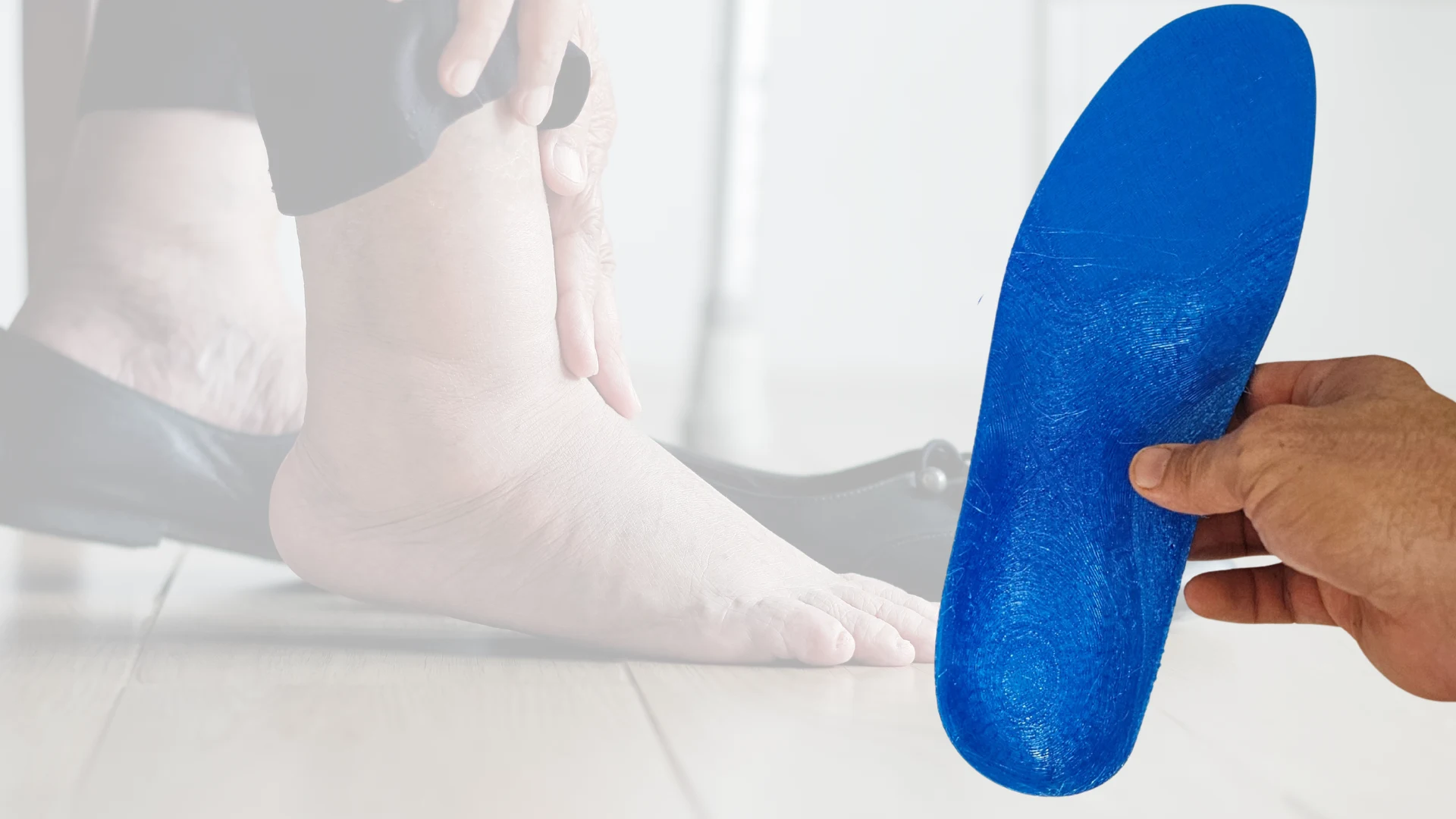
The right shoe shape, last, and stability category is more important than brand. Balance Foot & Ankle evaluates your foot type (neutral, pronator, supinator, high-arched) and recommends specific shoe models that match. Bringing in your current pair lets us spot wear patterns that reveal gait issues — a free 5-minute assessment that can prevent years of foot pain.
Call Balance Foot & Ankle: (810) 206-1402 · Book online · Offices in Howell & Bloomfield Township
Pros & Cons of Conservative Care for footwear
Advantages
- ✓ Right shoe = pain reduction
- ✓ Multiple price points
- ✓ Fast adjustment
Considerations
- ✗ Trial-and-error
- ✗ Replace every 400 miles
- ✗ Custom orthotics often needed
Dr. Tom’s Recommended Products for footwear
Affiliate disclosure: As an Amazon Associate, Balance Foot & Ankle earns from qualifying purchases. We only recommend products we use with patients.
Brooks Ghost 17 Dr. Tom’s Pick
Best for: Neutral runner
Check Price on Amazon
Brooks Adrenaline GTS 23 Dr. Tom’s Pick
Best for: Stability for flat feet
Check Price on Amazon
Altra Torin 8 Dr. Tom’s Pick
Best for: Zero-drop wide toe box
Check Price on Amazon
Ready to Get Back on Your Feet?
Appointments in Howell + Bloomfield Township. Most insurance accepted. Dr. Tom Biernacki, DPM & team.
Call Now: (810) 206-1402
Ready to feel better?
Appointments available in Howell and Bloomfield Township, Michigan.
Visit Balance Foot & Ankle — Online Booking 24/7
Our podiatry team serves patients throughout Michigan including Howell, Brighton, and Bloomfield Township. If you’re dealing with heel pain, ingrown toenails, or a foot injury, you can book online 24/7.
Book online 24/7. (810) 206-1402
VitaMedica Arnica Gel
Arnica gel plus 15 plant compounds for sore feet, plantar fasciitis flares and post-activity soreness. Apply a thin layer to the sore area.
Appointments in Howell & Bloomfield Township
Three board-certified podiatric surgeons. 1,200+ five-star reviews. Most insurance accepted.
