
Medically reviewed by Dr. Tom Biernacki, DPM
Board-certified podiatric surgeon | Balance Foot & Ankle, Howell & Bloomfield Township, MI
Last reviewed: May 2026

Quick answer: For heel spurs, podiatrists recommend shoes with structured arch support, deep heel cup, and forefoot rocker. Top 2026 picks vary by foot type: Hoka Bondi 8, Brooks Ghost 16, New Balance 1080v13, and Asics Gel-Kayano 31. Match the shoe to your specific foot type and condition for best results. Call (810) 206-1402.
If you’ve been told you have heel spurs, you may have received conflicting advice about footwear. The confusion often starts with a misconception: the heel spur itself is usually not what’s hurting you. Heel spurs are calcium deposits that form at the attachment of the plantar fascia or Achilles tendon on the heel bone — they’re a reaction to chronic traction, not the primary pain generator.
The pain associated with heel spurs almost always comes from the inflamed soft tissue at the insertion — plantar fasciitis at the bottom of the heel, or insertional Achilles tendinopathy at the back. Treating the footwear problem means treating the underlying soft tissue inflammation, and that means the same evidence-based approach that works for plantar fasciitis applies here.
The most important clinical decision with Best Shoes For Heel Spurs isn’t which treatment to start with — it’s identifying the correct subtype. That changes everything. Call (810) 206-1402.
Heel Spurs: What They Are and What They Aren’t
A heel spur (calcaneal spur) is a bony outgrowth from the calcaneus (heel bone) at the attachment site of either:
Heel Guide goes further into why the spur on your X-ray is usually not the thing that hurts.
- The plantar fascia (inferior/plantar heel spur) — forms at the medial calcaneal tubercle on the bottom of the heel; associated with plantar fasciitis
- The Achilles tendon (posterior heel spur) — forms at the posterior superior aspect of the calcaneus where the Achilles attaches; associated with insertional Achilles tendinopathy and Haglund’s deformity
Spurs develop when the traction force of the attached structure stimulates reactive bone formation. Studies show that heel spurs are present in approximately 15–25% of the general population, but only a fraction of those individuals have heel pain. Conversely, many patients with significant plantar fasciitis pain have no detectable spur on X-ray.
This is why removing the spur surgically without addressing the underlying soft tissue pathology does not reliably resolve pain — and why footwear that addresses plantar fascia mechanics is the appropriate first-line treatment.
Key takeaway: If your doctor told you that your heel spur is causing your pain, the more accurate statement is that the same forces that created the spur — chronic fascial traction — are also causing your pain. Treat the fascia, and you treat the pain. The spur is a side effect.
Key Shoe Features for Heel Spur Pain
Maximum Heel Cushioning
The primary goal is reducing peak impact force at the calcaneal insertion with each heel strike. Maximum cushion shoes with 30–40mm heel stack height (Hoka, ASICS Gel-Nimbus, Brooks Glycerin) absorb a significantly larger portion of heel-strike impact than standard cushioned trainers, reducing the mechanical load on the inflamed insertion.
Elevated Heel (10–12mm Drop)
A higher heel-to-toe drop reduces the stretch demand on the plantar fascia and Achilles tendon during walking and running. Keeping these structures in a slightly shortened position through the gait cycle reduces the cyclic elongation stress that drives insertion inflammation. Zero-drop and minimalist shoes maximize this stretch demand and worsen heel spur pain.
Firm Heel Counter
The heel counter — the rigid cup at the back of the shoe — stabilizes the calcaneus and prevents excessive pronation at heel strike. For plantar heel spurs, a firm heel counter prevents the medial rolling that elongates the plantar fascia. For posterior heel spurs, a soft or absent heel counter reduces direct pressure on the back of the heel where the spur contacts the shoe.
Gel or Silicone Heel Cups
A supplemental silicone or gel heel cup placed inside the shoe provides additional cushioning directly beneath the calcaneus and compresses the natural heel fat pad to maximize its shock-absorbing function. For plantar heel spurs, heel cups are one of the first-line OTC interventions.
Top Shoes for Heel Spurs — Podiatrist-Reviewed
Best Overall: Hoka Bondi 8
The Hoka Bondi 8 offers the highest heel stack of any mainstream running shoe (39.5mm at the heel) with a 4mm drop. The extended heel bevel reduces the initial impact spike at heel strike. Clinical feedback from podiatrists and physical therapists consistently identifies the Bondi as one of the top performers for both plantar fasciitis and heel spur-associated pain.
Best Stability Option: ASICS Gel-Kayano 30
For heel spur patients who also significantly overpronate, the ASICS Gel-Kayano 30 combines the legendary Gel heel cushioning system with medial stability features that control the pronation driving increased fascial tension. The 10mm drop is ideal for reducing plantar fascia insertion load.
Best Walking Shoe: Brooks Addiction Walker
The Brooks Addiction Walker is the top work and walking shoe for heel spur patients. The Extended Progressive Diagonal Rollbar controls excessive pronation while the BioMoGo DNA midsole provides responsive cushioning. Available in multiple widths, making it accessible for patients with wider feet associated with flat arches and heel spurs.
The New Balance Fresh Foam X 880 is an excellent all-purpose trainer for heel spur patients at the moderate-cushion end. The 10mm drop and Fresh Foam midsole provide a balance of cushioning and responsiveness that works well for everyday walking and light running.
Heel Cups and Insoles for Heel Spur Pain
In addition to appropriate footwear, a supplemental heel cup or structured insole significantly improves outcomes:
Tuli’s Classic Gel Heel Cups are the most widely recommended OTC heel cup for heel spur pain. The multi-cell silicone construction mimics the natural heel fat pad and compresses it uniformly under loading, distributing impact more evenly across the calcaneal surface. These fit inside any closed-heel shoe and provide immediate cushioning benefit.
For patients who need both heel cushioning and arch support, PowerStep Pinnacle Green insoles provide the medial arch correction that reduces plantar fascial strain alongside a deep heel cup. Remove the factory insole before inserting PowerStep Pinnacle.
Posterior Heel Spurs: Different Shoe Needs
Posterior heel spurs (at the Achilles insertion) require different footwear consideration than plantar spurs. The bony prominence at the back of the heel is directly in contact with the shoe’s heel counter — this is what makes posterior spurs painful. Treatment focuses on reducing heel counter pressure:
- Open-back shoes — sandals, clogs, or shoes with soft/absent heel counters eliminate the direct pressure on the posterior spur
- Heel lifts — raising the heel inside the shoe reduces Achilles tendon tension and moves the contact point away from the spur
- Soft heel counter — shoes with foam or soft-backed heel counters rather than rigid ones reduce pressure on the posterior prominence
- Avoid shoes with seams at the back — internal seams at the heel counter concentrate pressure directly on the spur
⚠️ When Footwear Changes Aren’t Enough for Heel Spur Pain
- Heel pain persisting beyond 6–8 weeks of consistent footwear changes and stretching
- Severe morning first-step pain that limits mobility
- Posterior heel spur causing Achilles tendon degeneration — may need shockwave therapy or surgery
- Pain that wakes you from sleep
- Any heel pain in a diabetic patient — prompt professional evaluation is always indicated
The Complete Heel Spur Treatment Protocol
Footwear is the most important change, but maximum outcomes come from combining it with:
- Plantar fascia stretching — towel stretch before getting out of bed, wall stretches 3× daily
- Calf stretching — gastrocnemius and soleus stretches reduce traction on the calcaneal insertion
- Night splint — prevents overnight fascial shortening that causes morning pain
- Custom orthotics — for patients with significant biomechanical drivers; 3D-scanned and laboratory-fabricated in our clinic
- In-office injections — ultrasound-guided cortisone or PRP for refractory cases
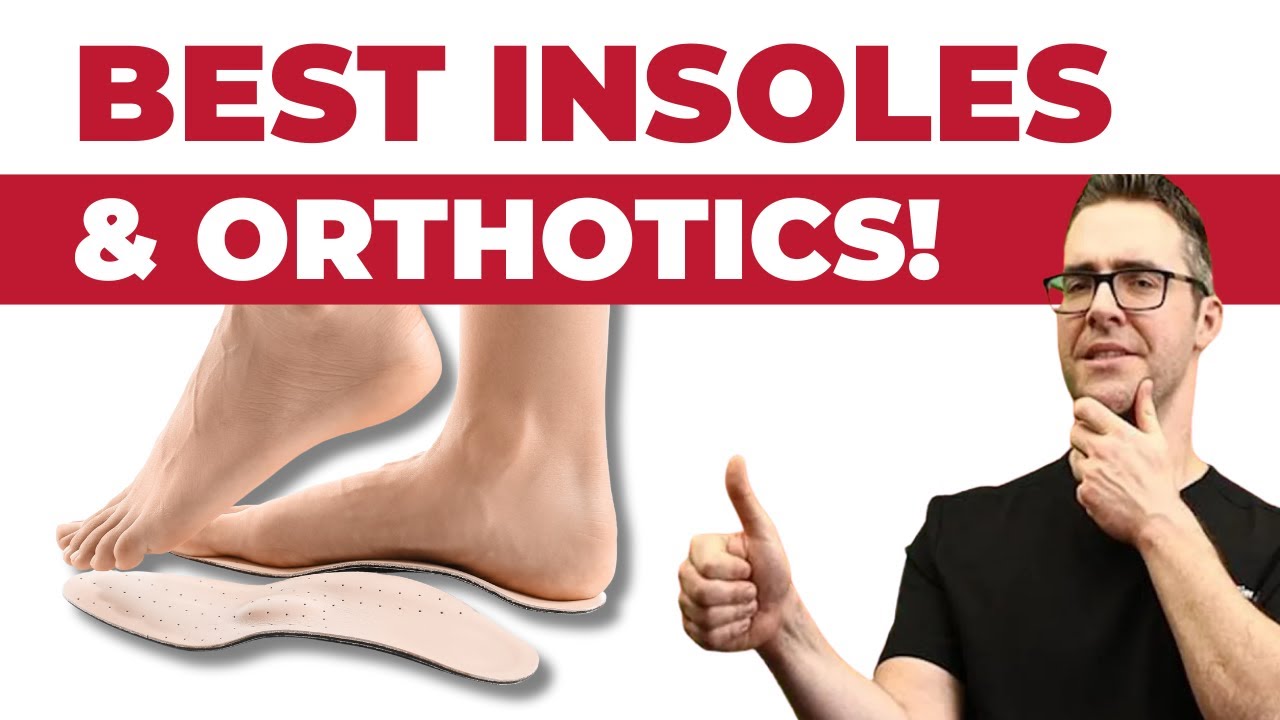
When Shoes Aren’t Enough — Dr. Tom’s Top 9 Orthotics
About 30% of patients I see for foot pain need MORE than a great shoe — they need a structured insole. Below: my complete 2026 orthotic ranking with pros, cons, and the specific patient I’d give each one to.
In-Office Treatment at Balance Foot & Ankle
If home treatment isn’t providing relief for your heel spurs, our podiatry team at Balance Foot & Ankle can help with same-day evaluations and advanced in-office care.
Frequently Asked Questions About Shoes for Heel Spurs
What shoes help heel spurs the most?
Maximum cushion shoes with 10-12mm drop and 30+ mm heel stack — Hoka Bondi, ASICS Gel-Nimbus, Brooks Glycerin — consistently perform best for plantar heel spur pain. For posterior heel spurs, open-back footwear or shoes with soft heel counters reduce direct pressure on the bony prominence.
Do heel spurs go away with proper shoes?
The bony spur itself does not dissolve with footwear changes. However, the pain associated with heel spurs — which comes from inflamed soft tissue at the insertion — does resolve with appropriate footwear combined with stretching and other conservative measures in the majority of cases (85-90%) within 6-12 months.
Are gel heel cups good for heel spurs?
Yes — gel heel cups (Tuli’s, Silipos, Spenco) provide additional cushioning directly beneath the calcaneus and help distribute impact loading. They’re an excellent first-line supplement to supportive footwear. For maximum effect, combine a gel heel cup with a structured arch-support insole in a maximalist cushion shoe.
Should I avoid walking with heel spurs?
Complete rest is generally not recommended for heel spur pain. Walking in supportive footwear maintains calf muscle function (critical for fascial load reduction) and prevents deconditioning. Reduce high-impact activity (running, jumping) during the acute phase, but maintain comfortable walking with appropriate footwear and insoles.
Can orthotics help heel spurs?
Custom orthotics address the specific biomechanical factors driving plantar fascial traction — particularly excessive pronation, high arch supination, and first ray hypermobility. They are more precise than OTC insoles and provide better long-term outcomes for patients with significant structural drivers. In our clinic, we fabricate custom orthotics using 3D foot scanning.
The bottom line: The best shoes for heel spurs prioritize maximum heel cushioning, 10–12mm drop, and a firm heel counter. Hoka Bondi 8, ASICS Gel-Kayano, and Brooks Addiction Walker are the strongest choices across activity levels. Add a gel heel cup and semi-rigid arch insole for maximum protection. The heel spur itself requires no specific treatment — address the inflamed plantar fascia or Achilles tendon insertion with footwear, stretching, night splints, and if needed, in-office procedures.
Sources
- Kirkpatrick J, Yassaie O, Mirjalili SA. The plantar calcaneal spur: A review of anatomy, histology, etiology and key associations. J Anat. 2017;230(6):743-751.
- Tong KB, Furia J. Economic burden of plantar fasciitis treatment in the United States. Am J Orthop. 2010;39(5):227-231.
- Roos E, et al. Foot orthoses for the treatment of plantar fasciitis. Cochrane Database Syst Rev. 2006;(1):CD006382.
- Landorf KB, Keenan AM, Herbert RD. Effectiveness of foot orthoses to treat plantar fasciitis. Arch Intern Med. 2006;166(12):1305-1310.
- Alfredson H. The chronic painful Achilles and patellar tendon: Research on basic biology and treatment. Scand J Med Sci Sports. 2005;15(4):252-259.
⚕ Doctor Recommended
Doctor Hoy’s Natural Pain ReliefTopical relief for foot & ankle pain
View Product →Ready to Get Relief?
Same-day appointments available in Howell & Bloomfield Township, MI
4.9★ | 1,123 Reviews | 3,000+ Surgeries
Or call: (810) 206-1402

Dr. Tom Biernacki, DPM is a board-certified foot & ankle surgeon (ABFAS & ABPM) at Balance Foot & Ankle Specialists in Southeast Michigan. With over a decade of clinical experience, he specializes in heel pain, bunions, diabetic foot care, sports injuries, and minimally invasive surgery. Dr. Biernacki is a member of the APMA and ACFAS, and his patient education content on MichiganFootDoctors.com and YouTube has made him one of the most-followed foot & ankle educators on YouTube.