
Quick answer: The best socks for toenail fungus use moisture-wicking, antimicrobial materials — merino wool, bamboo, or copper-infused fibers — that keep feet dry and discourage fungal growth. Change them daily (twice if your feet sweat), wash hot, and pair with breathable shoes; socks alone won’t cure fungus but they speed treatment and help prevent reinfection.
🩺 Medically reviewed by Dr. Tom Biernacki, DPM, FACFAS — Board-Certified Podiatric Foot & Ankle Surgeon · Balance Foot & Ankle, Howell & Bloomfield Hills, MI · 📺 950,000+ people follow Dr. Tom’s recommendations on YouTube
Quick Answer
The best socks for toenail fungus are moisture-wicking copper-infused, silver-fiber, or merino wool socks that keep the nail environment dry — and the worst are 100% cotton. Toenail fungus (onychomycosis) is caused by dermatophytes like Trichophyton rubrum that need warmth, darkness, and moisture to survive. Cotton holds sweat against the nail plate for hours; copper-oxide and silver-ion fibers have demonstrated antifungal activity in laboratory studies, and merino wool wicks moisture while resisting microbial growth. In my Howell and Bloomfield Hills clinics, I tell every fungal-nail patient the same three habits: change socks immediately after any sweaty activity, air-dry feet fully before putting socks on, and choose seamless toe designs to minimize nail microtrauma. Socks support your treatment — they don’t replace topical antifungals, oral terbinafine, or laser therapy for an established infection.
If you have toenail fungus, the socks you wear every day are either helping the fungus thrive or starving it. Most cotton socks fall in the first category. If you’re treating toenail fungus with prescription medication and wearing the wrong socks, you are working against your own treatment. Below is the exact sock and footwear protocol we cover at every fungus treatment visit at Balance Foot & Ankle.
Why these recommendations: I personally use the products on this page in my Howell and Bloomfield Hills clinics. When you buy through the links here, Balance Foot & Ankle earns a small commission at no cost to you — and it helps fund the free educational content I make on YouTube. I will never recommend a product I wouldn’t use on my own family.
Table of Contents
- Dr. Tom’s Top Pick
- The Fabric That Feeds Fungus vs the One That Fights It
- Sock Fabric Comparison Table
- Why the Right Socks Matter for Foot & Toenail Fungus
- Two More Socks I Prescribe
- Dr. Tom’s Sock + Treatment System
- The Sock Hygiene Protocol
- Most Common Mistake
- When Socks Aren’t Enough: In-Office Treatment
- FAQ
Dr. Tom’s Top Pick: Copper-Infused Antimicrobial Socks
🏆 Doctor’s Top Pick — Best Sock for Toenail Fungus
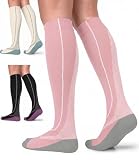
Copper Compression Socks (Antimicrobial)
Podiatrist Pros
- Copper-oxide ions disrupt fungal cell walls — copper-impregnated textiles have demonstrated antifungal activity in laboratory studies
- Moisture-wicking knit keeps the nail plate dry — the single most important sock property during fungal treatment
- Mild graduated support improves comfort on long standing days without restricting circulation
- Multi-pack pricing makes daily (or twice-daily) sock changes affordable
Honest Cons
- Copper fibers reduce fungal load in the sock — they do not treat fungus already under the nail plate
- Snugger fit than a standard crew sock; size up if you have swelling or neuropathy
Dr. Tom’s Take: This is the sock I recommend for patients in active fungal treatment — copper ions work on the fabric environment while the moisture-wicking knit starves the fungus of the dampness it needs. Wear them daily, wash hot, and pair them with the shoe spray and nail treatment below.
The Fabric That Feeds Fungus vs the One That Fights It
Toenail fungus thrives in a specific microenvironment — and most socks, including many marketed as “antifungal,” create exactly that environment. The difference between a sock that genuinely reduces fungal reinfection risk and one that makes it worse comes down to two fabric properties that few sock labels make clear: how fast the fabric moves sweat away from the skin, and whether the fiber itself inhibits microbial growth.

Dermatophytes — the fungi behind both toenail fungus and athlete’s foot — need warmth, darkness, and dampness. A cotton sock inside a closed shoe provides all three for as long as you wear it. Cotton absorbs sweat and holds it against the skin and nail plate for hours after activity. A wicking fiber does the opposite: it pulls moisture off the skin and spreads it through the fabric where it evaporates.
Sock Fabric Comparison: What Actually Helps Against Toenail Fungus
| Fabric | Moisture Control | Antifungal Benefit | Best For | Podiatrist Verdict |
|---|---|---|---|---|
| Copper-infused synthetic | Excellent | Copper-oxide ions disrupt fungal cell walls (lab-demonstrated) | Active fungal treatment, sweaty feet | ✅ Top Pick |
| Silver-fiber (Drynamix, X-Static) | Excellent | Silver ions inhibit fungal & bacterial growth | Runners and athletes | ✅ Recommended |
| Merino wool | Very good — wicks and insulates | Naturally antibacterial and odor-resistant | All-day wear, cold weather | ✅ Recommended |
| Coolmax / polyester blends | Very good | None inherent — dries fast, denies moisture | Budget daily wear, diabetics (non-binding styles) | ✅ Good |
| Bamboo viscose | Good breathability | Mild — breathable but holds more moisture than synthetics | Sensitive skin | ⚠️ Acceptable |
| 100% cotton | Poor — absorbs and holds sweat for hours | None — creates the warm, damp environment fungus needs | — | ❌ Avoid during treatment |
Why the Right Socks Matter for Foot & Toenail Fungus
Athlete’s foot (tinea pedis) and toenail fungus (onychomycosis) are caused by the same family of fungi, and the skin infection frequently seeds the nail infection. Wearing the correct type of socks helps prevent and support treatment of both by creating a less favorable environment for the fungus to grow:
Moisture control
Fungus thrives in warm, moist environments, so keeping feet dry is essential. Socks made from moisture-wicking materials such as synthetic performance fibers or merino wool draw moisture away from the skin, keeping feet dry and less susceptible to fungal infection.
Breathability
Breathable knits — mesh-panel synthetics, merino, or bamboo blends — allow air to circulate around the feet, reducing the buildup of sweat inside closed shoes. (Note: cotton is often marketed as “breathable,” but because it holds the sweat it absorbs, it works against you here.)
Antimicrobial properties
Socks treated with antimicrobial agents such as silver ions or copper oxide can reduce the fungal and bacterial load in the sock fabric itself. These are particularly worthwhile for people who are prone to recurrent fungal infections.
Proper fit
Socks that fit well prevent friction and microtrauma — small breaks in the skin and repeated pressure on the nail plate that make it easier for fungus to take hold. A seamless toe box and a snug-but-not-tight fit also protect hammertoes and bunions and support healthy circulation.
Two More Socks I Prescribe
Best for Runners & Athletes
Balega Silver No-Show Running Socks
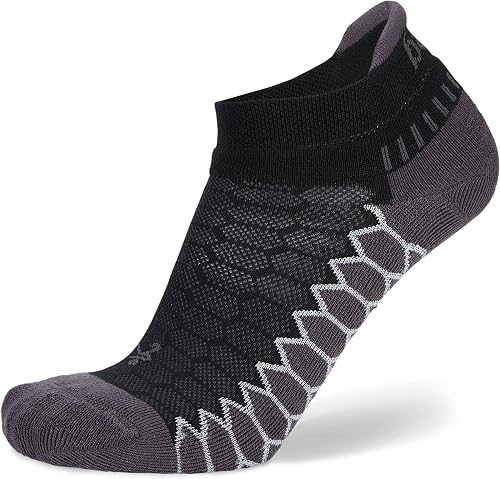
Silver ions encapsulated in Balega’s Drynamix yarn inhibit fungal growth during training, while the seamless hand-linked toe box minimizes the nail microtrauma that opens the door to fungus. The deep heel pocket keeps the sock from slipping into the shoe mid-run.
Dr. Tom’s Take: The sock I recommend to runners with a history of athlete’s foot or fungal nails — moisture management plus silver-fiber protection in the exact high-sweat scenario where reinfection happens.
Best Budget / Diabetic-Friendly
MediPeds Diabetic Crew Socks (8-Pack)

Non-binding top band plus moisture-wicking fibers — the diabetic-grade sock we recommend for anyone prone to toenail or foot fungus who also needs gentle, non-restrictive fit. The 8-pack makes the daily sock change affordable.
Dr. Tom’s Take: My default recommendation for diabetic patients and seniors — fungal prevention only works if you actually change socks every day, and an 8-pack removes the excuse.
Dr. Tom’s Toenail Fungus Treatment Sock + Treatment System (2026)
Socks alone don’t cure toenail fungus — but the wrong socks will keep it coming back. Dermatophytes thrive in warm, dark, damp cotton. The right sock wicks sweat, the right shoe spray kills spores waiting to re-infect, and the right topical treatment improves the nail while it grows out. This is the full protocol we give patients after we’ve treated active fungal nails — skip any piece and the infection comes back in 6–12 months. (For the complete clinical overview, see our complete toenail fungus guide.)
Best Shoe Antifungal Spray
Lotrimin AF Antifungal Powder Spray
Podiatrist Pros
- Miconazole nitrate 2% — the same azole class as the Rx creams I used in residency
- Spray powder format dries the interdigital spaces where athlete’s foot thrives
- No-touch application — less cross-contamination than cream
- Effective against both tinea pedis and jock itch
Honest Cons
- Powder can cake in sweaty shoes over the day
- Strong scent some patients dislike
Dr. Tom’s Take: My first-line OTC antifungal. Spray shoes after every wear, and apply between toes twice daily for 4 weeks — even after symptoms clear. Stopping early is why athlete’s foot comes back.
Best Nail Treatment (Cosmetic Adjunct)
Kerasal Fungal Nail Renewal
Podiatrist Pros
- Contains propylene glycol, urea, and lactic acid — debrides the thickened keratin in fungal nails
- Improves cosmetic appearance of fungal nails within 2–4 weeks
- Available OTC; no prescription needed
Honest Cons
- Does NOT kill the underlying fungal infection — it’s a keratolytic, not an antifungal. The ‘renewal’ claim is cosmetic.
- Nail will re-thicken once you stop using it unless the fungus is also treated
- For real eradication you need prescription efinaconazole, terbinafine, or laser treatment
Dr. Tom’s Take: A useful cosmetic adjunct — thinner, clearer-looking nails within weeks — but not a cure. If you want the fungus actually gone, we need prescription antifungals or laser therapy in office.
Medical-Grade Compression Option
DASS Medical Graduated Compression Socks (20–30 mmHg)
Podiatrist Pros
- 20–30 mmHg is the medical-grade range — the same compression I prescribe for post-op and chronic venous insufficiency
- Graduated pressure (tightest at ankle, loosest at calf) is what actually moves fluid, unlike uniform-pressure socks
- Seamless toe — does not irritate hammertoes or bunions the way cheaper graduated socks do
- Antimicrobial, moisture-wicking knit — circulation support without the damp environment fungus needs
Honest Cons
- Too aggressive for patients who haven’t worn compression before; start with 15–20 mmHg first
- Full-calf length; not ideal for patients wearing shorts or skirts in warm climates
Dr. Tom’s Take: The compression sock I keep in the clinic for post-op patients, airline travelers, and fungal patients who also need circulation support. 20–30 is the range that actually does something — anything lighter is mostly a placebo.
The Sock Hygiene Protocol (What I Tell Every Fungal Patient)
- Change socks daily at minimum — twice daily if your feet sweat heavily at work or during exercise.
- Wash socks in hot water with regular detergent; hot washing kills fungal elements living in the fabric. Replace heavily worn socks during treatment.
- Never re-wear a damp sock. If socks feel damp, they go in the wash — not back on your feet.
- Rotate shoes so each pair dries fully for 24–48 hours between wears, and spray them with the antifungal shoe spray above after every wear.
- Air-dry feet fully — including between the toes — before putting socks on after a shower.
- Going sockless in loafers or flats? A moisture-wicking antimicrobial liner like FLAT SOCKS keeps shoe interiors dry when a full sock isn’t an option.
⚠️ Most Common Mistake When Choosing Socks for Toenail Fungus
The most common mistake we see is patients buying “antimicrobial” socks marketed for fungus without understanding what they actually do. Antimicrobial socks reduce odor, bacterial load, and the fungal load in the fabric — but they do not kill toenail fungus already established under the nail plate. The fungus lives under the nail, not in the sock. What matters is moisture management: copper-infused, wool, or moisture-wicking synthetics that keep the nail environment dry. Cotton holds moisture and should be avoided. The sock choice supports your treatment — it does not replace it. Pair good moisture-wicking socks with your topical antifungal and let both do their job.
The runner-up mistake: applying OTC antifungal cream onto a lifted or thickened nail where it can’t penetrate. Topicals only reach the top portion of the nail plate — for anything beyond early-stage surface discoloration, oral terbinafine or laser therapy is usually required.
When Socks Aren’t Enough: Watch Dr. Tom Explain Toenail Fungus Treatment
![#1 NEW Best Toenail Fungus Treatments [Medications vs Creams vs Laser] | Dr. Tom Biernacki, DPM](https://www.michiganfootdoctors.com/wp-content/cache/flying-press/826076a8a3a231aaabbfba03b506e993.jpg)
When to See a Podiatrist
Topicals only penetrate the top 30% of the nail plate — if the fungus is near the cuticle or covers more than 50% of the nail, oral terbinafine or laser is usually required for full clearance. Balance Foot & Ankle offers in-office fungal nail diagnostics and laser treatment that reaches the nail matrix where topicals can’t. We’ll examine the nail and recommend the fastest path to clear, healthy regrowth.
Seek same-day evaluation if you notice: spreading redness or warmth around the nail · the nail fully lifting from the nail bed · odor or discharge · any nail change with diabetes or poor circulation (urgent).
Ready to Get Relief? Same-Day Appointments in Howell & Bloomfield Hills
4.9★ · 1,123+ patient reviews · 3,000+ surgeries performed
Frequently Asked Questions
What type of socks are best for toenail fungus?
The best socks for toenail fungus prevention are made from moisture-wicking synthetic fibers (Coolmax, Dri-FIT, polyester blends), copper-infused knits, or wool (merino wool is naturally antibacterial and moisture-managing). Avoid 100% cotton — it absorbs moisture and stays wet against the skin, creating the warm, humid environment that dermatophyte fungi need to thrive. Change socks whenever feet feel damp or after any activity that causes sweating.
Are copper or silver-infused socks effective against toenail fungus?
Copper and silver ions have demonstrated antifungal properties in laboratory studies. Copper-infused socks and silver-threaded socks may reduce fungal load on the skin and in the sock fabric. Clinical evidence for preventing onychomycosis specifically is limited, but they are a reasonable adjunct alongside antifungal treatment. They do not substitute for antifungal medication in established nail infections.
How often should I change socks if I have toenail fungus?
Change socks daily at minimum — twice daily if feet sweat heavily at work or during exercise. Wash socks in hot water to kill fungal elements in the fabric, and never re-wear a damp pair. During active treatment, sock hygiene is as important as the antifungal medication itself.
Can wearing the wrong socks make toenail fungus worse?
Yes. Thick cotton socks that trap moisture, socks that are too tight (restricting circulation), or socks worn for multiple days create conditions that accelerate fungal growth. Occlusive synthetic materials without moisture-wicking properties are equally problematic. Wearing sandals or open-toed shoes (when appropriate) reduces moisture accumulation.
How long does toenail fungus treatment take?
Topical treatments take 6–12 months to clear toenail fungus because the nail must fully grow out. Oral antifungals (terbinafine) work faster — typically 3 months — but require lab monitoring. Laser therapy can accelerate results when combined with topical agents.
Can toenail fungus spread to other nails or family members?
Yes. Fungus spreads through shared showers, nail clippers, and socks. Keep nails trimmed, dry feet thoroughly after bathing, use antifungal powder in shoes, never share socks or clippers, and avoid bare feet in locker rooms to prevent spread.
More Toenail Fungus Guides from Dr. Tom
- Toenail Fungus Complete Treatment Guide — oral, topical, laser and home remedy evidence reviewed
- Laser Treatment for Toenail Fungus: How It Works, Evidence, and What to Expect
- Toenail Fungus Before & After — Real Laser Treatment Results from Michigan Patients
- How Much Does Laser Toenail Fungus Treatment Cost in Michigan?
- Best OTC Toenail Fungus Treatments
- How to Prevent Toenail Fungus from Coming Back
- Athlete’s Foot Treatment & Prevention Guide
- Does Vicks VapoRub Kill Toenail Fungus? Podiatrist’s Tests
- Listerine Foot Soak for Fungus: Does It Work?
Clinical References
- Gupta AK, et al. “Recurrence of onychomycosis.” Skin Appendage Disord. 2019;5(2):71-77.
- Lipner SR, Scher RK. “Onychomycosis: treatment and prevention of recurrence.” J Am Acad Dermatol. 2019;80(4):853-867.
- Auger P, et al. “Skin acidity and athlete’s foot.” Lancet. 1993;342(8867):366.
- Borkow G, Gabbay J. “Copper as a biocidal tool.” Curr Med Chem. 2005;12(18):2163-2175.
Why Trust This Article?
This article was written and clinically reviewed by Dr. Tom Biernacki, DPM, FACFAS — a board-certified podiatric foot & ankle surgeon practicing at Balance Foot & Ankle in Howell, MI and Bloomfield Hills, MI. Dr. Biernacki has performed over 3,000 foot and ankle surgeries and is rated 4.9/5 across 1,123+ patient reviews. Every article on michiganfootdoctors.com is reviewed by a board-certified podiatrist before publication and re-reviewed at least annually. Sources include peer-reviewed medical journals and current American Podiatric Medical Association guidelines.
Balance Foot & Ankle · 4330 E Grand River Ave, Howell MI 48843 · 43494 Woodward Ave #208, Bloomfield Township MI 48302 · Mon–Fri 8:00 AM – 5:00 PM · (810) 206-1402 · Insurance accepted: BCBS, Medicare, Aetna, Cigna, United Healthcare, HAP, Priority Health, Humana
Battling toenail fungus? See the full treatment picture in our foot & ankle conditions guide.
Antifungal socks are a start — see what actually clears toenail fungus for good. Balance Foot & Ankle’s board-certified podiatrists can help in person at our Bloomfield Hills and Howell offices — same-week appointments. Call (810) 206-1402.
One honest reminder: antifungal socks help stop reinfection and keep moisture down, but they will not cure a nail that is already infected. If your nail is thick, yellow, or crumbly, start with our complete guide to toenail fungus treatment — including laser, oral, and topical options — and pair the right treatment with the right socks.
For stubborn or recurring fungal nails, a professional medical pedicure lets our podiatry team safely thin, debride, and treat the nail in-office, which pairs well with the at-home sock and hygiene steps above.

Dr. Tom Biernacki, DPM is a board-certified foot & ankle surgeon (ABFAS & ABPM) at Balance Foot & Ankle Specialists in Southeast Michigan. With over a decade of clinical experience, he specializes in heel pain, bunions, diabetic foot care, sports injuries, and minimally invasive surgery. Dr. Biernacki is a member of the APMA and ACFAS, and his patient education content on MichiganFootDoctors.com and YouTube has made him one of the most-followed foot & ankle educators on YouTube.