
![Diabetic Foot Care 101 [Diabetic Foot Pain: Podiatrist Treatment] | Balance Foot & Ankle](https://www.michiganfootdoctors.com/uploads/2021/05/diabetic-foot-care-101-diabetic-foot-pain-podiatrist-treatment.avif)
The most important clinical decision with Cost Of Ignoring Diabetic Foot Problems Amputation isn’t which treatment to start with — it’s identifying the correct subtype. That changes everything. Call (810) 206-1402.
Dr. Tom’s Top Foot Health Supplements
Medically reviewed by Dr. Tom Biernacki, DPM
Board-certified podiatric surgeon | Balance Foot & Ankle
Last reviewed: May 2026
Affiliate disclosure: Amazon Associate. Always discuss supplements with your physician before starting.
Vitamin B12 Methylcobalamin
Neuropathy support · Nerve repair
PROS
- Active B12 form
- Sublingual absorption
- Neuropathy adjunct
CONS
- Effects take 2-3 months
- Doesn’t replace medical care
Alpha Lipoic Acid 600mg
Diabetic neuropathy · Nerve antioxidant
PROS
- Peer-reviewed for neuropathy
- Both fat- and water-soluble
- Clinical doses available
CONS
- Possible blood sugar effect
- GI upset possible
Acetyl-L-Carnitine (ALCAR)
Diabetic neuropathy · Energy
PROS
- Crosses blood-brain barrier
- Studied for nerve repair
- Pairs with ALA
CONS
- Effects gradual (3+ months)
- Higher cost
Vitamin D3 5000 IU
Bone health · Stress fracture prevention
PROS
- Improves bone density
- Most patients deficient
- Affordable preventive
CONS
- Get blood test first
- Toxicity at very high doses
Dr. Tom’s Diabetic Foot Care Kit
Always under podiatric supervision for diabetic patients.
Dr. Tom’s Wound Care Kit
Related Conditions
Quick Answer
Ignoring a diabetic foot problem is expensive in every sense: an untreated ulcer can progress to infection, hospitalisation and amputation, at a cost far beyond preventive care. Same-week appointments in Howell + Bloomfield Township: (810) 206-1402.

Quick Answer
Diabetic peripheral neuropathy is nerve damage from prolonged hyperglycaemia, causing burning, tingling, numbness, or loss of protective sensation in the feet. It will not reverse without addressing glucose control. Daily foot checks, proper footwear, and annual monofilament testing prevent ulceration.
Watch: Dr. Tom Biernacki, DPM
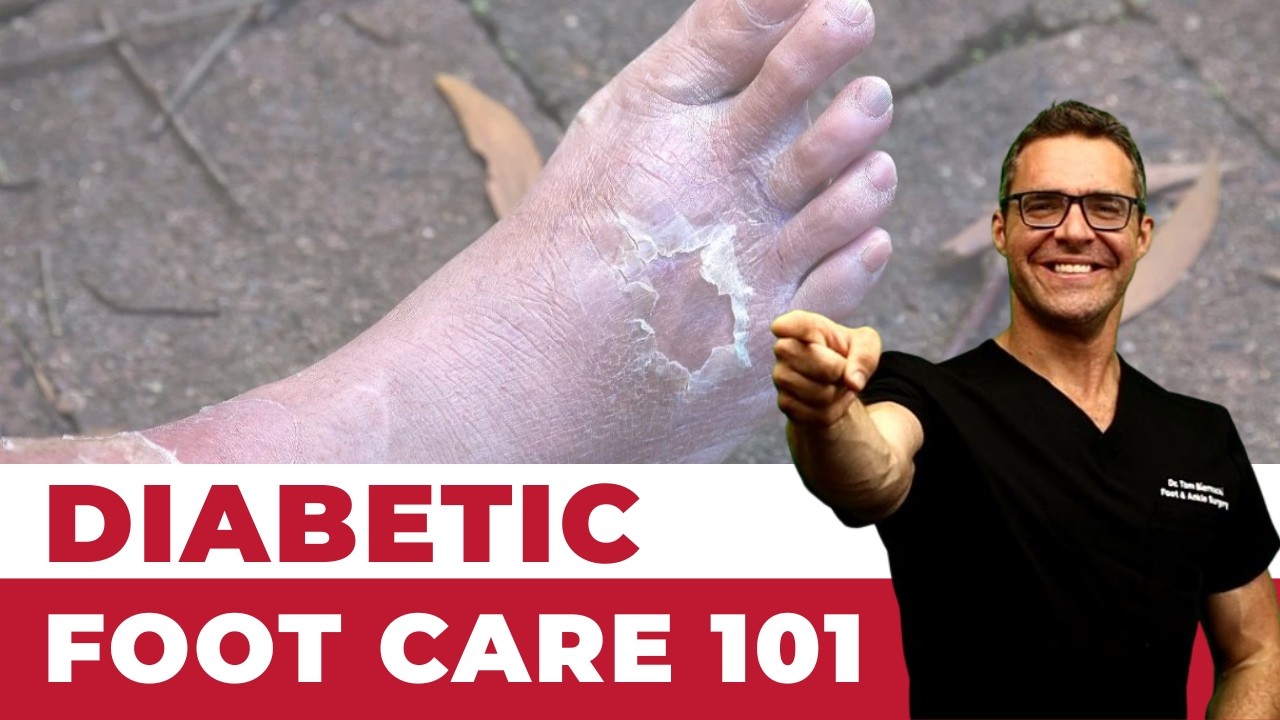
✅ Medically reviewed by Dr. Tom Biernacki, DPM — Board-Certified Podiatrist · Last updated April 6, 2026
The True Cost of Ignoring Diabetic Foot Problems — The $100,000 Amputation
This is the most important page on our website. Please read it — and if you know someone with diabetes, please share it with them.
The Statistics
- Over 60% of non-traumatic lower limb amputations in the US occur in people with diabetes
- Average cost of a diabetic lower limb amputation: $50,000–$100,000+
- 5-year mortality rate after major lower limb amputation: 50–70% — worse than most cancers
- Average cost of PREVENTIVE podiatric care for a diabetic: $200–$500/year — mostly covered by Medicare
“Amputation is not a sudden event. It’s the end of a chain of small, preventable steps. A callus becomes a wound. A wound becomes an infection. An infection reaches the bone. And then options disappear.”
The Chain of Events That Leads to Amputation
| Step | Event | Why Diabetes Makes It Worse |
|---|---|---|
| 1 | Callus or pressure point develops | Neuropathy means you can’t feel it forming |
| 2 | Callus breaks down into a wound | High blood sugar impairs wound healing |
| 3 | Wound becomes infected | Immune dysfunction + poor circulation = infection flourishes |
| 4 | Infection reaches bone (osteomyelitis) | Antibiotics can’t adequately penetrate ischemic tissue |
| 5 | Amputation becomes the only option | Bone infection that can’t heal = structural failure |
The Prevention Chain — Break It at Step 1
Every step in this chain is preventable with appropriate care:
- Annual diabetic foot exam (Medicare-covered) → Catches calluses, wounds, neuropathy, and vascular disease before they progress
- Regular nail care (Medicare-covered for at-risk patients) → Prevents ingrown nails and nail-related infections
- Therapeutic shoes (Medicare-covered annually) → Prevents pressure points from developing
- Early wound intervention → We use MLS laser to accelerate healing before infection sets in
- Coordinated care with your PCP and endocrinologist → Blood sugar control is essential for healing
Our Howell office coordinates with Vassallo Medical Group (same road — Grand River Ave) for patients with diabetes, vascular disease, and systemic conditions. Coordinated care for Livingston County patients.
📞 (810) 206-1402 | Howell, MI
Daily Home Foot Care for Diabetics
• Inspect both feet every day — use a foot inspection mirror for the bottom ($10–$15)
• Apply diabetic moisturizer to heels and soles — NOT between toes (Eucerin Diabetics’ Relief, $12)
• Wear diabetic socks — no seams, proper circulation ($15–$25/3-pack)
• Nutricost Alpha Lipoic Acid for nerve support ($12/month)
• Never go barefoot — even indoors
• Report ANY new wound, blister, or redness immediately
If you have diabetes and you’ve never had a foot exam — call us today. It’s covered by Medicare. It takes 20 minutes. It could save your foot.
✅ MLS Dual-Wavelength Laser — FDA-cleared
✅ EPAT Shockwave Therapy — 80%+ success rate
✅ Magnetotransduction (EMTT) — Deep electromagnetic healing
✅ 3D-Scanned Custom Orthotics
✅ Toenail Fungus Laser
✅ In-Office X-Ray & Ultrasound
✅ Diabetic Shoe Program — Medicare-covered
📞 (810) 206-1402 | Howell & Bloomfield Township
Don’t Wait Until It’s Worse
Early treatment costs less and works better. Call us today.
📞 (810) 206-1402
Howell: 4330 E Grand River Ave | Bloomfield Township: 43494 Woodward Ave #208
Clinical Foot Care Beyond Products: Michigan’s Balance Foot & Ankle
Michigan patients using foot care products — wound care supplies, topical treatments, foot supplements, compression garments, orthotics, or stretching devices — as part of their foot health routine benefit from occasional clinical evaluation to ensure the products they are using are appropriate for their specific condition and that no developing pathology requires professional intervention. At Balance Foot & Ankle, our clinical evaluation confirms the diagnosis, assesses whether current product-based management is adequate, and identifies cases where professional treatment would produce better outcomes than continued self-management.
For Michigan patients managing chronic conditions — diabetic foot care, neuropathy management, post-surgical recovery, or persistent tendinopathy — regular podiatric check-ins at appropriate intervals ensure that small changes are caught before they become significant complications. The right interval varies by condition and risk level: high-risk diabetic patients benefit from quarterly visits; stable patients using products for minor chronic conditions may need only annual check-ins. At Balance Foot & Ankle, we help patients identify the appropriate visit frequency for their specific situation. Livingston and Oakland County patients can call (810) 206-1402 to schedule at our Howell or Bloomfield Township office.
Michigan patients can access expert diabetic foot care in Michigan at Balance Foot & Ankle. Our board-certified podiatrists serve Howell (4330 E Grand River) and Bloomfield Township (43494 Woodward Ave #208). Schedule an appointment online or call (810) 206-1402 for same-week availability.
Related Patient Guides
- Diabetic Foot Care Daily Routine
- Neuropathy Exercises for Feet
- Neuropathy in Feet: Relief Guide
- PAD & Foot Symptoms: Circulation Warning Signs
- 12 Signs You Need to See a Podiatrist
Insurance Accepted
BCBS · Medicare · Aetna · Cigna · United Healthcare · HAP · Priority Health · Humana · View All →

👟 Dr. Tom Also Recommends
Podiatrist Recommended Shoes 2026: Dr. Tom’s Top Picks for Every Condition
The right footwear can make or break your recovery. Dr. Tom’s complete guide to the best shoes for plantar fasciitis, flat feet, neuropathy, bunions & more — with clinical picks for every foot type.
Howell Office
4330 E Grand River Ave
Howell, MI 48843
Get Directions →
Bloomfield Township Office
43494 Woodward Ave, #208
Bloomfield Township, MI 48302
Get Directions →
Your Board-Certified Podiatrists



Ready to Get Back on Your Feet?
Same-week appointments available at both locations.
In-Office Treatment at Balance Foot & Ankle
If home care isn’t resolving your diabetic foot concern, a visit with a board-certified podiatrist is the fastest path to accurate diagnosis and a personalized plan. At Balance Foot & Ankle Specialists, Dr. Tom Biernacki, Dr. Carl Jay, and Dr. Daria Gutkin offer same-day and next-day appointments at both our Howell and Bloomfield Township offices. We perform on-site diagnostic ultrasound, digital X-ray, conservative care, advanced regenerative treatments, and minimally invasive surgery when indicated.
Call (810) 206-1402 or request an appointment online. Most insurance plans accepted, including Medicare, Blue Cross Blue Shield, Aetna, Cigna, and United Healthcare.
Differential Diagnosis: What Else Could It Be?
Several conditions share symptoms with Diabetic Neuropathy and are commonly misdiagnosed in the first office visit. Considering these alternatives is part of every Balance Foot & Ankle exam:
- Tarsal tunnel syndrome. Burning radiating into the arch with positive Tinel’s at the medial ankle.
- Peripheral artery disease. Pain with walking that resolves with rest, weak pulses, hair loss on toes.
- Lumbar radiculopathy. Symptoms following a dermatome, often with back pain — MRI of spine, not foot.
If your symptoms don’t fit the textbook pattern, ask your podiatrist which differentials they ruled out — that conversation often shortcuts months of trial-and-error treatment.
In Our Clinic
Diabetic neuropathy patients in our clinic often don’t realize they have it until we put a 10-gram Semmes-Weinstein monofilament to the plantar foot and they can’t feel it. Many arrive for an unrelated concern — an ingrown toenail, a callus — and we catch the neuropathy on screening. The conversation then shifts: we need to discuss daily foot inspections, appropriate footwear, the urgency of any blister or open area, and the timing of vascular referral if pulses are diminished. Comprehensive diabetic foot exams are covered by Medicare annually. If you have diabetes, we want to see you once a year even if nothing hurts.
Most Common Mistake We See
The most common mistake we see is: Stopping B-vitamin supplementation as soon as symptoms improve. Fix: maintain supplementation for 6-18 months alongside strict glucose control.
Warning Signs That Need Same-Day Care
Seek immediate evaluation at Balance Foot & Ankle if you experience any of the following:
- Sudden loss of sensation on one side
- Wound on the foot not felt by the patient
- One-sided symptoms (rule out compression)
- Back pain plus leg symptoms (possible radiculopathy)
Call (810) 206-1402 — same-day and next-day appointments at our Howell and Bloomfield Township offices.
Pros & Cons of Conservative Care for diabetic foot care
Advantages
- ✓ Daily inspection prevents amputation
- ✓ Most insurance covers DME
- ✓ Custom orthotics help
Considerations
- ✗ Daily commitment required
- ✗ Slow wound healing
- ✗ Charcot risk if neuropathy
In This Article
- Quick Answer
- In-Office Treatment at Balance Foot & Ankle
- Differential Diagnosis: What Else Could It Be?
Several conditions share symptoms with Diabetic Neuropathy and are commonly misdiagnosed in the first office visit. Considering these alternatives is part of every Balance Foot & Ankle exam:Tarsal tunnel syndrome. Burning radiating into the arch with positive Tinel’s at the medial ankle.
Peripheral artery disease. Pain with walking that resolves with rest, weak pulses, hair loss on toes.
Lumbar radiculopathy. Symptoms following a dermatome, often with back pain — MRI of spine, not foot.If your symptoms don’t fit the textbook pattern, ask your podiatrist which differentials they ruled out — that conversation often shortcuts months of trial-and-error treatment.
In Our Clinic
Diabetic neuropathy patients in our clinic often don’t realize they have it until we put a 10-gram Semmes-Weinstein monofilament to the plantar foot and they can’t feel it. Many arrive for an unrelated concern — an ingrown toenail, a callus — and we catch the neuropathy on screening. The conversation then shifts: we need to discuss daily foot inspections, appropriate footwear, the urgency of any blister or open area, and the timing of vascular referral if pulses are diminished. Comprehensive diabetic foot exams are covered by Medicare annually. If you have diabetes, we want to see you once a year even if nothing hurts.Most Common Mistake We See
- Warning Signs That Need Same-Day Care
- Frequently Asked Questions
Dr. Tom’s Recommended Products for diabetic foot care
Affiliate disclosure: As an Amazon Associate, Balance Foot & Ankle earns from qualifying purchases. We only recommend products we use with patients.
Drew Moonwalker Diabetic Shoe Dr. Tom’s Pick
Best for: Medicare-covered diabetic footwear
Diabetic Compression Socks Dr. Tom’s Pick
Best for: Daily protection + circulation
Ready to Get Back on Your Feet?
Same-day appointments in Howell + Bloomfield Township. Most insurance accepted. Dr. Tom Biernacki, DPM & team.
Book Today — Same-Day Appointments Available
Call Now: (810) 206-1402
About Your Care Team at Balance Foot & Ankle
Dr. Tom Biernacki, DPM · Board-Certified Foot & Ankle Surgeon. Specializes in conservative-first care, minimally invasive bunion surgery, and complex reconstruction.
Dr. Carl Jay, DPM · Accepting new patients. Specializes in sports medicine, athletic injuries, and routine podiatric care.
Dr. Daria Gutkin, DPM, AACFAS · Accepting new patients. Specializes in surgical reconstruction and pediatric podiatry.
Locations: 4330 E Grand River Ave, Howell, MI 48843 · 43494 Woodward Ave Suite 208, Bloomfield Township, MI 48302
Hours: Mon–Fri 8:00 AM – 5:00 PM · (810) 206-1402

Dr. Tom Biernacki, DPM is a board-certified foot & ankle surgeon (ABFAS & ABPM) at Balance Foot & Ankle Specialists in Southeast Michigan. With over a decade of clinical experience, he specializes in heel pain, bunions, diabetic foot care, sports injuries, and minimally invasive surgery. Dr. Biernacki is a member of the APMA and ACFAS, and his patient education content on MichiganFootDoctors.com and YouTube has made him one of the most-followed foot & ankle educators on YouTube.
More questions patients ask
What happens when diabetics ignore foot problems?
Ignoring foot problems with diabetes creates a catastrophic risk chain: small wound → untreated infection → cellulitis → osteomyelitis (bone infection) → gangrene → amputation. This progression can occur in days to weeks in severe cases. Statistics: 15-25% of people with diabetes will develop a foot ulcer in their lifetime; 14-24% of those with a foot ulcer will undergo amputation; 5-year mortality after major amputation in diabetics is 50-70% (higher than many cancers). Early, preventive podiatric care is among the most life-saving interventions available to people with diabetes.
What is the most common reason diabetics need amputation?
The vast majority of diabetic lower extremity amputations follow this preventable sequence: (1) Loss of protective sensation (neuropathy) → patient doesn't feel small injury; (2) Minor wound goes unnoticed and untreated; (3) Poor circulation (PAD) slows healing; (4) Bacteria infect the wound; (5) Infection spreads to deeper tissues or bone; (6) Tissue death (gangrene) requires surgical removal. Each step in this chain can be interrupted with proper care: daily foot inspection, annual podiatry visits, prompt treatment of any wound, blood sugar control, and smoking cessation.
How often do diabetics need to see a podiatrist to prevent amputation?
Visit frequency based on risk: Low risk (no neuropathy, no PAD, no prior ulcer) — once yearly; Moderate risk (neuropathy OR PAD, but not both) — every 3-6 months; High risk (neuropathy + PAD, OR prior ulcer, OR foot deformity) — every 1-3 months; Very high risk (prior amputation, active Charcot) — every 1-2 months. Even low-risk diabetics need annual exams because conditions can change. Balance Foot & Ankle provides comprehensive diabetic foot monitoring — call (810) 206-1402 to schedule. Medicare covers these exams.
Can diabetic amputations be prevented?
Yes — 50-85% of diabetic lower extremity amputations are preventable with proper care. Prevention requires: tight blood sugar control (A1C under 7%); daily self foot inspection; wearing proper footwear (never barefoot); annual diabetic foot exams with a podiatrist; prompt treatment of any wound, no matter how minor; smoking cessation; blood pressure and cholesterol management; and regular vascular assessment. The International Working Group on the Diabetic Foot estimates that 49-85% of amputations are preventable. Balance Foot & Ankle is committed to preventive diabetic foot care — call (810) 206-1402.
What are the real costs of ignoring diabetic foot problems?
The financial and human cost of ignoring diabetic foot problems is immense. Statistics: 85% of diabetic amputations are preceded by preventable foot ulcers; an average diabetic lower extremity amputation costs $50,000–$100,000 in direct medical costs; lifetime care following major amputation exceeds $500,000. At Balance Foot & Ankle, Dr. Tom Biernacki DPM provides proactive diabetic foot care explicitly designed to prevent this cascade — the cost of consistent podiatric care is a tiny fraction of amputation-related costs.
How quickly can a small diabetic foot wound become serious?
Diabetic foot wounds can progress from minor to limb-threatening within 24–72 hours. Neuropathy prevents the patient from feeling progressive tissue damage; impaired circulation limits immune response; elevated blood sugar impairs white blood cell function. A small blister or minor cut that would heal in days in a non-diabetic can become a deep polymicrobial infection requiring hospitalization within 48–72 hours. Balance Foot & Ankle provides same-day urgent care for diabetic foot wounds — call (810) 206-1402 immediately for any wound.
What are the stages of diabetic foot complications?
Diabetic foot complication progression: (1) Neuropathy develops without symptoms, (2) reduced sensation allows minor trauma to go unnoticed, (3) callus, blister, or pressure ulcer forms, (4) superficial infection develops, (5) deep space infection/osteomyelitis, (6) vascular compromise limits healing, (7) gangrene and amputation. Each stage can be intercepted. Balance Foot & Ankle's monitoring program catches patients at stages 1–3, preventing progression to surgical intervention.
What does wound care for a diabetic foot ulcer cost?
Diabetic foot ulcer treatment costs: outpatient wound care $150–400 per visit (typically 2–3x/week for weeks to months), total wound care for a non-surgical ulcer $5,000–30,000; wound care with minor surgical debridement $10,000–50,000; hospitalization for infected ulcer $20,000–80,000 per episode. Medicare and most insurance covers wound care. Balance Foot & Ankle provides in-office wound management using MLS laser, debridement, and advanced dressings — preventing escalation to hospitalization.
Can amputation be prevented in diabetics?
Yes — with proper care, most amputations are preventable. The research is clear: consistent podiatric monitoring combined with patient education, appropriate footwear, and early wound intervention reduces amputation rates by 50–85%. Balance Foot & Ankle is committed to this mission. Our diabetic foot care program includes education, risk stratification, appropriate follow-up frequency, MLS laser for wound healing, and immediate same-day availability for wound emergencies at (810) 206-1402.
How often should diabetics check their feet?
Daily self-exams plus professional exams annually (or every 3-6 months for neuropathy/PAD patients). Dr. Biernacki provides comprehensive diabetic foot care programs.
Why do diabetics have foot problems?
Diabetes causes nerve damage, reduced blood flow, and impaired immunity. Injuries go unnoticed and heal slowly. ~15% of diabetics develop ulcers. Prevention through regular podiatric care is essential.
What are signs of diabetic neuropathy?
Tingling, burning, numbness starting in toes, sensitivity to touch, muscle weakness, balance problems. Schedule evaluation at 810-206-1402 for nerve testing and management.
Still have a question about coverage or cost? Book online and we will check your benefits before your visit: Book in Howell · Book in Bloomfield Township. Prefer to talk it through first? Call (810) 206-1402.