
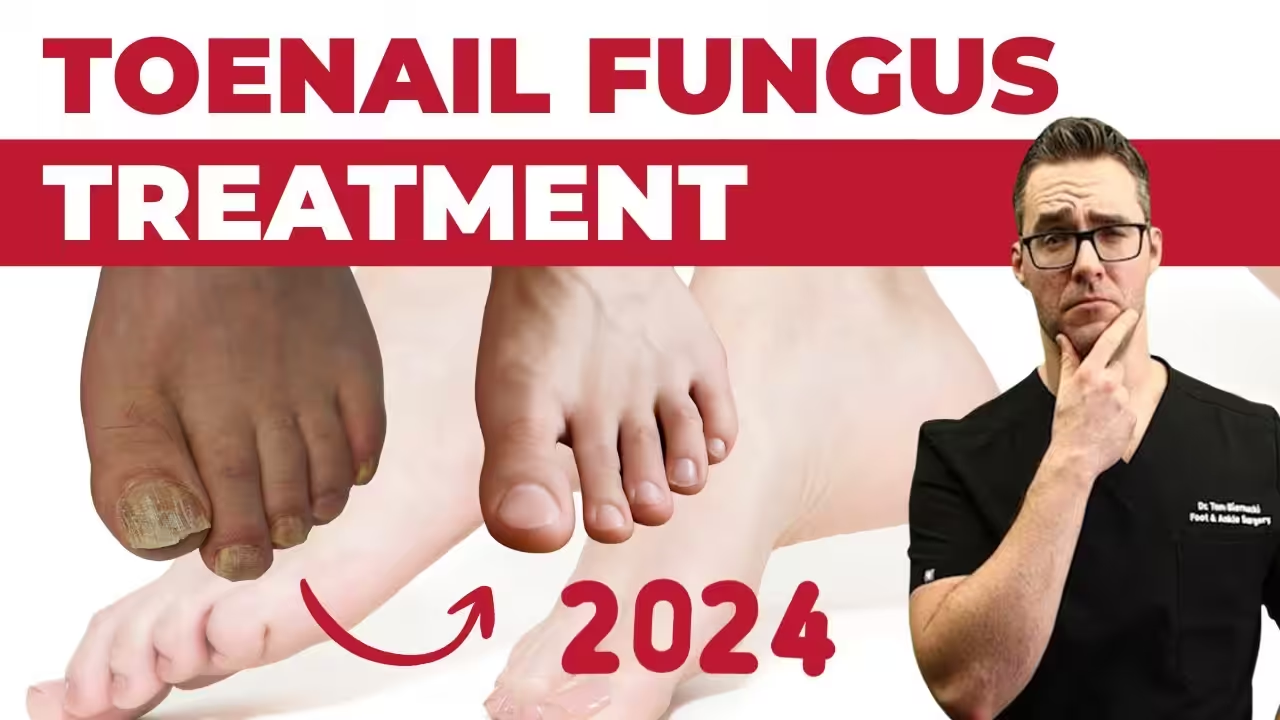
The most important clinical decision with Cost Of Ignoring Toenail Fungus isn’t which treatment to start with — it’s identifying the correct subtype. That changes everything. Call (810) 206-1402.
Dr. Tom’s Top Toenail Fungus Picks (2026)
Medically reviewed by Dr. Tom Biernacki, DPM
Board-certified podiatric surgeon | Balance Foot & Ankle
Last reviewed: May 2026
Affiliate disclosure: As an Amazon Associate, Balance Foot & Ankle earns from qualifying purchases.
Related Conditions
Quick Answer
The True Cost of Ignoring Toenail Fungus — It Gets Wor relates to toenail conditions — typically caused by fungal infection or trauma. Most patients improve in 6-12 months for nail regrowth with conservative care. Same-week appointments in Howell + Bloomfield Township: (810) 206-1402.
Quick Answer
Toenail fungus (onychomycosis) is a dermatophyte infection causing yellow-brown discolouration, thickening, and brittleness. It will not resolve without treatment. OTC options work only for very early cases — established infection needs oral terbinafine or laser therapy.
Watch: Dr. Tom Biernacki, DPM
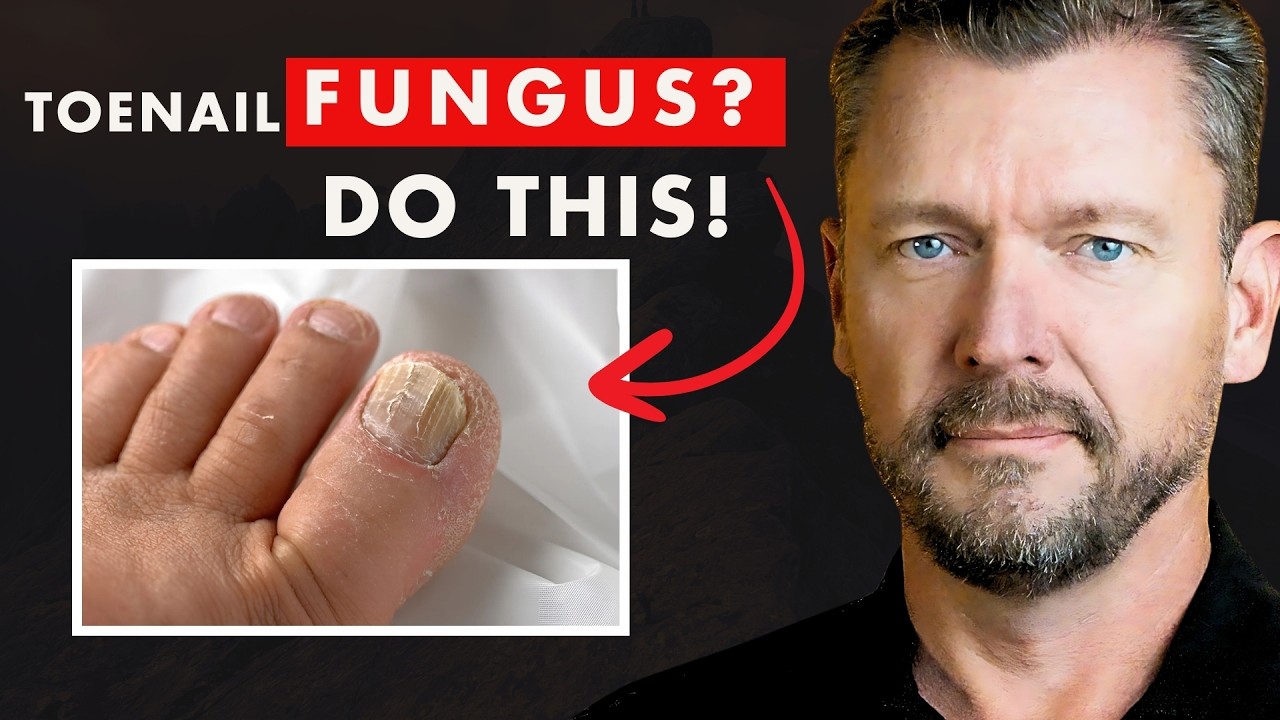
✅ Medically reviewed by Dr. Tom Biernacki, DPM — Board-Certified Podiatrist · Last updated April 6, 2026
The True Cost of Ignoring Toenail Fungus — It Gets Worse (And More Expensive)
Toenail fungus is one of the most under-treated conditions we see — not because patients don’t notice it, but because they keep hoping it will go away. It won’t. Here’s what actually happens when you wait.
The Progression Timeline
| Stage | What You See | Number of Nails Affected |
|---|---|---|
| Early | Yellow or white discoloration on nail edge | 1–2 nails |
| Moderate (6–12 months) | Thickening, crumbling, odor | 3–5 nails |
| Advanced (2–5 years) | All nails involved, nail separation, skin infection risk | All 10 nails |
The OTC Graveyard — What You’ve Probably Already Tried
Most patients spend $200–$500 on OTC products over 2–5 years before finally seeing a podiatrist. Here’s the honest truth about each:
- Tea tree oil ($8–$15): Antifungal properties, but doesn’t penetrate the nail plate. Helpful for skin fungus, rarely cures nail fungus.
- Vicks VapoRub ($6): Anecdotal, not clinical. Some patients report benefit — no peer-reviewed evidence for nail fungus.
- OTC antifungal lacquer ($15–$25): Ciclopirox or similar. 10–15% cure rate when used consistently for 12+ months.
- Oral Lamisil ($30–$200 depending on insurance): 60–70% cure rate but requires liver function monitoring and 3 months of daily medication.
- Our laser treatment ($X per session): 70–80%+ success rate. No side effects. No medication. No liver monitoring. Results you can see.
The Hidden Costs of Untreated Fungus
- Spread to family members: Shared showers, bath mats, and shoes spread fungus
- Skin infections: Advanced fungus causes surrounding skin breakdown
- Nail deformity: Long-term fungal damage changes nail structure permanently
- Diabetic risk: In diabetic patients, untreated nail fungus creates portals for serious bacterial infections
- Social and psychological: Patients avoid sandals, pools, and intimacy for years
Maintenance Products That Actually Help
These won’t cure established fungus — but they prevent recurrence after treatment and slow early progression:
- Antifungal shoe spray: $10–$15 (use daily)
- UV shoe sanitizer: $80–$130 (kills spores between wears)
- Tea tree nail treatment: $8–$12 (daily topical maintenance)
- Moisture-wicking socks: $12–$20/pack (keep feet dry)
✅ MLS Dual-Wavelength Laser — FDA-cleared
✅ EPAT Shockwave Therapy — 80%+ success rate
✅ Magnetotransduction (EMTT) — Deep electromagnetic healing
✅ 3D-Scanned Custom Orthotics
✅ Toenail Fungus Laser
✅ In-Office X-Ray & Ultrasound
✅ Diabetic Shoe Program — Medicare-covered
📞 (810) 206-1402 | Howell & Bloomfield Township
Don’t Wait Until It’s Worse
Early treatment costs less and works better. Call us today.
📞 (810) 206-1402
Howell: 4330 E Grand River Ave | Bloomfield Township: 43494 Woodward Ave #208
Clinical Foot Care Beyond Products: Michigan’s Balance Foot & Ankle
Michigan patients using foot care products — wound care supplies, topical treatments, foot supplements, compression garments, orthotics, or stretching devices — as part of their foot health routine benefit from occasional clinical evaluation to ensure the products they are using are appropriate for their specific condition and that no developing pathology requires professional intervention. At Balance Foot & Ankle, our clinical evaluation confirms the diagnosis, assesses whether current product-based management is adequate, and identifies cases where professional treatment would produce better outcomes than continued self-management.
For Michigan patients managing chronic conditions — diabetic foot care, neuropathy management, post-surgical recovery, or persistent tendinopathy — regular podiatric check-ins at appropriate intervals ensure that small changes are caught before they become significant complications. The right interval varies by condition and risk level: high-risk diabetic patients benefit from quarterly visits; stable patients using products for minor chronic conditions may need only annual check-ins. At Balance Foot & Ankle, we help patients identify the appropriate visit frequency for their specific situation. Livingston and Oakland County patients can call (810) 206-1402 to schedule at our Howell or Bloomfield Township office.
Patients throughout Livingston and Oakland counties trust Balance Foot & Ankle for both clinical podiatric care and evidence-based guidance on foot health products and self-care strategies. Our two Michigan locations — Howell at 4330 E Grand River and Bloomfield Township at 43494 Woodward Ave #208 — are easily accessible from throughout the region, with ample parking and same-week scheduling for new patients. Whether you need a hands-on exam plus imaging when needed, a product recommendation, or a specific podiatric procedure, our team is ready to help. Call (810) 206-1402 to schedule.
Michigan patients can access expert ingrown toenail treatment in Michigan at Balance Foot & Ankle. Our board-certified podiatrists serve Howell (4330 E Grand River) and Bloomfield Township (43494 Woodward Ave #208). Schedule an appointment online or call (810) 206-1402 for same-week availability.
Related Guides
Insurance Accepted
BCBS · Medicare · Aetna · Cigna · United Healthcare · HAP · Priority Health · Humana · View All →
Howell Office
4330 E Grand River Ave
Howell, MI 48843
Get Directions →
Bloomfield Township Office
43494 Woodward Ave, #208
Bloomfield Township, MI 48302
Get Directions →
Your Board-Certified Podiatrists



Ready to Get Back on Your Feet?
Same-week appointments available at both locations.
In-Office Treatment at Balance Foot & Ankle
If home care isn’t resolving your toenail fungus, a visit with a board-certified podiatrist is the fastest path to accurate diagnosis and a personalized plan. At Balance Foot & Ankle Specialists, Dr. Tom Biernacki, Dr. Carl Jay, and Dr. Daria Gutkin offer same-day and next-day appointments at both our Howell and Bloomfield Township offices. We perform on-site diagnostic ultrasound, digital X-ray, conservative care, advanced regenerative treatments, and minimally invasive surgery when indicated.
Call (810) 206-1402 or request an appointment online. Most insurance plans accepted, including Medicare, Blue Cross Blue Shield, Aetna, Cigna, and United Healthcare.
Differential Diagnosis: What Else Could It Be?
Several conditions share symptoms with Toenail Fungus and are commonly misdiagnosed in the first office visit. Considering these alternatives is part of every Balance Foot & Ankle exam:
- Nail psoriasis. Pitting, oil-drop spots, salmon patches — responds to topical steroid, not antifungal.
- Nail trauma (runner’s nail). Subungual hematoma from repetitive impact — shoe fit fix, not antifungal.
- Onychogryphosis. Thickened, ram’s-horn nail of the elderly — debridement, not pills.
If your symptoms don’t fit the textbook pattern, ask your podiatrist which differentials they ruled out — that conversation often shortcuts months of trial-and-error treatment.
In Our Clinic
In our clinic, the toenail fungus patient has usually already tried OTC topical antifungals for months with no improvement. We confirm the diagnosis with a PAS stain or fungal culture — because about 30 % of thickened, discolored nails are actually NOT fungal (they’re trauma, nail psoriasis, or keratin granulation from polish). For true dermatophyte onychomycosis, oral terbinafine (Lamisil) remains the most effective treatment with ~70 % cure rate and manageable safety monitoring. Nail laser and topical efinaconazole are options for patients who can’t take oral medication. The nail grows back clear over 9–12 months, not overnight.
Most Common Mistake We See
The most common mistake we see is: Applying OTC antifungal cream onto a lifted or thickened nail where it can’t penetrate. Fix: oral terbinafine or laser therapy for anything beyond early-stage surface discolouration.
Warning Signs That Need Same-Day Care
Seek immediate evaluation at Balance Foot & Ankle if you experience any of the following:
- Spreading redness or warmth around the nail
- Nail fully lifting from the nail bed
- Diabetes or poor circulation (urgent)
- Odour or purulent discharge
Call (810) 206-1402 — same-day and next-day appointments at our Howell and Bloomfield Township offices.
Pros & Cons of Conservative Care for toenail conditions
Advantages
- ✓ Most cases resolve at home
- ✓ Same-week appointments available
- ✓ Permanent fix exists
Considerations
- ✗ Recurrence common without prevention
- ✗ Diabetics need professional care
In This Article
- Quick Answer
- Clinical Foot Care Beyond Products: Michigan’s Balance Foot & Ankle
- In-Office Treatment at Balance Foot & Ankle
- Differential Diagnosis: What Else Could It Be?
Several conditions share symptoms with Toenail Fungus and are commonly misdiagnosed in the first office visit. Considering these alternatives is part of every Balance Foot & Ankle exam:Nail psoriasis. Pitting, oil-drop spots, salmon patches — responds to topical steroid, not antifungal.
Nail trauma (runner’s nail). Subungual hematoma from repetitive impact — shoe fit fix, not antifungal.
Onychogryphosis. Thickened, ram’s-horn nail of the elderly — debridement, not pills.If your symptoms don’t fit the textbook pattern, ask your podiatrist which differentials they ruled out — that conversation often shortcuts months of trial-and-error treatment.
In Our Clinic
In our clinic, the toenail fungus patient has usually already tried OTC topical antifungals for months with no improvement. We confirm the diagnosis with a PAS stain or fungal culture — because about 30 % of thickened, discolored nails are actually NOT fungal (they’re trauma, nail psoriasis, or keratin granulation from polish). For true dermatophyte onychomycosis, oral terbinafine (Lamisil) remains the most effective treatment with ~70 % cure rate and manageable safety monitoring. Nail laser and topical efinaconazole are options for patients who can’t take oral medication. The nail grows back clear over 9–12 months, not overnight.Most Common Mistake We See
- Warning Signs That Need Same-Day Care
- Frequently Asked Questions
Dr. Tom’s Recommended Products for toenail conditions
Affiliate disclosure: As an Amazon Associate, Balance Foot & Ankle earns from qualifying purchases. We only recommend products we use with patients.
Tolcylen Antifungal Solution Dr. Tom’s Pick
Best for: Most effective topical for fungus
Ready to Get Back on Your Feet?
Same-day appointments in Howell + Bloomfield Township. Most insurance accepted. Dr. Tom Biernacki, DPM & team.
Book Today — Same-Day Appointments Available
Call Now: (810) 206-1402
About Your Care Team at Balance Foot & Ankle
Dr. Tom Biernacki, DPM · Board-Certified Foot & Ankle Surgeon. Specializes in conservative-first care, minimally invasive bunion surgery, and complex reconstruction.
Dr. Carl Jay, DPM · Accepting new patients. Specializes in sports medicine, athletic injuries, and routine podiatric care.
Dr. Daria Gutkin, DPM, AACFAS · Accepting new patients. Specializes in surgical reconstruction and pediatric podiatry.
Locations: 4330 E Grand River Ave, Howell, MI 48843 · 43494 Woodward Ave Suite 208, Bloomfield Township, MI 48302
Hours: Mon–Fri 8:00 AM – 5:00 PM · (810) 206-1402

Dr. Tom Biernacki, DPM is a board-certified foot & ankle surgeon (ABFAS & ABPM) at Balance Foot & Ankle Specialists in Southeast Michigan. With over a decade of clinical experience, he specializes in heel pain, bunions, diabetic foot care, sports injuries, and minimally invasive surgery. Dr. Biernacki is a member of the APMA and ACFAS, and his patient education content on MichiganFootDoctors.com and YouTube has made him one of the most-followed foot & ankle educators on YouTube.
More questions patients ask
What happens if toenail fungus is left untreated?
Untreated toenail fungus progressively worsens: the infection spreads to involve more of the nail and adjacent nails; nails become increasingly thickened, discolored, and brittle; severe cases cause pain with shoe wearing; fungus can spread to skin (athlete's foot) or genitalia; in diabetics and immunocompromised patients, nail fungus can lead to secondary bacterial infections and serious complications; and social/psychological impact increases as nails become more visibly abnormal. Treatment becomes increasingly difficult as the infection becomes more established.
Can toenail fungus spread to other people in my family?
Yes — toenail fungus (dermatophyte fungi) is contagious through shared surfaces and direct contact. Family spread occurs through: shared bathrooms and shower floors; shared towels; shared nail clippers; and walking on common floor surfaces. Diabetics, elderly family members, and those with immune problems are most susceptible. Treating your infection promptly protects your family. While treating your own nails, disinfect shared bathroom surfaces weekly and never share nail care tools. Family members with early nail changes should see a podiatrist for prompt treatment.
Does toenail fungus ever go away on its own?
Rarely. Without treatment, toenail fungus almost universally persists and progresses — the fungus lives in the nail bed where the immune system has limited reach. Very early, superficial infections occasionally self-limit, but established onychomycosis involving the nail plate consistently requires treatment to clear. The longer fungus is left untreated, the more nail is involved and the longer treatment takes. Early treatment is both more effective and shorter. Don't wait years hoping it will resolve — seek treatment at the first sign of nail discoloration or thickening.
Is toenail fungus just cosmetic or is it actually dangerous?
For most healthy adults, toenail fungus is primarily a cosmetic and quality-of-life issue — but it becomes medically serious for: diabetics (fungal nails create entry points for bacterial infections leading to serious foot infections); immunocompromised patients (cancer chemotherapy, organ transplant, HIV); those with peripheral arterial disease; patients taking biologic medications; and the elderly. For any person, thick fungal nails can cause pain, ingrown nail complications, and mobility limitations. Even in healthy adults, untreated fungal nails harbor infection that can spread to skin and other nails.
What happens if you leave toenail fungus untreated for years?
Untreated toenail fungus progressively worsens: the infection spreads to adjacent nails (typically all 10 eventually), nails thicken dramatically (making them painful in closed-toe shoes), the nail plate crumbles and partially separates, secondary bacterial infections can develop, and the infection spreads to skin causing athlete's foot. At Balance Foot & Ankle, Dr. Tom Biernacki DPM notes that patients who wait 5–10 years to seek treatment often require much more intensive therapy than those who treated early.
Can toenail fungus spread to other family members?
Yes — toenail fungus (dermatophytes) spreads through shared shower areas, towels, nail tools, and shoe sharing. Family members sharing bathrooms have approximately 20–30% transmission risk over time. Balance Foot & Ankle recommends treating active infections promptly, wearing sandals in shared showers, not sharing nail tools, and UV sanitizing shared bathroom floors to protect household members.
Does toenail fungus cause permanent nail damage?
Severe, long-standing fungal infections can cause permanent nail matrix damage that prevents normal nail regrowth even after the infection is cleared. This is one important reason to treat early. Patients with decades-long infections sometimes have some permanent nail irregularity even after successful treatment. Balance Foot & Ankle uses a combination of laser therapy and topical antifungals to maximize nail plate clearance and support healthy regrowth.
Is toenail fungus treatment worth the cost?
Yes — both financially and for quality of life. Untreated fungus causes pain in closed shoes (limiting footwear choices and activity), embarrassment affecting social situations, increased infection risk particularly for diabetics, and progressive spread requiring more extensive treatment. Laser treatment at Balance Foot & Ankle ($300–600 for 3–4 sessions) plus topical antifungal completely clears most cases — a worthwhile investment compared to years of worsening symptom management.
When is toenail fungus a medical emergency?
Toenail fungus is urgent (not emergency) in diabetics — any nail infection creates a portal for serious secondary bacterial infection in immunocompromised patients. For healthy individuals, fungal nails are not emergencies but should be addressed within months rather than years. Balance Foot & Ankle offers prompt evaluation and treatment at 4330 E Grand River, Howell and 43494 Woodward Ave #208, Bloomfield Township. Call (810) 206-1402 to schedule toenail fungus treatment.
What is the best treatment for toenail fungus?
Oral antifungal medication has 70-80% cure rate. Laser therapy and topicals work for milder cases. Dr. Biernacki creates individualized plans based on severity. Treatment takes 3-6 months. Call 810-206-1402.
Is toenail fungus contagious?
Yes, it spreads through direct contact and contaminated surfaces. High-risk: pools, gym showers, locker rooms. Wear shower shoes, keep feet dry, use antifungal powder, don't share nail tools.
How do I know if I have toenail fungus?
Signs: yellowing/whitening, thickening, crumbling edges, separation from nail bed, foul odor. Professional diagnosis recommended as it can be confused with nail psoriasis or trauma.
Still have a question about coverage or cost? Book online and we will check your benefits before your visit: Book in Howell · Book in Bloomfield Township. Prefer to talk it through first? Call (810) 206-1402.