
Medically reviewed by Dr. Tom Biernacki, DPM
Board-certified podiatric surgeon | Balance Foot & Ankle, Howell & Bloomfield Township, MI
Last reviewed: May 2026
Diabetic foot care prevents the two most catastrophic outcomes — ulcers and amputations — but the protective exam finding most patients never know to ask for is what predicts 80% of ulcer risk years in advance. Call (810) 206-1402 for a diabetic foot evaluation at Balance Foot & Ankle.
Podiatrist-Recommended Products for Diabetic Neuropathy
Managing diabetic neuropathy requires protecting insensate feet from injury while addressing the pain and discomfort that many patients experience. These are the products Dr. Biernacki recommends most consistently for diabetic neuropathy patients at Balance Foot & Ankle.
Seamless Non-Binding Diabetic Socks
Standard socks with seams and tight elastic cuffs are a hidden danger for diabetic neuropathy patients who can’t feel the resulting skin breakdown until it becomes an ulcer. Seamless diabetic socks with a non-binding top eliminate both hazards. Look for a moisture-wicking bamboo or merino wool blend that keeps feet dry — wet skin maceration is the precursor to most diabetic foot ulcers. Dr. Biernacki recommends white socks so any discharge or bleeding is immediately visible during daily foot checks.
TENS Unit — Drug-Free Neuropathy Pain Relief
Transcutaneous electrical nerve stimulation (TENS) provides clinically-supported pain relief for diabetic peripheral neuropathy without adding to the already-long medication list most diabetic patients manage. The electrical current disrupts the pain signal along the same sensory nerve fibers that neuropathy damages, providing 2–4 hours of relief per session. Dr. Biernacki recommends the iReliev or Compex TENS units — both have preset neuropathy programs and enough electrode placement flexibility to cover the entire dorsal and plantar foot surface.
Capsaicin or Menthol Neuropathy Cream
Topical capsaicin cream (0.025–0.075%) depletes substance P — the neurotransmitter that carries burning neuropathy pain signals — from superficial nerve endings over 4–6 weeks of daily use. For patients who can’t tolerate the initial burning sensation capsaicin causes, menthol-based creams provide cooling counter-irritant relief without the warmup period. Dr. Biernacki recommends trying menthol creams first, then transitioning to capsaicin for longer-term relief if tolerated. Never apply to broken or ulcerated skin.
New Balance 928 — Medicare-Covered Diabetic Shoe
For patients with diabetic neuropathy and a history of foot ulcers, therapeutic depth footwear is the standard of care — and it’s covered by Medicare Part B. The New Balance 928 is PDAC-approved (meets Medicare’s Therapeutic Shoe Program criteria), provides 1/4” extra depth for custom insoles, and has a wide/extra-wide toe box that accommodates foot deformities. Dr. Biernacki can write the prescription — call our office for details on qualifying for Medicare shoe coverage.
→ Shop New Balance 928 Diabetic Shoes on Amazon (biernact-20)
It starts as something easy to dismiss — a mild tingling in the toes at the end of the day, maybe some numbness in the ball of the foot. Then it’s burning at night that interrupts sleep. Eventually, some patients stop feeling their feet at all, which sounds like a relief until you realize that loss of sensation is what allows small injuries — blisters, cuts, pressure sores — to become infected wounds that threaten limb and life.
Diabetic peripheral neuropathy is one of the most serious and underappreciated complications of diabetes, and it’s one of the most common reasons patients end up in our podiatric clinic. Understanding what’s happening to the nerves in your feet, how to slow the process, and how to protect your feet from its consequences is critical for every person living with diabetes.
What Is Diabetic Peripheral Neuropathy?
Peripheral neuropathy refers to damage to the peripheral nervous system — the nerves that carry signals between the brain/spinal cord and the rest of the body. In diabetic peripheral neuropathy (DPN), chronically elevated blood glucose damages the small blood vessels (microangiopathy) that supply oxygen and nutrients to nerve fibers, and also directly damages the nerve’s myelin sheath through a process involving advanced glycation end products (AGEs) and oxidative stress.
The longest nerves — those supplying the feet and lower legs — are affected first, because they’re the farthest from the spinal cord and the most vulnerable to microvascular compromise. This creates the characteristic “stocking-and-glove” pattern: symptoms start in the toes and feet and progress upward toward the knees before affecting the hands.
DPN affects 50% of people who have had diabetes for 25 years or more, and roughly 20% of patients at the time of a new Type 2 diabetes diagnosis — meaning that some people have nerve damage before they know they have diabetes.
Symptoms and Types of Diabetic Neuropathy
Painful (Small Fiber) Neuropathy
The most common presentation. Small unmyelinated and lightly myelinated nerve fibers — responsible for pain and temperature sensation — are affected first. Symptoms:
- Burning pain: Often described as walking on hot sand or standing on a heating pad. Worst at night, often disrupting sleep.
- Electric shock sensations: Sharp, jabbing pains that come without warning.
- Allodynia: Normal stimuli (like a bedsheet touching the feet) become painful. Many patients sleep with their feet outside the covers.
- Tingling (paresthesias): Pins-and-needles sensations, usually in the toes and forefoot.
Large Fiber Neuropathy (Sensory Loss)
As the disease progresses, larger nerve fibers that carry vibration and proprioception (position sense) are affected. This is the stage of progressive numbness and loss of protective sensation — and it’s the most dangerous phase from a foot care standpoint. Patients can’t feel injuries occurring, can’t feel when a blister or pressure sore is forming, and can’t detect temperature extremes that would cause burns in a normal foot.
Balance problems are common — proprioceptive loss means the foot can’t accurately report its position to the brain, leading to unsteady gait and increased fall risk.
Autonomic Neuropathy in the Foot
Autonomic nerves control sweat glands, blood vessel diameter, and skin health. Autonomic neuropathy in the foot causes: loss of sweating (anhidrosis) → abnormally dry, cracked skin → fissures that become entry points for infection; arteriovenous shunting → skin of the foot may appear warm and pink even when small vessel disease limits tissue oxygenation; and loss of the normal arterial pulse regulation that directs blood flow to healing areas.
How Diabetic Neuropathy Is Diagnosed
Diagnosis is primarily clinical — we assess multiple modalities of sensation at the bedside using validated tools:
- Semmes-Weinstein monofilament test: A 10-gram nylon filament pressed against the foot at 10 standard sites. Inability to feel the filament at the plantar first metatarsal head predicts high ulcer risk with 90% sensitivity.
- Vibration perception (128 Hz tuning fork): Applied to the hallux and medial malleolus. Reduced vibration perception identifies large fiber involvement.
- Ankle reflexes: Loss of the Achilles reflex is often the first objective sign of DPN.
- Temperature sensation: Warm and cold distinguish small fiber function.
Nerve conduction studies (EMG/NCV) can quantify the degree of large-fiber damage and track progression over time. Skin punch biopsy for intraepidermal nerve fiber density is the most sensitive test for small fiber neuropathy but is reserved for atypical presentations. HbA1c, complete metabolic panel, B12 level, and thyroid function are checked to assess glycemic control and rule out other treatable causes of neuropathy.
Blood Sugar Control: The Foundation of Treatment
This is the single most powerful intervention for slowing or partially reversing diabetic neuropathy — and it’s the one that’s most often underemphasized relative to symptomatic medications. The landmark DCCT trial demonstrated that tight glycemic control (HbA1c ≤7%) reduced the risk of developing neuropathy by 60% in Type 1 diabetes. Subsequent studies in Type 2 confirm the same principle: every percentage point reduction in HbA1c meaningfully reduces neuropathy risk and slows progression.
For patients with existing neuropathy, improved glycemic control can produce partial reversal of small fiber neuropathy — especially in the early stages before irreversible axonal damage has occurred. This is why newly diagnosed patients with early symptoms sometimes experience dramatic improvement in neuropathic pain simply by tightening blood sugar management — the nerve fibers recover some function as the glucose-driven oxidative stress is reduced.
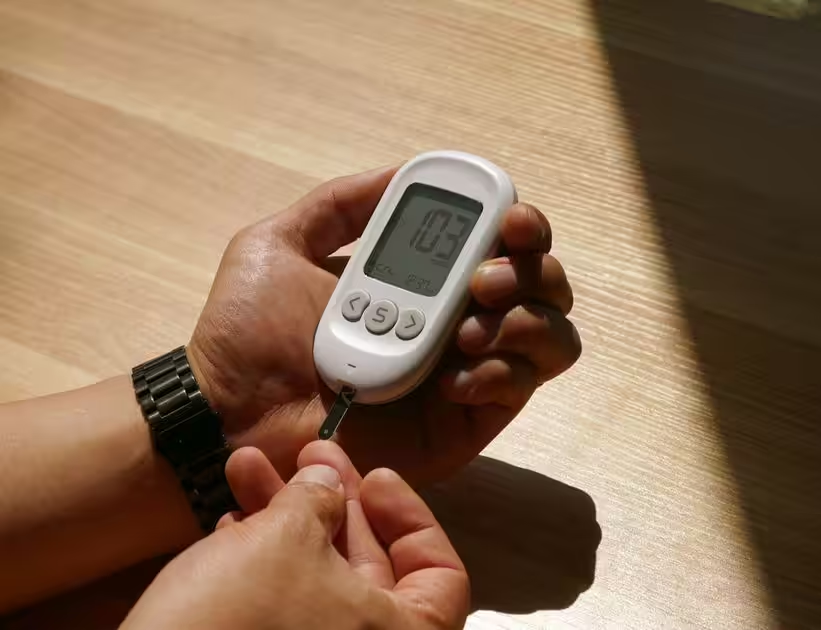
Target HbA1c: below 7.0% per ADA guidelines, individualized based on age, comorbidities, and hypoglycemia risk. Fasting glucose 80–130 mg/dL. Postprandial glucose below 180 mg/dL. Continuous glucose monitoring (CGM) has been significant for many patients in achieving tighter control without hypoglycemia — review your CGM data with your endocrinologist or primary care provider at every visit.
FDA-Approved Medications for Diabetic Nerve Pain
When neuropathic pain impairs quality of life — particularly sleep — pharmacologic treatment is appropriate. These medications treat the pain symptoms; they don’t reverse the underlying nerve damage. Several agents have FDA approval specifically for DPN:
Duloxetine (Cymbalta)
A serotonin-norepinephrine reuptake inhibitor (SNRI) that modulates pain signal processing in the central nervous system. First-line FDA-approved treatment for DPN. Typical dosing: 60 mg once daily (start at 30 mg for 1 week). Works in 3–4 weeks. 50% or more pain reduction in about 50% of patients. Side effects: nausea (usually transient), dry mouth, dizziness. Should be avoided with MAOIs and used with caution in hepatic impairment.

Dr. Tom Biernacki, DPM is a board-certified foot & ankle surgeon (ABFAS & ABPM) at Balance Foot & Ankle Specialists in Southeast Michigan. With over a decade of clinical experience, he specializes in heel pain, bunions, diabetic foot care, sports injuries, and minimally invasive surgery. Dr. Biernacki is a member of the APMA and ACFAS, and his patient education content on MichiganFootDoctors.com and YouTube has made him one of the most-followed foot & ankle educators on YouTube.
More questions patients ask
What does a diabetic foot exam include?
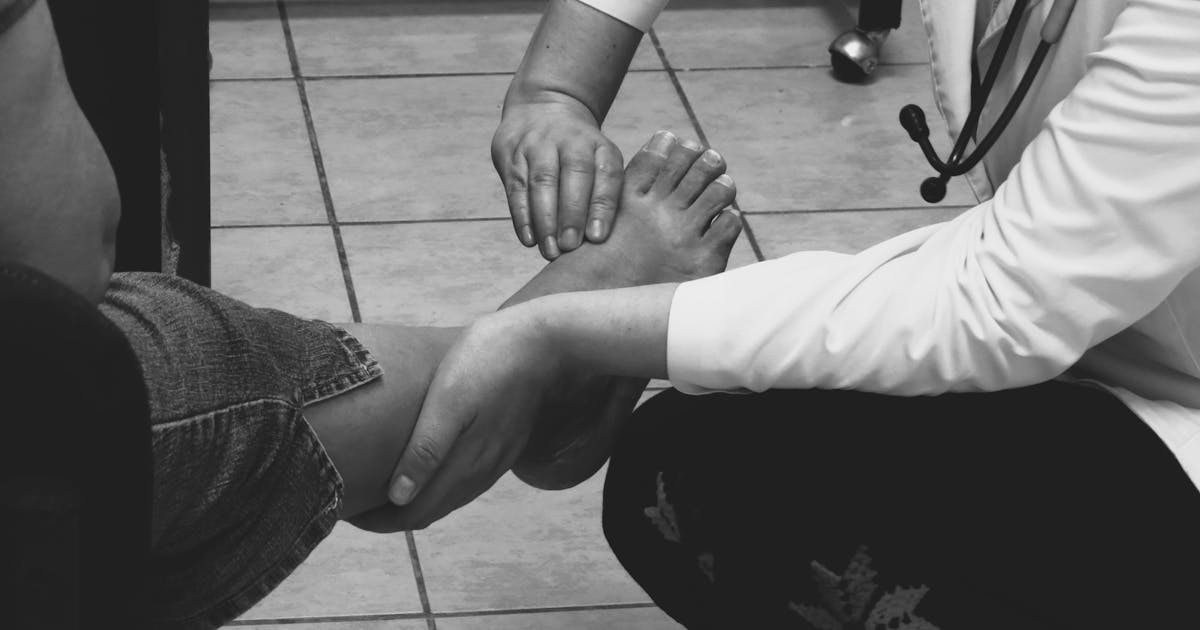
A diabetic foot exam includes monofilament testing for protective sensation, vascular assessment (pulses, skin temperature), skin and nail inspection, structural deformity assessment, and footwear evaluation. At Balance Foot & Ankle, Dr. Tom Biernacki performs comprehensive diabetic foot exams with same-day treatment of identified issues.
How can diabetics prevent foot ulcers?
Diabetic foot ulcer prevention includes daily foot self-exams, wearing properly fitted diabetic footwear, never going barefoot, keeping blood sugar controlled, annual (or more frequent) podiatry exams, and treating even minor cuts, blisters, or calluses immediately. Call Balance Foot & Ankle at (810) 206-1402.
Still have a question about coverage or cost? Book online and we will check your benefits before your visit: Book in Howell · Book in Bloomfield Township. Prefer to talk it through first? Call (810) 206-1402.