

Quick answer: Extracorporeal Shockwave Therapy affects roughly 1 in 4 adults in our practice. Effective treatment starts with a targeted diagnosis, conservative-first treatment, and escalation only when needed. We treat this regularly at our Howell and Bloomfield Township practices. Call (810) 206-1402.
Medically reviewed by Dr. Tom Biernacki, DPM · Board-Certified Podiatric Surgeon · Last reviewed: April 2026 · Editorial Policy
The most important clinical decision with Extracorporeal Shockwave Therapy isn’t which treatment to start with — it’s identifying the correct subtype. That changes everything. Call (810) 206-1402.
Related Conditions
Quick Answer
Diabetic peripheral neuropathy is progressive nerve damage, not a temporary injury. Management focuses on glucose control, symptom relief, and protective foot care to prevent ulcers, since lost sensation does not return. Same-week appointments in Howell + Bloomfield Township: (810) 206-1402.
Medically reviewed by Dr. Tom Biernacki, DPM — Board-Certified Podiatric Surgeon — Balance Foot & Ankle, Howell & Bloomfield Township, MI. Last updated April 2026.
▶ Watch
What Is Extracorporeal Shockwave Therapy?
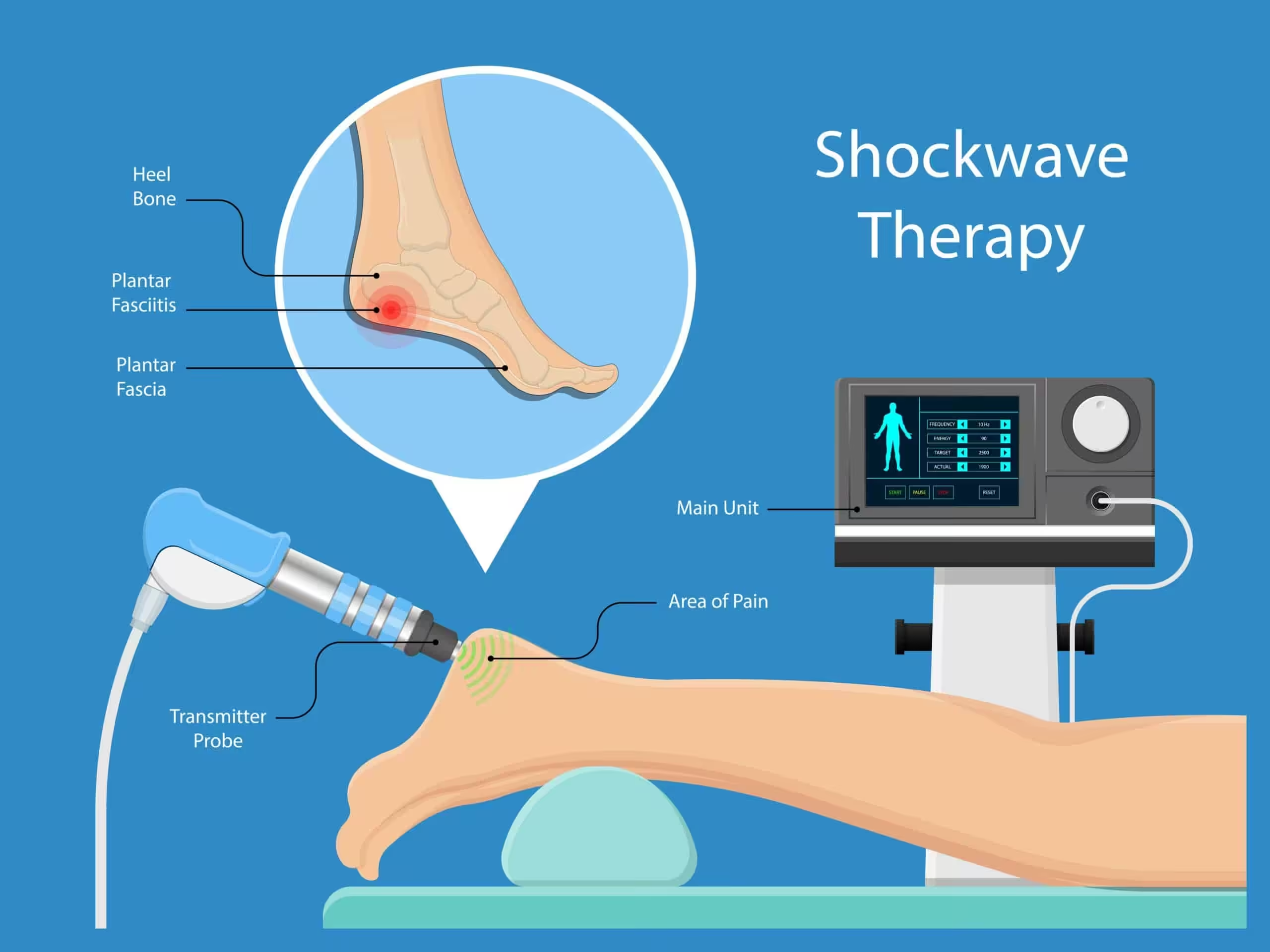
Extracorporeal shockwave therapy (ESWT) uses high-energy acoustic waves—generated outside the body and focused on the target tissue—to stimulate healing in chronic tendon and soft tissue conditions. The shockwaves create microtrauma in the degenerated tissue, which stimulates a healing response: increased blood flow, growth factor release, new tendon fiber formation, and disruption of calcifications. ESWT was first used for kidney stones (lithotripsy) and was subsequently found to treat musculoskeletal conditions effectively. It is FDA-cleared for plantar fasciitis and has strong evidence for chronic Achilles tendinopathy. The key distinction from simple therapeutic ultrasound is the energy level—ESWT uses substantially higher energy that actually stimulates tissue repair rather than simply providing warmth.
Conditions Treated and Evidence
Plantar fasciitis is the most common indication for ESWT in podiatric practice. For chronic plantar fasciitis that has failed 3–6 months of conservative care (stretching, orthotics, physical therapy, injections), ESWT produces 70–80% pain reduction rates in clinical trials—significantly better than continued conservative management alone. ESWT for plantar fasciitis is indicated after conservative treatment failure because it is most appropriate as a step before surgical intervention. Insertional Achilles tendinopathy (pain at the heel bone insertion) responds particularly well to ESWT—the shockwaves penetrate calcifications within the tendon and disrupt them while stimulating healing of the degenerated insertion. Mid-portion Achilles tendinopathy also has supporting evidence for ESWT. Other conditions including patellar tendinopathy and calcific shoulder tendinitis also respond to shockwave, though these are less commonly treated by podiatrists.
What the Treatment Involves
A standard ESWT course for plantar fasciitis consists of 3 sessions spaced 1 week apart, each lasting approximately 10–15 minutes. A coupling gel is applied to the skin over the target area, and a focused probe or radial applicator is placed against the skin. The shockwaves are delivered at settings appropriate for the condition—most protocols use 2,000–3,000 pulses per session. The treatment is moderately uncomfortable (patients typically rate it 4–6/10 during delivery) but does not require anesthesia. High-energy protocols (focused ESWT) are more effective than low-energy (radial) protocols for most conditions but are also more uncomfortable. After treatment, patients may experience temporary soreness for 24–48 hours. Most patients notice gradual improvement over 4–12 weeks as tissue healing progresses—ESWT initiates the healing process rather than immediately eliminating pain. Full effect is assessed at 12 weeks.
Frequently Asked Questions
Does insurance cover shockwave therapy for heel pain?
Coverage for ESWT varies significantly by insurance plan. Medicare covers ESWT for chronic plantar fasciitis under specific criteria: the condition must have been present for at least 3 months, and conservative treatment (stretching, orthotics, NSAIDs) must have failed. Many commercial insurers also cover ESWT for plantar fasciitis meeting similar criteria, but policies vary considerably—some insurers classify it as experimental or investigational and deny coverage. Prior authorization is typically required. The procedure’s CPT code is 0101T (extracorporeal shock wave treatment). If insurance does not cover the procedure, out-of-pocket cost is typically $500–$1,500 for a complete 3-session course depending on the provider and technology used. Ask your podiatrist’s billing department to verify coverage and obtain prior authorization before proceeding.
How successful is shockwave therapy for plantar fasciitis?
In randomized controlled trials, focused ESWT for chronic plantar fasciitis that has failed conservative care produces clinically significant pain reduction in 70–85% of patients at 12-week follow-up. Most studies show 60–80% success rates (defined as 50%+ pain reduction or return to normal activities) versus 40–50% with sham treatment. ESWT is most effective when used for chronic plantar fasciitis (present more than 6 months) after conservative treatments have been tried. Success rates are lower in patients with significant obesity, those with very early disease, or those who have not completed adequate conservative care. ESWT works through a healing mechanism rather than immediate pain relief—improvement is typically gradual over 4–12 weeks after treatment. The treatment avoids surgery, which is why it is positioned as a step before surgical release of the fascia.
Is shockwave therapy painful?
ESWT is moderately uncomfortable during delivery—most patients rate the treatment at 4–6 out of 10 pain intensity. The sensation is typically described as a sharp tapping or striking feeling over the treated area, which diminishes as the treatment progresses (the treated area may become partially numbed during the session). High-energy focused protocols are more uncomfortable than low-energy radial protocols but are generally more effective. The treatment is well tolerated without local anesthesia in most patients. Some providers offer topical anesthetic or nerve block anesthesia for particularly sensitive patients or high-energy protocols. Post-treatment soreness for 24–48 hours is common and represents the normal biological response to the shockwave stimulus. Significant worsening of pain after ESWT lasting more than a week should prompt re-evaluation.
Medical References & Sources
- PubMed Research — ESWT for Plantar Fasciitis RCTs
- PubMed Research — Shockwave Therapy for Insertional Achilles Tendinopathy
- American Podiatric Medical Association — Heel Pain Treatment
📧 Get Dr. Tom’s Free Lab Test Guide
Discover the 5 lab tests every person over 35 should ask their doctor about — explained in plain English by a board-certified physician.
Dr. Tom Biernacki, DPM is a board-certified podiatric surgeon at Balance Foot & Ankle in Howell and Bloomfield Township, Michigan. He provides extracorporeal shockwave therapy for chronic plantar fasciitis and insertional Achilles tendinopathy as part of a thorough conservative treatment program before surgical intervention is considered.
Join 950,000+ Learning About Foot Health
Dr. Tom shares honest medical advice, supplement reviews, and treatment guides you won’t find anywhere else.
Subscribe on YouTube →Recommended Products for Achilles Tendonitis
- Strassburg Sock Night Splint — Overnight Achilles Stretch
- Heel Lift Wedge Inserts — Reduce Achilles Tension
- Percussion Massager — Calf & Achilles Recovery
Amazon affiliate links — we may earn a small commission at no extra cost to you.
📍 Located in Michigan?
Our board-certified podiatrists treat this condition at two convenient locations. Same-day appointments often available.
Insurance Accepted
BCBS · Medicare · Aetna · Cigna · United Healthcare · HAP · Priority Health · Humana · View All →
Howell Office
4330 E Grand River Ave
Howell, MI 48843
Get Directions →
Bloomfield Township Office
43494 Woodward Ave, #208
Bloomfield Township, MI 48302
Get Directions →
Your Board-Certified Podiatrists



Ready to Get Back on Your Feet?
Same-week appointments available at both locations.
Book Your AppointmentIn-Office Treatment at Balance Foot & Ankle
When conservative care isn’t enough, Dr. Tom Biernacki and the team at Balance Foot & Ankle offer advanced, same-day options — including EPAT Shockwave Therapy Michigan at our Howell and Bloomfield Township clinics.
Same-day appointments available. Call (810) 206-1402 or book online.
Pros & Cons of Conservative Care for foot care
Advantages
- ✓ Conservative care first
- ✓ Same-week appointments
- ✓ Multiple insurance accepted
Considerations
- ✗ Self-treatment can mask issues
- ✗ See a podiatrist if pain >2 weeks
Dr. Tom’s Recommended Products for foot care
Affiliate disclosure: As an Amazon Associate, Balance Foot & Ankle earns from qualifying purchases. We only recommend products we use with patients.
Footnanny Heel Cream Dr. Tom’s Pick
Best for: Daily moisturizer for cracked heels
Ready to Get Back on Your Feet?
Same-day appointments in Howell + Bloomfield Township. Most insurance accepted. Dr. Tom Biernacki, DPM & team.
Book Today — Same-Day Appointments Available
Call Now: (810) 206-1402
About Your Care Team at Balance Foot & Ankle
Dr. Tom Biernacki, DPM · Board-Certified Foot & Ankle Surgeon. Specializes in conservative-first care, minimally invasive bunion surgery, and complex reconstruction.
Dr. Carl Jay, DPM · Accepting new patients. Specializes in sports medicine, athletic injuries, and routine podiatric care.
Dr. Daria Gutkin, DPM, AACFAS · Accepting new patients. Specializes in surgical reconstruction and pediatric podiatry.
Locations: 4330 E Grand River Ave, Howell, MI 48843 · 43494 Woodward Ave Suite 208, Bloomfield Township, MI 48302
Hours: Mon–Fri 8:00 AM – 5:00 PM · (810) 206-1402
In-Office Treatment at Balance Foot & Ankle
If home treatment isn’t providing relief for your chronic foot pain, our podiatry team at Balance Foot & Ankle can help with same-day evaluations and advanced in-office care.
Same-day appointments available. (810) 206-1402
Learn about our shockwave therapy & plantar fasciitis treatment → | Book online →
Frequently Asked Questions
Why is diabetic foot care so important?
Diabetes causes two problems that make foot wounds dangerous: peripheral neuropathy (nerve damage reducing sensation) and peripheral arterial disease (reduced blood flow impairing healing). A small blister or cut that a non-diabetic person would notice and treat can go undetected in a diabetic patient for days, become infected, and progress to osteomyelitis. Diabetic foot ulcers are the leading cause of non-traumatic lower limb amputations. A consistent foot care routine and regular podiatry visits prevent most amputations.
How often should diabetic patients see a podiatrist?
Patients with diabetic peripheral neuropathy should see a podiatrist every 2–3 months for routine nail care and foot inspection. Patients with active foot complications (ulcers, Charcot foot, severe PAD) need more frequent visits — often every 2–4 weeks until stable. Even well-controlled diabetics without neuropathy benefit from annual foot exams. Many amputations we see in consultation could have been prevented with earlier, consistent podiatric care.
What is diabetic peripheral neuropathy?
Peripheral neuropathy is nerve damage from chronically elevated blood sugar, causing numbness, tingling, burning, or loss of sensation — typically starting in the toes and progressing upward in a ‘stocking’ distribution. The dangerous aspect isn’t the pain — it’s the absence of pain. Patients with severe neuropathy don’t feel blisters, cuts, pressure sores, or early infections. A wound can reach bone before it’s noticed. Neuropathy screening with a 10-gram monofilament is part of every diabetic foot exam.
What are the warning signs of a diabetic foot problem?
Seek same-day evaluation for: any open wound or blister that isn’t healing within 1–2 weeks, redness, warmth, or swelling in any part of the foot (possible Charcot fracture or infection), a new blister or callus, any red streaking or warmth spreading up the leg (cellulitis), foot or ankle pain in a diabetic patient with neuropathy (could be Charcot without pain). Don’t wait to see if it improves — diabetic foot infections are medical emergencies.
What is the best foot cream for diabetic feet?
The goal of diabetic foot cream is restoring the skin’s moisture barrier to prevent fissuring and cracking — the entry points for infection. Look for urea-based creams (10–25% urea) or lactic acid formulations that actually penetrate thickened skin rather than sitting on the surface. AmLactin 12%, Eucerin Diabetics’ Dry Skin Relief, and Gold Bond Diabetics’ Dry Skin Relief are clinical-grade options. Avoid cream between the toes — moisture retention between toes promotes maceration and fungal infection.
Can diabetic patients get foot massages?
Light massage is generally safe for diabetic patients without active wounds, severe edema, or PAD. However, deep tissue massage or vigorous rubbing should be avoided — with neuropathy, patients can’t feel if tissue is being damaged. Foot massagers with rollers or intense vibration should be avoided entirely. If you enjoy foot massage, use gentle, light strokes with a diabetic-appropriate foot cream. Let your podiatrist know if you’re incorporating massage into your routine — we can advise based on your circulation status.
What type of socks should diabetic patients wear?
Diabetic socks: seamless (seams can create pressure sores over a neuropathic foot), non-binding at the top (circulation-restrictive socks worsen PAD), moisture-wicking (polyester/wool blend reduces bacterial environment), padded sole (cushions bony prominences). Avoid cotton socks for active patients — cotton retains moisture. Never wear socks with elastic bands that leave marks on the leg. Brands specifically designed for diabetic feet: Thorlos, Wigwam, and most major medical supply brands.
Should diabetic patients cut their own toenails?
It depends on neuropathy severity and vision. Patients with mild neuropathy and good vision can safely trim nails straight across without cutting the corners. Patients with moderate-to-severe neuropathy, poor vision, or thick nails should not self-trim — the risk of cutting the surrounding skin (which they may not feel) is too high. This is exactly what podiatry nail care visits are for. Medicare and most insurance plans cover routine foot care for diabetic patients with documented neuropathy.
What is Charcot foot and how serious is it?
Charcot neuroarthropathy is a serious diabetic complication where neuropathy allows repeated micro-fractures to occur without pain, leading to progressive bone and joint destruction and foot deformity. The classic presentation: a warm, swollen, red foot in a diabetic patient — often mistaken for cellulitis. Early Charcot (caught within weeks of onset) can be managed with a total contact cast to prevent further collapse. Late Charcot with significant arch destruction often requires reconstructive surgery. Missing the diagnosis is catastrophic — a single patient with missed Charcot can progress to a rocker-bottom deformity requiring amputation.
Does insurance cover diabetic foot care?
Medicare Part B covers routine foot care (nail trimming, callus debridement) for diabetic patients with documented peripheral neuropathy — one visit every 2 months. Most PPO and HMO plans follow similar coverage rules. Diabetic shoes and insoles are covered under Medicare’s Therapeutic Shoe Bill (one pair of shoes plus three pairs of custom insoles per year). Call us at (810) 206-1402 and we’ll verify your specific coverage before your first appointment.
Ready for Expert Care?
Same-day appointments in Howell & Bloomfield Township, MI.
4.9★ | 1,123 Reviews | 3,000+ Surgeries
Or call: (810) 206-1402

Dr. Tom Biernacki, DPM is a board-certified foot & ankle surgeon (ABFAS & ABPM) at Balance Foot & Ankle Specialists in Southeast Michigan. With over a decade of clinical experience, he specializes in heel pain, bunions, diabetic foot care, sports injuries, and minimally invasive surgery. Dr. Biernacki is a member of the APMA and ACFAS, and his patient education content on MichiganFootDoctors.com and YouTube has made him one of the most-followed foot & ankle educators on YouTube.