

You are in the right place. Dr. Tom Biernacki, DPM, FACFAS — board-certified foot & ankle surgeon with 3,000+ surgeries — explains exactly what foot pain after COVID means and what actually works. Book online or call (810) 206-1402 for a same-day appointment at our Howell or Bloomfield Township office.
Medically reviewed by Dr. Tom Biernacki, DPM · Board-Certified Podiatric Surgeon · Last reviewed: April 2026 · Editorial Policy
The most important clinical decision with Foot Pain After Covid Michigan isn’t which treatment to start with — it’s identifying the correct subtype. That changes everything. Call (810) 206-1402.
Quick Answer
Foot Pain After COVID-19 in Michigan Long COVID Foot Sympto relates to foot pain — typically caused by overuse, footwear, or biomechanics. Most patients improve in 6-12 weeks with conservative care. Same-week appointments in Howell + Bloomfield Township: (810) 206-1402.
Quick Answer
Most foot and ankle problems respond to conservative care — proper footwear, supportive inserts, activity modification, and targeted stretching — within 4-8 weeks. Persistent pain beyond that window, or any symptom that prevents walking, warrants a podiatric evaluation to rule out fracture, tendon tear, or systemic cause.
Medically reviewed by Dr. Tom Biernacki, DPM — Board-Certified Podiatric Surgeon — Balance Foot & Ankle, Howell & Bloomfield Township, MI. Last updated April 2026.
Watch: Dr. Tom Biernacki, DPM
👟 Dr. Tom Also Recommends
Podiatrist Recommended Shoes 2026: Dr. Tom’s Top Picks for Every Condition
The right footwear can make or break your recovery. Dr. Tom’s complete guide to the best shoes for plantar fasciitis, flat feet, neuropathy, bunions & more — with clinical picks for every foot type.
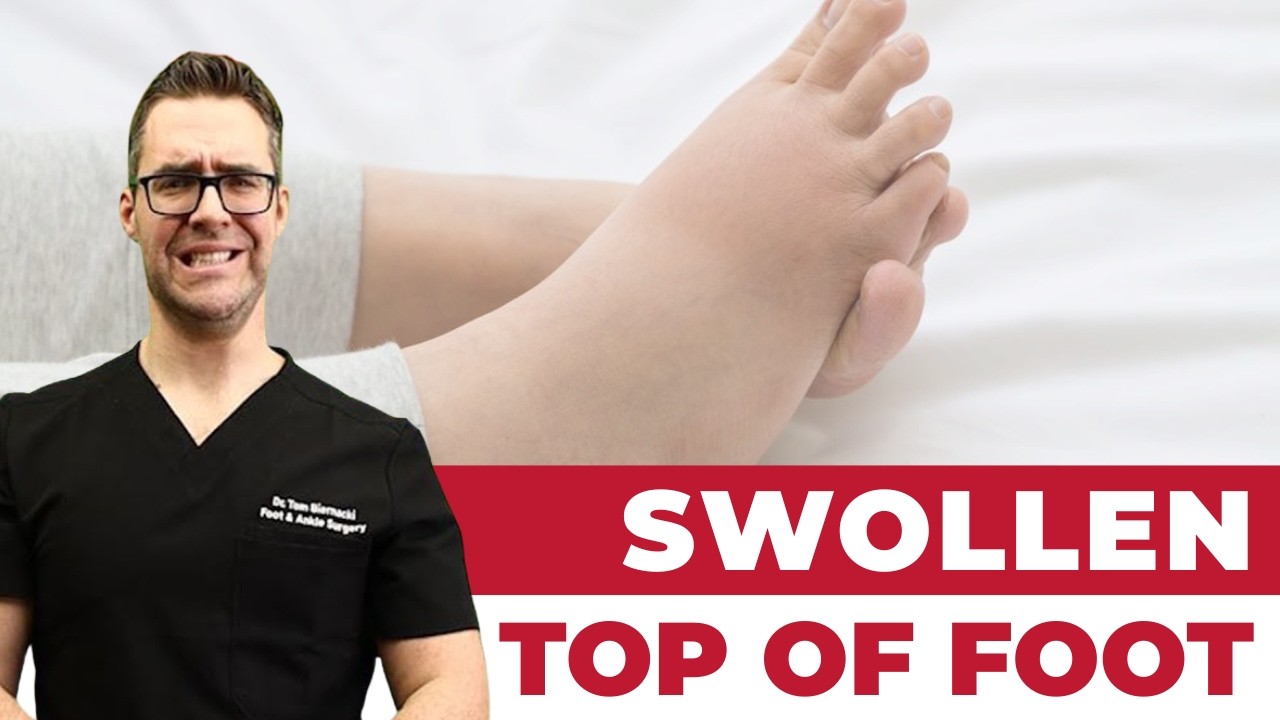
See Dr. Tom’s Top Shoe Picks →Since the emergence of SARS-CoV-2, foot and ankle specialists across the world have observed a range of foot-related complications both during acute infection and as part of the emerging Long COVID syndrome. From COVID toes (chilblain-like lesions) in the acute phase to persistent neuropathy, fatigue-related plantar fasciitis, and plantar fasciitis flares in previously recovered patients — COVID-19 has added a new dimension to podiatric practice. At Balance Foot & Ankle in Southeast Michigan, Dr. Tom Biernacki evaluates and treats foot symptoms in patients who have had COVID-19 and understands the emerging evidence around these presentations.
“COVID Toes”: The Acute Phase
During or immediately after acute COVID-19 infection, a subset of patients — particularly younger individuals and children — developed reddish-purple, chilblain-like lesions on the toes and sometimes fingers. Dubbed “COVID toes,” these perniosis-like lesions are thought to result from an exuberant immune response and microthrombus formation in small vessels supplying the skin. They are typically self-limiting, resolving within 3–8 weeks, and do not require specific treatment beyond anti-inflammatory measures and cold avoidance. However, they can be confused with vasculitis or other conditions and warrant documentation if they persist.
Long COVID Foot Symptoms
Long COVID — the constellation of persistent symptoms lasting more than 12 weeks after acute infection — includes neurological, musculoskeletal, cardiovascular, and autonomic symptoms that can all manifest in the feet and lower extremities. Small fiber neuropathy appears to be a significant mechanism: patients develop burning, tingling, numbness, and allodynia (hypersensitivity to light touch) in the feet that resembles diabetic neuropathy but occurs in non-diabetic individuals. Dysautonomia — particularly postural orthostatic tachycardia syndrome (POTS) — can cause significant ankle swelling and lower extremity fatigue in Long COVID patients due to autonomic dysregulation of vascular tone. Musculoskeletal fatigue — debilitating muscle and joint exhaustion — can trigger or worsen plantar fasciitis, metatarsalgia, and Achilles tendinopathy in patients who return to activity too quickly after infection. Hypercoagulability during acute infection increases DVT risk, and calf swelling or ankle swelling in the weeks after COVID warrants DVT evaluation.
Evaluation & Treatment
Dr. Biernacki evaluates post-COVID foot symptoms in the context of the patient’s complete clinical history. Neuropathic symptoms are assessed with clinical sensory testing; referral for skin punch biopsy (small fiber neuropathy testing) or nerve conduction study may be recommended. Autonomic dysregulation affecting the feet is co-managed with internal medicine or cardiology. Musculoskeletal conditions emerging after COVID — plantar fasciitis, Achilles tendinopathy — are treated with the same evidence-based protocols used for non-COVID patients, with appropriate recognition that post-COVID fatigue may require more gradual rehabilitation progression. Custom orthotics for plantar pressure redistribution, compression for leg swelling, and physical therapy are the mainstays of podiatric management in Long COVID.
More Podiatrist-Recommended Foot Health Essentials
Hoka Clifton 10


Max-cushion everyday shoe — podiatrist favorite for walking and running.

OOFOS Recovery Slide

Impact-absorbing recovery sandal — wear after long days on your feet.
As an Amazon Associate, Balance Foot & Ankle earns from qualifying purchases. Product recommendations are based on clinical experience; prices and availability shown above update live from Amazon.
When to See a Podiatrist
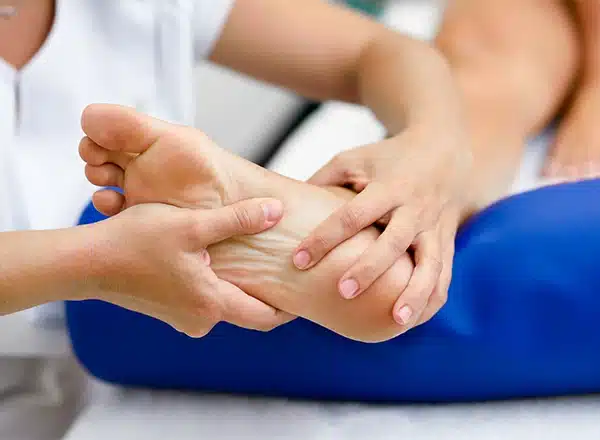
If foot or ankle pain has been bothering you for more than a few weeks, home care alone may not be enough. Balance Foot & Ankle offers same-week appointments at our Howell and Bloomfield Township clinics — no referral needed in most cases. Bring your current shoes and a short list of symptoms and we’ll build you a treatment plan in one visit.
Call Balance Foot & Ankle: (810) 206-1402 · Book online · Offices in Howell & Bloomfield Township
Frequently Asked Questions
Can COVID-19 cause permanent foot neuropathy?
COVID-19 can cause small fiber neuropathy that persists as part of Long COVID syndrome. In many patients, neuropathic symptoms improve gradually over months. Whether some patients develop permanent small fiber neuropathy from COVID remains an area of ongoing research. Evaluation by a podiatrist and neurologist can characterize the extent of nerve involvement and guide treatment.
Why did I get plantar fasciitis after COVID?
Post-COVID musculoskeletal fatigue and deconditioning can trigger plantar fasciitis when patients return to their normal activity levels too quickly. Extended periods of rest change the mechanical tolerance of the plantar fascia. Additionally, weight gain during periods of COVID illness and recovery increases heel loading. Treatment is the same as standard plantar fasciitis — stretching, orthotics, and gradual activity progression.
What are COVID toes and do they go away?
COVID toes are reddish-purple, swollen, often itchy or painful lesions on the toes (and sometimes fingers) associated with COVID-19 infection. They represent a chilblain-like reaction, likely from immune-mediated small vessel inflammation. Most cases resolve spontaneously within 3–8 weeks without specific treatment. Persistent cases or those associated with systemic symptoms warrant dermatology or rheumatology evaluation.
If you have new or worsening foot symptoms after COVID-19, an expert evaluation can identify the cause and guide appropriate treatment. Contact Balance Foot & Ankle to schedule with Dr. Biernacki in Southeast Michigan.
Dr. Tom’s Recommended Insoles
📍 Located in Michigan?
Our board-certified podiatrists treat this condition at two convenient locations. Same-day appointments often available.
PowerStep is the brand I prescribe most — medical-grade OTC support without the custom orthotic price tag.
- PowerStep Pinnacle Insoles — The OTC orthotic I recommend most — medical-grade arch support at a fraction of custom orthotic cost. Works in most shoes.
- PowerStep Maxx Insoles — For severe arch pain or flat feet — maximum correction and support when Pinnacle isn’t enough.
Affiliate disclosure: As an Amazon Associate, Balance Foot & Ankle earns from qualifying purchases. We only recommend products we trust for our own patients.
🧦 Dr. Tom’s Pick: DASS Medical Compression Socks
Medical-grade 15-20 mmHg graduated compression. DASS socks are the brand I recommend most to patients with swollen feet, poor circulation, and post-surgery recovery. Graduated compression means tightest at the ankle, gradually releasing up the leg — promoting upward venous blood flow.
View DASS Compression Socks on Amazon →📧 Get Dr. Tom’s Free Lab Test Guide
Discover the 5 lab tests every person over 35 should ask their doctor about — explained in plain English by a board-certified physician.
Affiliate disclosure: As an Amazon Associate, Balance Foot & Ankle earns from qualifying purchases.
Join 950,000+ Learning About Foot Health
Dr. Tom shares honest medical advice, supplement reviews, and treatment guides you won’t find anywhere else.
Subscribe on YouTube →Medically Reviewed by: Dr. Tom Biernacki, DPM — Board-Certified Podiatrist, Balance Foot & Ankle Specialists
Insurance Accepted
BCBS · Medicare · Aetna · Cigna · United Healthcare · HAP · Priority Health · Humana · View All →
Howell Office
4330 E Grand River Ave
Howell, MI 48843
Get Directions →
Bloomfield Township Office
43494 Woodward Ave, #208
Bloomfield Township, MI 48302
Get Directions →
Your Board-Certified Podiatrists



Ready to Get Back on Your Feet?
Same-week appointments available at both locations.
Book Your AppointmentMost Common Mistake We See
The most common mistake we see is: Waiting too long before seeking care. Fix: any foot pain lasting more than 4 weeks, or any sudden severe symptom, deserves a professional evaluation rather than more rest.
Warning Signs That Need Same-Day Care
Seek immediate evaluation at Balance Foot & Ankle if you experience any of the following:
- Unable to bear weight
- Severe swelling with skin colour change
- Fever with foot pain (possible infection)
- Diabetes plus any new foot symptom
Call (810) 206-1402 — same-day and next-day appointments at our Howell and Bloomfield Township offices.
Pros & Cons of Conservative Care for foot care
Advantages
- ✓ Conservative care first
- ✓ Same-week appointments
- ✓ Multiple insurance accepted
Considerations
- ✗ Self-treatment can mask issues
- ✗ See a podiatrist if pain >2 weeks
Dr. Tom’s Recommended Products for foot care
Affiliate disclosure: As an Amazon Associate, Balance Foot & Ankle earns from qualifying purchases. We only recommend products we use with patients.
Footnanny Heel Cream Dr. Tom’s Pick
Best for: Daily moisturizer for cracked heels
Ready to Get Back on Your Feet?
Same-day appointments in Howell + Bloomfield Township. Most insurance accepted. Dr. Tom Biernacki, DPM & team.
Book Today — Same-Day Appointments Available
Call Now: (810) 206-1402
About Your Care Team at Balance Foot & Ankle
Dr. Tom Biernacki, DPM · Board-Certified Foot & Ankle Surgeon. Specializes in conservative-first care, minimally invasive bunion surgery, and complex reconstruction.
Dr. Carl Jay, DPM · Accepting new patients. Specializes in sports medicine, athletic injuries, and routine podiatric care.
Dr. Daria Gutkin, DPM, AACFAS · Accepting new patients. Specializes in surgical reconstruction and pediatric podiatry.
Locations: 4330 E Grand River Ave, Howell, MI 48843 · 43494 Woodward Ave Suite 208, Bloomfield Township, MI 48302
Hours: Mon–Fri 8:00 AM – 5:00 PM · (810) 206-1402
Visit Balance Foot & Ankle — Same-Day Appointments Available
Our podiatry team serves patients throughout Michigan including Howell, Brighton, and Bloomfield Township. If you’re dealing with heel pain, ingrown toenails, or a foot injury, we have same-day appointment availability.
Same-day appointments available. (810) 206-1402
Doctor Hoy’s Natural Pain Relief Gel
Natural topical pain relief I use in our clinic. Arnica + camphor formula — apply directly to the area 3–4x daily. ($20–25)
Shop Doctor Hoy’s →Frequently Asked Questions
When should I see a doctor?
See a podiatrist if pain persists past 2 weeks, prevents normal activity, or is accompanied by red-flag symptoms (warmth, swelling, numbness, inability to bear weight).
Can I treat this at home?
Mild cases respond to RICE protocol (rest, ice, compression, elevation), supportive shoes, and OTC anti-inflammatories. Persistent symptoms need professional evaluation.
How long does it take to heal?
Most soft tissue injuries resolve in 2-6 weeks with appropriate care. Bone injuries take 6-12 weeks. Chronic conditions need longer-term management.
Ready to fix this for good?
Reading goes only so far. The fastest path to relief is a 30-minute office visit with Dr. Biernacki — same-day Howell or Bloomfield Township. Book online or call (810) 206-1402 or use our online booking.
Our podiatrists treat the underlying cause, not just the symptom. Same-week appointments at our Howell and Bloomfield Township, Michigan offices.
Ready for Expert Care?
Same-day appointments in Howell & Bloomfield Township, MI.
4.9★ | 1,123 Reviews | 3,000+ Surgeries
Or call: (810) 206-1402

Dr. Tom Biernacki, DPM is a board-certified foot & ankle surgeon (ABFAS & ABPM) at Balance Foot & Ankle Specialists in Southeast Michigan. With over a decade of clinical experience, he specializes in heel pain, bunions, diabetic foot care, sports injuries, and minimally invasive surgery. Dr. Biernacki is a member of the APMA and ACFAS, and his patient education content on MichiganFootDoctors.com and YouTube has made him one of the most-followed foot & ankle educators on YouTube.
More questions patients ask
How does long COVID cause foot pain?
See our full guide from Dr. Tom Biernacki DPM at Balance Foot & Ankle, Howell & Bloomfield Township, MI.
What long COVID foot symptoms are most common?
See our full guide from Dr. Tom Biernacki DPM at Balance Foot & Ankle, Howell & Bloomfield Township, MI.
How long does COVID-related foot pain last?
See our full guide from Dr. Tom Biernacki DPM at Balance Foot & Ankle, Howell & Bloomfield Township, MI.
When should I see a podiatrist for long COVID foot pain?
See Dr. Tom Biernacki at Balance Foot & Ankle — same-day appointments. Call (810) 206-1402. Howell & Bloomfield Township, MI.
Does insurance cover long COVID foot pain treatment?
Most PPO and Medicare plans cover medically necessary foot care. We accept BCBS and most Michigan insurers. Call (810) 206-1402.
Still have a question about coverage or cost? Book online and we will check your benefits before your visit: Book in Howell · Book in Bloomfield Township. Prefer to talk it through first? Call (810) 206-1402.