
Medically reviewed by Dr. Tom Biernacki, DPM
Board-certified podiatric surgeon | Balance Foot & Ankle, Howell & Bloomfield Township, MI
Last reviewed: May 2026

| Training Shoe Type | Best Lift | Foot Support | Avoid For |
|---|---|---|---|
| Olympic lifting shoe (raised heel) | Front squat, clean, snatch | High — rigid sole + ankle support | Deadlifts — raises bar height |
| Flat powerlifting / deadlift shoe | Deadlift, squat (low bar) | High — minimal drop, stable | Running — no cushion |
| Cross-trainer | General strength, circuit | Moderate — versatile | Max squat or deadlift PR attempts |
| Running shoe | Nothing strength-specific | Poor — cushioned heel is unstable | All heavy barbell work |
| Barefoot / minimalist | Deadlift (with mat) | Good for ground contact, poor for cushion | Anyone with PF or foot pain |
| Strength Training Foot Problem | Cause | Prevention | Treatment |
|---|---|---|---|
| Plantar Fasciitis | Heavy loading + inadequate shoe support | OL shoes for squat; orthotics; load management | Night splint, ice, reduce volume |
| Heel Bruise | Barefoot or slipper deadlift on hard floor | Rubber mat, heel cup in slipper | Heel donut pad, reduce frequency |
| Ankle Sprain | Heavy squat imbalance + wide stance | Proper form, ankle mobility, stable shoe | RICE, brace, mobility work |
| Toe Crush / Injury | Dropped weight — dumbbell or plate | Closed-toe shoe always; no sandals in gym | X-ray, buddy tape, boot if fracture |
| Metatarsal Stress Fracture | High-volume lower body + nutritional deficit | Adequate caloric intake, progressive volume | Rest, podiatrist evaluation |
Quick answer: Foot Pain From Strength Training has multiple potential causes including mechanical, neurological, vascular, and inflammatory. The most common causes we identify are overuse, ill-fitting shoes, and biomechanical imbalance. Red flags requiring urgent evaluation: warmth/redness (infection), inability to bear weight (fracture), and unilateral swelling without injury (DVT). Call (810) 206-1402.
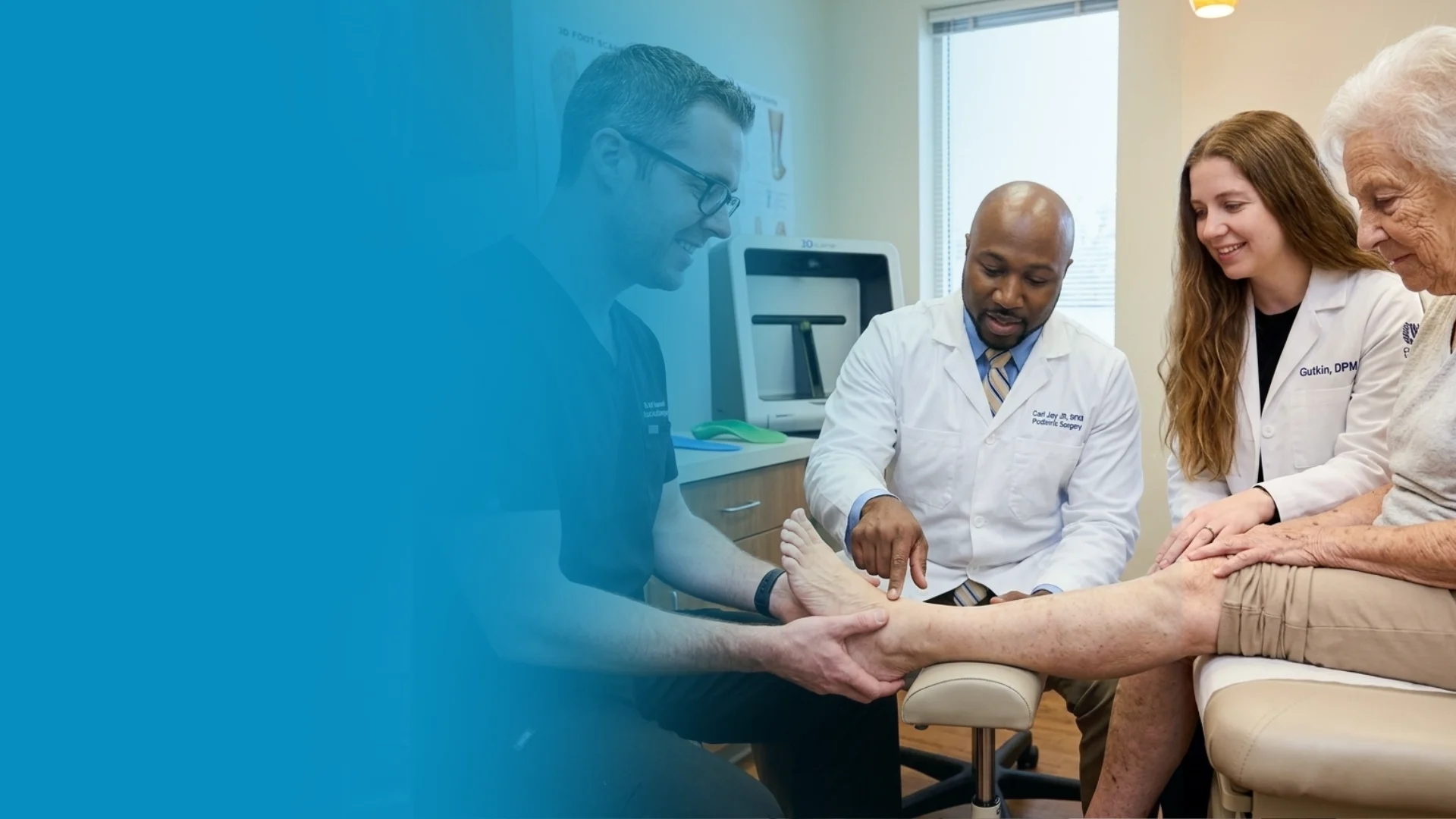

Watch: How to Cure Plantar Fasciitis in One Week? [FAST Heel Pain Relief!] — MichiganFootDoctors YouTube
Foot Pain From Strength Training: Quick Answer
Strength training causes foot pain in many lifters – the heavy loading, sustained positioning, and accumulated volume create unique foot stresses. We help dozens of strength athletes yearly at Balance Foot and Ankle. Here is the comprehensive strength training foot pain guide.
Why Strength Training Causes Foot Pain
Strength training foot demands: Heavy loading through feet; multiple compound exercises; sustained foot positioning; balance demands; cumulative volume over training cycles; sometimes inadequate footwear; sometimes hard gym surfaces; cumulative impact over years. Different from cardio: Heavy intermittent loading vs sustained moderate; different foot structures stressed; specific footwear considerations.
Most Common Strength Training Foot Issues
1. Plantar fasciitis flare: From compressive stress. 2. Achilles tendinitis: From cumulative training. 3. Foot fatigue: Common. 4. Bunion progression: From shoe pressure. 5. Hallux rigidus pain: Big toe joint stress. 6. Stress fractures: From chronic overuse. 7. Sesamoiditis: Forefoot loading. 8. Foot/ankle stiffness: Cumulative effects. 9. Knee/back pain: From foot mechanics. 10. Sometimes new conditions develop: From repetitive stress.
Footwear by Lifting Discipline
Powerlifting: Squats – Olympic shoes; Deadlifts – flat shoes; Bench – either. Olympic weightlifting: Olympic shoes essential. Bodybuilding: Cross-trainers; sometimes mixed approach. CrossFit: Cross-trainers; sometimes Olympic shoes for max-effort lifts. General strength training: Cross-trainers adequate; sometimes Olympic for serious squat work.
Common Lifting Footwear Mistakes
Common mistakes: Wearing running shoes for heavy lifts (cushion compresses; unstable); wearing minimalist shoes when not appropriate; wearing old worn-out shoes; not having sport-specific shoes; cheap shoes for serious training. Better approach: Match shoe to lift; quality construction; replace regularly; multiple shoes for different activities.
Programming and Foot Health
Periodization importance: Plan training cycles with built-in recovery; deload weeks essential; address developing foot pain immediately; cross-train; rest days. Volume management: Cumulative loading affects feet; address with planning. For chronic conditions: Modified programming; sometimes reduced volume; coordinate with podiatrist.
Custom Orthotics for Lifters
Orthotic considerations: Generally not used in heavy lifting (reduces stability); some lifters use in everyday shoes; some use in flat-soled lifting shoes; not typically in Olympic shoes; sometimes specific orthotics for cross-training shoes. For chronic foot conditions affecting lifting: Custom orthotics in everyday shoes; modifications for lifting individually; coordinate with podiatrist.
Common Lifting Injuries Affecting Feet
1. Plantar fasciitis: Most common. 2. Achilles tendinopathy: Common in serious lifters. 3. Stress fractures: Less common but possible. 4. Bunion progression: From cumulative pressure. 5. Toe injuries: Sometimes dropped weights. 6. Foot crush injuries: Dropped weights serious risk. 7. Hallux rigidus: Big toe joint arthritis from chronic stress.
Pre-Existing Conditions and Lifting
Common pre-existing conditions: Often revealed/worsened by strength training. Plantar fasciitis: Flares with heavy loading; address before progressing. Bunions: Progress with chronic pressure. Flat feet: May collapse more under load; orthotics often help. High arches: Stress lateral foot more. Diabetes: Special considerations for foot health.
Recovery and Foot Care
Post-training recovery: Foam rolling (calves, feet); stretching (calves, plantar fascia); ice if sore; quality recovery shoes; foot massage; address developing pain. Long-term foot health: Quality everyday footwear; address chronic conditions; periodic podiatry evaluation; foot strengthening exercises; orthotics if needed.
When to See a Podiatrist
See us if: chronic strength training-related foot pain; pre-existing foot conditions affecting lifting; need orthotic evaluation; recurring foot pain affecting training; chronic conditions limiting strength training; need shoe recommendations for lifting; need pre-competition evaluation; suspected stress fracture; bunion or hammertoe progression. Book online 24/7 at Balance Foot and Ankle. Schedule online.
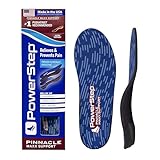
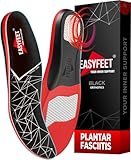
Podiatrist-Recommended Products


Frequently Asked Questions About Foot Pain From Strength Training
Why does strength training hurt my feet?
Heavy loading through feet; multiple compound exercises; sustained foot positioning; balance demands; cumulative volume over training cycles; sometimes inadequate footwear; sometimes hard gym surfaces; cumulative impact over years.
What shoes should I wear for strength training?
Powerlifting: Olympic shoes (squats), flat shoes (deadlifts). Olympic weightlifting: Olympic shoes essential. Bodybuilding: cross-trainers. CrossFit: cross-trainers. Match shoe to lift; quality construction; replace regularly; multiple shoes for different activities.
Should lifters get custom orthotics?
OFTEN YES for chronic foot conditions. Generally not used in heavy lifting (reduces stability); some lifters use in everyday shoes; some use in flat-soled lifting shoes. For chronic foot conditions affecting lifting: custom orthotics in everyday shoes.
Can I lift heavy with plantar fasciitis?
OFTEN YES with modifications. Approach: address plantar fasciitis; sometimes orthotics for everyday wear; quality lifting footwear; modified weights initially; gradual return; sometimes coordinate with podiatrist. Plantar fasciitis often flares with heavy lifting.
How do bunions affect lifting?
Often progress with chronic pressure from lifting shoes. Tight Olympic shoes can aggravate. Solutions: shoes with bunion accommodation; modified positioning; sometimes orthotics in everyday shoes; address bunion progression with podiatrist if significant.
Are running shoes OK for strength training?
NOT for heavy lifting. Issues: cushion compresses (unstable platform); too soft; not designed for static loading. Better: cross-trainers, Olympic shoes (squats), flat shoes (deadlifts). Running shoes appropriate for cardio portion of workouts only.
When should I see a podiatrist about strength training foot pain?
Chronic strength training-related foot pain; pre-existing foot conditions affecting lifting; need orthotic evaluation; recurring foot pain affecting training; chronic conditions limiting strength training; need shoe recommendations for lifting.
Related Resources from Balance Foot & Ankle
Still Dealing With Foot Pain From Strength Training?
Appointments at Balance Foot & Ankle in Howell & Bloomfield Township, MI.
Book Your Appointment⚕ Doctor Recommended
VitaMedica Arnica GelFragrance-free, non-greasy relief for foot & ankle soreness
View Product →In-Office Treatment at Balance Foot & Ankle
If home treatment isn’t providing relief for your foot pain from strength training, our podiatry team at Balance Foot & Ankle can help with expert evaluations and advanced in-office care.
APMA: Foot Pain Relief and Activity-Related Causes
Ready to Get Relief?
Book online 24/7 in Howell & Bloomfield Township, MI
4.9★ | 1,200+ Reviews | 3,000+ Surgeries
Or call: (810) 206-1402

Dr. Tom Biernacki, DPM is a board-certified foot & ankle surgeon (ABFAS & ABPM) at Balance Foot & Ankle Specialists in Southeast Michigan. With over a decade of clinical experience, he specializes in heel pain, bunions, diabetic foot care, sports injuries, and minimally invasive surgery. Dr. Biernacki is a member of the APMA and ACFAS, and his patient education content on MichiganFootDoctors.com and YouTube has made him one of the most-followed foot & ankle educators on YouTube.