
| Diagnosis | Distribution | Primary Lesion | Key Diagnostic Test | Treatment |
|---|---|---|---|---|
| Tinea Pedis (Fungal) | Web spaces, sole, moccasin pattern | Scaling, maceration, fissures | KOH prep — hyphae positive | Topical or oral antifungal |
| Allergic Contact Dermatitis | Dorsal foot, follows shoe outline | Erythema, vesicles, lichenification | Patch test — specific allergen | Avoid allergen, topical steroid |
| Irritant Contact Dermatitis | Plantar (sweat pooling sites) | Erythema, scaling, dry fissures | History — new shoes/products | Barrier cream, shoe change |
| Dyshidrotic Eczema | Lateral toes, soles, instep | Deep-seated clear vesicles on red base | Clinical; biopsy if uncertain | Topical steroid, calcineurin inhibitor |
| Palmoplantar Psoriasis | Heels, soles, pressure points | Thick silvery scale on erythematous base | Biopsy — parakeratosis pattern | Topical steroid + Vitamin D analog |
| Pitted Keratolysis | Pressure points — ball, heel | Multiple shallow pits, malodor | Clinical; bacterial culture | Topical clindamycin or erythromycin |
| Erythrasma | Web spaces (mimics tinea) | Brown-red macules, mild scale | Wood’s lamp — coral red fluorescence | Oral erythromycin or clindamycin cream |
| Scabies | Web spaces, sides of feet, instep | Burrows, vesicles, intense night itch | Skin scraping — mites/eggs seen | Permethrin 5% cream (whole body) |
| Shoe Material Allergen | Shoe Component | Rash Pattern | Patch Test Series | Solution |
|---|---|---|---|---|
| Rubber accelerators (thiuram mix) | Rubber sole, insole foam | Dorsal foot, sock line | Shoe/rubber series | Switch to leather-soled shoes |
| Potassium dichromate (chrome) | Chrome-tanned leather upper | Dorsal vamp area | Standard European series | Vegetable-tanned or synthetic shoes |
| Colophony / rosin | Adhesive in shoe construction | Along welt and sole edge | Standard series | Adhesive-free shoe brands |
| PPD / textile dyes | Socks, fabric lining | Follows sock contact pattern | Textile dye series | White cotton socks only |
| Neoprene | Athletic shoe insole/upper | Plantar and lateral border | Shoe series | Non-neoprene athletic alternatives |
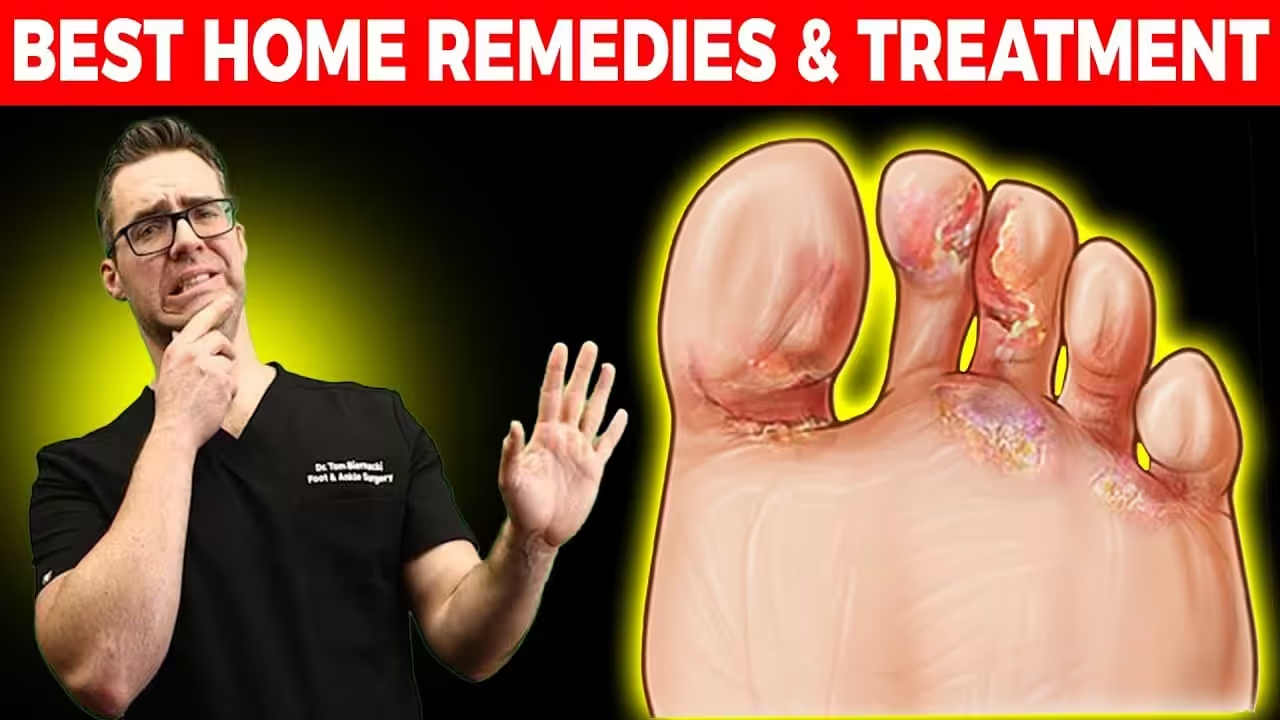
A foot rash has 6 main causes — athlete’s foot (fungus), dyshidrotic eczema, contact dermatitis, psoriasis, scabies, or vasculitis. Each one looks distinct and requires different treatment.
You’re in the right place. Dr. Tom Biernacki, DPM, FACFAS — board-certified foot & ankle surgeon with 3,000+ surgeries — explains exactly what foot rash diagnosis and treatment means and what works. Call (810) 206-1402 for same-week appointment at Howell or Bloomfield Township.

Foot pain isn't resolving?
Same-week appointments at Howell & Bloomfield Township
Medically Reviewed | Dr. Tom Biernacki, DPM | Board-Certified Podiatric Surgeon | Balance Foot & Ankle, Michigan
Related Conditions
In This Article

Common Causes of Foot Rashes
Foot rashes are among the most underappreciated podiatric presentations — patients often try multiple OTC treatments before seeking professional evaluation, by which time secondary infection may have complicated the picture. Dr. Tom Biernacki evaluates foot skin conditions systematically, distinguishing the most common causes: contact dermatitis from shoe materials, adhesives, or topical products; dyshidrotic eczema (pompholyx), which produces deep blistering itchy vesicles on the soles and sides of the feet; tinea pedis (athlete’s foot), the most common fungal infection; psoriasis, which on the feet can produce thick, scaly plaques mimicking callus or hyperkeratosis; and palmoplantar pustulosis, an inflammatory condition with distinct pustular eruptions on the soles.
Contact Dermatitis from Shoes and Footwear
Shoe contact dermatitis is more common than most patients and providers realize. Chromates used in leather tanning, rubber accelerators in shoe linings, adhesive chemicals in bonded soles, and textile dyes can all trigger allergic or irritant contact reactions. The distribution of the rash — matching the specific area of shoe contact — is the diagnostic clue. Patch testing by a dermatologist identifies the specific allergen, and treatment involves avoidance of the offending material combined with appropriate topical therapy.
Dyshidrotic Eczema: The Blistering Foot Rash
Dyshidrotic eczema produces intensely itchy, deep-seated vesicles (tiny fluid-filled blisters) on the lateral sides of the feet and toes. Flares are triggered by heat, humidity, emotional stress, and contact with metals (nickel). Treatment includes high-potency topical corticosteroids during flares, moisturization, trigger avoidance, and when severe, systemic therapy coordinated with dermatology. Secondary bacterial infection of opened vesicles is treated with topical or oral antibiotics.
When to Refer to Dermatology
Dr. Biernacki manages most foot skin conditions directly but refers appropriately to dermatology for biopsy when diagnosis is uncertain, systemic inflammatory conditions requiring biologic therapy, psoriatic arthritis involvement, and unusual pigmented lesions requiring oncologic evaluation. A collaborative approach ensures patients get the right specialist for their specific condition.
Dr. Tom's Product Recommendations

CeraVe Healing Ointment
⭐ Highly Rated
Petrolatum-based healing ointment that restores and protects the skin barrier. Dr. Biernacki recommends for contact dermatitis, dyshidrotic eczema, and severely dry cracked skin between treatment visits.
Dr. Tom says: “Dr. Biernacki recommended CeraVe ointment for my shoe contact dermatitis. It calmed my feet down significantly while we identified the allergen.”
Contact dermatitis, eczema, severely dry and cracked foot skin
Active fungal infection (occlusive ointments can worsen tinea pedis)
Disclosure: We earn a commission at no extra cost to you.

Purely Northwest Foot Soak System
⭐ Highly Rated
Natural foot soak with tea tree oil and mineral salts. Dr. Biernacki recommends for mild tinea pedis, foot odor, and minor skin irritation — not for open wounds or active infection.
Dr. Tom says: “Used this for my mild athlete’s foot symptoms between appointments. Dr. Biernacki approved it as a complementary measure alongside the antifungal cream he prescribed.”
Mild tinea pedis, foot odor, minor skin irritation, general foot hygiene
Open wounds, active bacterial infection, or active eczema flares
Disclosure: We earn a commission at no extra cost to you.
✅ Pros / Benefits
- Systematic evaluation distinguishes fungal, eczematous, psoriatic, and contact causes
- Patch testing referral coordinated when contact allergen suspected
- Manages foot-specific skin conditions without requiring separate dermatology visit for most cases
- Dermatology referral coordinated when biopsy or systemic therapy is needed
❌ Cons / Risks
- Biopsy and patch testing require referral outside podiatry scope
- Chronic inflammatory conditions like psoriasis require long-term dermatology co-management
Dr. Tom Biernacki’s Recommendation
Foot rashes get misdiagnosed constantly — athlete’s foot is treated for months when it’s actually eczema, or psoriasis is confused with callus. Getting the right diagnosis matters enormously because the treatment for fungal vs. inflammatory skin disease is completely different.
— Dr. Tom Biernacki, DPM | Board-Certified Podiatric Surgeon | Balance Foot & Ankle
Frequently Asked Questions
How do I know if my foot rash is fungal or something else?
Location and morphology are key: tinea pedis typically starts interdigitally and produces scaling and maceration between the toes. Dyshidrotic eczema produces deep vesicles on the sides of the feet. Contact dermatitis follows the pattern of shoe contact. Dr. Biernacki can usually distinguish them clinically, with fungal scraping confirming fungal cases.
Can shoes cause foot rashes?
Yes — shoe contact dermatitis from leather tanning chemicals, rubber accelerators, and adhesives is a real and underdiagnosed condition. The distribution of the rash matching the shoe contact area is the diagnostic clue.
Is athlete’s foot contagious?
Yes — tinea pedis is a contagious fungal infection spread by direct contact and contaminated surfaces. Avoid walking barefoot in shared pool areas and locker rooms, and treat promptly to reduce spread to other areas (including toenails) and household members.
When should I see a doctor for a foot rash?
See a doctor if the rash persists more than 2 weeks despite OTC antifungal treatment, spreads rapidly, produces pain or warmth suggesting bacterial infection, involves the toenails, or if you’re diabetic (any foot skin issue in a diabetic is urgent).
Michigan Foot Pain? See Dr. Biernacki In Person
4.9★ rated | 1,123 Reviews | 3,000+ Surgeries
Same-week appointments · Howell & Bloomfield Township
📞 (810) 206-1402 Book Online →Doctor Hoy’s Natural Pain Relief Gel
Natural topical pain relief I use in our clinic. Arnica + camphor formula — apply directly to the area 3–4x daily. ($20–25)
Shop Doctor Hoy’s →