
Quick answer: Football Foot Ankle Injuries Turf Toe Ankle Sprains Cleats is a common foot/ankle topic that affects many patients. The 2026 evidence-based approach combines proper diagnosis, conservative-first treatment, and escalation only when needed. We treat this regularly at our Howell and Bloomfield Township practices. Call (810) 206-1402.
The most important clinical decision with Football Foot Ankle Injuries Turf Toe Ankle Sprains Cleats isn’t which treatment to start with — it’s which subtype or underlying cause you actually have. That distinction changes everything. Call us: (810) 206-1402
In This Guide
Medically reviewed by Dr. Tom Biernacki, DPM
▶ Watch

Board-certified podiatric surgeon | Balance Foot & Ankle
Last reviewed: April 2026
March 2026 |
Foot and Ankle Demands of Football
 turf toe ankle sprain treatment, Balance Foot & Ankle Howell MI” class=”wp-image-57389″ width=”1200″ height=”630″ loading=”eager” fetchpriority=”high” decoding=”async”/>
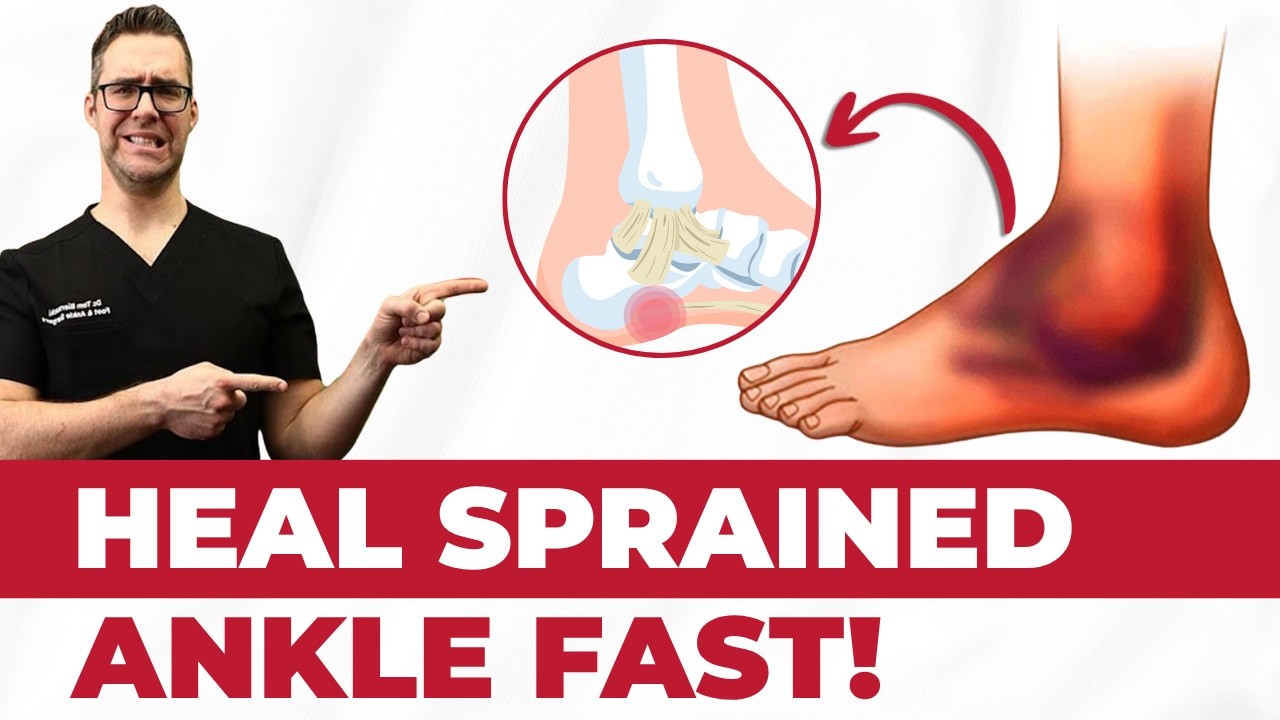
Watch: Fix TWISTED Ankle, ROLLED Ankle or SPRAINED Ankle Ligaments FASTER! — MichiganFootDoctors YouTube
American football generates some of the highest forces of any team sport applied to the foot and ankle. The combination of explosive acceleration from the line of scrimmage, rapid direction changes in pass routes and defensive coverage, physical contact between players at high speeds, and the rigid grip of modern football cleats on artificial turf creates an injury environment distinct from most other sports. Michigan has deep football roots at the high school, collegiate, and recreational levels, and foot and ankle injuries are among the most common reasons football players seek podiatric evaluation during both the regular season and the off-season rehabilitation period.
Turf Toe
Turf toe — a sprain of the capsuloligamentous complex at the first metatarsophalangeal joint from hyperextension injury — is one of the most functionally significant and underappreciated injuries in football. The injury typically occurs when a planted foot is loaded in dorsiflexion during a block or tackle, forcing the hallux to hyperextend beyond its anatomical limit. Skill position players — wide receivers, running backs, and defensive backs — who make rapid cutting movements on the planted foot are at greatest risk. Even mild turf toe (Grade I) limits the explosive push-off essential for burst speed, and severe injuries (Grade III) with plantar plate rupture require weeks of immobilization and may alter a player is career trajectory if not treated appropriately. Rigid insoles that limit first MTP joint dorsiflexion are the most effective preventive measure.
Lisfranc“>Ankle Sprains and Lisfranc Injuries
 Turf toe and Lisfranc injury treatment – football foot injuries Michigan podiatrist” class=”wp-image-57388″ width=”800″ height=”450″ loading=”lazy” decoding=”async”/>
Lateral ankle sprains are common at all positions, particularly during offensive and defensive scrimmage where feet are frequently stepped on or tangled with those of opposing players. High ankle sprains — syndesmotic injuries involving the tibiofibular ligament complex — are more common in football than in most other sports and require significantly longer recovery than standard lateral ankle sprains, often 4 to 8 weeks of protected weight bearing. Lisfranc injuries — disruption of the tarsometatarsal joint complex — can occur when a foot is planted and loaded axially with the ankle plantarflexed during a pileup. These injuries are frequently missed on initial evaluation and must be assessed with weight-bearing radiographs when midfoot pain and swelling is present after any significant foot trauma in a football player.
When to see a podiatrist after a football injury:
- Inability to bear weight on the injured foot immediately after the play
- Swelling and bruising at the base of the big toe that worsens over 24 hours
- Midfoot pain with bruising on the sole — possible Lisfranc injury requiring urgent evaluation
- Ankle instability or repeated giving way during cutting and pivoting
- Persistent pain that does not improve with RICE after 5 to 7 days
Cleat Selection

Football cleat selection varies by position and surface. Longer cleats on natural grass provide traction for linemen requiring maximum push-off force. Shorter cleats or turf shoes on artificial surfaces prevent the ankle and knee injuries associated with excessive grip. Linemen and power position players benefit from high-top cleat designs that provide ankle support. Skill position players often prefer lower-profile designs for agility, supplemented by ankle bracing or taping during practice and competition.
Recommended Recovery and Prevention Gear
We recommend these products to football players at all levels for injury prevention and recovery support. Each product addresses specific biomechanical demands of the sport.
PowerStep Pinnacle Arch Supports fit inside football cleats and provide the medial arch support most stock insoles lack. In our clinic, we see fewer overuse injuries in football players who use proper insole support — the semi-rigid shell redistributes force away from vulnerable structures like the plantar fascia and metatarsal heads. Check price on Amazon
SB SOX Compression Socks reduce post-game swelling and support ankle circulation during recovery. Graduated compression is particularly beneficial after ankle sprains when managing residual edema between treatment sessions. Check price on Amazon
TheraBand Foot Roller provides targeted plantar fascia release after practices and games. The textured surface promotes circulation and relieves the foot fatigue that accumulates from hours on artificial turf. Check price on Amazon
Affiliate disclosure: We may earn a small commission on qualifying purchases at no cost to you. We only recommend products we use in our clinic.
More Podiatrist-Recommended Ankle Sprain Essentials
Stability Walking/Running Shoe
Brooks Adrenaline GTS 25 — lateral support during recovery walking.
KT Tape for Ankle Support
KT Tape — proprioceptive support for athletic return-to-play.
Supportive Insole

PowerStep Pinnacle — arch support reduces re-injury risk during recovery.
As an Amazon Associate, Balance Foot & Ankle earns from qualifying purchases. Product recommendations are based on clinical experience; prices and availability shown above update live from Amazon.

When to See a Podiatrist
A sprain that hasn’t fully recovered after 6 weeks often has residual ligament laxity or occult fracture that keeps the ankle unstable. Balance Foot & Ankle X-rays and stress-tests every lingering sprain — if the ligament is torn, we offer bracing, PRP, and (for chronic instability) minimally-invasive repair. Don’t keep re-rolling the same ankle; let us stabilize it properly.
Call Balance Foot & Ankle: (810) 206-1402 · Book online · Offices in Howell & Bloomfield Township
Frequently Asked Questions About Football Foot Injuries
How long does turf toe take to heal?
Grade I turf toe typically heals in 1 to 2 weeks with rest and taping. Grade II injuries require 2 to 6 weeks of immobilization and activity modification. Grade III turf toe with complete ligament disruption can take 2 to 6 months, and some cases require surgical repair before returning to football.
Should I play football with an ankle brace after a sprain?
We strongly recommend ankle bracing or prophylactic taping for football players returning from an ankle sprain. Studies show that previously sprained ankles have a significantly higher re-injury rate, and external support reduces this risk without meaningfully limiting performance. Most NFL players use ankle bracing or taping as standard practice.
How do I know if I have a Lisfranc injury versus a simple midfoot sprain?
A Lisfranc injury causes pain at the midfoot with bruising on the sole of the foot — a finding not seen in simple sprains. Weight-bearing X-rays showing widening between the first and second metatarsal bases confirm the diagnosis. Any midfoot injury with plantar bruising warrants urgent podiatric evaluation because missed Lisfranc injuries lead to chronic pain and arthritis.
Differential Diagnosis: What Else Could It Be?
Not every case of turf toe / first mtp sprain is straightforward. In our clinic we routinely rule out three look-alike conditions before confirming the diagnosis. If your symptoms don’t match the classic presentation, one of these may explain the pain — which is why physical exam matters more than self-diagnosis.
| Condition | How It Differs |
|---|---|
| Hallux rigidus | Chronic progressive stiffness, not a single hyperextension event; dorsal osteophyte on X-ray. |
| Sesamoiditis | Pain under the joint (at the sesamoid bones), not on top; worse with push-off. |
| Gout | Warm, erythematous, crystal-driven flare; elevated uric acid and crystal arthrocentesis. |
Red Flags — When to See a Podiatrist Now
Seek same-day evaluation at Balance Foot & Ankle if you notice any of the following:
- Inability to push off big toe
- Swelling and bruising across entire joint
- Grade 3 injury on MRI (complete plantar plate tear)
- Progressive hallux valgus after injury
Call (810) 206-1402 or request an appointment. Our Howell and Bloomfield Township offices reserve same-day slots for urgent foot and ankle issues.
In Our Clinic: What We See
Clinical perspective from Dr. Tom Biernacki, DPM — Balance Foot & Ankle, Howell & Bloomfield Township, MI:
Turf toe is the injury everyone remembers — a football cleat stuck in the turf, a yoga pose that forced the toe too far back, or a misstep off a curb. In our clinic we grade 1, 2, or 3. Grade 1 is taping, a stiff-soled shoe, and return to play in a week. Grade 2 frequently takes 4-6 weeks and may need a carbon-fiber plate inside the shoe. Grade 3 plantar-plate tears need imaging and often surgical repair. We have patients keep a photo of the toe in neutral so we can track swelling and bruising across follow-ups. Return-to-sport is earned, not timed.
The Bottom Line
Football foot and ankle injuries range from mild sprains that resolve in days to career-threatening Lisfranc injuries and severe turf toe that require surgical intervention. Prevention through proper cleat selection, ankle support, and custom orthotics significantly reduces injury risk. If you are a football player in Howell or Bloomfield Township, Michigan experiencing persistent foot or ankle pain, early evaluation by a board-certified podiatrist can prevent a minor injury from becoming a season-ending problem.
Ready to Get Relief?
Same-day appointments available in Howell & Bloomfield Township, MI
4.9★ | 1,123 Reviews | 3,000+ Surgeries
Or call: (810) 206-1402
Insurance Accepted
BCBS · Medicare · Aetna · Cigna · United Healthcare · HAP · Priority Health · Humana · View All →
Howell Office
4330 E Grand River Ave
Howell, MI 48843
Get Directions →
Bloomfield Township Office
43494 Woodward Ave, Suite 208
Bloomfield Township, MI 48302
Get Directions →
Your Board-Certified Podiatrists



Ready to Get Back on Your Feet?
Same-week appointments available at both locations.
In-Office Treatment at Balance Foot & Ankle
If home treatment isn’t providing relief for your ankle sprains, our podiatry team at Balance Foot & Ankle can help with same-day evaluations and advanced in-office care.
Same-day appointments available. (810) 206-1402
Doctor Hoy’s Natural Pain Relief Gel
Natural topical pain relief I use in our clinic. Arnica + camphor formula — apply directly to the area 3–4x daily. ($20–25)
Frequently Asked Questions
When should I see a podiatrist?
If symptoms persist past 2 weeks, affect your normal activity, or are accompanied by red-flag symptoms (warmth, redness, swelling, inability to bear weight).
What does treatment cost?
Most diagnostic visits and conservative treatments are covered by Medicare and major insurers. Out-of-pocket costs vary by your specific plan.
How quickly can I get an appointment?
Most non-urgent cases see us within 5 business days. Urgent cases (sudden pain, possible fracture) typically same or next business day.
What is Ankle sprain?
Ankle sprain is a common foot/ankle condition that affects mobility and quality of life. Understanding the underlying cause is the first step in successful treatment. Our podiatrists at Balance Foot & Ankle perform a hands-on biomechanical exam, review your activity history, and use diagnostic imaging when appropriate to identify the root cause—not just treat the symptom. Many patients have been told to “rest and ice” without a deeper diagnostic workup; our approach is different.
Symptoms and warning signs
Common signs of ankle sprain include pain that worsens with activity, morning stiffness, swelling, tenderness when palpated, and difficulty bearing weight. If you experience sudden severe pain, inability to walk, visible deformity, numbness or color change, contact our office the same day or visit urgent care—these can signal a more serious injury such as a fracture, tendon rupture, or vascular compromise. Diabetics with any foot wound should seek same-day care.
Conservative treatment options
Most cases of ankle sprain respond to non-surgical care: structured rest, supportive footwear changes, custom orthotics, targeted stretching and strengthening protocols, anti-inflammatory medications when medically appropriate, and in-office procedures such as ultrasound-guided injections. We also offer advanced therapies including MLS laser therapy, EPAT/shockwave, regenerative injections, and image-guided procedures. Treatment is sequenced from least invasive to most invasive, and we explain the rationale at every step.
When is surgery considered?
Surgery is reserved for cases that fail 3-6 months of well-structured conservative care, when there is structural pathology (severe deformity, complete tear, advanced arthritis), or when imaging shows damage that will not heal without intervention. Our surgeons have performed 3,000+ foot and ankle procedures and prioritize minimally-invasive techniques whenever appropriate. We discuss recovery timelines, return-to-activity milestones, and realistic outcome expectations before any procedure is scheduled.
Recovery timeline and prevention
Recovery from ankle sprain varies based on severity and chosen treatment path. Conservative cases often improve within 4-8 weeks with consistent adherence to the protocol. Post-procedural recovery may range from a few days (in-office procedures) to several months (reconstructive surgery). Long-term prevention involves footwear assessment, activity modification, structured strengthening, and regular check-ins with your podiatrist if you have a history of recurrence. We provide written home-exercise plans and digital follow-up support.
Ready to feel better?
Same-week appointments available in Howell and Bloomfield Township, Michigan.

Dr. Tom Biernacki, DPM is a board-certified foot & ankle surgeon (ABFAS & ABPM) at Balance Foot & Ankle Specialists in Southeast Michigan. With over a decade of clinical experience, he specializes in heel pain, bunions, diabetic foot care, sports injuries, and minimally invasive surgery. Dr. Biernacki is a member of the APMA and ACFAS, and his patient education content on MichiganFootDoctors.com and YouTube has made him one of the most-followed foot & ankle educators on YouTube.
More questions patients ask
How long does an ankle sprain take to heal?
Recovery time depends on severity: Grade 1 (mild stretching) typically heals in 1-3 weeks, Grade 2 (partial tear) in 3-6 weeks, and Grade 3 (complete tear) in 6-12 weeks or longer. Proper rehabilitation is critical to prevent chronic ankle instability, which affects up to 40% of patients who don't receive adequate treatment. Dr. Biernacki creates customized recovery plans.
When should I see a doctor for a sprained ankle?
Seek professional evaluation if you can't bear weight, notice significant swelling or bruising, hear a pop at the time of injury, have numbness, or if pain hasn't improved after 5-7 days of RICE treatment. X-rays or MRI may be needed to rule out fractures. Dr. Biernacki offers same-day urgent evaluations at 810-206-1402.
Can a sprained ankle heal without treatment?
While mild sprains may heal with rest and home care, undiagnosed ligament tears and improperly rehabilitated sprains frequently lead to chronic ankle instability, recurrent sprains, and early-onset arthritis. A proper evaluation ensures appropriate treatment and reduces your risk of long-term complications significantly.
Still have a question about coverage or cost? Book online and we will check your benefits before your visit: Book in Howell · Book in Bloomfield Township. Prefer to talk it through first? Call (810) 206-1402.