
Medically reviewed by Dr. Tom Biernacki, DPM
Board-certified podiatric surgeon | Balance Foot & Ankle, Howell & Bloomfield Township, MI
Last reviewed: May 2026
Balance Foot & Ankle offers online booking 24/7 for urgent foot and ankle conditions across Southeast Michigan — but the most important factor in outcomes isn’t getting seen quickly. Our podiatrists explain what to do in the first 24-48 hours before your appointment that most patients skip entirely. Call (810) 206-1402 — expert podiatric care across Michigan.
Heel bursitis — inflammation of the bursa near the Achilles or under the heel — usually responds to ice, anti-inflammatories, and shoe modifications. Persistent cases benefit from targeted injection.
You’re in the right place. Dr. Tom Biernacki, DPM, FACFAS — board-certified foot & ankle surgeon with 3,000+ surgeries — explains exactly what heel bursitis means and what works. Call (810) 206-1402 to book at Howell or Bloomfield Township.
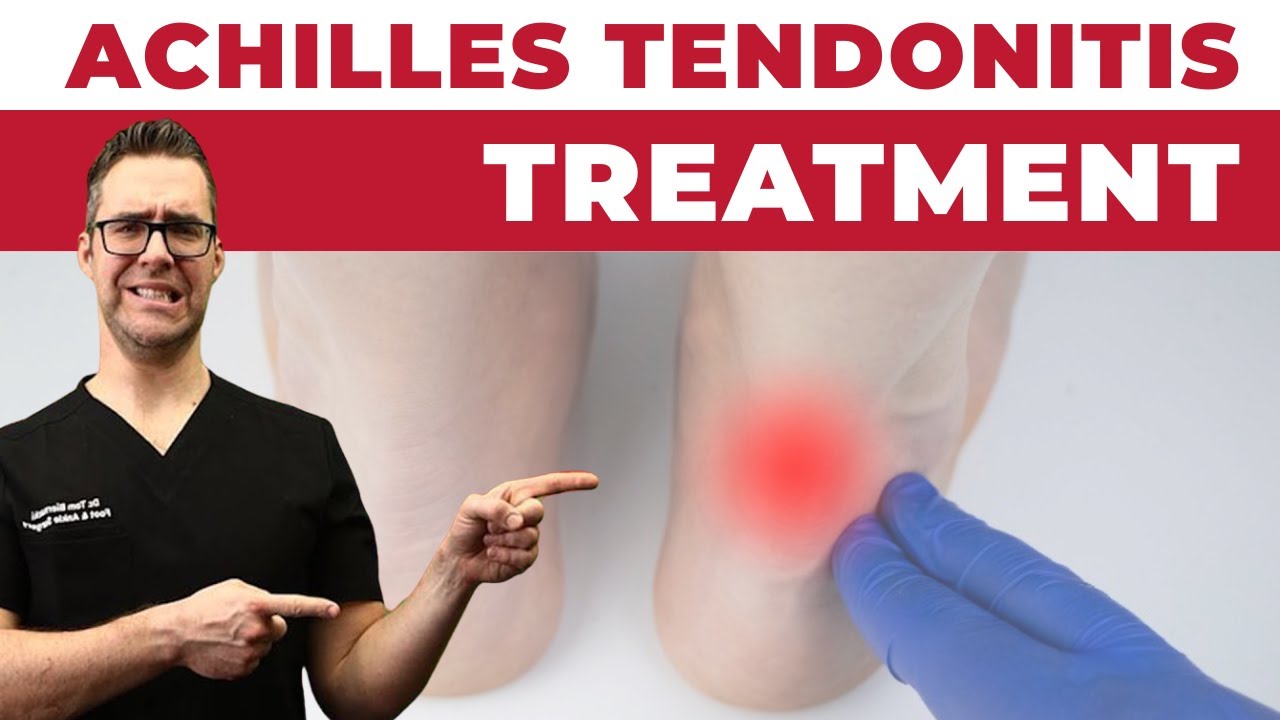
Watch: Achilles Tendonitis Back of Heel Pain — MichiganFootDoctors YouTube
Medically Reviewed | Dr. Tom Biernacki, DPM | Board-Certified Podiatric Surgeon | Balance Foot & Ankle, Michigan

The Two Heel Bursae and Their Distinct Presentations
A bursa is a small, fluid-filled sac that reduces friction between adjacent anatomical structures — bone, tendon, skin, or ligament. The heel has two clinically important bursae that are distinct in location, cause, and treatment approach. The retrocalcaneal bursa lies in the angle between the Achilles tendon and the posterior calcaneal bone — deep to the tendon and proximal to its insertion. The superficial calcaneal bursa (subcutaneous calcaneal bursa) lies between the Achilles tendon and the skin at the posterior heel.
These two bursae produce different clinical presentations that Dr. Biernacki distinguishes on examination: retrocalcaneal bursitis causes deep, internal posterior heel pain with tenderness palpable anterior to the Achilles tendon on both sides (the “two-finger squeeze test”), often associated with a palpable Haglund’s bony prominence. Superficial calcaneal bursitis (pump bump) produces a visible, fluctuant soft tissue prominence at the posterior heel, tender to direct pressure from shoe heel counters.
Haglund’s Deformity and Retrocalcaneal Bursitis
Haglund’s deformity — a prominent posterior-superior calcaneal bone spur — impinges directly on the retrocalcaneal bursa with each step, creating repetitive mechanical irritation that drives chronic bursal inflammation. Not all retrocalcaneal bursitis is associated with Haglund’s deformity, but the presence of a Haglund’s spur significantly worsens conservative management outcomes — because the mechanical cause (bony impingement) persists regardless of treatment. X-ray assessment (lateral calcaneal view) and diagnostic ultrasound at the initial evaluation determines whether Haglund’s deformity is contributing.
Conservative Treatment
Heel lifts (3/8 to 1/2 inch bilateral) reduce Achilles tendon tension and decrease calcaneal impingement on the retrocalcaneal bursa — providing immediate symptom relief in many patients. Open-back footwear (clogs, sandals without heel counters) eliminates the shoe-related compression driving superficial bursitis. Ice applied to the posterior heel for 15–20 minutes after activity reduces local inflammation. Physical therapy modalities (ultrasound, phonophoresis with corticosteroid) reduce bursal swelling in acute cases. Ultrasound-guided aspiration of the retrocalcaneal bursa followed by corticosteroid injection provides significant, often prolonged relief in moderate-to-severe cases — performed in-office with real-time ultrasound guidance.
Surgical Management
Haglund’s exostectomy — surgical removal of the posterior-superior calcaneal prominence — eliminates the bony impingement causing retrocalcaneal bursitis in patients who fail 3–6 months of conservative management. Dr. Biernacki performs endoscopic or open Haglund’s resection with concurrent retrocalcaneal bursectomy through a minimal incision approach. Recovery involves 2–4 weeks of protected weight-bearing followed by progressive return to footwear and activity. Outcomes are excellent with high patient satisfaction — most patients return to full activity including athletic footwear within 8–12 weeks.
Dr. Tom's Product Recommendations

Heel Lift Inserts 3/8 Inch (Retrocalcaneal Offloading)
⭐ Highly Rated
Medical-grade felt heel lifts reducing Achilles tendon tension and calcaneal-bursal impingement — the first-line mechanical treatment for retrocalcaneal bursitis and Haglund’s deformity-related heel pain.
Retrocalcaneal bursitis, Haglund’s deformity, Achilles tendinopathy at insertion, posterior heel pain
Patients with insertional plantar fasciitis — heel lifts may shift load in a counterproductive direction for that condition
Disclosure: We earn a commission at no extra cost to you.

Oofos OOcloog Clog (Open-Back Recovery Footwear)
⭐ Highly Rated
Open-back recovery clog eliminating heel counter pressure on the superficial calcaneal bursa — prescribed for pump bump patients to wear around the house and for casual use while avoiding aggravating heel counter contact.
Superficial calcaneal bursitis (pump bump), heel counter avoidance, recovery footwear
Patients with plantar fasciitis needing arch support — open-back clogs provide less plantar support than lace footwear
Disclosure: We earn a commission at no extra cost to you.

Voltaren Arthritis Pain Topical Gel (Heel Bursitis)
⭐ Highly Rated
Diclofenac topical NSAID gel applied to the posterior heel — reduces local bursal inflammatory response without systemic side effects for both retrocalcaneal and superficial bursitis management.
Posterior heel bursitis local anti-inflammatory, adjunct to injection therapy, daily management
Primary treatment — topical NSAIDs complement but do not replace mechanical offloading and appropriate footwear
Disclosure: We earn a commission at no extra cost to you.
✅ Pros / Benefits
- Heel lifts provide immediate mechanical relief by reducing Achilles-calcaneal impingement
- Ultrasound-guided bursal injection provides significant, prolonged relief for moderate-to-severe retrocalcaneal bursitis
- Open-back footwear eliminates the primary mechanical cause of superficial calcaneal bursitis
- Haglund’s exostectomy definitively resolves the bony impingement driving retrocalcaneal bursitis
❌ Cons / Risks
- Haglund’s deformity-associated bursitis has lower conservative management success rates — surgical bony resection often required
- Ultrasound-guided injections provide temporary relief — conservative modifications must address the underlying mechanical cause
- Recovery after Haglund’s exostectomy requires 8–12 weeks before return to athletic footwear
- High heel footwear causes direct compression on both bursae — footwear modification is essential for successful management
Dr. Tom Biernacki’s Recommendation
Heel bursitis is one of those conditions that patients often confuse with plantar fasciitis — both cause heel pain, but the location and treatment are completely different. Retrocalcaneal bursitis is at the back of the heel near the Achilles, not the bottom. The Haglund’s deformity X-ray finding changes the whole management approach — because without addressing the bony impingement, no amount of injection or physical therapy will give lasting relief. I see Haglund’s frequently in women who wear rigid-heeled shoes and high heels for decades.
— Dr. Tom Biernacki, DPM | Board-Certified Podiatric Surgeon | Balance Foot & Ankle
Frequently Asked Questions
What is retrocalcaneal bursitis?
Retrocalcaneal bursitis is inflammation of the bursa between the Achilles tendon and the posterior calcaneus (heel bone). It causes deep posterior heel pain, worsened by athletic activity and rigid heel counter footwear. It is often associated with Haglund’s deformity — a bony prominence on the posterior calcaneus that mechanically irritates the bursa. Treatment: heel lifts, open-back footwear, ultrasound-guided injection, and Haglund’s exostectomy for refractory cases.
What is a pump bump?
A pump bump is a common term for superficial calcaneal bursitis — inflammation of the bursa between the Achilles tendon and the skin at the posterior heel, producing a visible, tender prominence. It is caused by pressure from rigid shoe heel counters (especially women’s dress shoes and pumps). Treatment: eliminating rigid heel counter shoe contact, padding, and in severe cases, aspiration of the bursal fluid.
Is heel bursitis the same as plantar fasciitis?
No. Heel bursitis causes posterior heel pain at the Achilles attachment area. Plantar fasciitis causes inferior heel pain at the plantar fascia attachment on the bottom of the heel. Both are common and may coexist, but they have different mechanisms, examination findings, and treatments. Clinical examination and ultrasound reliably distinguish the two conditions.
Can heel bursitis be cured without surgery?
Most retrocalcaneal and superficial calcaneal bursitis cases resolve with conservative management — heel lifts, footwear modification, and ultrasound-guided injection. Haglund’s deformity-associated bursitis has a lower conservative success rate and more often requires surgical bony resection for definitive relief. Dr. Biernacki completes a full conservative management trial (3–6 months) before recommending surgical intervention.
Michigan Foot Pain? See Dr. Biernacki In Person
4.9★ rated | 1,200+ Reviews | 3,000+ Surgeries
Book online 24/7 · Howell & Bloomfield Township
📞 (810) 206-1402 Book Online →Frequently Asked Questions
How long does plantar fasciitis take to heal?
Most plantar fasciitis cases resolve within 6–12 months with consistent treatment. In our clinic, patients who begin care within the first 8 weeks see 80% improvement by month 3. Chronic cases — pain lasting over a year — typically require PRP injections or surgical intervention, but fewer than 5% of our patients reach that point. Starting treatment early is the single biggest factor in shortening recovery.
Why is plantar fasciitis pain worst in the morning?
Overnight, the plantar fascia contracts in a shortened position. Your first steps stretch it abruptly, causing micro-tears at the heel attachment and sharp pain. This ‘first-step pain’ that eases after 10–15 minutes is the hallmark diagnostic sign. If your pain worsens throughout the day rather than improving, a different diagnosis — stress fracture, fat pad atrophy, or nerve entrapment — should be explored.
Can I walk or run with plantar fasciitis?
You can often continue with modifications, especially in early-stage cases. Reduce mileage by 30–50%, avoid hills and speed work, and run on softer surfaces. Add aggressive calf stretching before and after. If pain exceeds 4/10 during activity, stop — pushing through moderate-to-severe pain causes scar tissue formation that can double your recovery time. We reassess runners every 3 weeks to adjust the plan.
Does plantar fasciitis require surgery?
Surgery is required in fewer than 5% of cases. We exhaust conservative options first: custom orthotics, physical therapy, night splints, corticosteroid injections, and shockwave therapy. If those fail after 6–12 months of consistent treatment, plantar fascia release or PRP is considered. In our practice, patients who follow a structured protocol almost never reach surgery.
What shoes help plantar fasciitis the most?
The three features that matter most: firm arch support (not soft cushioning — soft foam collapses under load), a slight heel elevation of 8–12mm to reduce fascia tension, and a wide, deep toe box. Motion-control and stability shoes outperform neutral cushioned shoes for most plantar fasciitis patients. Avoid flat shoes, flip-flops, and going barefoot on hard floors entirely.
Do I need custom orthotics, or will store-bought insoles work?
For mild-to-moderate plantar fasciitis, high-quality OTC insoles (Superfeet, Powerstep) work well for about 60% of patients. Custom orthotics are worth it when: your arch collapse is severe, OTC insoles haven’t helped after 8 weeks, or you have a secondary issue like leg-length discrepancy or overpronation driving the problem. We cast custom orthotics in-office when clinically indicated — typically covered by most PPO plans.
Is plantar fasciitis the same as a heel spur?
No — they’re related but different. A heel spur is a bony calcium deposit that forms on the bottom of the heel bone; plantar fasciitis is inflammation of the fascia ligament. About 70% of patients with plantar fasciitis have a heel spur on X-ray, but the spur is rarely the source of pain. Treating the fascia inflammation resolves symptoms in most cases without removing the spur.
What stretches actually work for plantar fasciitis?
The two most evidence-supported stretches: (1) Seated towel stretch — loop a towel around your foot, pull toes toward you, hold 30 seconds, repeat 3x before getting out of bed. (2) Calf-wall stretch with a straight knee and a bent knee — targets both the gastrocnemius and soleus. Research shows stretching 3x daily reduces symptoms significantly within 8 weeks. The Strassburg sock worn overnight is the highest-impact passive stretch available.
Can plantar fasciitis come back after it heals?
Yes — recurrence rate is 15–25% in the first year without maintenance. The three biggest recurrence triggers: returning to the shoes that caused the problem, stopping stretching when pain disappears, and sudden increases in activity. Patients who continue daily stretching, wear supportive footwear consistently, and use orthotics long-term have recurrence rates under 5% in our practice.
When should I see a podiatrist for heel pain?
See a podiatrist if: pain is severe and limits daily walking, pain hasn’t improved after 4 weeks of rest and stretching, pain is getting progressively worse, you’re having pain at night or at rest, or the pain is on the back or side of your heel rather than the bottom. Night and resting pain can indicate stress fractures, nerve compression, or Achilles pathology — conditions that need imaging to rule out.
What’s the difference between plantar fasciitis and tarsal tunnel syndrome?
Both cause heel pain but feel different. Plantar fasciitis pain is sharp, focal, and worst with first steps. Tarsal tunnel pain is burning, tingling, or electric — often radiating into the arch and toes — and worsens with prolonged standing. Tarsal tunnel is nerve compression (like carpal tunnel in the wrist); plantar fasciitis is ligament degeneration. A nerve conduction study and Tinel’s sign test differentiate them. Misdiagnosis is common — about 20% of chronic plantar fasciitis cases are actually tarsal tunnel.
Related Conditions
In-Office Treatment at Balance Foot & Ankle
If home treatment isn’t providing relief for your foot issues, our podiatry team at Balance Foot & Ankle can help with expert evaluations and advanced in-office care.
Ready to get relief? Book an appointment at Balance Foot & Ankle or call (810) 206-1402. Book online 24/7 in Howell & Bloomfield Township, MI.
American Podiatric Medical Association: Find a Podiatrist
Ready to Get Relief?
Book online 24/7 in Howell & Bloomfield Township, MI
4.9★ | 1,200+ Reviews | 3,000+ Surgeries
Or call: (810) 206-1402
Seen at both offices — Howell and Bloomfield Township.

Dr. Tom Biernacki, DPM is a board-certified foot & ankle surgeon (ABFAS & ABPM) at Balance Foot & Ankle Specialists in Southeast Michigan. With over a decade of clinical experience, he specializes in heel pain, bunions, diabetic foot care, sports injuries, and minimally invasive surgery. Dr. Biernacki is a member of the APMA and ACFAS, and his patient education content on MichiganFootDoctors.com and YouTube has made him one of the most-followed foot & ankle educators on YouTube.