

Quick answer: Keratin granulations are chalky white patches on the nail surface left when polish or gel dries out the top layer of keratin — not a fungal infection. They fade once you pause polish for a few weeks and rehydrate the nail; discoloration that spreads or thickens should be checked by a podiatrist to rule out fungus.
Ready to be seen? Book a real appointment time online, 24/7 — Howell or Bloomfield Township. Bloomfield Township usually has the earliest openings; if you need to be seen sooner than the calendar shows, call (810) 206-1402.
Discoloration is just one of several nail changes worth understanding. Two others to know are horizontal ridges or dents across the nail (Beau’s lines) and a toenail that’s lifting or falling off — each has its own causes and fixes.
Medically reviewed by Dr. Tom Biernacki, DPM
Board-certified podiatric surgeon | Balance Foot & Ankle
Last reviewed: May 2026

Keratin granulations are chalky white patches on the toenail surface, most often appearing after nail polish or gel is removed. They are a surface reaction, not a fungal infection (how to tell them apart from fungus), and usually clear once the nail is left to breathe. Below we cover what causes them and how to treat and prevent them. Book online in about a minute — or call (810) 206-1402.
Keratin Granulations Treatment: What Works, What Doesn’t, and Why
Keratin granulations are the most over-treated nail condition in dermatology — and simultaneously the most under-treated. Over-treated because millions of people buy antifungal products for white chalky toenails that are actually keratin granulations (nail polish damage, not fungal). Under-treated because the correct intervention — a nail polish holiday with daily nail oil — requires consistency over 4-6 weeks, and most people abandon it before the nail recovers. This is the complete treatment guide for confirmed keratin granulations.
| Treatment | Evidence | How to Use | Timeline to Clear | Cost | For Keratin Granulations? |
|---|---|---|---|---|---|
| Nail polish holiday (first-line) | Strong — resolves in virtually all patients who comply; the dehydrated nail plate simply needs time to rehydrate without further chemical insult | Remove all nail polish completely; avoid all polish, gel, and acrylic for minimum 4-6 weeks; if granulations are severe: 8-12 weeks bare nail; do not trim or file the affected areas initially | 4-6 weeks for mild; 8-12 weeks for extensive; new nail growth at the proximal nail will appear normal immediately; the white area grows out distally | Free | YES — cornerstone treatment; without this step, no other treatment is fully effective |
| Daily nail oil application | Strong — nail oil replenishes lipids in the dehydrated nail plate; accelerates rehydration and reduces white chalky texture significantly | Apply nail oil (vitamin E oil, jojoba oil, argan oil, or commercial nail oil) to all toenails once or twice daily; massage into the nail plate and surrounding skin for 30-60 seconds; apply before bed with cotton socks to enhance absorption | Visible improvement in nail surface within 2-3 weeks; white chalky texture reduces as nail rehydrates | $5-20 for oil | YES — second most important intervention; dramatically improves healing speed |
| Avoid acetone-based removers | Strong — acetone is the primary nail dehydrator; switching to acetone-free remover prevents recurrence | Switch to acetone-free nail polish remover (ethyl acetate-based); these remove polish with less dehydrating effect; available at any drugstore; labeled “acetone-free” or “gentle formula” | Prevents recurrence; existing granulations still require polish holiday to resolve | Comparable to acetone removers | YES — essential for prevention; acetone-free remover alone does not reverse existing granulations |
| Urea cream 20-40% (keratolytic) | Moderate — urea hydrates the nail plate and reduces keratin buildup; used in nail psoriasis and fungal nail treatment; adaptable for granulations | Apply urea cream 20-40% to affected nail plate nightly; cover with cotton sock; use in place of or in addition to nail oil; available OTC (CeraVe SA Cream, Eucerin Urea) or Rx for 40% | Additional improvement in nail hydration and smoothness beyond nail oil alone; 3-4 weeks | $10-30 | YES — adjunct to nail oil for stubborn granulations; most effective with nail polish holiday |
| Antifungal cream (terbinafine, clotrimazole) | None for keratin granulations — no fungal pathogen; antifungal is treating the wrong condition entirely | N/A for keratin granulations | No improvement | $10-20 wasted | NO — completely ineffective; keratin granulations are not caused by fungus; antifungal cream does not hydrate the nail plate |
| Antifungal nail lacquer (efinaconazole, ciclopirox) | None for keratin granulations — these are prescription antifungals for actual onychomycosis; ineffective for nail polish damage | N/A for keratin granulations | No improvement | $150-300 wasted | NO — expensive misdirected treatment; if prescribed for “nail fungus” based on visual diagnosis alone (without KOH), reconsider the diagnosis |
| Nail buffing / filing white surface | Moderate — gently buffing the chalky surface removes the most dehydrated outer nail layers and improves penetration of nail oil; do NOT over-file | Use a fine-grit buffer (220-grit or nail buffer block); lightly buff the chalky white surface until it appears slightly smoother and less opaque; stop before reaching the pink nail plate; apply nail oil immediately after | Immediate improvement in appearance; combined with nail oil, accelerates recovery | $3-8 for buffer | YES — adjunct; avoid aggressive filing which thins the nail plate and delays recovery |
Keratin Granulations vs. Nail Fungus: Two Completely Different Treatment Paths
| Step | Keratin Granulations Treatment | Nail Fungus (WSO) Treatment |
|---|---|---|
| Step 1: Stop the cause | STOP all nail polish, gel, and acrylic — the chemical insult causing the damage must end; no progress is possible while polish is still applied | No nail polish to stop; treat the fungal infection; identify source of exposure (gym, pool, communal showers) |
| Step 2: Surface preparation | Gently buff the white chalky surface with a fine-grit nail buffer to remove dehydrated outer nail layers; improves oil penetration | File the white surface with 180-grit nail file to remove infected superficial layers; critical step that doubles topical antifungal efficacy in WSO |
| Step 3: Active treatment | Apply nail oil (vitamin E, jojoba, or argan) to all toenails twice daily; urea cream 20-40% as adjunct; apply before bed with socks; repeat daily without exception | Apply efinaconazole 10% solution (Jublia) or ciclopirox 8% lacquer to all toenails daily; extend to the nail folds and undersurface of the distal nail edge; allow to dry 90 seconds before socking |
| Step 4: Prevent recurrence | Switch to acetone-free nail polish remover permanently; limit polish-on time to ≤2 weeks between removals; allow nail polish holidays every 4-6 weeks; avoid gel and acrylic (most damaging) | Treat all toenails (not just affected ones) for the full 48-week course; antifungal foot powder in shoes; replace old shoes (fungal reservoir); treat household members if confirmed transmission |
| Timeline | 4-6 weeks for mild cases; 8-12 weeks for severe; full normal nail appearance when the damaged section grows off the end of the nail (3-4 months for great toenail) | 12 months for full clearance (toenail grows 1-2mm/month × ~10mm = 10-12 months for great toenail to regrow clear); assess mycologic cure at 12 months |
| Cost | $5-30 total (nail oil + optional urea cream + acetone-free remover) | $150-300 for efinaconazole 10% (Jublia) per 8ml bottle; requires 2-3 bottles for 48-week course; or ~$30-50 for generic ciclopirox |

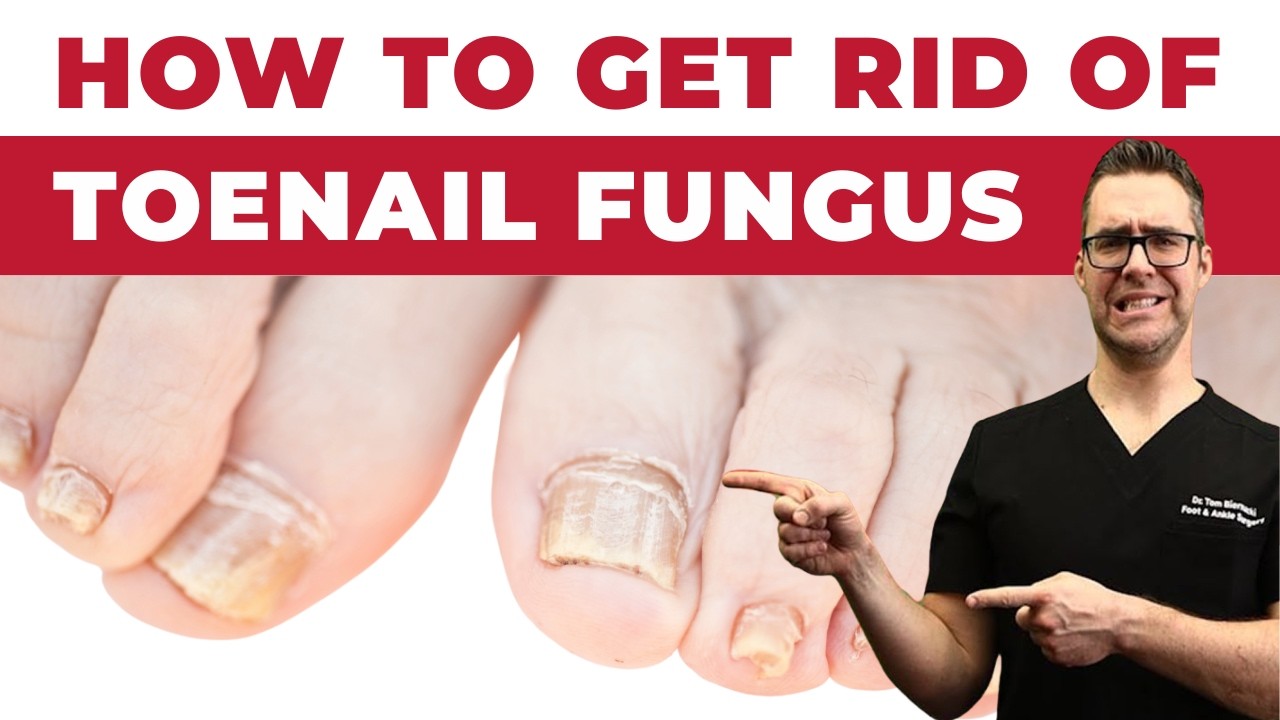
Dr. Tom Biernacki, DPM explains · Michigan Foot Doctors on YouTube
Your nails are chalky from polish damage and you want them clear. Here’s the 4-week treatment that actually works.
You’re in the right place. Dr. Tom Biernacki, DPM, FACFAS — board-certified foot & ankle surgeon with 3,000+ surgeries — explains exactly what keratin granulation treatment means and what works. Call (810) 206-1402 for an appointment at Howell or Bloomfield Township.
![BEST Toenail Fungus Treatment 2024 [+4 BIG SECRETS]](https://www.michiganfootdoctors.com/wp-content/cache/flying-press/b57e36a42ee446108a7ec3058217b512.jpg)
📋 Table of Contents
What Are Keratin Granulations?
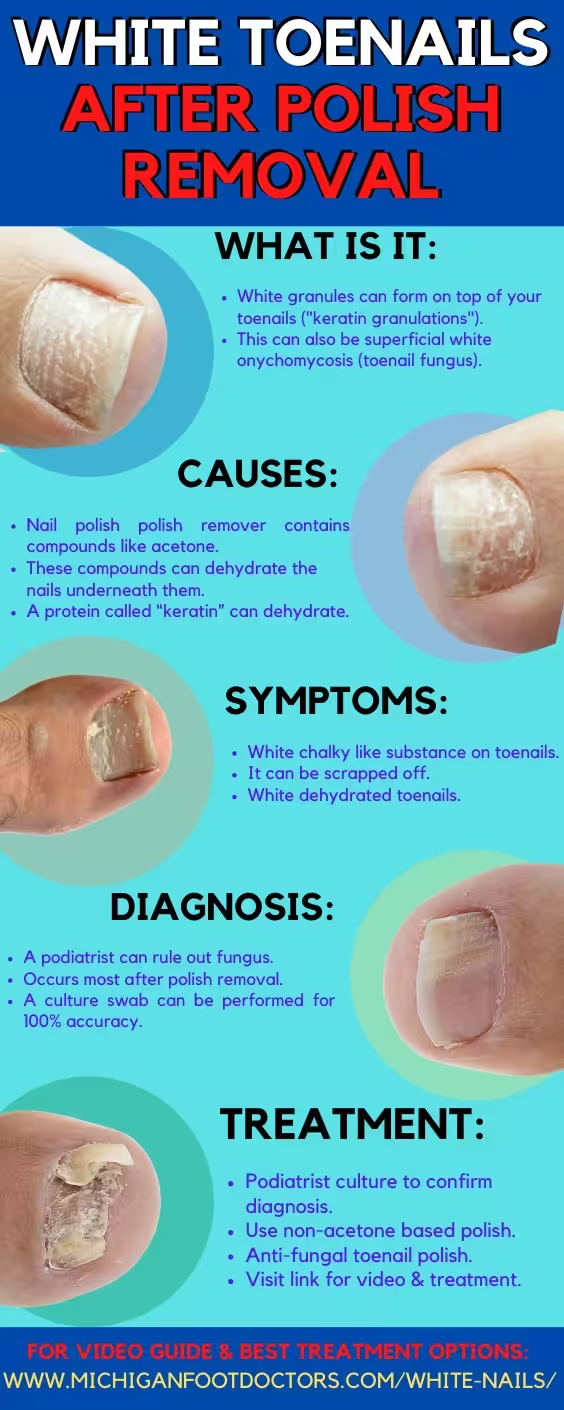
Keratin granulations are white, rough, chalky patches that appear on the surface of the toenail after nail polish is removed. They occur when the superficial layers of the nail plate become dehydrated and damaged, causing the keratin protein to form visible granules on the nail surface. The result is a toenail that looks white, frosted, or powder-coated — which understandably causes alarm because it can closely resemble superficial white onychomycosis (a type of fungal nail infection).
The good news: keratin granulations are cosmetic, harmless, and easily treatable. They don’t damage the nail matrix (growth center), don’t spread to other nails, and don’t require prescription medication. Understanding what they are — and what they aren’t — saves you from unnecessary antifungal treatment and worry.
What Causes Keratin Granulations?
The primary cause is prolonged nail polish wear — particularly dark or pigmented polishes — combined with harsh polish removers. Here’s the mechanism: nail polish adheres to the superficial keratin layers of the nail plate. When polish is removed (especially with acetone-based removers), these superficial keratin layers are stripped away along with the polish, leaving the nail dehydrated and rough. When polish is immediately reapplied without giving the nail time to rehydrate, the damage accumulates.
Other contributing factors include gel polish and dip powder systems (which bond more aggressively to the nail surface and require more aggressive removal), frequent polish changes without rest periods, acrylic nail applications (the filing and bonding process damages the nail surface), and acetone-based nail polish removers (significantly more drying than acetone-free alternatives).
Keratin Granulations vs. Toenail Fungus — How to Tell the Difference
This is the most important clinical distinction because the treatments are completely different. Keratin granulations appear as superficial white patches on the nail surface only, can be partially scraped off with gentle buffing, are associated with recent nail polish removal, don’t cause nail thickening or crumbling, are limited to the surface of the nail plate, and affect only nails that had polish on them.
Superficial white onychomycosis (the fungal infection it mimics) appears as white patches that can also be scraped off initially but spreads and deepens over time, is progressive (gets worse without treatment), may eventually cause nail thickening, yellowing, or crumbling, can spread to adjacent nails, occurs with or without history of nail polish, and may be associated with athlete’s foot. If you’re unsure which you have, see a podiatrist — a simple nail scraping or culture can definitively distinguish the two. For more on fungal infections, see our toenail fungus treatment guide.
The scraping is the only way to actually know
Everything above helps you guess, and most of the time the guess will be right. But keratin granulations and a true fungal infection are treated completely differently, and it is common for people to spend months and a fair amount of money on antifungals for a nail that never had fungus in it. A clipping looked at under a microscope, or sent for culture, settles it.
Howell — 4330 E Grand River Ave, Howell MI 48843 · Bloomfield Township — 43494 Woodward Ave #208, Bloomfield Township MI 48302
3 Other Causes of White Toenails After Polish Removal
Keratin granulations and superficial white onychomycosis explain the large majority of white, chalky toenails after polish removal. But three less common conditions can produce a similar look — and each one changes what you should do next.
1. Onycholysis with air trapping
Onycholysis is separation of the nail plate from the nail bed beneath it. When polish is worn on an already-separating nail, the gap fills with air — which reads as a bright white or yellowish-white patch. Removing the polish makes that air-space whiteness obvious. The giveaway: the white area looks smooth rather than rough, and has a defined border where the nail lifted from the bed. It is not fungal, but persistent onycholysis can become an entry point for fungus or bacteria, so a lifting nail that does not reattach is worth a podiatrist’s look.
2. Trauma-related white spots (punctate leukonychia)
Punctate leukonychia — the classic “white spots on nails” — comes from minor trauma to the nail matrix while the nail was forming. The spots are 1–3 mm, appear as distinct dots rather than a chalky film, and travel toward the tip as the nail grows (about 1.5 mm a month for toenails). The pressure of an applicator brush, aggressive cuticle work, or an LED curing lamp during a gel manicure can all cause them. They are completely benign and simply grow out over 4–6 months with no treatment needed.
3. Allergic reaction to nail polish ingredients
Tosylamide/formaldehyde resin (a common hardening agent) and the acrylates in gel polish can trigger an allergic contact reaction in the nail and surrounding skin. Chronic reaction can leave the nail plate white, rough, and fragile. The clue that separates this from keratin granulations is the skin: look for redness, scaling, or swelling of the nail fold and fingertips alongside the nail change. If you see that pattern, switching polish brands or stopping gel is the fix — and a dermatology patch test can confirm the trigger.
Keratin Granulations: Severity Scale — What Each Stage Looks Like
Not all keratin granulations look the same. Grading how much of the nail surface is affected sets realistic expectations for how long recovery takes and whether home care is enough. Use this scale to find where your nails fall.
| Severity | Appearance | Nail Plate Condition | Timeline to Resolve | Treatment Required |
|---|---|---|---|---|
| Grade 1 — Mild | Small white or opaque patches covering <25% of nail surface; patches are superficial and may look like white dust or film; nail surface slightly dull rather than shiny | Intact; nail thickness normal; normal translucency at the edges; only the surface is affected | 2-3 weeks of nail polish holiday + nail oil | Nail polish holiday + daily nail oil; switch to acetone-free remover |
| Grade 2 — Moderate | White chalky patches covering 25-75% of nail surface; clearly visible white opaque areas; powdery texture that can be lightly scraped; nail surface visibly rough | Mildly thinned; surface dehydration throughout; nail may be slightly more flexible than usual; new growth at proximal nail fold appears normal | 4-6 weeks of nail polish holiday + daily nail oil | Nail polish holiday (minimum 4-6 weeks) + twice-daily nail oil + optional urea cream 20-40%; gentle nail buffing to improve oil penetration |
| Grade 3 — Severe | Entire nail surface appears white, chalky, and opaque; severe powdery texture; nail may appear thickened (pseudo-thickening from surface dehydration, not true nail thickening); easily confused with nail fungus at this stage | Significantly dehydrated throughout the nail plate thickness; nail may be brittle and prone to chipping or breaking; entire surface affected; nail is NOT actually thick — it appears thick due to opaque surface scattering | 8-12 weeks nail polish holiday; full visual recovery when damaged nail grows off (3-6 months) | Mandatory extended nail polish holiday (8-12 weeks minimum); twice-daily nail oil or urea cream 40%; avoid any nail polish or chemical during recovery; dermatology referral if not improving at 8 weeks to rule out true onychomycosis |
| Grade 4 — Advanced / Complicated | Extensive nail damage with surface keratin granulations PLUS secondary changes: nail plate separation (onycholysis), nail thinning, nail brittleness, or secondary yeast (Candida) colonization in the lifted nail space | Nail plate integrity compromised; true thinning (not just surface change); possible secondary onycholysis; Candida colonization possible under lifted nail areas; KOH may show yeast (secondary, not primary cause) | 3-6 months for nail to fully regrow; secondary infection must be treated separately | Nail polish holiday; nail oil; treat secondary Candida if present (topical clotrimazole in onycholytic space); consider podiatry referral for assessment and nail trimming of lifted areas; this stage warrants KOH test to rule out primary fungal and identify secondary infection |
How to Treat Keratin Granulations at Home (4 Steps)
Keratin granulations are treated at home, not in a pharmacy aisle. The protocol is four steps — strip the polish, lightly buff the chalky surface, rehydrate the keratin twice daily, and keep the nail bare while it grows out. Most nails look noticeably smoother in 2–3 weeks and fully normal in 4–6 weeks, because the damaged surface has to grow off the end of the nail rather than heal in place. No antifungal cream, medicated lacquer, or oral pill speeds this up — there is no fungus to kill.
Step 1: Remove All Polish
Use an acetone-free nail polish remover to gently remove all remaining polish. Acetone-free is preferred because it’s less drying to the already-damaged nail. If you have gel or dip powder, soak in acetone only as long as necessary and follow with immediate moisturizing.
Step 2: Gently Buff the Nail Surface
Using a fine-grit nail buffer (not a coarse file), gently smooth the white, chalky surface. Don’t over-buff — you only need to remove the loose, dehydrated keratin granules. One or two light passes is sufficient. Over-buffing will thin the nail further and worsen the problem.
Step 3: Moisturize and Nourish
This is the most important step. Apply a nail and cuticle oil (containing vitamin E, jojoba oil, or tea tree oil) to the affected nails twice daily. The oil rehydrates the keratin and restores the nail’s natural flexibility and sheen. Urea cream (40%) is particularly effective — it penetrates the nail plate and provides deep hydration to damaged keratin. Apply nightly for 4–6 weeks.
Step 4: Let Nails Rest
Give your toenails a “polish holiday” of at least 4–6 weeks — 8–12 weeks if the granulations are extensive — to allow the nail surface to fully recover. Toenails grow approximately 1.6mm per month, so the damaged area will gradually grow out and be replaced by healthy nail. During this rest period, continue daily moisturizing and avoid harsh nail products.
Best Products for Keratin Granulations
🛒 Podiatrist-Recommended Products for Nail Recovery
🏆 Best Nail Hydrating Treatment
Urea Cream 40% — The gold standard for rehydrating damaged nails. Urea penetrates the nail plate to restore moisture from within. Apply nightly to affected nails. Also excellent for softening thick nails. Works faster than oil alone for keratin granulation recovery.
⭐ Our #1 recommendation for keratin granulations
Best Cuticle & Nail Oil
Tea Tree Oil — Natural moisturizer with antifungal properties. Apply 1–2 drops to each nail twice daily. Provides hydration while also protecting against opportunistic fungal infection of the weakened nail surface. Mix with a carrier oil (coconut or jojoba) if preferred.
Best Preventive Nail Treatment
Fungi-Nail Anti-Fungal Solution — If you’re unsure whether your white nails are keratin granulations or early fungal infection, the smartest first step is a quick in-office exam. Keratin granulations and early nail fungus can look alike but are treated very differently — a simple two-minute podiatrist test tells them apart, so you don’t spend months (or money) treating the wrong thing.
Best Protective Socks
Copper-Infused Antimicrobial Socks — Protect recovering nails from secondary fungal or bacterial infection. The copper fibers inhibit microbial growth while keeping feet dry. Ideal during the polish-free recovery period when nails are most vulnerable.
How to Prevent Keratin Granulations
Give your nails a 1–2 week polish break for every 2–3 weeks of wear. Use acetone-free nail polish remover whenever possible. Apply a base coat before colored polish to create a barrier between pigment and nail. Moisturize nails and cuticles daily with oil or cream, even when wearing polish. When removing gel or dip powder, follow proper soak-off procedures rather than peeling or forcefully scraping. Choose “breathable” nail polish formulas that allow moisture exchange when available.
⚠️ When to See a Podiatrist
- White patches don’t improve after 4 weeks of moisturizing and polish rest
- The nail is thickening, crumbling, or yellowing (suggests fungal infection)
- White discoloration is spreading to adjacent nails
- You’re unsure if it’s keratin granulations or toenail fungus
- Pain, redness, or swelling develops around the affected nail
If any of these apply, our podiatrists in Howell and Bloomfield Township can evaluate the nail during a medical pedicure — the damaged surface is safely buffed, thinned, and treated in a sterile setting while the white patches grow out.
More Podiatrist-Recommended Foot Health Essentials
Hoka Clifton 10

Max-cushion everyday shoe — podiatrist favorite for walking and running.

OOFOS Recovery Slide

Impact-absorbing recovery sandal — wear after long days on your feet.
As an Amazon Associate, Balance Foot & Ankle earns from qualifying purchases. Product recommendations are based on clinical experience; prices and availability shown above update live from Amazon.
When to See a Podiatrist
If foot or ankle pain has been bothering you for more than a few weeks, home care alone may not be enough. Balance Foot & Ankle sees patients at our Howell and Bloomfield Township offices — no referral needed in most cases. Bring your current shoes and a short list of symptoms and we’ll build you a treatment plan in one visit.
Call Balance Foot & Ankle: (810) 206-1402 · Book online · Offices in Howell & Bloomfield Township
Frequently Asked Questions
Are keratin granulations permanent?
No — keratin granulations are temporary and fully reversible. With proper treatment (polish removal, gentle buffing, moisturizing), most cases resolve within 4–6 weeks. The damaged nail surface gradually grows out and is replaced by healthy nail over 2–3 months.
Can I paint my nails if I have keratin granulations?
It’s best to give your nails a rest of at least 4–6 weeks before reapplying polish. Covering the granulations with more polish traps moisture loss and prevents recovery. When you do resume polish, use a nourishing base coat, acetone-free remover, and schedule regular polish breaks.
Do keratin granulations mean my nails are unhealthy?
They indicate superficial damage to the nail surface — not deep nail disease. The nail matrix (growth center) is unaffected, so new nail growth will be completely normal. Think of it like dry, flaky skin — the underlying tissue is fine, it just needs rehydration and time to recover.
Can gel or dip powder nails cause keratin granulations?
Yes — gel and dip powder systems are actually more likely to cause keratin granulations than regular polish because they bond more aggressively to the nail surface and require acetone soaking or filing for removal. The removal process strips more superficial keratin than standard polish removal. If you wear gel or dip regularly, nail breaks and moisturizing are even more important.
The Bottom Line
Keratin granulations look alarming but are harmless, temporary, and easy to treat. The white, chalky patches on your toenails after polish removal are caused by surface dehydration — not fungus. Remove polish, buff gently, moisturize daily, and give your nails a 2–4 week break. If the white patches don’t resolve or if the nail starts thickening or crumbling, see a podiatrist to rule out fungal infection.
Baran R, et al. Onycholysis and superficial white onychomycosis. J Cosmet Dermatol. 2007;6(1):3-6. NCBI PubMed.
Dealing With Keratin Granulations on Your Nails?
Keratin granulations appear as white, chalky patches on toenails after polish removal. While often harmless, they can mimic fungal infections. Our podiatrists provide accurate diagnosis and treatment.
Products for Keratin Granulation Treatment
These help restore damaged nails after keratin granulations:
- Nail hardener / strengthener — Protects and repairs fragile nail plates: View on Amazon
- Jojoba oil or nail oil — Rehydrates the nail plate and cuticle: Check price
- Nail buffer blocks — Gently smooth the nail surface: View on Amazon
📞 Or call us directly: (810) 206-1402
Clinical References
- Baran R, Dawber RPR. Diseases of the Nails and their Management. 4th ed. Wiley-Blackwell. 2012.
- Scher RK, Daniel CR. Nails: Diagnosis, Therapy, Surgery. 3rd ed. Elsevier Saunders. 2005.
- Rich P, Scher RK. An Atlas of Diseases of the Nail. Parthenon Publishing. 2003.
Insurance Accepted
BCBS · Medicare · Aetna · Cigna · United Healthcare · HAP · Priority Health · Humana · View All →

Howell Office
4330 E Grand River Ave
Howell, MI 48843
Get Directions →
Bloomfield Township Office
43494 Woodward Ave, #208
Bloomfield Township, MI 48302
Get Directions →
How to Handle Keratin Granulations
🏠
Try At Home First
- Avoid nail polish for 4–6 weeks
- Apply thick moisturizer or petroleum jelly nightly
- Buff gently with a soft nail file
- Use breathable socks and open-toed shoes
Start here — may take 4–8 weeks
🛒
Products I Recommend
- Nail strengthening treatment
- Urea-based foot cream (20–40%)
- Buffing blocks for nail surface
- Tea tree oil cuticle serum
👨⚕️
See a Podiatrist
- Persistent or recurring white patches
- Distinguishing fungal infection from granulations
- Painful or discolored nails
- Nail damage from trauma or chemicals
⭐ 4.9 stars · 1,200+ reviews · Balance Foot & Ankle · Howell & Bloomfield Township MI
Your Board-Certified Podiatrists



Ready to Get Back on Your Feet?
Prompt appointments available at both locations.
Book Your AppointmentIn-Office Treatment at Balance Foot & Ankle
If home treatment isn’t providing relief for your toenail condition, our podiatry team at Balance Foot & Ankle can help with in-person evaluations and advanced in-office care.
Ready to Get Relief?
Appointments available in Howell & Bloomfield Township, MI
4.9★ | 1,200+ Reviews | 3,000+ Surgeries
Or call: (810) 206-1402
📋 Dr. Tom Biernacki, DPM, FACFAS answers:
The fastest resolution comes from three steps done simultaneously: stop all nail polish and artificial nails immediately to remove the ongoing source of damage, apply a keratin-repairing nail treatment (products containing biotin, keratin hydrolysate, or panthenol) twice daily, and keep the nail hydrated with vitamin E oil or cuticle cream. A nail hardener containing formaldehyde should be avoided — it initially looks better but further desiccates the nail plate. Buffing the surface very gently with a fine-grit nail file can improve appearance temporarily but must be done sparingly — over-buffing thins the nail further. There are no oral medications needed. Timeline: fingernails show significant improvement in 4–6 weeks; toenails take 3–5 months to fully grow out.
Want keratin granulations treated near you? Balance Foot & Ankle treats keratin granulations (the chalky white patches that nail polish and gel removal leave behind) and restores healthy nails at our Bloomfield Township office (Oakland County) and Howell office (Livingston County). Book online or call (810) 206-1402.
When home care isn’t enough: if the white, chalky buildup keeps coming back or you’re not sure it’s just keratin, a medical pedicure with our podiatry team safely removes the surface debris, inspects the nail for anything more serious, and treats it in-office — no guesswork.
Book an appointment with a podiatrist
Keratin granulations look alarming and are usually straightforward to treat, but the same chalky look can occasionally be an early fungal infection, and a quick exam tells the two apart before you spend money on the wrong product. Balance Foot & Ankle sees patients at two offices — Howell in Livingston County, and Bloomfield Township in Oakland County.
Book online, 24/7: choose a real appointment time at Howell or Bloomfield Township. Prefer to speak with someone first? Call (810) 206-1402 or use the form below.

Dr. Tom Biernacki, DPM is a board-certified foot & ankle surgeon (ABFAS & ABPM) at Balance Foot & Ankle Specialists in Southeast Michigan. With over a decade of clinical experience, he specializes in heel pain, bunions, diabetic foot care, sports injuries, and minimally invasive surgery. Dr. Biernacki is a member of the APMA and ACFAS, and his patient education content on MichiganFootDoctors.com and YouTube has made him one of the most-followed foot & ankle educators on YouTube.
More questions patients ask
What is the best treatment for keratin granulations?
The most effective treatment for keratin granulations is giving your nails a complete break from nail polish for 2–4 weeks. Apply a nail hardener or keratin-rebuilding nail strengthener daily, moisturize with cuticle oil, and avoid acetone-based removers. Most nails fully recover within 2–3 months with consistent care.
Can nail strengtheners fix keratin granulations?
Yes — nail strengtheners containing keratin, biotin, calcium, or hydrolyzed proteins help rebuild the damaged nail surface after keratin granulations. Apply them to clean, dry nails daily during your polish-free period. Products like OPI Nail Envy or Barielle Nail Strengthener are commonly recommended.
How do you prevent keratin granulations from coming back?
Prevent recurrence by taking regular breaks from nail polish (1–2 weeks off every 2–3 months), always using a base coat before colored polish, using acetone-free nail polish remover, and moisturizing nails and cuticles daily. Avoid gel or acrylic nails if you are prone to surface damage.
What are keratin granulations and are they dangerous?
Keratin granulations are white, chalky, rough patches that appear on the toenail surface after nail polish is removed. They form when nail polish (or the acetone remover) pulls away the top layers of the nail plate, leaving a porous, weakened surface. They are NOT a fungal infection and are NOT dangerous or contagious — they are a cosmetic issue caused by nail polish use. The nail will restore itself if left unpolished for 4-6 weeks.
How do I tell keratin granulations apart from toenail fungus?
Keratin granulations vs. fungus: Keratin granulations appear as bright white, chalky, superficial patches immediately after nail polish removal — they affect only the nail surface, not underneath it, and there is no nail thickening or separation. Toenail fungus typically causes yellowing or browning, nail thickening, crumbling edges, a foul odor, and often affects the underside of the nail (subungual debris). If you are unsure, a podiatrist can take a nail sample for lab culture.
How do you treat keratin granulations on toenails?
Treatment is simple: remove all nail polish and let the nails breathe for 4-6 weeks. Buff the surface very gently (one direction only) with a fine nail buffer to smooth the rough texture. Apply a nail strengthener or cuticle oil (vitamin E) daily to help the nail recover moisture. Avoid acetone-based removers in the future and use a base coat before applying polish. If the white patches persist beyond 4-6 weeks after stopping polish, see a podiatrist to rule out early fungal infection.
Still have a question about coverage or cost? Book online and we will check your benefits before your visit: Book in Howell · Book in Bloomfield Township. Prefer to talk it through first? Call (810) 206-1402.